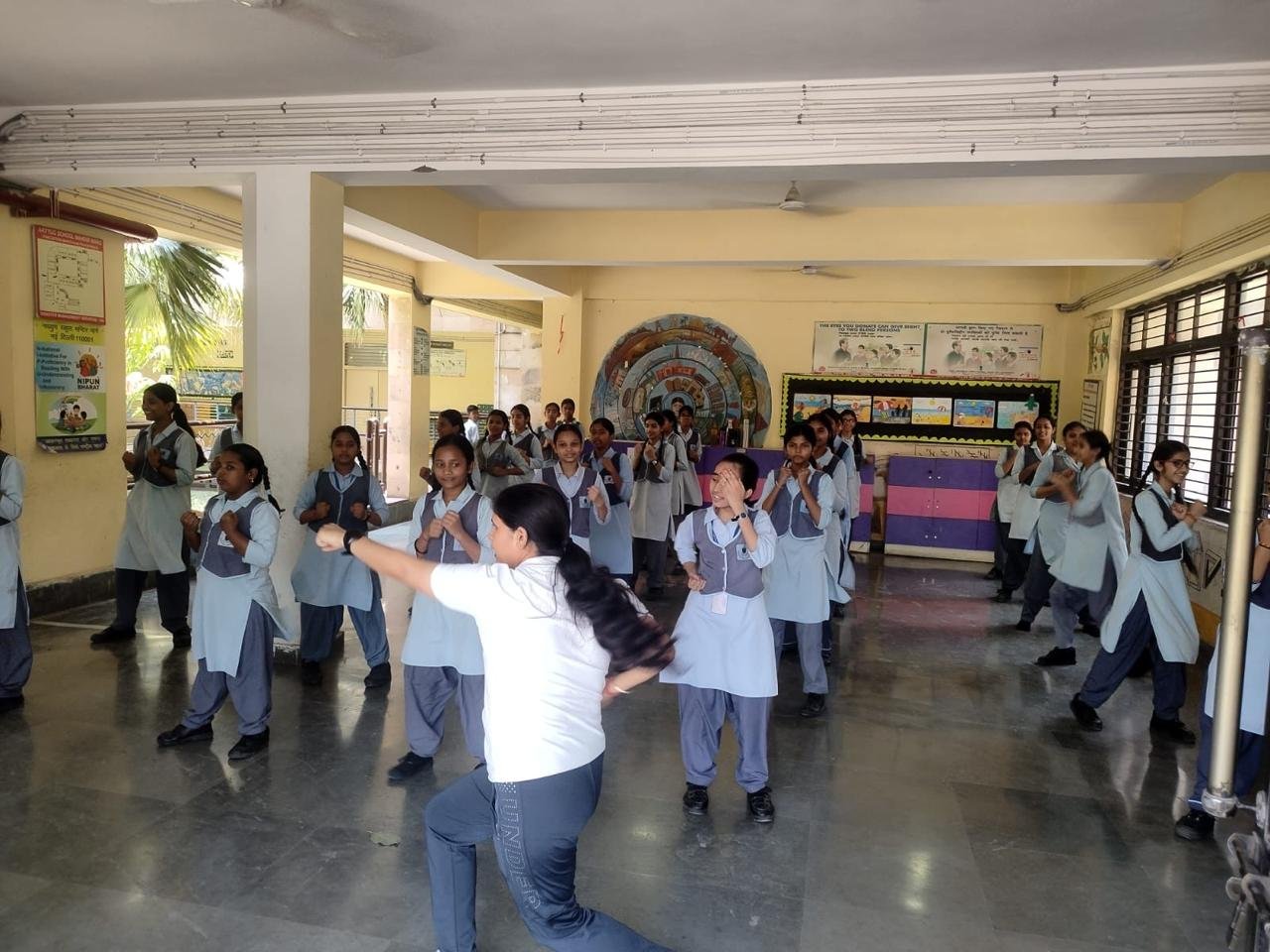
The New Delhi District Police recently organised women safety, large-scale self defence program across several schools in the national capital. Conducted under the supervision of the Parivartan Cell of New Delhi District Police, the campaign included self-defence training sessions, Nazuk awareness activities, and Shishtachar awareness programmes focused on safety education, cyber awareness, legal rights, and responsible social conduct.
The initiative witnessed enthusiastic participation from hundreds of girl students and highlighted the growing importance of safety education in schools and educational institutions. At a time when concerns around women’s security, cybercrime, harassment, and child protection continue to dominate public discourse, such awareness campaigns are increasingly becoming a crucial part of preventive policing and community outreach.
According to the official statement issued by New Delhi District Police, the self defence program was organised across multiple schools in the district. Around 282 girl students actively participated in the sessions, where they were trained in practical self-defence techniques and educated about personal safety practices.
Police officials stated that the programmes were designed not only to teach physical defence skills but also to develop confidence, awareness, mental preparedness, and social responsibility among participants.
The initiative was conducted under the leadership of Sachin Sharma, whose office emphasized the district police’s commitment toward creating a safer and more aware society through community participation and educational outreach.
Table of Contents
Why Self Defence Programmes Are Becoming Increasingly Important
Across India, awareness regarding women’s safety has grown significantly over the last decade. Schools, colleges, police departments, and social organisations are now placing greater emphasis on preventive education instead of reacting only after incidents occur.
Experts believe that a well-designed self defence program can play a major role in helping girls and women feel more confident in public spaces. Such programmes are not limited to teaching martial arts or combat techniques. Instead, they focus on building awareness, understanding danger signals, improving decision-making, and encouraging individuals to seek help without fear.
Many students, especially younger girls, often lack awareness about how to respond during uncomfortable or unsafe situations. A self defence program helps participants understand how to identify risky behavior, protect themselves physically when necessary, and react calmly during emergencies.
Police officials involved in the recent initiative explained that the sessions were designed in an interactive and practical manner so students could easily understand and apply the lessons in real life.
Safety Awareness
Participants were educated about:
Personal safety awareness
Situational alertness
Building confidence and self-esteem
Responding during emergencies
Seeking timely help
Understanding safe and unsafe behavior
The initiative reflects how policing in urban India is gradually evolving from traditional law enforcement toward community-oriented preventive policing.
One of the key aspects of the self defence program conducted by New Delhi District Police was its focus on confidence building.
Security experts often point out that confidence and awareness can sometimes become the first line of defence during threatening situations. Criminals frequently target individuals they perceive as vulnerable, isolated, or unaware.
By teaching girls to remain alert, communicate confidently, and respond assertively, such programmes attempt to reduce fear and improve psychological preparedness.
Students participating in the programme reportedly responded enthusiastically during practical demonstrations and awareness discussions. Police trainers encouraged students to ask questions openly and discuss real-life situations they may encounter in schools, markets, public transport, or online platforms.
Several educational institutions have increasingly welcomed such police-led initiatives because they bridge the gap between law enforcement agencies and young citizens.
Parents and teachers also view these programmes women safety positively because they provide children with practical knowledge that often remains absent from traditional academic education.
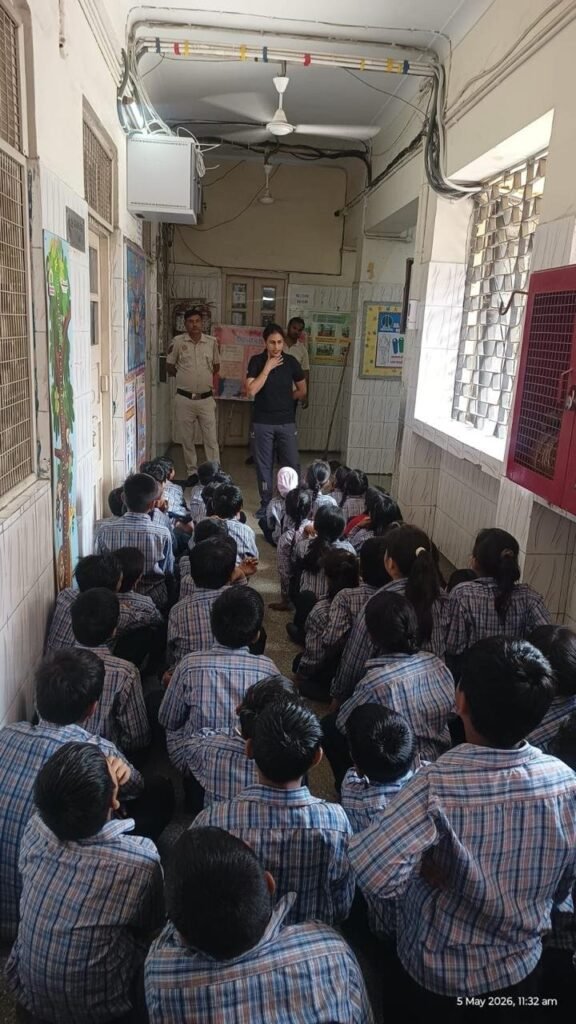
Apart from thewomen safety self defence program, the New Delhi District Police also organised a Nazuk awareness programme on May 5, 2026, at Atal Adarsh Primary School.
A total of 41 students participated in the session, which focused primarily on child safety awareness and protection.
The programme educated children about:
Good touch and bad touch
Personal boundaries
Recognizing unsafe behavior
Reporting uncomfortable situations
Importance of trusted adults
Child safety experts often stress that awareness regarding inappropriate behavior should begin at an early age in a simple and age-appropriate manner. Programmes like Nazuk aim to create safe communication spaces where children feel comfortable discussing concerns without fear or shame.
The issue of child protection has become increasingly significant in recent years due to rising awareness regarding abuse prevention and child rights. Police departments across several Indian states have launched similar school outreach programmes to educate students about personal safety and emotional well-being.
The New Delhi District Police deserves appreciation for including child safety awareness alongside the self defence program because younger students often remain the most vulnerable section of society.
Shishtachar Awareness Programmes Promoted Responsible Social Conduct
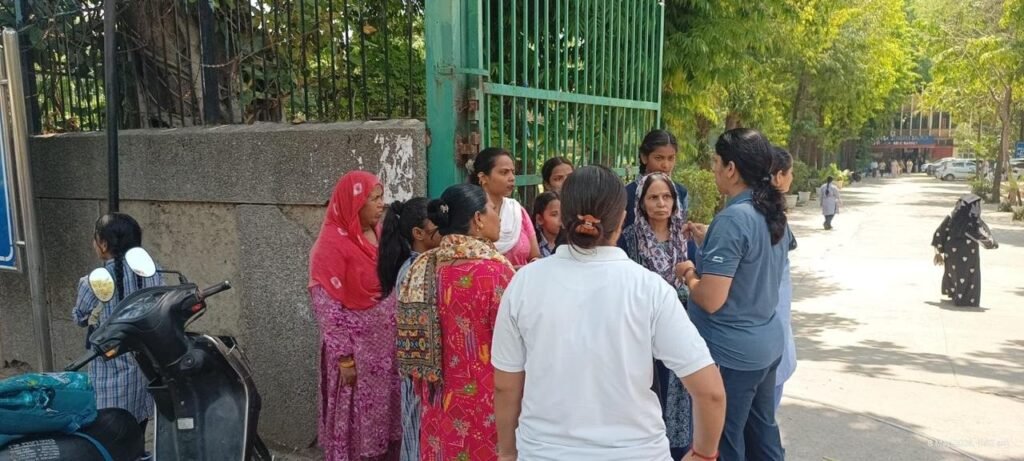
In addition to the self defence program and Nazuk initiative, New Delhi District Police also conducted Shishtachar awareness programmes at schools including Dayanand Girls Senior Secondary School and Atal Adarsh Balika School.
These sessions focused on promoting awareness regarding:
Women safety laws
Women’s dignity and empowerment
Public safety
Cyber safety awareness
Responsible social behavior
Cyber safety emerged as one of the major discussion points during the programmes. With increasing internet usage among teenagers and school students, cybercrime has become a growing concern for parents, educators, and law enforcement agencies alike.
Experts say that modern safety education must now include digital awareness because threats no longer exist only in physical spaces. Online harassment, cyberbullying, identity theft, fake social media accounts, and online exploitation have become common risks faced by young internet users.
Police officials reportedly educated students about safe online behavior, responsible social media usage, privacy protection, and reporting cyber harassment.
The inclusion of cyber awareness within the self defence program reflects the changing nature of safety education in today’s digital world.
Role of Police Outreach in Building Public Trust
Community outreach initiatives like the self defence program also play an important role in strengthening trust between police and the public.
Traditionally, many citizens interact with police only during emergencies, disputes, or criminal investigations. However, awareness programmes conducted in schools and communities help create a more positive and approachable image of women safety law enforcement agencies.
Students who participate in such women safety programmes often become more aware of legal rights, police helplines, complaint mechanisms, and public safety systems. This awareness can encourage quicker reporting of harassment, abuse, bullying, or suspicious activities.
The efforts of New Delhi District Police in conducting these programmes deserve recognition because preventive awareness initiatives often create long-term social impact that may not always be immediately visible.
Police officers participating in school outreach programmes also help reduce fear and hesitation among young students, especially girls who may otherwise feel uncomfortable women safety approaching authorities during difficult situations.
Women’s safety continues to remain a major public issue across India. While stronger laws and improved policing have been introduced over the years, experts argue that awareness and education are equally important in creating safer environments.
A self defence program alone cannot eliminate crime, but it can significantly improve preparedness, confidence, and women safety ,awareness among participants.
Studies conducted globally have shown that self-defence education can help individuals:
Recognize threats earlier
Respond more effectively during emergencies
Improve mental resilience
Increase reporting of crimes
Reduce fear and anxiety in public spaces
In India, police departments in several cities have increasingly collaborated with schools, colleges, NGOs, and women’s organisations to conduct awareness campaigns focused on empowerment and safety education.
The New Delhi District Police initiative reflects this broader trend toward community-based prevention strategies.
Schools Emerging as Important Spaces for Safety Education
Educational institutions are now being viewed as important platforms for spreading awareness about social issues, legal rights, gender sensitivity, cyber safety, and mental well-being.
Experts believe schools provide the ideal environment for introducing structured safety awareness programmes because students can learn important life skills at an early age.
The recent self defence program conducted in New Delhi schools demonstrates how educational institutions and police authorities can work together to create women safety informed and confident students.
Teachers and school administrators reportedly supported women safety the initiative and encouraged active participation among students. Interactive demonstrations and discussions women safety helped maintain engagement and made complex safety concepts easier for young participants to understand.
The initiative also reinforced the idea that women safety awareness should not be treated as a one-time activity but as a continuous educational process.
Practical Safety Skills Can Make a Real Difference
One of the most important aspects of the women safety self defence program was its practical nature. Rather than focusing only on lectures, police trainers reportedly demonstrated simple techniques that participants could realistically apply during emergencies.
Experts often recommend that self-defence training for students should focus on:
Escaping dangerous situations
Attracting public attention quickly
Using presence of mind
Maintaining situational awareness
Contacting authorities immediately
Police trainers also encouraged students to remain confident and avoid panic during difficult situations.
Such women safety programmes can prove especially women safety beneficial for girls who regularly travel alone for school, tuition classes, coaching centres, or extracurricular activities in urban areas like Delhi.
The active role played by New Delhi District Police through the women safety self defence program highlights the department’s broader commitment toward public safety, awareness generation, and community engagement.