CJP Leaders Promise to Maintain Peace and Not Call for Protests at Jantar Mantar Until Its Denotification Is Addressed Under Law; Inquiry to Continue
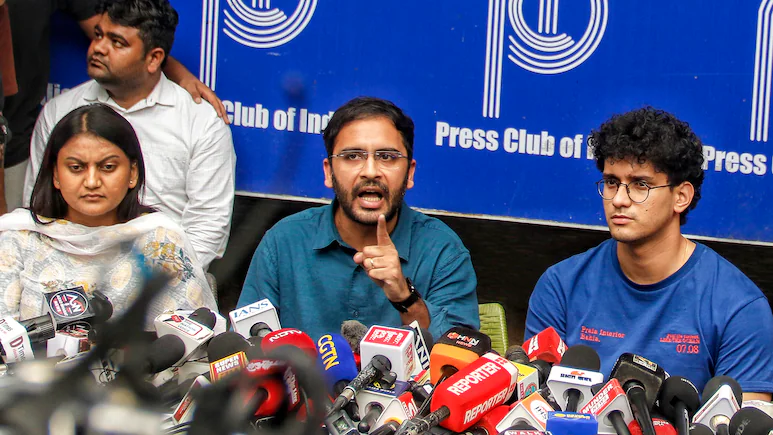
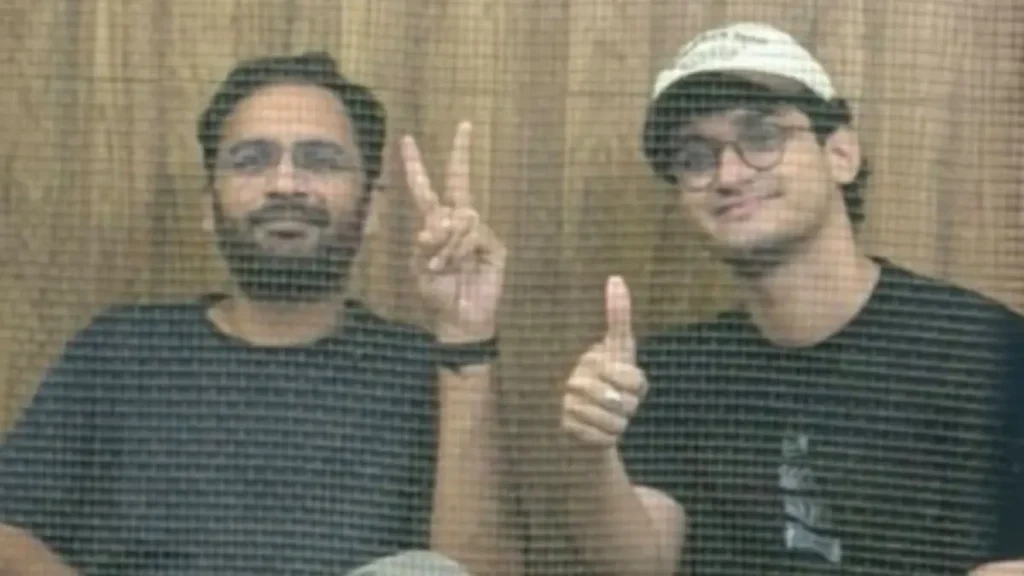
Cockroach Janta Party (CJP) leaders Saurav Das and Ashutosh Ranka were released on Wednesday after spending seven days in judicial custody, following an undertaking before a Special Executive Magistrate (SEM) court in New Delhi that they would not call for demonstrations at Jantar Mantar while it remains denotified as a designated protest site. The court ordered their release after directing both leaders to furnish personal bonds and surety bonds of Rs 50,000 each, while making it clear that the inquiry against them would continue.
The two leaders had been in judicial custody since October 14, after they allegedly scaled the locked gates of Jantar Mantar on October 13 and waved the national flag to protest the site’s denotification. The prosecution argued that their actions breached a peace bond they had signed after being detained on October 10, when they had originally called for a demonstration over alleged electoral fraud.
Their release followed proceedings before the SEM court and a separate hearing in the Delhi High Court, where the bench raised concerns about the alleged breach of the bond and the possible consequences of actions by protest organisers. The case has drawn attention to the relationship between the right to peaceful protest, compliance with legal undertakings and restrictions governing designated demonstration sites in the national capital.
The CJP has alleged that proceedings against its leaders were deliberately delayed to keep them in custody. The party has also continued to demand the resignation of Chief Election Commissioner Gyanesh Kumar, citing alleged irregularities in the Special Intensive Revision (SIR) of voter rolls and concerns about the functioning of the Election Commission of India.
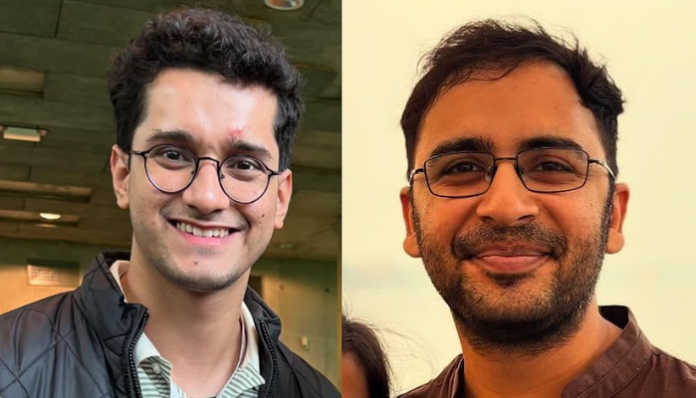
Table of Contents
What Did Saurav Das and Ashutosh Ranka Promise in Court?
During the proceedings, Cockroach Janta Party (CJP) leaders Saurav Das and Ashutosh Ranka gave identical undertakings affirming their commitment to maintaining peace and complying with the law. According to the court order, both stated that they would not commit any breach of peace and expressed faith in the judiciary and its institutions, including the SEM court.
Their undertaking specifically addressed demonstrations at Jantar Mantar, a location historically associated with public protests and political demonstrations in New Delhi. The Cockroach Janta Party leaders agreed not to call for protests at the site under the circumstances outlined in their undertaking.
The leaders stated that they would not make calls for protests at the site until its denotification was addressed in accordance with the law. They also reiterated their commitment to peace, law and order, and public tranquillity.
The undertaking further stated that any protest undertaken by the Cockroach Janta Party would remain within the constitutional framework.
The promise was central to the proceedings because the prosecution alleged that the two leaders had violated an earlier peace bond by returning to Jantar Mantar and attempting to stage a demonstration. Their latest undertaking was intended to establish their commitment to avoiding further breaches of peace while the inquiry continued.
The court’s order did not conclude the proceedings against the Cockroach Janta Party leaders. Instead, their release was made subject to the required bonds, and the next hearing was scheduled for Friday.
The undertaking is also significant because it distinguishes between a commitment not to call for protests at a particular location under the current circumstances and a general renunciation of the right to demonstrate. The leaders expressly referred to lawful and constitutional protest while making a specific commitment concerning Jantar Mantar.
The precise legal implications of the undertaking will depend on its terms and the applicable orders governing the site.
Why Were the CJP Leaders Arrested and Sent to Judicial Custody?
The sequence of events began on October 10, when the two Cockroach Janta Party leaders were detained after calling for a protest over alleged electoral fraud.
Following their detention, they signed a peace bond. Such undertakings are intended to secure assurances of peaceful conduct and help authorities prevent breaches of public order in circumstances where tensions or disturbances are anticipated.
On October 13, Das and Ranka allegedly climbed over the locked gates of Jantar Mantar and waved the national flag in protest against the site’s denotification as an authorised demonstration venue.
The prosecution subsequently argued that their actions violated the peace bond they had signed three days earlier. The allegation became the basis for further proceedings before the SEM court.
On October 14, the two leaders were produced before the magistrate and sent to judicial custody for five days. Their custody was extended by another two days on Monday, bringing the total period in custody to seven days before their release on Wednesday.
The Delhi Police sought an additional three days of judicial custody, but the court ultimately ordered their release after accepting the undertakings and directing them to furnish the required bonds.
The events illustrate how an initial protest call can lead to further legal proceedings when organisers are alleged to have violated conditions or undertakings connected to public order. The case involving the Cockroach Janta Party also highlights the legal questions that can arise when a protest takes place at a location subject to restrictions.
However, the allegation of a breach remains a matter for the proceedings to address. The court’s decision to release the two leaders does not, by itself, amount to a final determination of every allegation made against them.
Delhi High Court Raises Concerns Over Alleged Breach of Peace Bond
The matter also came before the Delhi High Court on Wednesday after the Cockroach Janta Party moved the court against the extension of judicial custody.
During the hearing, the High Court referred to the alleged breach of the peace bond and questioned the consequences that could follow when individuals leading a protest disregard restrictions or barricades.
Addressing the leaders’ role in organising demonstrations, the bench observed that people at the forefront of a protest could influence the actions of others. It noted that when barricades are breached, there is a possibility that more people may follow, including individuals whose conduct may not remain under the organisers’ control.
The bench also referred to incidents in other countries where student protests had escalated into arson and the burning of buildings. It did not name a specific country while making the observation.
The court’s remarks highlighted concerns about how demonstrations can develop when large groups gather and the potential challenges authorities face in maintaining public order. These concerns are relevant to the proceedings involving the Cockroach Janta Party, although the observations must be understood in the context of the hearing.
The High Court also asked about the ages of the two CJP leaders. When informed that Das was 27 and Ranka was 31, the bench remarked that they were not members of Generation Z, a demographic group frequently associated with youth-led protests.
The exchange came against the background of demonstrations organised by the Cockroach Janta Party and other protest movements over political and administrative issues.
The High Court hearing added another dimension to the case, bringing questions about the alleged breach of the bond, the responsibilities of protest organisers and the limits imposed by public-order requirements into focus.
CJP Alleges Deliberate Delay in Proceedings
The Cockroach Janta Party has alleged that the proceedings against its leaders were deliberately delayed to prolong their detention.
According to the party, the extension of judicial custody raised concerns about the handling of the case. It subsequently approached the Delhi High Court challenging the extension.
The allegation represents the Cockroach Janta Party’s position and has not been established as a judicial finding in the information available from the proceedings described.
The dispute highlights the different issues being raised by the prosecution and the party. The prosecution has focused on the alleged violation of the peace bond, while the Cockroach Janta Party has questioned the continuation of custody and the handling of the proceedings.
The SEM court’s decision to release Das and Ranka on Wednesday brought their immediate period of detention to an end. However, the inquiry remains pending, meaning the legal questions surrounding the alleged breach have not necessarily been resolved.
The requirement to furnish personal bonds and surety bonds of Rs 50,000 each also formed part of the release order.
The next hearing, scheduled for Friday, is expected to be an important point in the continuing proceedings. Any further developments will depend on the court’s directions and the material presented by the parties.
What Is Jantar Mantar’s Significance as a Protest Site?
Jantar Mantar in New Delhi has long been associated with demonstrations on political, social and public-interest issues. It has served as a prominent location where citizens, activists, political groups and organisations, including the Cockroach Janta Party, have gathered to draw attention to their demands.
Its location in the national capital makes it particularly visible, as protests held there can attract attention from government authorities, political parties and national media organisations.
Designated protest locations also serve an administrative purpose. They provide authorities with a framework for managing demonstrations while taking account of public access, traffic, security and the functioning of nearby institutions.
The denotification of Jantar Mantar as a designated protest site, which prompted the Cockroach Janta Party demonstration, has therefore become central to the dispute.
Available reports do not provide the full details of the denotification order, its legal basis or the precise administrative arrangements that followed. Those details would be necessary to assess the restrictions currently applicable to the location.
Nevertheless, the case involving the Cockroach Janta Party illustrates how changes to the status of a public demonstration site can become a source of political disagreement, particularly for groups that regard the location as an important platform for raising grievances.
For protest organisers, understanding the applicable permissions and restrictions is essential. For authorities, the challenge is to enforce lawful requirements while respecting the constitutional framework governing peaceful assembly and expression.
CJP’s Demand for Chief Election Commissioner Gyanesh Kumar’s Resignation
Beyond the Jantar Mantar dispute, the Cockroach Janta Party has continued to raise questions about the functioning of the Election Commission of India.
The party is demanding the resignation of Chief Election Commissioner Gyanesh Kumar, alleging unilateral functioning and irregularities in the Special Intensive Revision of voter rolls.
The Special Intensive Revision, commonly referred to as SIR, concerns the revision of electoral rolls. Such exercises are intended to review voter registration records and maintain the accuracy of electoral lists.
Electoral roll revisions can become politically contentious when parties or citizens raise concerns about the inclusion or exclusion of voters, the verification process or the transparency of administrative decisions.
The allegations raised by the Cockroach Janta Party form part of a broader political debate over the functioning of the Election Commission. Reports also note that the Opposition, led by Rahul Gandhi, has raised concerns relating to the revision of voter rolls.
The existence of similar concerns among political groups does not, on its own, establish that the alleged irregularities occurred. Specific claims must be assessed against official records, the applicable procedures and any findings by competent authorities.
The demand for Gyanesh Kumar’s resignation is therefore an important part of the political context surrounding the Cockroach Janta Party protest, but it remains a demand based on the party’s allegations.
The case also demonstrates how disputes over electoral administration can intersect with questions about the right to protest, the use of public spaces and the enforcement of public-order requirements.
Peaceful Protest, Constitutional Rights and Public Order
The proceedings involving Das and Ranka have brought attention to the balance between peaceful protest and the need to maintain public order.
The Constitution of India protects important freedoms, including freedom of speech and expression and the right to assemble peacefully and without arms, subject to the applicable constitutional restrictions.
These rights provide citizens with a means of expressing disagreement, criticising public institutions and seeking changes to government policies. They also provide a constitutional context for demonstrations organised by groups such as the Cockroach Janta Party.
At the same time, the right to peaceful assembly is not unlimited. Authorities may impose lawful restrictions to address public-order concerns, regulate the use of public spaces and protect the rights and safety of others.
The legal position in any particular case depends on the applicable rules, orders and facts. Whether an individual has violated a specific undertaking or restriction must be assessed through the relevant legal process.
In the present case, the leaders’ undertaking specifically addresses calls for protests at Jantar Mantar while its denotification remains in effect in accordance with law. They have also stated that future protests would be conducted within constitutional limits.
This distinction matters because the undertaking, as described in the court order, is focused on a particular location and set of circumstances rather than a blanket promise never to participate in demonstrations.
The proceedings will continue to determine the implications of the alleged breach of the earlier peace bond.
What Happens Next in the CJP Leaders’ Case?
The immediate development is the release of Cockroach Janta Party leaders Saurav Das and Ashutosh Ranka after seven days in judicial custody. Both leaders were directed to furnish personal bonds and surety bonds of Rs 50,000 each, while the inquiry against them remains ongoing.
The next hearing is scheduled for Friday. Further proceedings may clarify the status of the inquiry and the questions raised by the alleged violation of the peace bond.
The Cockroach Janta Party’s challenge to the extension of custody before the Delhi High Court is also part of the legal background to the case. The High Court’s observations about protest leadership and public order underline the issues being considered, but the final legal position will depend on the proceedings and the evidence.
Meanwhile, the Cockroach Janta Party’s demand for Chief Election Commissioner Gyanesh Kumar’s resignation and its allegations concerning the Special Intensive Revision of voter rolls remain part of the wider political dispute.
The case is likely to remain in focus because it combines questions about public demonstrations, compliance with legal undertakings and criticism of electoral administration.
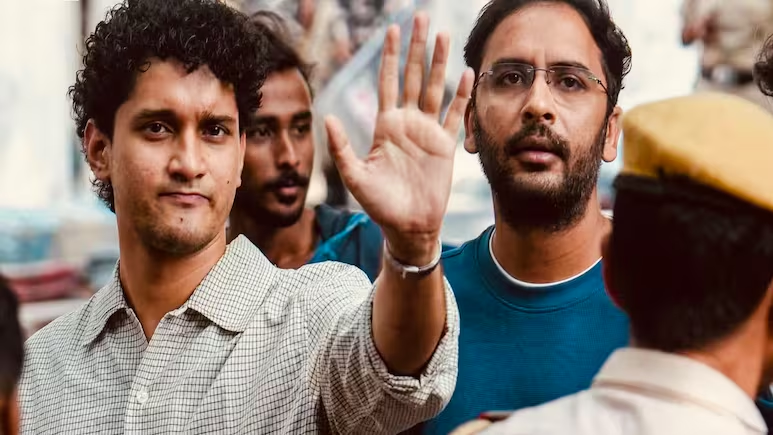
The release of CJP leaders Saurav Das and Ashutosh Ranka marks a significant development in the case arising from their protest at Jantar Mantar. After spending seven days in judicial custody, both were released on Wednesday after promising before a Special Executive Magistrate that they would not call for demonstrations at the denotified site under the circumstances specified in their undertaking.
The prosecution had alleged that the leaders breached a peace bond by scaling the locked gates of Jantar Mantar and waving the national flag on October 13. The CJP, meanwhile, challenged the extension of their custody and alleged that the proceedings were being deliberately delayed.
The Delhi High Court raised concerns about the possible consequences of breaching protest restrictions, while the SEM court ordered the leaders’ release subject to bonds and allowed the inquiry to continue.
At the same time, the party’s demand for Chief Election Commissioner Gyanesh Kumar’s resignation has kept its allegations about electoral roll revisions in the wider political debate.
With the next hearing scheduled for Friday, the legal proceedings remain unresolved. The case highlights the continuing importance of balancing peaceful democratic protest, compliance with lawful restrictions and the right to raise concerns about public institutions.