Congress leader announces Supreme Court petition against Chief Election Commissioner; Opposition seeks to broaden agitation into a wider democratic movement
Rahul Gandhi intensified the Opposition’s campaign against Chief Election Commissioner Gyanesh Kumar on Monday, alleging that the election chief was under pressure amid protests over the Election Commission’s Special Intensive Revision (SIR) of electoral rolls. Gandhi also announced that the Opposition would file a petition in the Supreme Court later in the evening, escalating its challenge to the controversial voter-list revision exercise.
Addressing reporters in Delhi, Rahul Gandhi said Gyanesh Kumar was fearful of the growing opposition to his functioning. He urged members of the public to join the INDIA bloc’s march towards the Supreme Court, asking participants to carry the national flag. The appeal reflected an effort by Opposition leaders to expand the movement beyond political party workers and present it as a broader campaign centred on democratic rights and electoral accountability.
The protest comes amid a wider political confrontation over the Election Commission’s handling of the SIR exercise. Opposition parties have raised concerns about the process, while the proposed legal challenge is expected to bring their objections before the country’s highest court.
The allegations made by Rahul Gandhi against the chief election commissioner, however, remain political claims and should not be treated as established findings of wrongdoing.
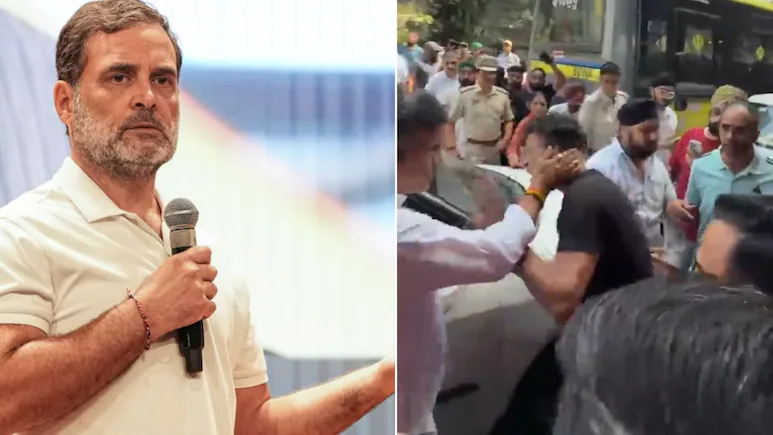
Table of Contents
Rahul Gandhi Escalates Attack on Gyanesh Kumar
Rahul Gandhi’s remarks marked a fresh escalation in the INDIA bloc’s criticism of Gyanesh Kumar. According to the Congress leader, the election chief was increasingly unsettled by the demonstrations and the Opposition’s determination to continue its campaign.
“Gyanesh Kumar is in fear. He is unable to sleep,” Gandhi told reporters, using pointed language to question the chief election commissioner’s position amid the continuing controversy.
The Congress MP also appealed directly to Prime Minister Narendra Modi, claiming that around 200 government officers were in contact with the Opposition and were sharing information with it. Gandhi did not publicly provide further details to substantiate the claim in the remarks reported by NDTV.
The statements added a new dimension to the political dispute, with the Congress leader seeking to portray the protest as a sustained challenge to the functioning of the election machinery rather than a short-term demonstration.
The Opposition’s campaign has increasingly focused on accountability, transparency and the role of constitutional institutions. By announcing a proposed petition in the Supreme Court, Rahul Gandhi signalled that the INDIA bloc intended to pursue both political mobilisation and legal avenues in its effort to challenge the SIR exercise.
Supreme Court Petition Announced Over SIR Exercise
A central development on Monday was the announcement that the Opposition would file a petition in the Supreme Court against Gyanesh Kumar. The move comes amid objections to the Special Intensive Revision of electoral rolls, an exercise intended to review and update voter lists.
Electoral roll revisions are an important part of the election administration process. Accurate voter lists help ensure that eligible citizens can exercise their franchise and that election authorities maintain reliable records. At the same time, large-scale revisions can become politically contentious when parties or voters raise concerns about eligibility checks, documentation requirements, deletions or the practical accessibility of the process.
The Opposition has alleged irregularities in the implementation of the SIR exercise and has used the issue to question the Election Commission’s conduct. Its proposed Supreme Court petition is intended to bring the dispute into the judicial arena, where the legal grounds and supporting evidence can be examined.
The precise relief sought in the petition, its legal arguments and the court’s subsequent response were not detailed in the material available at the time of the announcement. The filing itself would not establish that the allegations are correct; those questions would depend on the evidence, applicable law and any findings made by the court.
The announcement nevertheless raises the stakes in the confrontation between the Opposition and the election authorities. It also places the SIR dispute within a broader debate about the independence of constitutional institutions and public confidence in electoral processes.
INDIA Bloc Plans March from Barakhamba Road to Supreme Court
The INDIA bloc’s protest strategy on Monday included a planned march from central Delhi’s Barakhamba Road towards the Supreme Court, a distance of approximately three kilometres, according to the report.
The march was intended to bring together Opposition leaders and supporters as part of the campaign against Gyanesh Kumar and the SIR exercise. Rahul Gandhi’s call for participants to carry the national flag was a notable element of the mobilisation effort.
The use of the national flag and the appeal to ordinary citizens were intended to give the demonstration a wider public character. Rather than presenting it solely as a confrontation between political parties and the election chief, the Opposition sought to frame the protest around democratic participation and institutional accountability.
The planned route towards the Supreme Court also gave the demonstration a symbolic connection to the legal challenge announced by the Congress leader. However, a march towards the court should not be confused with a formal court proceeding or an indication of the outcome of the proposed petition.
The INDIA bloc’s approach suggests that its leaders are seeking to sustain public attention on the voter-list revision issue while increasing pressure on the authorities to respond to their concerns.
Opposition Seeks to Expand Protest Beyond Political Workers
One of the significant aspects of the latest mobilisation is the reported shift towards a broader protest strategy. The INDIA bloc is seeking to involve civil society organisations, members of the general public and people from different age groups.
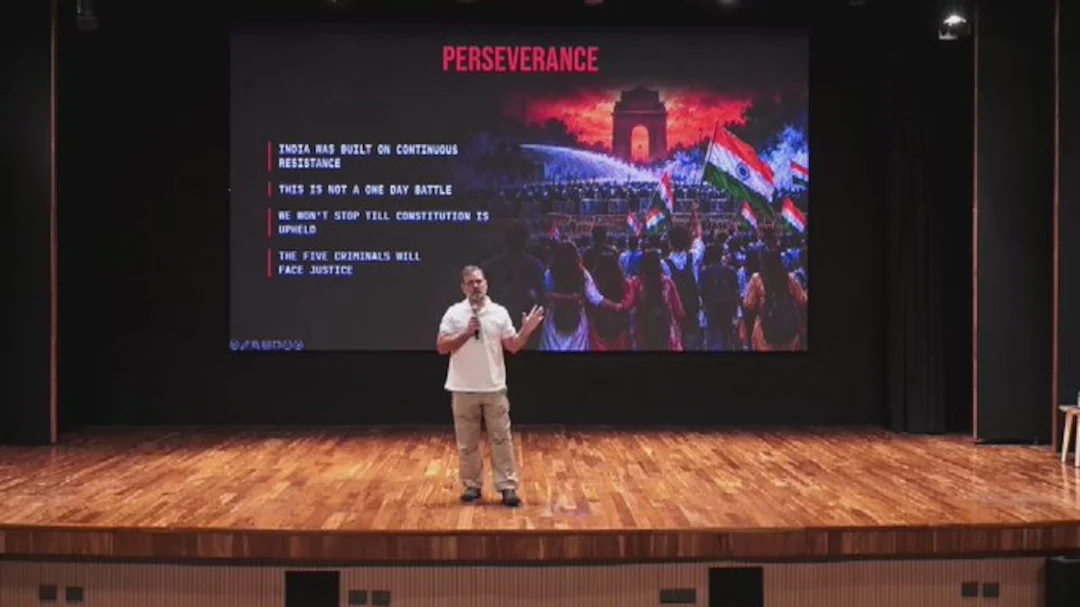
Before the march, Rahul Gandhi released a video message appealing to civil society groups and ordinary citizens to join the demonstration. The appeal indicated that the Opposition wanted to widen participation beyond its established political support base.
Such a strategy can help a political movement attract attention from groups that may not ordinarily participate in party-led demonstrations. It can also change how an issue is presented publicly, moving the focus from a dispute involving individual leaders towards questions of governance, accountability and citizens’ rights.
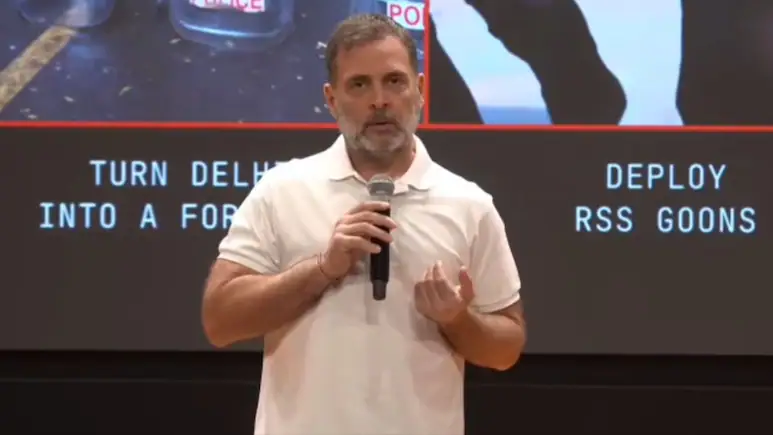
For the INDIA bloc, the challenge is to persuade people outside its core political constituency that the SIR controversy has implications for the integrity and accessibility of the electoral process. The effectiveness of this strategy will depend on the extent of public participation, the clarity of the Opposition’s demands and the evidence supporting its allegations.
The broader framing also places greater emphasis on the concerns of eligible voters who may be affected by changes to electoral rolls. For such a campaign to gain wider credibility, however, political claims must be supported by verifiable information, and specific complaints about voter-list errors need to be distinguished from general allegations against the election authorities.
Rahul Gandhi Questions Police Response to Demonstrators
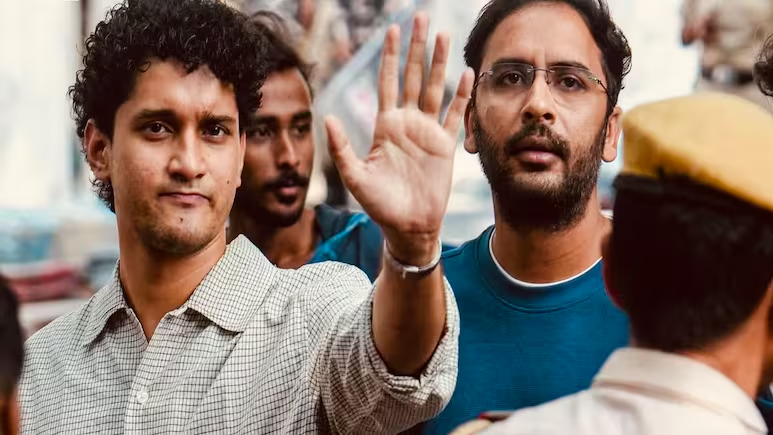
Rahul Gandhi also sought to portray the police response to the protests as a source of tension within the ranks of law enforcement. He claimed that at least 50 per cent of police personnel had told demonstrators that their actions were justified.
The Congress leader further alleged that police personnel were themselves questioning why they were being asked to protect Gyanesh Kumar. These statements were presented as Gandhi’s account of conversations involving protesters and police officers; the report did not independently establish how many officers had expressed such views.
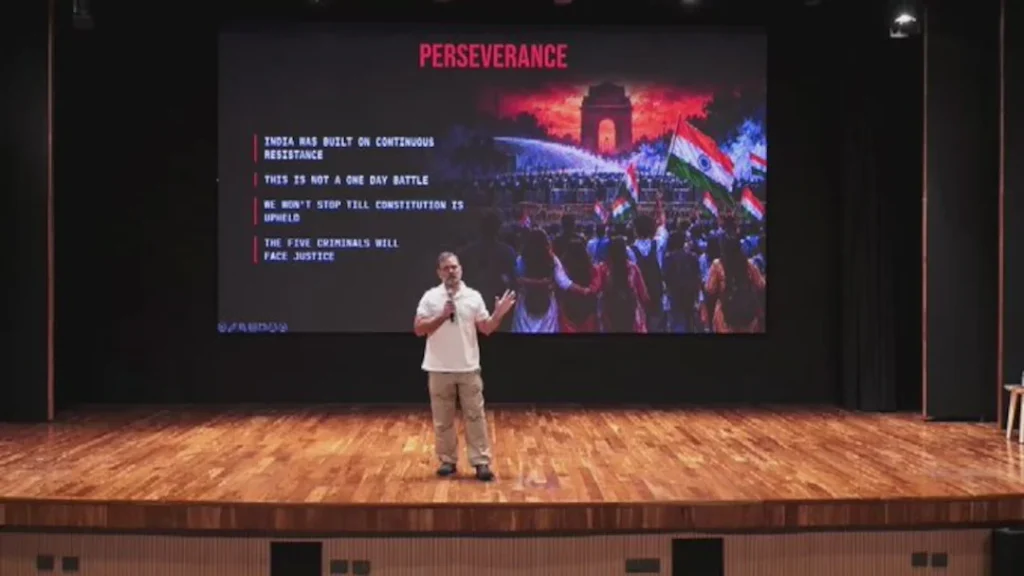
Gandhi acknowledged that demonstrators had faced police action and argued that the authorities were also under pressure. He used the issue to encourage supporters to remain committed to the campaign, describing perseverance as central to the Opposition’s approach.
“We won’t stop. It doesn’t matter how much time it would take – days, weeks, months or years,” Gandhi said, according to the report.
The remarks indicated that the Congress leader was preparing supporters for a potentially prolonged political and legal campaign. They also underscored the tension that can arise when street demonstrations, police responsibilities and disputes involving public institutions intersect.
Any assessment of the police response would require information about the specific incidents, the actions taken by officers and the circumstances in which demonstrators were handled. Gandhi’s statements, by themselves, do not establish the position of the police force as a whole.
Special Intensive Revision: Why Electoral Rolls Matter
The controversy surrounding the Special Intensive Revision is significant because electoral rolls form the foundation of the voting process. Election authorities must maintain lists that include eligible voters while addressing inaccurate entries and other problems that can affect the reliability of the records.
Revision exercises can involve reviewing existing entries, checking eligibility and correcting information. Their implementation, however, must inspire public confidence, particularly when the process affects large numbers of voters or requires people to establish their eligibility through specified procedures.
Concerns about voter-list revisions can arise over several issues, including whether eligible citizens are included, whether incorrect entries are removed, whether documentation requirements are clear and whether people have accessible ways to raise objections or seek corrections.
For citizens, the central concern is whether they can participate in elections without facing unjustified barriers. For election authorities, the challenge is to maintain accurate records while ensuring that legitimate voters are not inadvertently excluded.
The political dispute over SIR therefore extends beyond the immediate confrontation between Rahul Gandhi and Gyanesh Kumar. It raises questions about administrative transparency, grievance-redressal mechanisms and the need for credible communication between election authorities, political parties and the public.
The existence of political objections does not, on its own, demonstrate that the revision process is unlawful. Equally, public confidence requires that specific complaints receive a fair hearing and that authorities provide clear explanations of their procedures.
Election Commission Under Political Scrutiny
The Election Commission occupies a central position in India’s democratic system, overseeing electoral processes and administering elections under the constitutional and legal framework. Its decisions can have significant political consequences, making public trust in its independence and impartiality particularly important.
The current confrontation reflects the difficulty of maintaining that trust when political parties question the conduct of election administration. The Opposition’s allegations against Gyanesh Kumar have become a focal point of the dispute, while the proposed legal challenge could provide a formal setting for examining the specific issues raised.
For the Election Commission, the wider challenge is to ensure that voter-list revision procedures are implemented consistently, that information is accessible and that legitimate concerns are addressed through established channels.
For the Opposition, the challenge is to demonstrate that its allegations are supported by evidence and to identify the legal or administrative changes it believes are necessary. A sustained campaign may keep the issue in public view, but its impact will ultimately depend on the substance of the complaints and the response from the relevant institutions.
The Supreme Court, if approached through the announced petition, would consider the questions placed before it in accordance with the law. The announcement of a petition should not be interpreted as a judicial endorsement of the Opposition’s claims.
A Potentially Prolonged Political and Legal Confrontation
Rahul Gandhi’s latest remarks suggest that the INDIA bloc intends to maintain pressure on the chief election commissioner and continue raising questions about the SIR exercise. The combination of public demonstrations, appeals to civil society and a proposed Supreme Court petition points to a campaign operating on both political and legal fronts.
The Opposition’s decision to encourage participation by ordinary citizens could help broaden the debate, particularly if concerns about voter-list accuracy and access to the electoral process resonate beyond party supporters. At the same time, the campaign’s credibility will depend on the quality of the evidence presented and the precision of its demands.
The claim that government officers are sharing information with the Opposition, as well as Gandhi’s assertions about police personnel sympathising with demonstrators, remain unverified in the report. They add to the political rhetoric surrounding the dispute but require independent confirmation before they can be treated as established facts.
The immediate developments to watch include the filing and contents of the announced Supreme Court petition, any response from the Election Commission or Gyanesh Kumar, and whether the INDIA bloc’s outreach brings broader public participation to the protests.
For now, the confrontation has become another test of the relationship between political opposition, electoral administration and public confidence in democratic institutions. The legal proceedings, if initiated, and the evidence placed before the relevant authorities will be crucial in determining how the dispute progresses.