Best CNG cars in India are becoming increasingly popular due to their fuel efficiency, lower running costs and the growing availability of factory-fitted compressed natural gas options across different vehicle segments. However, one of the biggest concerns for buyers considering a CNG vehicle has traditionally been boot space. Conventional CNG installations often require a bulky cylinder in the luggage compartment, leaving less room for suitcases, shopping bags and other everyday essentials.
Automakers are increasingly addressing this challenge through improved packaging and alternative cylinder arrangements. Twin-cylinder technology and underbody-mounted CNG tanks are helping manufacturers offer vehicles that retain a more practical luggage area without compromising the benefits of CNG powertrains.
For buyers searching for the best CNG cars with big boot space in India, several models now offer a more balanced combination of fuel economy, everyday usability and luggage-carrying capacity. These include the Mahindra XUV 3XO ZNG, Maruti Suzuki Brezza S-CNG, Tata Nexon iCNG and Maruti Suzuki Victoris S-CNG.
With claimed boot capacities ranging from 270 litres to 328 litres among the models covered here, each vehicle approaches the challenge of CNG packaging differently. Their engine specifications, claimed fuel efficiency and prices also vary, making it important for prospective buyers to consider more than just the available luggage space.
Table of Contents
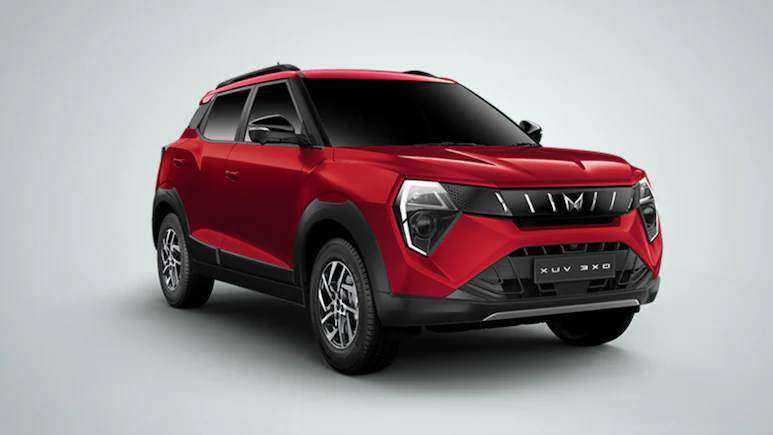
Mahindra XUV 3XO ZNG: Twin-Cylinder Technology in a Compact SUV
The Mahindra XUV 3XO ZNG is a notable addition to India’s CNG SUV market because it combines a factory-fitted twin-cylinder CNG system with a turbocharged petrol-based engine. According to Mahindra, the model offers 270 litres of boot space, allowing buyers to retain some luggage capacity despite the space required for the CNG system.
For comparison, the regular petrol-powered Mahindra XUV 3XO has a claimed boot capacity of 364 litres. The difference highlights the packaging challenges that manufacturers face when adapting an existing vehicle platform for CNG operation.
Engine, Performance and Mileage
The XUV 3XO ZNG uses a 1.2-litre, three-cylinder turbo-petrol engine. In CNG mode, it produces 111 hp and 200 Nm of torque. Power is transmitted through a six-speed manual gearbox.
The use of a turbocharged engine distinguishes the XUV 3XO ZNG from several CNG vehicles that rely on naturally aspirated petrol engines. Turbocharging can help an engine deliver stronger performance characteristics, although real-world performance depends on factors such as vehicle load, driving conditions and fuel mode.
Mahindra claims a fuel efficiency of 24.7 km/kg for the XUV 3XO ZNG. This figure provides a reference point for buyers evaluating its running costs, but actual mileage can vary depending on traffic, driving style, road conditions and maintenance.
Price and Practicality
The Mahindra XUV 3XO ZNG is priced between Rs. 9.99 lakh and Rs. 12.27 lakh, ex-showroom, according to launch details.
Its twin-cylinder arrangement is intended to improve luggage-area usability compared with a conventional bulky cylinder layout. However, its 270-litre boot is smaller than the capacities offered by the Brezza S-CNG, Nexon iCNG and Victoris S-CNG in this comparison.
For buyers who prioritise a turbocharged engine and the appeal of a compact SUV, the XUV 3XO ZNG presents a distinctive proposition. Those who regularly carry large suitcases may want to compare its boot dimensions and usable loading area with those of its rivals before making a purchase decision.
Maruti Suzuki Brezza S-CNG: A Practical Option for Families
The Maruti Suzuki Brezza S-CNG is among the more practical choices for buyers who want a CNG-powered SUV without giving up most of the main luggage compartment. It offers 328 litres of usable boot space, the largest stated capacity among the four models discussed in this article.
Its CNG tank is positioned underneath the vehicle, helping preserve the primary luggage area. This layout addresses one of the most common complaints associated with CNG vehicles: the loss of space that can make family trips and everyday errands more difficult.
Engine Specifications and Claimed Efficiency
The Brezza S-CNG is powered by a 1.5-litre naturally aspirated petrol engine. In CNG mode, it develops 88 hp and 121.5 Nm of torque. The engine is paired with a manual transmission.
Maruti Suzuki claims fuel efficiency of 26.9 km/kg for the Brezza S-CNG. Among the XUV 3XO ZNG, Brezza S-CNG and Nexon iCNG, this is the highest claimed figure stated in the supplied specifications.
For commuters covering long distances regularly, fuel efficiency can make a meaningful difference to the overall ownership cost. However, buyers should remember that claimed mileage figures are not guaranteed real-world results. Congested roads, frequent acceleration, air-conditioning use and vehicle load can influence actual consumption.
Why Boot Space Matters
The Brezza S-CNG’s 328-litre luggage capacity makes it particularly relevant for households that use their vehicle for office commutes, shopping and weekend journeys. Keeping the main luggage compartment relatively unobstructed can make it easier to load bags and organise everyday items.
Its naturally aspirated engine also reflects a different performance approach from the turbocharged units used by the XUV 3XO ZNG and Nexon iCNG. Buyers should evaluate engine response, transmission behaviour and comfort during a test drive rather than relying on mileage figures alone.
The Brezza S-CNG is therefore worth considering for buyers who place a high priority on boot practicality, claimed fuel economy and the convenience of a CNG-powered SUV.
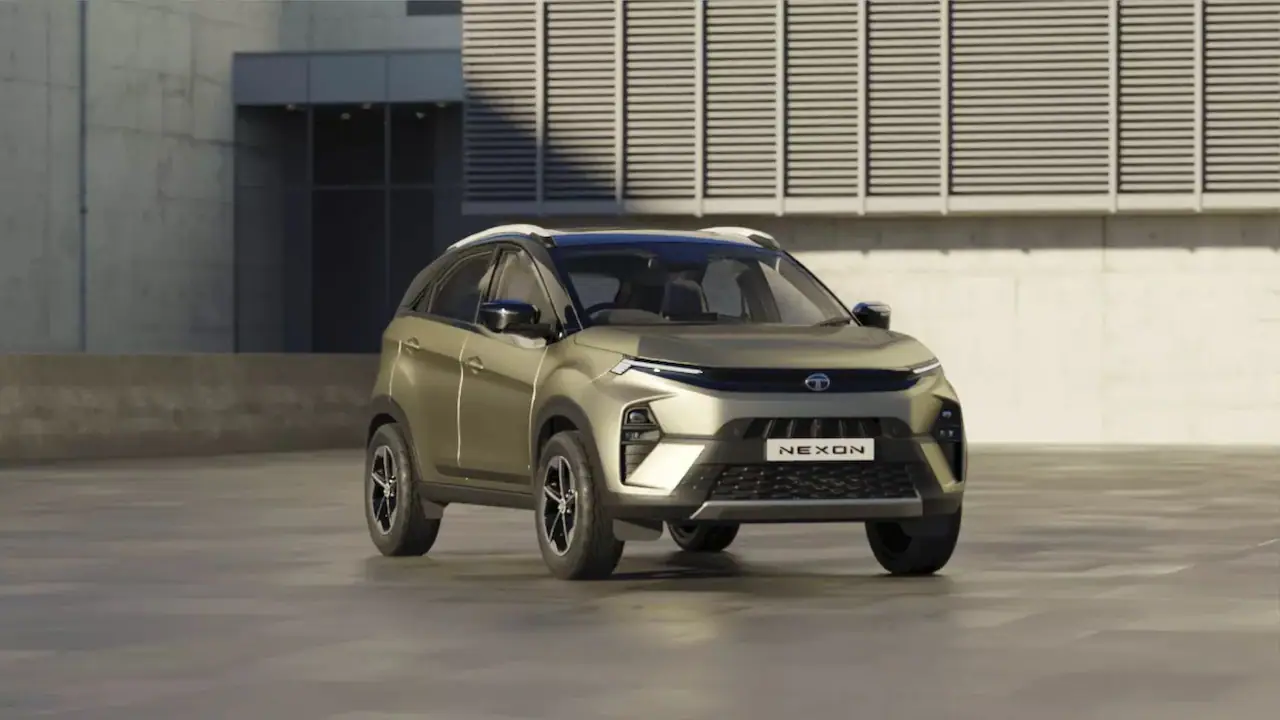
Tata Nexon iCNG: Twin Cylinders and 321 Litres of Boot Space
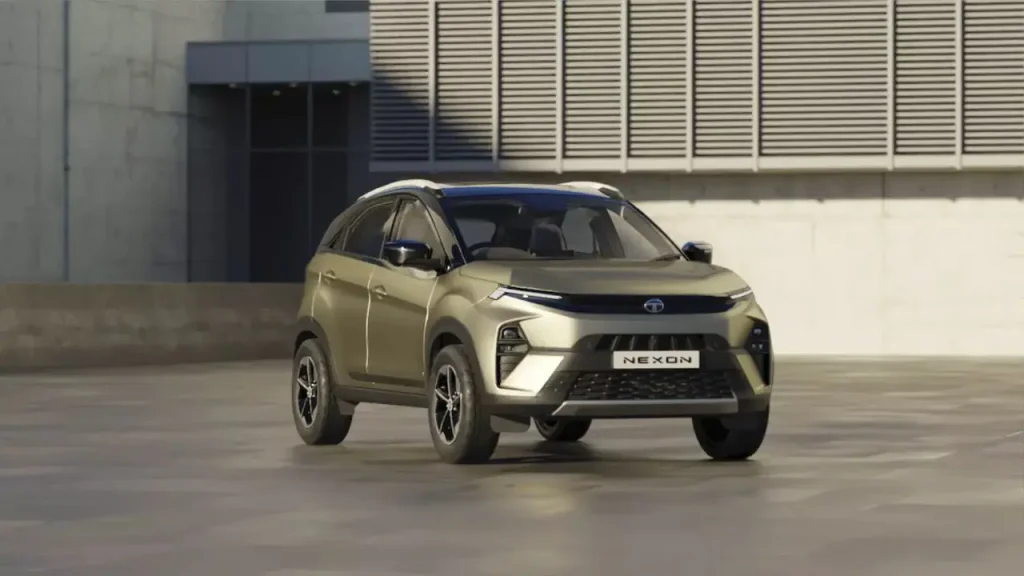
The Tata Nexon iCNG is another strong contender for buyers looking for a CNG SUV with useful luggage capacity. It offers 321 litres of boot space through Tata’s twin-cylinder CNG technology.
This capacity is 51 litres greater than the 270-litre figure stated for the Mahindra XUV 3XO ZNG. Although the difference alone does not determine which vehicle is more practical, it gives prospective buyers a useful starting point when comparing their luggage-carrying abilities.
Engine and Transmission
The Nexon iCNG uses a 1.2-litre turbo-petrol engine that produces 100 hp and 170 Nm of torque in CNG mode. It is paired with a six-speed manual gearbox.
Its turbocharged configuration gives it a different engine character from the naturally aspirated Brezza S-CNG and Victoris S-CNG. Nevertheless, performance should be assessed in the context of the vehicle’s weight, intended usage and driving conditions.
Tata Motors claims fuel efficiency of 24 km/kg for the Nexon iCNG. While this is lower than the stated figures for the Brezza S-CNG and Victoris S-CNG, the Nexon offers its own combination of engine specifications, packaging and equipment.
Price and Everyday Usability
According to the supplied report, prices for the Tata Nexon iCNG range from approximately Rs. 8.35 lakh to Rs. 13.42 lakh, ex-showroom.
The model’s 321-litre boot provides a useful balance between the installation of a CNG system and the need for luggage space. Its twin-cylinder layout is designed to reduce the impact of the gas storage system on the main cargo area.
For buyers who want a CNG-powered SUV with a turbocharged engine and a reasonably practical boot, the Nexon iCNG deserves consideration. The final decision should also account for the variant’s equipment, safety features, service requirements, warranty coverage and the availability of CNG refuelling along regular routes.
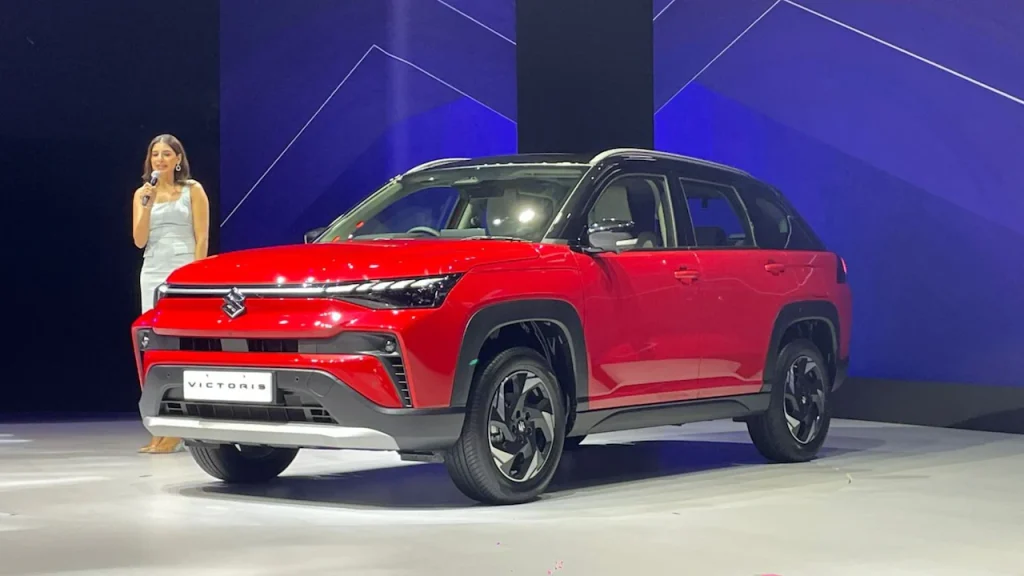
Maruti Suzuki Victoris S-CNG: Underbody Tank Layout Frees Up Luggage Space
The Maruti Suzuki Victoris S-CNG takes a different approach to preserving the luggage compartment. Instead of placing the CNG tank in the main boot area, it positions the tank underneath the vehicle.
This arrangement allows the Victoris S-CNG to offer 320 litres of boot space. For comparison, the petrol-powered version has a claimed boot capacity of 439 litres. The figures demonstrate that CNG packaging still affects the available cargo volume, even when the tank is placed under the body.
Engine, Mileage and Gearbox
The Victoris S-CNG is equipped with a 1.5-litre engine that produces 87 hp and 121.5 Nm of torque in CNG mode. It comes with a five-speed manual gearbox.
Maruti Suzuki claims a fuel efficiency of 27.02 km/kg, the highest stated figure among the four vehicles covered in this comparison.
For buyers who cover substantial distances, this claimed efficiency may be an important consideration. Nevertheless, mileage should be weighed alongside the purchase price, available features, servicing costs and the distance to convenient CNG stations.
Price and Practical Appeal
The Maruti Suzuki Victoris S-CNG range starts at Rs. 11.55 lakh and goes up to Rs. 14.82 lakh, ex-showroom, according to launch details.
Its 320-litre boot makes it a practical option for buyers who need space for daily luggage while also wanting the potential running-cost advantages of CNG. Although its capacity is slightly lower than the Brezza S-CNG’s stated 328 litres, the Victoris offers a different vehicle package and should be compared on overall value rather than boot capacity alone.
For prospective buyers, the underbody-mounted tank is an important feature to consider. A physical inspection of the luggage compartment will help establish whether its dimensions, shape and loading height suit their needs.
Comparing the Best CNG Cars With Big Boot Space in India
The four models offer different combinations of luggage capacity, claimed fuel efficiency, engine performance and pricing. The following comparison summarises the specifications provided in the source material.
| Car Model | Boot Space | Claimed CNG Mileage | CNG Power | Ex-Showroom Price |
|---|---|---|---|---|
| Mahindra XUV 3XO ZNG | 270 litres | 24.7 km/kg | 111 hp | Rs. 9.99–12.27 lakh |
| Maruti Suzuki Brezza S-CNG | 328 litres | 26.9 km/kg | 88 hp | Not specified |
| Tata Nexon iCNG | 321 litres | 24 km/kg | 100 hp | Rs. 8.35–13.42 lakh |
| Maruti Suzuki Victoris S-CNG | 320 litres | 27.02 km/kg | 87 hp | Rs. 11.55–14.82 lakh |
Note: Prices and specifications are based on the supplied report. Prices are ex-showroom, and claimed mileage figures may differ from real-world results. The Brezza S-CNG price was not provided in the source material.
The comparison reveals that the Brezza S-CNG offers the largest stated boot capacity, at 328 litres, while the Victoris S-CNG records the highest claimed fuel efficiency at 27.02 km/kg. The XUV 3XO ZNG delivers the highest stated CNG power output among these four models, with 111 hp.
The Nexon iCNG, meanwhile, combines a 321-litre boot with a turbocharged engine and a stated starting price of approximately Rs. 8.35 lakh. However, prices, variant availability and equipment should be confirmed with the respective manufacturers or dealerships before making a purchase decision.
How Twin-Cylinder Technology Is Changing CNG Cars
One of the most significant developments in the Indian CNG passenger vehicle market is the adoption of twin-cylinder technology. Traditionally, a large CNG cylinder could occupy a substantial part of the luggage compartment, limiting the amount of cargo a vehicle could carry.
Twin-cylinder systems divide the gas storage arrangement between two cylinders, allowing manufacturers to make more efficient use of the available space. Models such as the Mahindra XUV 3XO ZNG and Tata Nexon iCNG use this approach to retain usable luggage capacity.
However, the final boot space depends on the vehicle’s platform, the dimensions and positioning of the cylinders, and the overall packaging of the CNG system. Twin-cylinder technology does not automatically mean that every CNG model will have a larger boot than every petrol variant.
Underbody tank placement offers another solution. The Maruti Suzuki Brezza S-CNG and Victoris S-CNG illustrate how positioning the tank beneath the vehicle can help preserve the main luggage compartment.
For customers, these developments mean that choosing a CNG vehicle no longer necessarily requires sacrificing most of the boot space. Nevertheless, buyers should inspect the actual luggage compartment and check whether it accommodates their usual travel bags.
What Buyers Should Consider Before Purchasing a CNG SUV
Boot space is an important consideration, but it should not be the only factor influencing a purchase decision. Buyers should evaluate several aspects before selecting a CNG-powered SUV.
Real-World Fuel Efficiency
Claimed mileage is useful for comparing vehicles under specified testing conditions, but actual fuel efficiency depends on driving habits, traffic, road conditions, vehicle load and maintenance.
Customers who frequently drive in congested urban traffic should consider their typical journeys when estimating running costs. A test drive and feedback from existing owners may also help provide a more realistic picture of everyday performance.
Luggage Capacity and Boot Dimensions
A higher boot-capacity figure does not always guarantee that a vehicle will accommodate every type of suitcase. The shape of the luggage area, loading height and available width can be equally important.
Families who regularly travel with multiple suitcases should check the usable dimensions rather than relying solely on the published litre figure. It is also worth checking whether the rear seats fold down and how that affects the available cargo area.
Engine Performance and Transmission
The four models differ in their engine configurations and power outputs. The XUV 3XO ZNG and Nexon iCNG use turbocharged engines, whereas the Brezza S-CNG and Victoris S-CNG use naturally aspirated engines.
Buyers should assess acceleration, drivability, gearbox operation and performance with passengers on board. These factors can be especially relevant for those who frequently drive on highways or travel through hilly areas.
Purchase Price and Ownership Costs
The initial purchase price is only one part of the overall cost of ownership. Buyers should also consider insurance, scheduled servicing, warranty coverage, fuel expenses and the availability of authorised service centres.
A vehicle with a higher initial price may suit some customers better if it offers the features and practicality they need. Conversely, buyers who primarily commute short distances may place greater importance on the upfront cost and everyday convenience.
CNG Refuelling Availability
Access to CNG stations can significantly influence the convenience of owning a CNG vehicle. Prospective buyers should check the availability of refuelling stations near their home, workplace and regular travel routes.
Those who frequently undertake long-distance journeys should also plan around refuelling availability. Depending on the destination, carrying a suitable petrol option as part of the vehicle’s dual-fuel capability may provide additional flexibility.
Safety and Manufacturer Specifications
Customers should review the safety equipment, variant-specific features and official specifications before purchasing. They should also follow the manufacturer’s recommendations for servicing the CNG system and maintaining the vehicle.
The placement of the CNG cylinders, the vehicle’s approved configuration and compliance with applicable safety requirements are important considerations. Any inspection or maintenance involving the gas storage system should be carried out by qualified personnel.
Which CNG Car Offers the Best Combination of Boot Space and Mileage?
The best choice ultimately depends on the buyer’s priorities.
The Maruti Suzuki Brezza S-CNG stands out for its stated 328-litre boot capacity and claimed fuel efficiency of 26.9 km/kg. It is worth considering for customers who want to retain a relatively spacious luggage compartment while benefiting from CNG running costs.
The Maruti Suzuki Victoris S-CNG offers 320 litres of boot space and the highest claimed mileage in this comparison, at 27.02 km/kg. Its underbody tank layout may appeal to buyers who prefer to keep the main luggage area relatively unobstructed.
The Tata Nexon iCNG offers 321 litres of boot space, a turbocharged engine and a stated price range starting at approximately Rs. 8.35 lakh. It could be relevant to buyers looking for a combination of luggage practicality and turbocharged performance.
The Mahindra XUV 3XO ZNG, with its 270-litre boot and claimed 24.7 km/kg efficiency, takes a different approach by combining a twin-cylinder CNG setup with a turbocharged engine producing 111 hp in CNG mode. Buyers who prioritise its engine specifications may find it worth considering, although its stated boot capacity is lower than those of the other three models.
No single vehicle will suit every buyer. The final decision should account for the budget, luggage requirements, driving conditions, engine preferences and access to CNG refuelling.
The growing availability of CNG-powered SUVs with improved luggage packaging is making the segment more practical for Indian buyers. Features such as twin-cylinder CNG systems and underbody-mounted tanks are helping manufacturers address one of the traditional limitations of CNG vehicles.
Among the models covered in this comparison, the Maruti Suzuki Brezza S-CNG offers the largest stated boot capacity at 328 litres, while the Maruti Suzuki Victoris S-CNG leads in claimed fuel efficiency at 27.02 km/kg. The Tata Nexon iCNG provides 321 litres of luggage space, while the Mahindra XUV 3XO ZNG combines a twin-cylinder arrangement with a turbocharged engine.
For anyone researching the best CNG cars with big boot space in India, these four models demonstrate that fuel economy and luggage practicality do not always have to be competing priorities. Comparing the usable boot dimensions, real-world mileage, variant prices and ownership requirements will help buyers identify the vehicle that best matches their needs.