Ektaa Kapoor Recalls Struggling With Motherhood and Mental Health During COVID-19, Says 2021–22 Were Her Most Difficult Years
Ektaa Kapoor has opened up about the emotional challenges she experienced after becoming a mother, revealing that she went through her “own kind of postpartum” following the birth of her son, Ravie, through surrogacy in 2019. While motherhood marked a significant milestone in her personal life, Kapoor admitted that adjusting to her new role was not always easy and that she initially struggled to understand and process her emotions.
In a recent conversation on Ranveer Allahbadia’s podcast, Ektaa Kapoor reflected on her mental health during the COVID-19 pandemic, describing 2021 and 2022 as particularly difficult years. She spoke about the emotional impact of witnessing multiple deaths around her and explained how the experiences of that period affected her ability to cope with the changes taking place in her life.
“Mental health-wise, it was bad because I was not able to grapple with that. For me, it was the worst during COVID, the worst year for me mentally because I could not… Even though I didn’t give birth to my son, I had postpartum of my own kind. I was really grappling with my motherhood,” Kapoor said.
Her candid admission has drawn attention to the emotional side of motherhood, the mental health challenges that can accompany major life transitions, and the fact that becoming a parent can involve a complex adjustment process regardless of how a child is born.

Table of Contents
Ektaa Kapoor Reflects on Her Emotional Transition to Motherhood
Ektaa Kapoor became a mother in 2019 when she welcomed her son, Ravie Kapoor, through surrogacy. Although the arrival of her son was an important moment in her life, she has now revealed that the transition to motherhood brought emotional challenges that she found difficult to navigate.
In her podcast conversation, Kapoor explained that she was struggling to come to terms with her new responsibilities and emotions. She described the experience as her “own kind of postpartum,” using the phrase to communicate the personal difficulties she faced after becoming a parent.
Her comments highlight a part of parenthood that is not always discussed openly: the adjustment that follows the arrival of a child. Becoming a parent can bring happiness, excitement and a sense of fulfilment, but it can also involve uncertainty, changes in routine, new responsibilities and complicated emotions.
For Kapoor, the transition coincided with a particularly difficult period in the wider world. The COVID-19 pandemic disrupted everyday life, separated families and communities, and exposed many people to illness, loss and uncertainty. These circumstances added another layer to the personal changes she was already experiencing.
Kapoor’s remarks suggest that she found it difficult to process everything happening around her while also adapting to motherhood. Rather than describing the experience as a straightforward period of happiness, she acknowledged that it was emotionally demanding.
Her willingness to speak about these feelings also offers a reminder that parenthood does not look the same for everyone. People may experience the transition differently depending on their circumstances, support systems and personal experiences.
Why Ektaa Kapoor Described 2021–22 as Her Most Difficult Years
During the podcast, Kapoor identified 2021 and 2022 as the most challenging years for her mental health. She connected that period with the COVID-19 pandemic and the number of deaths she witnessed around her.
“I never saw so many deaths around me, and that was mentally the toughest year, 2021–22, for me,” she said.
The pandemic created an extraordinary situation in which people across the world faced uncertainty about their health, their families and their futures. For many, repeated exposure to news of illness and death, combined with disruptions to everyday life, made the period emotionally exhausting.
Kapoor’s recollection reflects the personal impact such experiences can have. Although she was an established producer with a successful career, she acknowledged that professional achievements did not make her immune to emotional difficulties.
Her comments also underline the importance of recognising that mental health struggles can affect people from different backgrounds and professions. Public recognition, financial resources or professional success do not automatically protect someone from grief, stress or the challenges associated with major life changes.
Kapoor did not describe every aspect of her personal experience in detail, but she made clear that the period was particularly difficult for her. Her account connects the emotional demands of motherhood with the broader atmosphere of loss and uncertainty that defined the pandemic years.
Understanding the Meaning Behind Her ‘Own Kind of Postpartum’ Remark
One of the most notable parts of Kapoor’s interview was her description of experiencing her “own kind of postpartum,” despite welcoming her son through surrogacy rather than giving birth herself.
Her wording was a personal description of her emotional experience. It should not automatically be interpreted as a clinical diagnosis of postpartum depression or another mental health condition.
Postpartum depression is a recognised mental health condition that can occur after childbirth. It differs from the temporary emotional changes commonly associated with the period after birth and may involve persistent sadness, anxiety, difficulty coping or other symptoms that require professional assessment.
At the same time, the transition to parenthood can be emotionally demanding for adoptive parents, intended parents through surrogacy and other caregivers who did not physically give birth. New responsibilities, changes in identity, disrupted routines and concerns about a child’s wellbeing can all contribute to stress.
Kapoor’s use of the phrase appears to communicate the emotional adjustment she experienced while learning to navigate motherhood. Her statement does not establish that she experienced a medically diagnosed postpartum condition, and her account should be understood in the context of her own words.
The distinction matters because mental health experiences are individual, and clinical terms have specific meanings. Personal descriptions can help people communicate difficult feelings, but they are not substitutes for professional diagnosis.
By speaking openly about her experience, Kapoor has brought attention to the emotional aspects of becoming a parent that can sometimes remain unspoken, particularly when public expectations suggest that the arrival of a child should be an uncomplicated period of joy.
Ektaa Kapoor Welcomed Son Ravie Through Surrogacy in 2019
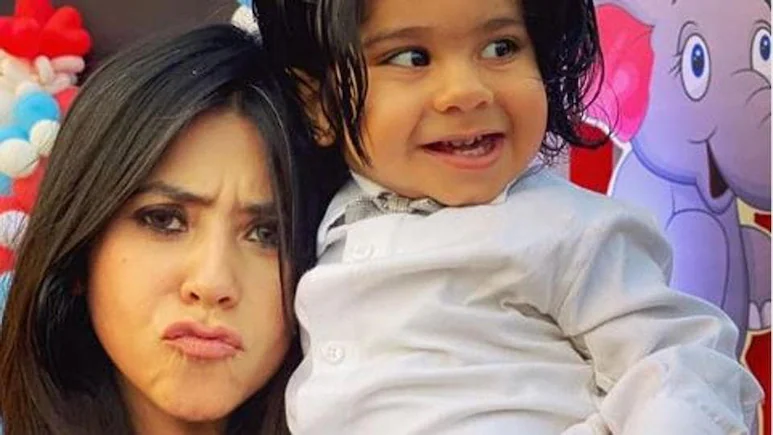
Ektaa Kapoor welcomed her son, Ravie, through surrogacy in 2019. The television producer’s decision to become a parent through this route became an important part of her personal journey.
Surrogacy is an arrangement in which a woman carries a pregnancy for intended parent or parents. The circumstances, legal requirements and medical processes involved can vary depending on the arrangement and the applicable laws.
For intended parents, the arrival of a child can represent the culmination of a long and deeply personal journey. It can also bring new responsibilities and emotional adjustments as they adapt to caring for a child.
Kapoor’s experience demonstrates that the emotional transition to parenthood is not determined solely by whether a person physically gives birth. Becoming responsible for a child can involve a substantial change in daily life, priorities and personal identity.
Her comments do not suggest that surrogacy itself caused her emotional difficulties. Instead, she described struggling with motherhood during a period that also included the wider emotional pressures of the pandemic and the loss of people around her.
It is important to keep those factors distinct rather than assuming a direct connection between the method through which Ravie was born and Kapoor’s mental health struggles.
Over the years, Kapoor has continued to balance her responsibilities as a parent with her professional commitments in the entertainment industry. Her recent reflections provide a more personal perspective on the challenges that can exist alongside the public milestones of a successful career.
The Emotional Challenges of Becoming a Parent
The transition to parenthood can change many aspects of a person’s life. New parents often need to adjust to unfamiliar routines, increased responsibilities and a different relationship with time, work and personal priorities.
For some, the transition feels relatively smooth. For others, it can bring uncertainty, emotional pressure and a sense of being overwhelmed. These experiences do not necessarily mean that a person is unprepared for parenthood or that they care any less about their child.
Parenthood can involve several emotions at once. A person may feel affection and gratitude while also experiencing stress, worry or difficulty adjusting to new responsibilities.
The pressure to appear happy throughout the experience can make it harder for parents to acknowledge those complicated feelings. Public figures may face an additional challenge because their personal milestones are often discussed through the lens of success, celebration and public expectations.
Kapoor’s admission challenges the idea that becoming a parent must always be a uniformly positive experience. Her account acknowledges that the transition can be difficult, even when the arrival of a child is deeply meaningful.
It also illustrates why supportive relationships and open conversations about emotional wellbeing matter. Parents may benefit from having people they can speak to honestly, without feeling judged for finding the adjustment difficult.
Where emotional difficulties persist or interfere with everyday life, professional support can also be important. Recognising the need for help is a constructive step, rather than a reflection of failure.
Kapoor did not offer a general prescription for dealing with these challenges. Instead, she shared a personal recollection of a period when she found it difficult to process the experiences unfolding around her.
COVID-19 and the Wider Impact of Grief
The COVID-19 pandemic affected more than physical health and public services. It also changed how people experienced grief, uncertainty and social connection.
Many families experienced the illness or death of loved ones, while restrictions and disruptions sometimes made it difficult to gather, provide support or maintain familiar routines. Even people who did not experience a direct loss could feel distressed by the continuing reports of illness and death.
Kapoor’s statement that she had never seen so many deaths around her highlights the emotional weight she associated with the pandemic years.
Grief can affect people in different ways. Some individuals find it difficult to process repeated losses, while others experience heightened anxiety or emotional exhaustion when faced with prolonged uncertainty. The impact may also overlap with other life events, including changes in family responsibilities or work.
In Kapoor’s case, the experience of adjusting to motherhood was taking place against this wider backdrop. She described 2021–22 as particularly difficult, suggesting that the combination of personal adjustment and the surrounding atmosphere of loss made the period challenging.
Her account is a reminder that personal and wider social experiences do not happen in isolation. Major public events can influence how individuals experience changes in their own lives.
Ektaa Kapoor’s Career and Public Life
Ektaa Kapoor is one of the prominent producers in Indian television and entertainment. She is associated with Balaji Telefilms, the production company connected with a wide range of television programming and film projects.
Over the years, Kapoor has played an influential role in shaping mainstream Indian television entertainment, producing serials that have reached large audiences. Her professional work has made her a familiar figure in the industry, while her personal life has also attracted public interest.
Her latest comments offer a glimpse into an aspect of her life that is different from her professional achievements. While her career is often discussed in terms of productions, industry influence and creative decisions, her podcast appearance focused on her experiences as a mother and the mental health challenges she faced.
The contrast is significant because public figures are frequently viewed through their professional identities. Personal reflections can reveal that the pressures and uncertainties experienced by people outside the entertainment industry are also relevant to those with established careers.
Kapoor’s comments do not diminish her professional accomplishments. Instead, they show that professional success and personal challenges can exist at the same time.
Her account also contributes to the growing public conversation around mental health, grief and the emotional demands of family life.
Ektaa Kapoor Opens Up on Ranveer Allahbadia’s Podcast
Kapoor shared these reflections during a conversation on Ranveer Allahbadia’s podcast. The discussion gave her an opportunity to speak about experiences that went beyond her work in television and film production.
Podcasts and long-form interviews can allow public figures to discuss personal experiences in greater detail than shorter promotional interactions. They can also create opportunities to address subjects such as family, relationships, career pressures and emotional wellbeing.
In Kapoor’s case, the conversation focused attention on her experience of motherhood and the difficult period she associated with the pandemic.
Her remarks were direct about the fact that she had struggled to process what was happening around her. She also acknowledged the emotional significance of becoming a mother, describing the adjustment as something she had found difficult to navigate.
The interview does not provide a complete account of her mental health history, and it would be inappropriate to draw conclusions beyond what she shared. Nevertheless, her willingness to discuss the experience publicly adds to the visibility of conversations about emotional wellbeing among parents.
A Candid Reflection on Motherhood and Mental Health
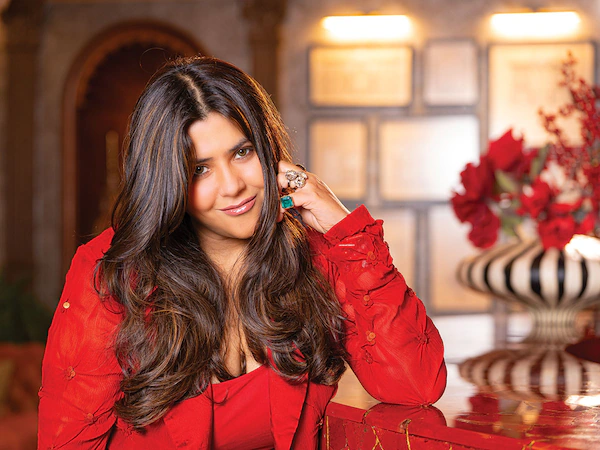
Ektaa Kapoor’s recollection of her experience after welcoming Ravie through surrogacy in 2019 offers a personal perspective on the realities of becoming a parent.
By describing her “own kind of postpartum,” she explained how she struggled with the transition to motherhood, while identifying 2021 and 2022 as particularly difficult years for her mental health. She also spoke about the emotional impact of witnessing so many deaths during the COVID-19 pandemic.
Her account highlights the importance of approaching discussions about parenthood with sensitivity and recognising that people can experience a wide range of emotions during major life transitions.
It also reinforces the distinction between a person’s description of their feelings and a clinical diagnosis. Kapoor shared her experience in her own words, without providing enough information to establish a specific medical condition.
Ultimately, her comments offer a reminder that motherhood can involve both meaningful moments and difficult adjustments. The arrival of a child does not automatically remove other sources of stress or grief, and the experience of becoming a parent can be different for every individual.
By speaking candidly about a challenging chapter in her life, Ektaa Kapoor has brought attention to the emotional side of motherhood and the importance of acknowledging mental health struggles without judgement.