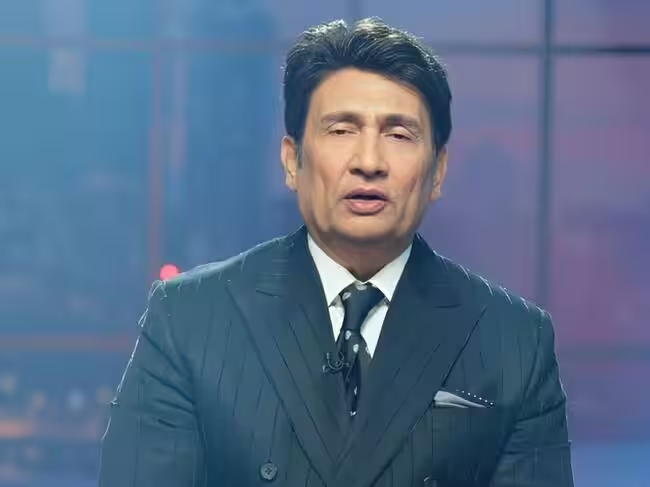
Imran Khan, his partner Lekha Washington, and cousin, actor Zayn Marie Khan, were briefly detained by the Mumbai Police on Saturday afternoon. The trio was picked up alongside more than 400 demonstrators at the historic August Kranti Maidan during a widespread law enforcement crackdown on unauthorized gatherings organized in solidarity with the Cockroach Janata Party (CJP).
The demonstrations were staged across the city to voice opposition against Chief Election Commissioner Gyanesh Kumar following mounting national debate over electoral roll revisions and civic rights.

Table of Contents
A Stand for Civic Freedom and Personal Expression
Before being escorted into a waiting police transport van, Imran Khan spoke briefly to members of the media, establishing that his presence at the grounds was driven by individual civic duty rather than political affiliation or organizational affiliation. Wearing a simple white shirt, the actor emphasized his role purely as a concerned resident of the city.
“I don’t have demands. I am here as a citizen, as someone who lives in this city,” Khan told news agency ANI. “I am here to see why freedom of movement is being restricted—why people’s voices are being suppressed. That is why I am here. I am not in a position to make demands of anyone. Nor am I part of any organisation. I am just here as a representative…”
Video footage captured from the scene showed security personnel surrounding Khan and guiding him toward the police vehicle amid a flurry of camera flashes, journalists, and vocal supporters. Despite the sudden turn of events, Khan maintained a calm, composed demeanor throughout the procedure.
Social Media Dispatches and Viral Moments from Custody
As law enforcement moved to disperse the assembly at August Kranti Maidan—a venue historically famous for hosting the launch of the Quit India Movement in 1942—protesters were detained in successive groups.
Despite the high-pressure environment, several lighthearted and candid updates shared by the group from inside police custody quickly gained traction across social media platforms:
- The “Drive” Selfie: Shortly after entering the transport vehicle, Imran Khan posted a photo of himself seated in the van to his social media handle, captioning it humorously: “Apparently I’m going for a drive.”
- Partner’s Live Broadcast: Lekha Washington shared a short video clip from inside the moving police van to notify followers of their situation. “Folks, we have been detained,” Washington said. “We are all in a cop car. I am going to send the pin. Can you please follow that? I have no idea where we are going. Let’s hope for the best.”
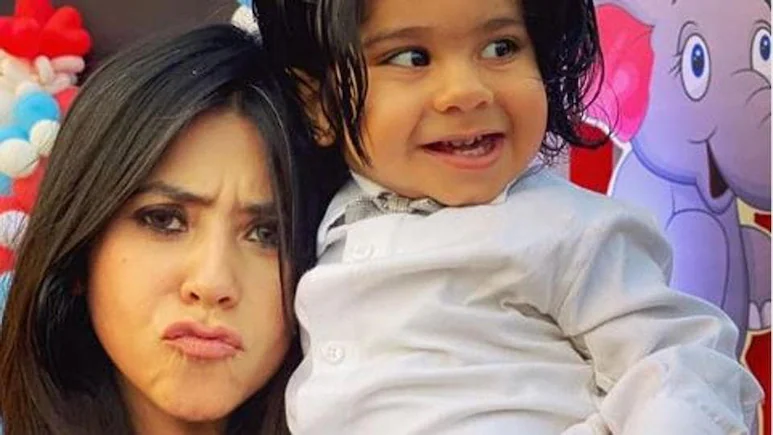
- Nostalgic Pop Culture Parallels: Actor Zayn Marie Khan shared a group photo featuring the three of them with the caption “Inquilaab Zindabad”. She also posted a video making a playful reference to Khan’s popular debut film Jaane Tu… Ya Jaane Na, in which his character famously finds himself inside a police station.
Police Rationale vs. Organizer Claims
The Mumbai Police cited strict procedural guidelines and court mandates as the primary reasons for taking demonstrators into preventative custody. According to senior police officials, no formal permit had been granted for a public gathering at August Kranti Maidan. Furthermore, authorities pointed out that directives issued by the Bombay High Court restrict public protests within the city limits exclusively to Azad Maidan in south Mumbai.
In response, organizers associated with the civil society platform Hum Bharat Ke Log (We, the People of India)—who coordinated the local assembly—stated that official notifications and email requests seeking permission had been sent to law enforcement agencies well in advance, though no formal reply was provided prior to the event.

Broader Public Reaction and Release
The swift police action in Mumbai coincided with similar heavy security deployments and detentions in New Delhi, where hundreds of activists and supporters were intercepted near Jantar Mantar while attempting to demonstrate over the same issue. Prominent cultural figures, including actor Prakash Raj and filmmaker Anurag Kashyap, voiced sharp criticism online regarding the preventative detentions, questioning restrictions placed on peaceful assembly and public dissent.
Following several hours of administrative processing at the police station, Imran Khan, Lekha Washington, and Zayn Marie Khan were officially released. In subsequent social media updates, the group confirmed they were safe and heading back home, bringing an end to the brief custody incident that drew significant national attention.
Rising Political Tensions Over Electoral Governance
This high-profile incident underscores the escalating political friction between civil society groups and electoral authorities over key democratic processes. The Cockroach Janata Party (CJP) has continuously demanded greater accountability and clarity regarding voter list verifications, asserting that strict public scrutiny is essential to maintaining free and fair elections. As prominent public personalities like Imran Khan step into these civic demonstrations, public attention toward electoral governance and civic engagement has intensified significantly across urban centers.

The Role of Celebrity Voices in Modern Civic Activism
The brief detention of well-known figures has also reignited discussions on the evolving role of public personalities in peaceful activism. By framing their presence around fundamental constitutional liberties—such as freedom of movement and speech—rather than party alignment, figures like Khan are bringing broader visibility to grassroots concerns. Moving forward, urban rights groups and activist collectives intend to push for clearer operational guidelines regarding peaceful public gatherings to prevent similar standoffs between law enforcement and citizens in the future.
In the aftermath of the detentions, legal experts and civil rights advocates have reiterated the need for clear, standardized protocols governing peaceful assemblies in public spaces. Advocates argue that administrative ambiguity surrounding protest permits often leads to unnecessary friction between citizens and law enforcement agencies. Moving forward, civil society organizations are advocating for policy updates that balance urban security requirements with constitutional guarantees of free speech, ensuring that peaceful public engagement remains accessible to all citizens without fear of preemptive restraint.