Ramayana advance booking has gathered momentum ahead of the film’s theatrical release on November 5, with the mythological epic starring Ranbir Kapoor and Yash nearing the Rs 10 crore mark in advance ticket sales across India. Directed by Nitesh Tiwari, the highly anticipated film has attracted considerable interest from audiences, with the Hindi version leading ticket sales and the Kannada and Telugu versions also contributing to the overall collection. According to figures reported by Sacnilk on October 24, the film had collected Rs 9.91 crore through advance bookings, reflecting growing demand nearly two weeks before its scheduled release.
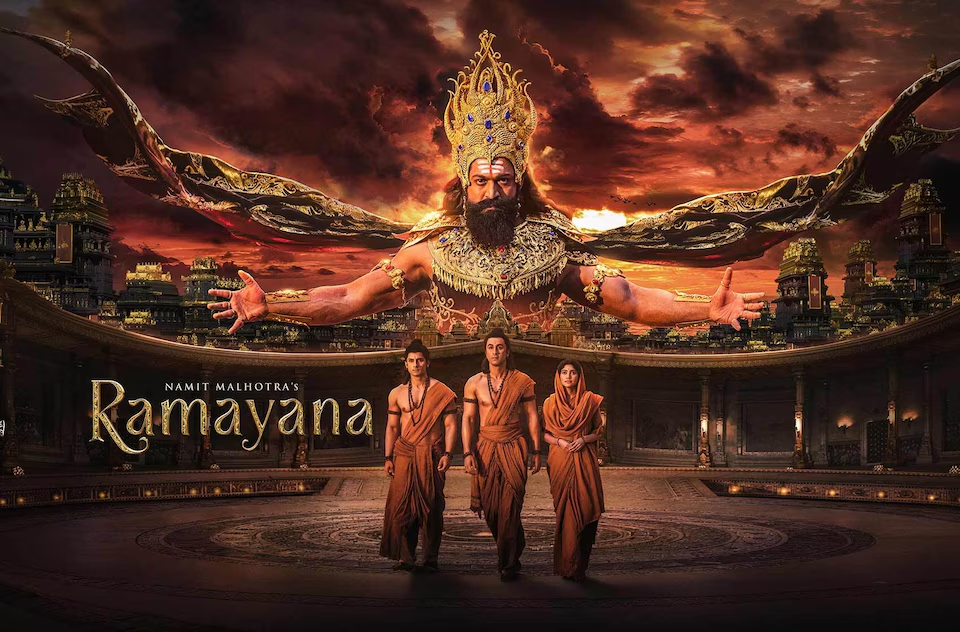
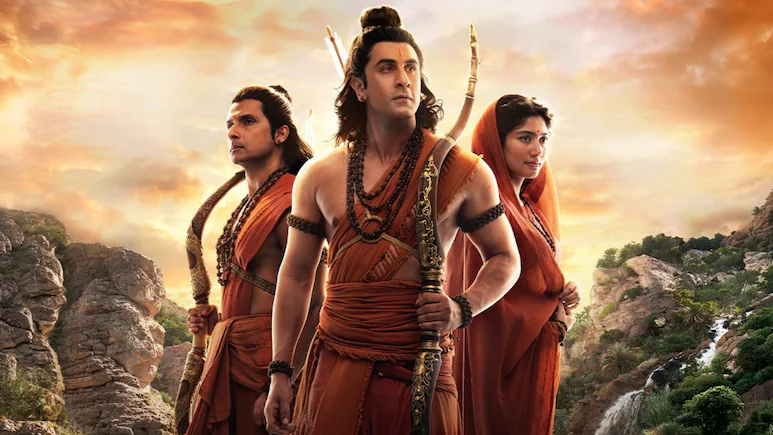
The early booking figures indicate a promising start for the ambitious adaptation of the Ramayana, one of India’s most widely known epics. The film features Ranbir Kapoor as Lord Ram, Sai Pallavi as Sita and Yash as Ravana, bringing together a prominent cast for a large-scale cinematic retelling of the ancient story.
With bookings continuing to expand across cities and additional screenings being added, the film is approaching a significant pre-release milestone. However, advance booking collections represent ticket sales before the theatrical release and should not be confused with the film’s eventual box-office earnings.
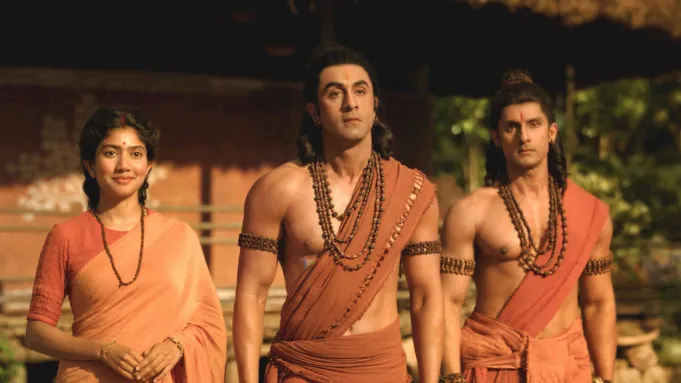
Table of Contents
Ramayana Advance Booking Collection Approaches Rs 10 Crore
According to Sacnilk’s reported figures, Ramayana had earned Rs 9.91 crore in advance ticket sales as of the reported October 24 update. The film added Rs 1.75 crore to its booking total since 6 am on October 23, representing an increase of approximately 21% during the period covered by the report.
The number of available screenings also increased during this period. Around 380 additional shows were added, taking the reported total to 4,324 shows.
The increase in both advance collections and screening availability suggests that the film’s pre-release business is expanding as more opportunities become available for audiences to book tickets. The performance is particularly noteworthy because the film still had nearly two weeks to go before its scheduled theatrical debut when the figures were reported.
Advance bookings provide an early indication of audience interest, although they do not determine a film’s final commercial performance. Actual box-office collections will depend on factors such as audience reception, reviews, ticket availability, show occupancy and demand after release.
For Ramayana, the initial figures offer an early measure of interest in the project before audiences have had the opportunity to watch the complete film.
Hindi Version Leads Ramayana Ticket Sales
The Hindi version accounted for the largest share of Ramayana’s advance booking collection, underlining the importance of the Hindi-speaking market to the film’s opening.
According to Sacnilk figures, the Hindi version had collected Rs 8.72 crore. The Kannada version followed with Rs 90.89 lakh, while the Telugu version contributed Rs 27.63 lakh.
The distribution of advance bookings shows that the Hindi version is currently driving most of the film’s reported pre-release business. At the same time, bookings for the Kannada and Telugu versions indicate that the film is attracting interest beyond its primary Hindi-language market.
Releasing a large-scale film in multiple languages can help producers reach audiences across different regions. For a story as widely recognised as the Ramayana, language availability may be particularly important because viewers from different parts of the country have their own cultural connections to the epic.
The performance of the regional-language versions will become clearer as more screenings become available and the release date approaches. The figures provide an early snapshot rather than a final assessment of demand across all language markets.
Delhi-NCR Leads City-Wise Advance Bookings
The National Capital Region (NCR) emerged as the leading market in the reported city-wise advance booking figures for Ramayana. The region recorded sales worth Rs 2.11 crore, with 26,867 tickets sold.
Mumbai ranked second, generating Rs 1.58 crore through 22,649 tickets. Bengaluru followed with Rs 1.13 crore from 17,341 tickets.
The other major markets listed in the report also contributed to the film’s advance sales. Hyderabad recorded Rs 61.16 lakh from 16,443 tickets, while Pune collected Rs 45.04 lakh through 6,363 tickets.
The figures highlight the contribution of major urban markets to the film’s early ticket sales.
City-wise advance booking figures
- Delhi-NCR: Rs 2.11 crore from 26,867 tickets
- Mumbai: Rs 1.58 crore from 22,649 tickets
- Bengaluru: Rs 1.13 crore from 17,341 tickets
- Hyderabad: Rs 61.16 lakh from 16,443 tickets
- Pune: Rs 45.04 lakh from 6,363 tickets
Delhi-NCR’s position at the top of the reported list makes the region an important market to watch as the release date approaches. Mumbai and Bengaluru have also recorded substantial advance sales, while Hyderabad and Pune have added to the film’s pre-release collection.
These figures should be understood within the scope of the reported booking data. They do not necessarily represent total demand in each city, as ticket availability, the number of participating cinemas and the opening of additional shows can affect comparisons between markets.
More Cinemas Could Contribute to Further Booking Growth
One factor highlighted in the report is that advance ticket sales had not yet opened across several non-national cinema chains and single-screen theatres.
This means the reported collection may not capture all potential advance demand. If additional cinemas open their booking windows, the number of available shows and tickets could increase, providing more opportunities for audiences to book seats before release.
Single-screen theatres continue to serve audiences in many parts of India, while regional cinema chains have an important presence in several local markets. Their participation could broaden the film’s reach beyond the locations and screenings already included in the reported figures.
However, the extent of any increase will depend on when bookings open, how many additional screenings are scheduled and the level of audience demand. Additional shows do not automatically translate into sold-out performances or equivalent growth in collections.
For the film’s distributors and exhibitors, the coming days will provide a clearer picture of how demand develops as more tickets become available.
Ranbir Kapoor as Lord Ram and Yash as Ravana
The film’s leading cast is one of its major attractions. Ranbir Kapoor plays Lord Ram, while Sai Pallavi portrays Sita and Yash takes on the role of Ravana.
The casting brings together performers associated with different areas of Indian cinema. Kapoor has appeared in a range of contemporary Hindi films, while Yash is widely recognised for his work in Kannada cinema and his broader popularity following the success of the KGF franchise. Sai Pallavi has also built a substantial audience across several Indian-language film industries.
The film additionally features Anupam Kher, Sunny Deol, Ravi Dubey, Arun Govil, Lara Dutta, Rakul Preet Singh and Vivek Oberoi.
The combination of established actors and a familiar epic provides the film with a broad potential audience. Nevertheless, the commercial impact of the cast will ultimately depend on how viewers respond to the performances, storytelling and overall cinematic presentation.
The film’s advance bookings offer an initial indication of interest, but audience reception after release will be an important factor in determining its longer-term performance.
Nitesh Tiwari Directs the Mythological Epic
Ramayana is directed by Nitesh Tiwari, who is taking on the task of bringing a foundational Indian epic to the big screen.
Adapting the Ramayana for cinema involves presenting a familiar story in a format that combines narrative, performances and visual storytelling. The source material has been retold through literature, television, theatre and other forms of entertainment, giving filmmakers both a rich narrative foundation and the challenge of meeting varied audience expectations.
The film’s central characters, including Ram, Sita and Ravana, occupy prominent places in the traditional narrative. Their relationships, choices and conflicts provide the foundation for a story that has been interpreted in numerous cultural and artistic forms.
For a modern cinematic adaptation, the task is not only to recreate key events but also to establish a coherent dramatic experience for contemporary audiences. Casting, dialogue, production design, music and visual presentation will all contribute to how the story is received.
While advance ticket sales demonstrate interest in the project, they do not reveal whether the film will meet audience expectations. Reviews and public reactions after its release will provide a more complete assessment.
Ramayana’s Release Date and What Audiences Can Expect
Ramayana is scheduled to release in theatres on November 5. With advance bookings already nearing the Rs 10 crore milestone in the reported figures, attention is likely to remain on ticket sales as the release date approaches.
The film’s performance during the remaining pre-release period will depend partly on the expansion of screening availability and the pace of ticket purchases. Promotional activity and audience interest in the cast may also influence demand, although their individual effects cannot be determined from the available figures alone.
The Hindi version currently accounts for the largest reported share of advance bookings, while Kannada and Telugu sales provide an indication of interest in other language markets. The city-wise figures also show contributions from Delhi-NCR, Mumbai, Bengaluru, Hyderabad and Pune.
A clearer picture of the film’s opening will emerge once advance sales progress further and the first-day audience response becomes available. The final box-office outcome will depend on actual attendance, ticket prices, the number of screenings and audience reception after release.
Advance Booking Provides an Early Measure of Audience Interest
The reported advance booking performance places Ramayana among the major upcoming theatrical releases attracting attention before their opening. Its collection of Rs 9.91 crore in the October 24 figures, combined with the addition of screenings, shows that pre-release ticket sales have been building ahead of the November 5 debut.
The Hindi version remains the main contributor, while the Kannada and Telugu versions have also recorded advance sales. Delhi-NCR leads the reported city-wise figures, followed by Mumbai and Bengaluru.
The possibility of additional cinemas opening their booking windows could expand ticket availability in the coming days, although the scale of any further growth remains uncertain.
Ultimately, the advance booking figures are an early indicator rather than a guarantee of box-office success. The film’s opening performance and its subsequent run will depend on how audiences respond once it reaches theatres.
For now, Ramayana’s approach towards the Rs 10 crore advance booking milestone marks an important stage in its pre-release journey. With Ranbir Kapoor, Sai Pallavi and Yash leading the cast and Nitesh Tiwari directing the adaptation, the film is preparing for a theatrical debut that will bring one of India’s best-known epics to the big screen.