
Students Demand Immediate Action on Scholarships, Hostel Conditions and Recruitment Issues as Political Responses Come Under Scrutiny
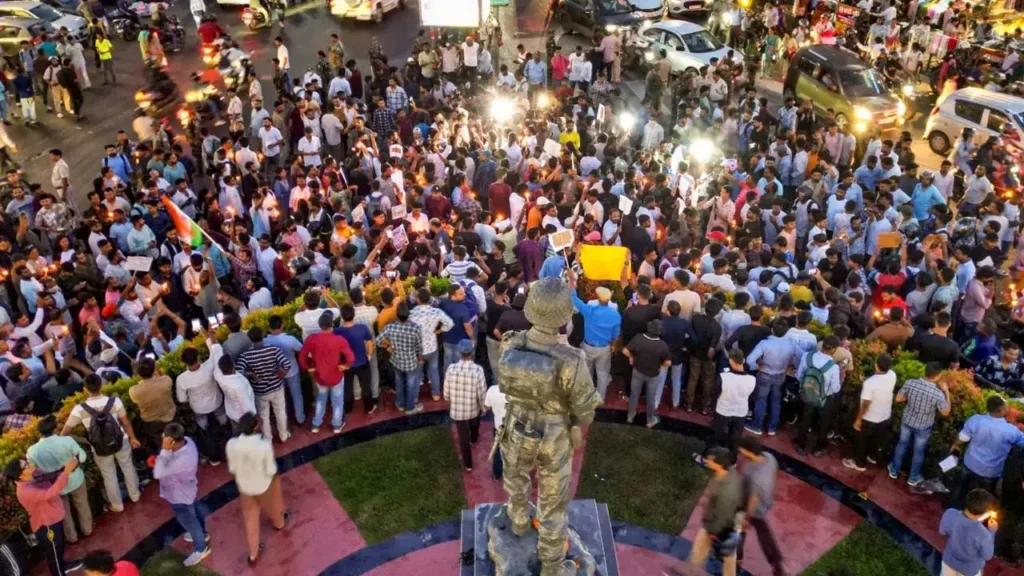
Jharkhand: A student-led hunger strike in Jharkhand has entered a critical phase as protesters continue their agitation over delayed scholarship payments, inadequate hostel facilities, and broader concerns regarding the state’s education system. The demonstration, being held outside the Jharkhand Education Department headquarters, has attracted growing public attention, with student leaders insisting they will continue their protest until the government provides concrete assurances.
The movement, spearheaded by a coalition of student unions representing several government colleges, initially focused on the delayed disbursement of minority and post-matric scholarships. However, the agitation has since expanded to include demands for better hostel infrastructure, improved educational facilities, and greater accountability from authorities.
As the protest gains momentum, questions have also emerged regarding the role of political organisations supporting student movements, particularly the Cockroach Janta Party (CJP), whose founder recently announced support for protesting students despite an absence of visible party representatives at the protest site, according to participating students.

Table of Contents
Student Protest Enters Crucial Phase
The ongoing demonstration reflects growing frustration among students who say repeated appeals to district authorities and the state government have yielded little progress.
According to organisers, delayed scholarship payments have created severe financial difficulties for thousands of students, many of whom depend on government assistance to continue their education. Protesters also allege that several government hostels remain overcrowded and suffer from poor maintenance, creating difficult living conditions.
After weeks of attempting to resolve the issues through administrative channels, students escalated their campaign into an indefinite hunger strike.
Medical teams have been stationed near the protest venue as the health of several participants reportedly deteriorated. Local volunteers assisting the movement said some students showing signs of weakness were shifted to nearby medical facilities for observation.
Meanwhile, police personnel have been deployed around the protest area to maintain law and order while allowing demonstrators to continue their peaceful agitation.
Scholarships and Hostel Conditions at the Centre of Demands
Student leaders say the immediate priority remains the release of pending scholarship funds and improvements in hostel facilities.
According to protesters, delays in scholarship payments have affected students from economically weaker backgrounds, making it increasingly difficult for them to pay academic expenses and continue their studies.
Alongside financial concerns, students have highlighted poor hostel infrastructure, alleging overcrowding, inadequate maintenance, and insufficient basic amenities.
The protesters argue that these issues have persisted despite repeated representations before education officials.
Student organisations have called upon the government to introduce long-term reforms that improve educational infrastructure while ensuring scholarship payments are released on time.
Hunger Strike Draws Wider Public Attention
As the hunger strike continued, public attention shifted beyond the students’ immediate demands to the political response surrounding the movement.
Observers noted that representatives of various political groups have either visited the protest site or publicly expressed support for the students.
However, protesters questioned the absence of visible representatives from the Cockroach Janta Party (CJP), despite the organisation’s earlier campaigns on issues relating to education and examination reforms.
Several student leaders participating in the hunger strike stated that while public statements of support are welcome, they expect organisations expressing solidarity to engage directly with the movement.
Abhijeet Dipke Announces Support for Jharkhand Protest
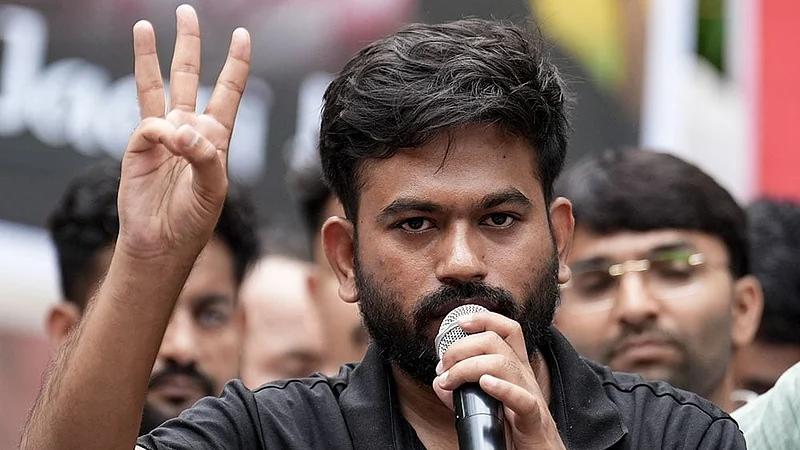
On Wednesday, CJP founder Abhijeet Dipke publicly expressed support for students protesting in Jharkhand.
Speaking ahead of a core committee meeting in Chhatrapati Sambhajinagar, Maharashtra, Dipke stated that party members intended to travel to Jharkhand and support job aspirants who have been staging an indefinite sit-in at Ranchi’s Jaipal Singh Munda Stadium over alleged irregularities in recruitment examinations conducted by the Jharkhand Public Service Commission (JPSC) and other recruitment bodies.
During his remarks, Dipke said:
“We will definitely go to Jharkhand, we will stand with them and support their every demand in the agitation.”
He also described the CJP as a “pressure group” working to restore accountability in institutions where public confidence has weakened, including politics, the judiciary, media, and the Election Commission.
Party members reportedly reiterated that the organisation would continue supporting student movements related to educational reforms and recruitment transparency.
Students Seek Visible Ground-Level Engagement
Despite the public declaration of support, student leaders involved in the hunger strike outside the Education Department headquarters said they had not yet witnessed any active participation by CJP representatives at their protest site.
Several protesters said they hoped the gap between public statements and on-ground engagement would be addressed in the coming days.
Student organisers maintained that they welcome support from all organisations regardless of political affiliation, provided such support translates into direct engagement with the issues affecting students.
Their primary focus, they said, remains securing solutions to scholarship delays, hostel conditions, and broader educational concerns.
Government Responds to Students’ Concerns
State education officials have acknowledged the students’ concerns and said efforts are underway to address the issues.
According to officials, scholarship processing is continuing, while a high-level meeting has been scheduled to discuss hostel-related problems.
Authorities have appealed to students to end their hunger strike, citing concerns over their health and well-being.
Officials have also assured protesters that discussions regarding the pending issues remain active.
However, student leaders say they will continue their agitation until formal assurances and concrete timelines are announced.
Parallel Protest Over Recruitment Issues
Separate from the scholarship-related hunger strike, another ongoing student movement in Ranchi continues to demand an independent investigation into alleged irregularities in recruitment examinations conducted by the Jharkhand Public Service Commission (JPSC) and other agencies.
Job aspirants participating in that protest have called for an inquiry by retired High Court judges from outside Jharkhand.
The recruitment-related agitation has also drawn attention from various organisations and public figures, adding to the broader debate surrounding transparency and accountability in educational and recruitment institutions.
Social Media Amplifies the Movement
The protest has gained significant traction across social media platforms, where students, alumni, and civil society members continue discussing the movement.
Supporters have shared photographs, videos, and updates from the protest site while encouraging wider public attention toward scholarship delays and educational infrastructure.
Online discussions have also focused on the responses of political parties and public organisations, with many users urging greater engagement with students’ concerns.
The growing digital visibility has helped keep the issue in public discourse even as negotiations continue.
Students Remain Firm on Their Demands
Student representatives insist that the protest is not driven by political considerations but by longstanding educational issues affecting thousands of young people across Jharkhand.
They argue that timely scholarship disbursement, improved hostel infrastructure, and greater accountability in educational administration are essential for ensuring equal opportunities for students.
Organisers have reiterated that the movement will remain peaceful and democratic while continuing until meaningful action is taken.
The coming days are expected to be crucial as the Jharkhand government continues discussions on scholarship payments and hostel reforms while students maintain their hunger strike.
Attention will also remain on whether organisations that have publicly expressed solidarity, including the Cockroach Janta Party, increase their engagement with the ongoing protests.
For now, the focus remains on the students’ demands for financial support, better educational infrastructure, and administrative accountability. As negotiations continue and public attention grows, the outcome of the movement could have significant implications for education policy and student welfare in Jharkhand.