
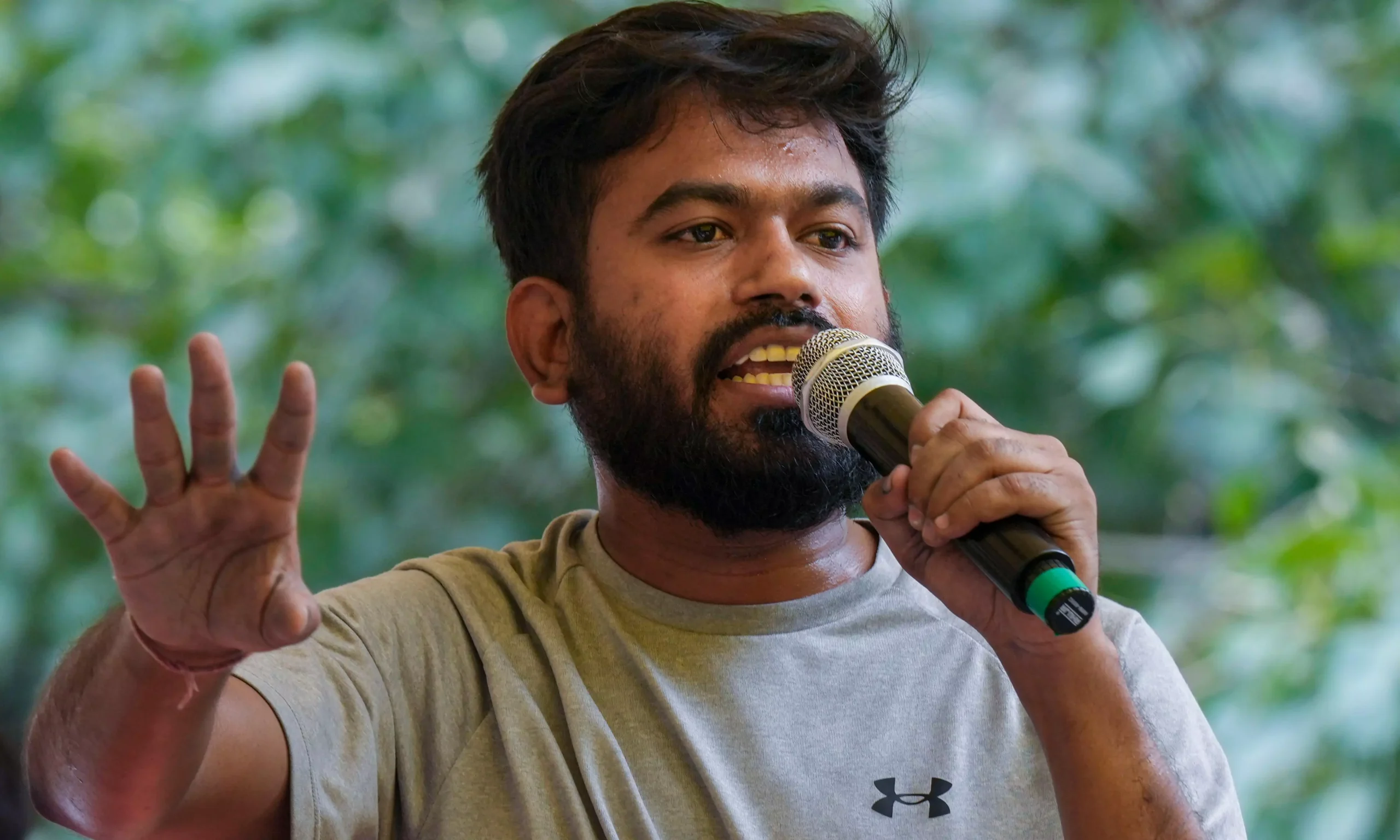
Cockroach Janta Party (CJP) founder Abhijeet Dipke has urged Prime Minister Narendra Modi to ensure that criminal cases registered against student protesters are withdrawn, arguing that any appeal for compassion should be matched by concrete administrative action. Dipke’s remarks came after the Prime Minister released a video message calling for forgiveness and understanding following recent student demonstrations, prompting renewed debate over the government’s handling of the protests and the legal action initiated against participants.
Dipke questioned whether the Prime Minister’s message would remain symbolic or translate into meaningful steps for students who continue to face legal proceedings. He maintained that withdrawing FIRs and other criminal cases against peaceful protesters would demonstrate a genuine commitment to reconciliation and democratic values.
Table of Contents
Background of the Student Protest Movement
The controversy stems from a nationwide student movement that gathered momentum over concerns relating to education, examination issues, and demands for greater accountability from the authorities. Abhijeet Dipke said the movement was aimed at protecting students’ rights.
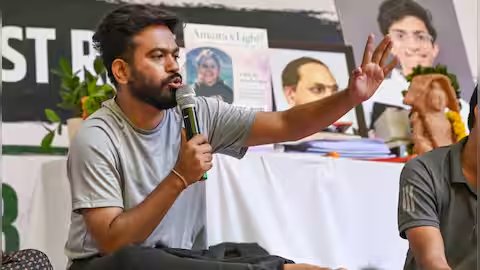
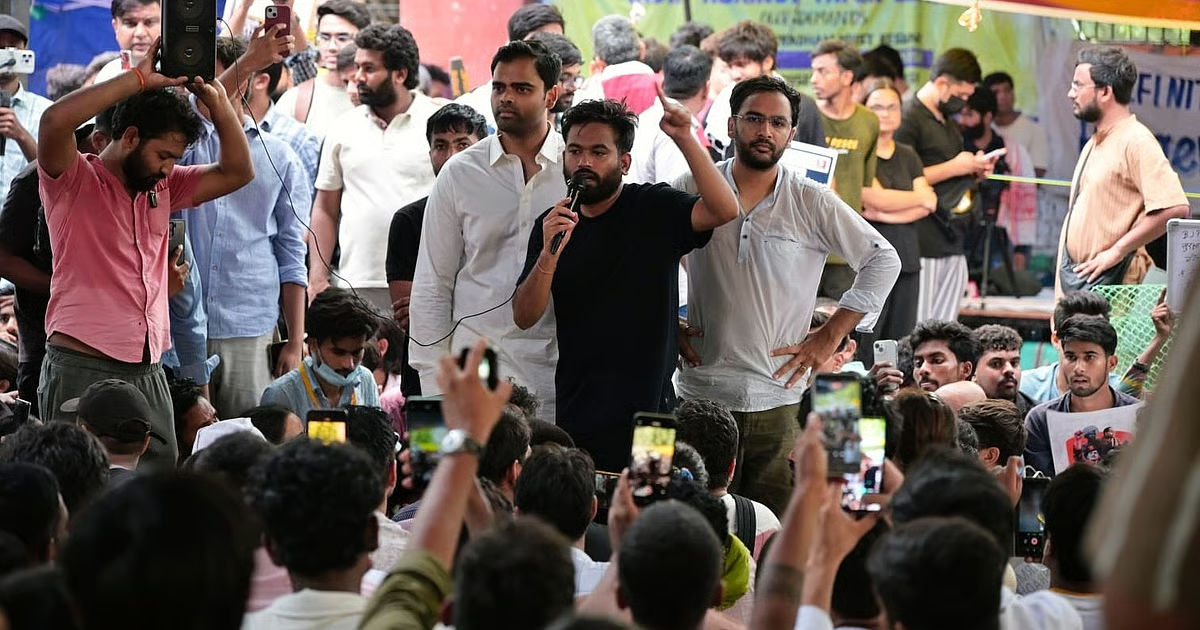
One of the movement’s most visible demonstrations took place at Jantar Mantar in New Delhi, where students from different states assembled to press for their demands. The protests, led in part by the CJP, attracted widespread public attention and generated intense political debate.
According to protest organisers, the demonstrations were intended to remain peaceful and focused on education-related concerns. However, clashes during certain protest events led to police intervention, detentions, and the registration of criminal cases against several participants.
Abhijeet Dipke Questions PM Modi’s Appeal
Following Prime Minister Modi’s public message encouraging forgiveness and compassion, Dipke welcomed the tone of reconciliation but argued that words alone would not address the concerns of students facing legal action.
He publicly asked whether the government would now withdraw cases filed against protesters and ensure that students were not subjected to further legal or administrative consequences. According to Abhijeet Dipke, meaningful reconciliation requires practical decisions rather than symbolic messaging.
He also reiterated that many students continue to experience uncertainty because of pending FIRs and investigations.
Demand to Withdraw Cases
A central demand raised by Abhijeet Dipke is the withdrawal of police cases registered against students who participated in the demonstrations.
According to Abhijeet Dipke, several protesters continue to face investigations despite earlier assurances that legal action would be reconsidered. The organisation has argued that students should not carry long-term legal consequences for participating in what it describes as democratic protests.
Abhijeet Dipke has maintained that withdrawing these cases would restore confidence among students and reduce concerns about future participation in peaceful civic movements.
Allegations Regarding Police Action
Alongside the demand for withdrawing cases, Abhijeet Dipke has also criticised the police response during the protests.
He has alleged that excessive force was used against demonstrators during the July protest at Jantar Mantar, raising concerns about injuries sustained by participants. He has called for accountability and urged the government to examine the conduct of the police during the demonstrations.
Authorities have not publicly accepted these allegations, and the matter has become part of the broader political debate surrounding the protests.
Earlier Agreement Between Government and CJP
The latest developments come after earlier discussions between government representatives and the CJP.
Following negotiations, the CJP announced that it would suspend its nationwide agitation in what it described as a gesture of good faith after receiving assurances regarding several of its demands, including consideration of the withdrawal of cases against protesters.
The movement had also celebrated the resignation of the then Union Education Minister, describing it as one of its principal objectives being fulfilled.
Fresh Concerns Over Pending FIRs
Despite those assurances, CJP leaders have recently claimed that many students continue to face legal proceedings.
The organisation has warned that if commitments regarding withdrawal of FIRs are not implemented, it may resume peaceful nationwide demonstrations. According to party leaders, students should not continue facing investigations after the government’s earlier commitments.
These concerns have kept the issue in the national spotlight.
Political Reactions
The issue has also drawn attention from leaders across the political spectrum.
Several opposition leaders have sought clarity regarding the implementation of assurances related to the withdrawal of cases against student protesters. Questions have been raised about the status of FIRs and the timeline for completing the legal process.
The debate has expanded beyond student organisations to include discussions about civil liberties, democratic protests, and the balance between maintaining public order and protecting the right to peaceful assembly.
Why Withdrawal of Cases Matters
Legal experts note that criminal cases arising from protests can have long-term implications for young people.
Pending FIRs may affect:
- Employment opportunities
- Government recruitment
- Passport applications
- Educational admissions
- Professional background verification
For this reason, student groups argue that peaceful protesters should not continue facing legal uncertainty if governments have already indicated a willingness to withdraw such cases.
CJP’s Position
The CJP maintains that its campaign has consistently focused on issues affecting students and young people.
According to the organisation, its primary objectives include:
- Protection of students’ democratic rights
- Withdrawal of criminal cases against protesters
- Accountability for alleged police excesses
- Greater transparency in public administration
- Constructive dialogue between the government and students
Abhijeet Dipke has repeatedly stated that the movement supports peaceful protest and constitutional methods of expressing public concerns.
Government’s Earlier Assurance
During previous negotiations with protest representatives, the Centre indicated that it would initiate the process for withdrawing cases against protesters, subject to the applicable legal procedures. The assurance played a significant role in the CJP’s decision to suspend its agitation.
However, the implementation of those assurances has remained a point of contention, leading to renewed public statements by Abhijeet Dipke.
What Happens Next?
The future course of the issue may depend on the government’s next steps regarding the pending cases.
If legal proceedings are withdrawn as sought by the CJP, it could ease tensions between student organisations and the authorities. Conversely, if the cases continue, protest organisers have indicated that they may consider resuming peaceful demonstrations in support of affected students.
Legal processes related to the registered FIRs will also continue to be monitored closely.
Abhijeet Dipke’s latest appeal has once again brought the issue of student protesters and pending criminal cases into the national conversation. While Prime Minister Narendra Modi’s message emphasised forgiveness and compassion, Abhijeet Dipke has argued that genuine reconciliation requires concrete action, particularly the withdrawal of FIRs against students who participated in peaceful demonstrations. As discussions continue over accountability, democratic rights, and the implementation of earlier assurances, the government’s response is likely to shape the next phase of this high-profile student movement.