
Delhi’s O-Zone areas has taken a new political turn, with the Aam Aadmi Party alleging that leaders and public representatives raising concerns over the issue are being deliberately targeted. The matter has triggered a fresh debate over urban planning, legal protection for unauthorized colonies, property rights, and the future of thousands of families living in areas categorized under the O-Zone.
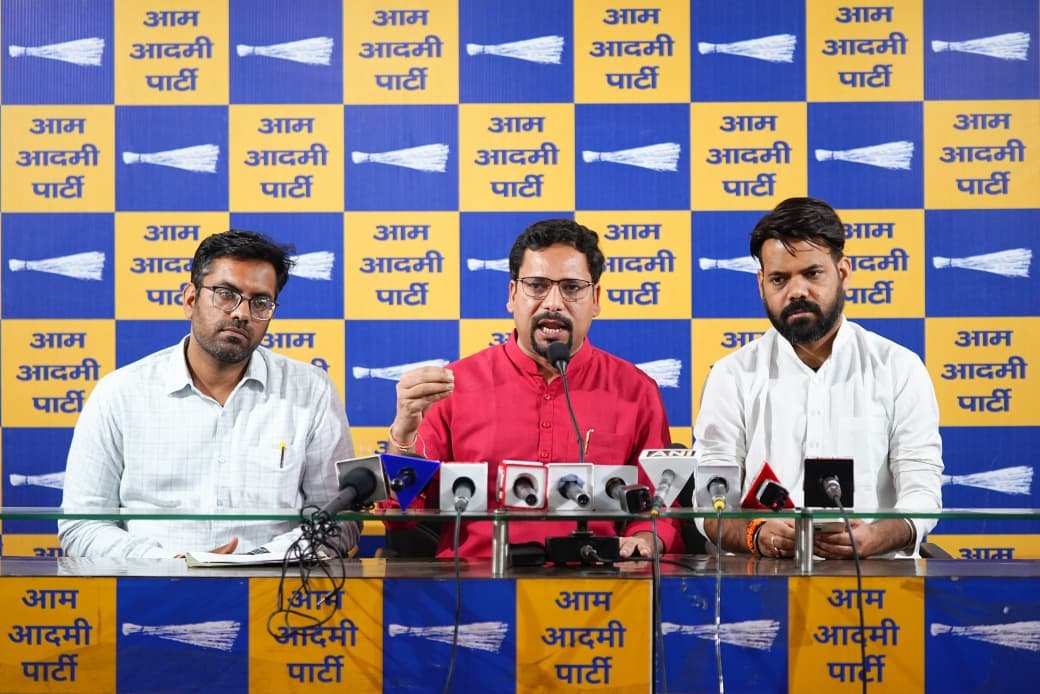
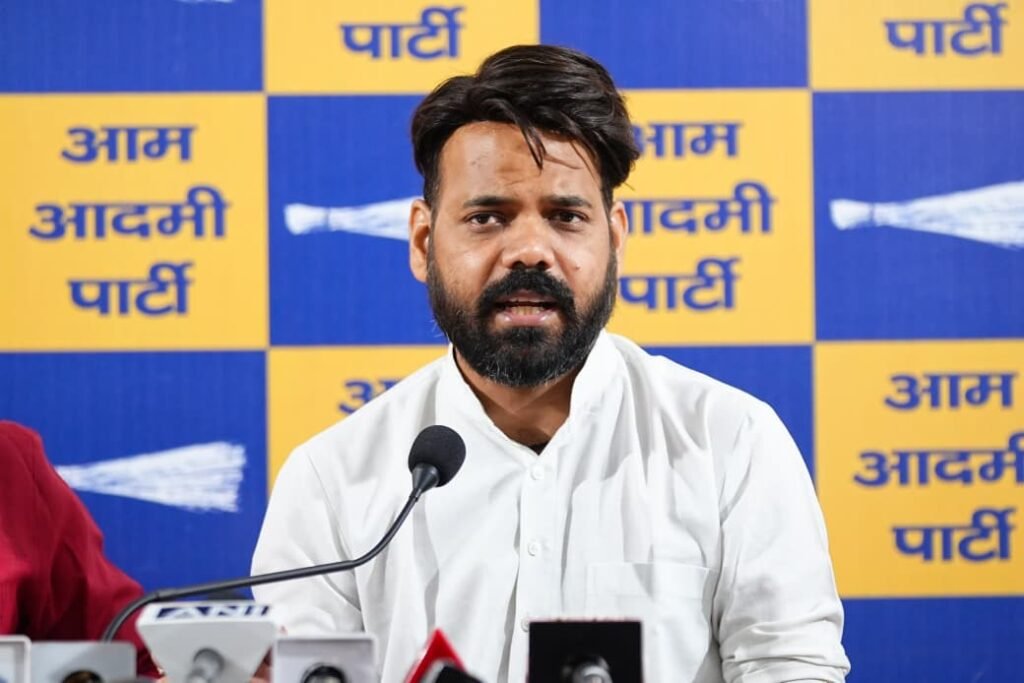
Addressing a press conference in New Delhi, senior leaders of the Aam Aadmi Party claimed that residents of several colonies are living under constant uncertainty due to demolition drives and the absence of clear legal safeguards. The party further alleged that individuals speaking in support of affected residents are facing pressure and intimidation.
The issue has gained significant attention because it affects a large number of households across North Delhi and other regions where O-Zone restrictions continue to create confusion regarding property ownership and residential rights.
Table of Contents
What Is the O-Zone and Why Is It Important?
The term O-Zone refers to environmentally sensitive areas falling within designated floodplains and green zones, particularly around the Yamuna river region. Development regulations in these areas are generally stricter than in regular residential zones because authorities aim to protect ecological balance and prevent unplanned urban expansion.
Over the years, however, several residential colonies have developed within these regions. Thousands of families have invested their life savings in building homes, creating communities, and establishing local businesses. As Delhi expanded rapidly, many such colonies became densely populated despite facing legal uncertainties.
The issue became more complicated when questions arose regarding whether these colonies were entitled to protection under various regularization and housing schemes introduced by successive governments.
According to the Aam Aadmi Party, uncertainty over legal protection has left residents vulnerable to demolition actions, despite repeated assurances from political leaders.
Aam Aadmi Party Raises Concerns Over Demolition Drives
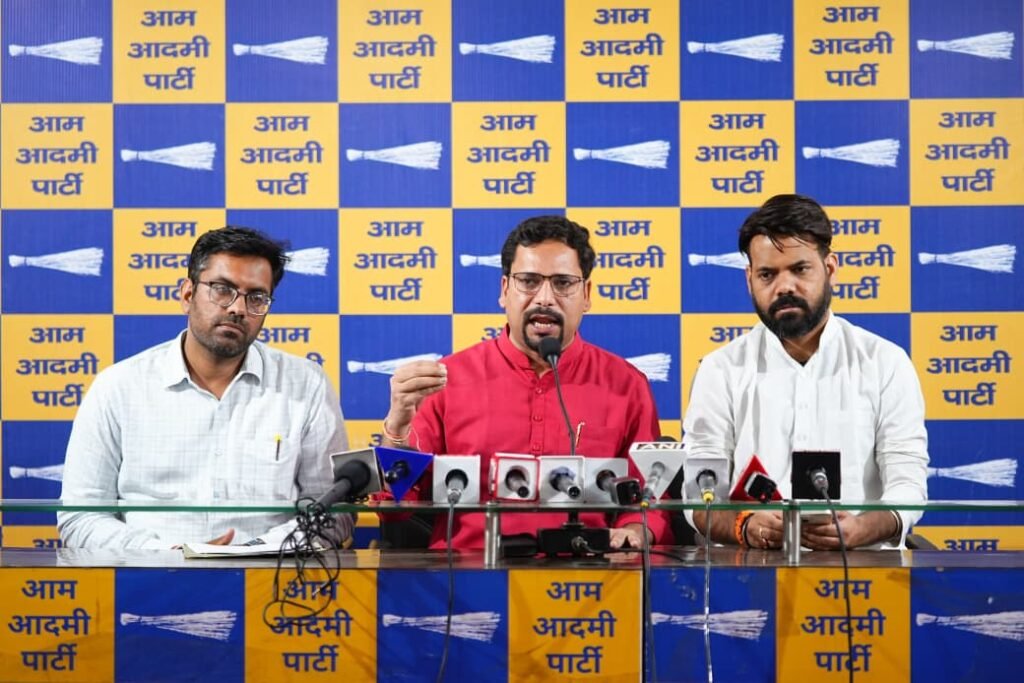
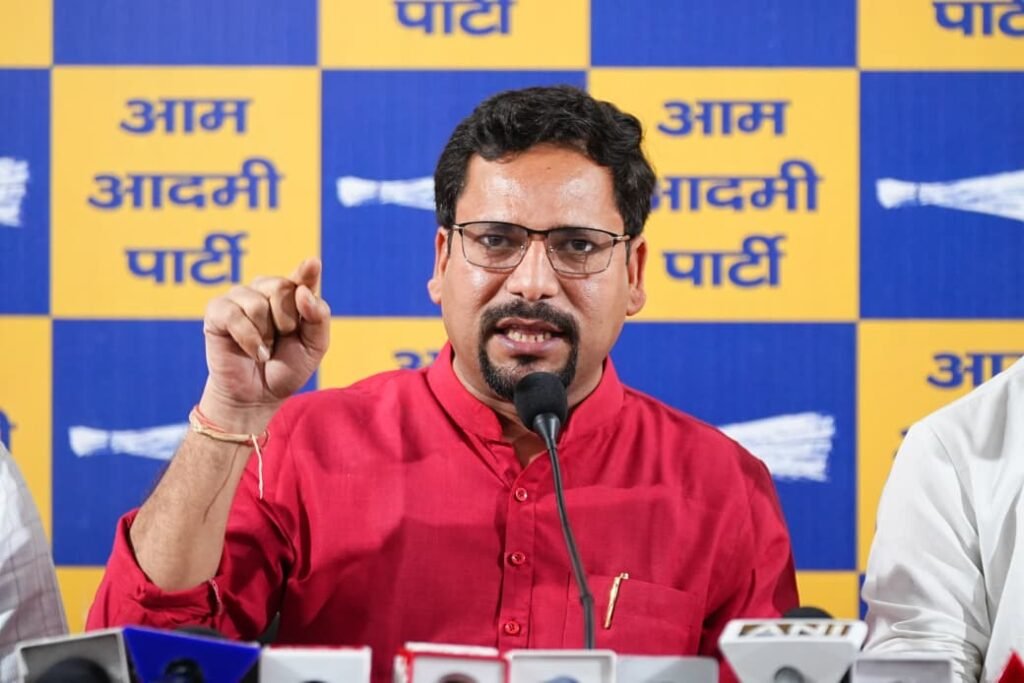
At the press conference, senior Aam Aadmi Party leader and Burari MLA Sanjeev Jha alleged that demolitions have continued despite public assurances that residents would be protected.
According to the Aam Aadmi Party, people residing in dozens of colonies have spent years living in these areas and now face growing anxiety over the future of their homes. The party argued that repeated demolition actions have created fear among families who worry about losing their residences without a clear legal resolution.
Sanjeev Jha stated that residents have heard assurances from several elected representatives, including MPs, ministers, MLAs, and senior government functionaries. However, according to the Aam Aadmi Party, the continuation of demolition drives has created a gap between public statements and actions on the ground.
The Aam Aadmi Party maintained that if authorities genuinely intend to protect residents, legislative measures should be introduced to provide long-term legal security rather than relying solely on public assurances.
Debate Over PM-UDAY Protection
A major point raised by the Aam Aadmi Party concerns the PM-UDAY scheme, officially introduced to address ownership rights and provide legal recognition to residents living in unauthorized colonies.
According to the Aam Aadmi Party leadership, provisions that previously offered protection to certain O-Zone colonies were altered or removed, leaving numerous settlements exposed to legal challenges and demolition actions.
The party argued that restoring those protections through legislation would provide clarity and stability for residents who currently face uncertainty regarding their properties.
The Aam Aadmi Party has repeatedly emphasized that only a formal legal framework can resolve the issue permanently. Party leaders contend that verbal commitments cannot replace statutory safeguards, particularly when thousands of families are directly affected.
Allegations of Pressure on Political Opponents
One of the strongest claims made during the press conference involved allegations that individuals speaking against demolitions are facing various forms of pressure.
Sanjeev Jha alleged that after publicly raising concerns regarding demolition drives, pressure was exerted on his landlord to evict him. According to the Aam Aadmi Party leader, such actions are intended to discourage criticism and silence voices supporting affected residents.
The Aam Aadmi Party further claimed that public representatives who actively advocate for legal protection of O-Zone colonies are being subjected to administrative and political pressure.
While these allegations remain politically contested, they have added another dimension to an already sensitive issue involving housing rights and urban governance.
Gagan Chaudhary’s Case Becomes Political Flashpoint
The case of councillor Gagan Chaudhary emerged as a central issue during the press conference.
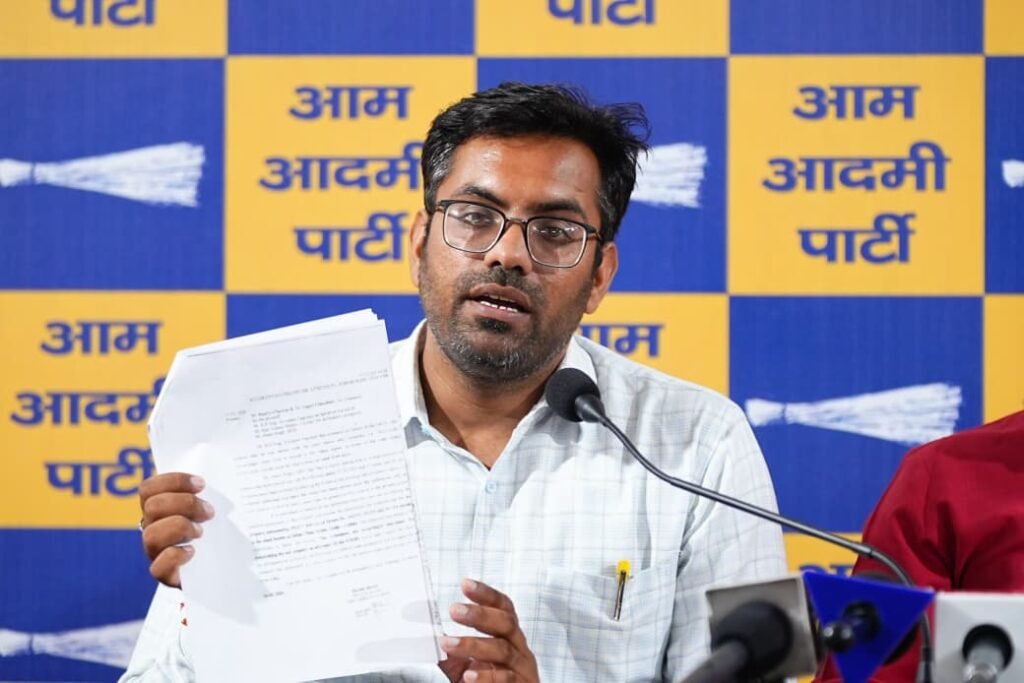
According to the Aam Aadmi Party, Chaudhary’s property in Milan Vihar became the subject of demolition proceedings despite legal protections granted by a court.
The councillor alleged that his family-owned property was demolished even after relevant documents and court orders had been presented to authorities. He maintained that official records identified the land as privately owned rather than government property.
The Aam Aadmi Party described the incident as an example of why stronger legal safeguards are necessary for residents living in O-Zone areas.
Party leaders argued that if disputes continue despite existing legal proceedings, the uncertainty faced by ordinary residents becomes even more severe.
Legal Questions Surrounding O-Zone Colonies
The controversy highlights broader legal questions that extend beyond party politics.
Urban planning experts have long pointed out that Delhi faces a complex challenge involving unauthorized colonies, environmental protection requirements, and the housing needs of a rapidly growing population.
On one hand, authorities are responsible for enforcing planning regulations and protecting environmentally sensitive regions. On the other hand, millions of residents depend on housing located in areas that developed over decades without complete legal regularization.
The Aam Aadmi Party has argued that balancing these competing interests requires a transparent legal framework that protects both environmental concerns and human habitation rights.
Legal experts often note that disputes involving unauthorized colonies become particularly complicated when residents have occupied properties for many years, invested significant resources in construction, and established long-standing communities.
Demand for Parliamentary Intervention
A key demand raised by the Aam Aadmi Party involves intervention at the parliamentary level.
According to party leaders, the Union Government possesses the legislative authority to introduce legal protections for affected colonies. The Aam Aadmi Party has called for a law or ordinance that would restore safeguards for residents living in O-Zone areas.
The party maintains that such legislation would eliminate uncertainty and prevent recurring disputes over demolition actions.
This demand reflects a broader debate about whether long-term solutions should come through administrative decisions or formal legislative measures.
The Aam Aadmi Party argues that only Parliament can provide a durable and comprehensive resolution that remains protected from changing administrative interpretations.
Impact on Residents
Beyond political arguments, the controversy has significant implications for ordinary residents.
Families living in O-Zone colonies often face uncertainty regarding property ownership, access to loans, infrastructure development, and future investment in their homes.
For many residents, a house represents decades of savings and financial sacrifice. Any uncertainty regarding legal status naturally creates anxiety and affects long-term planning.
The Aam Aadmi Party has repeatedly highlighted the human dimension of the issue, emphasizing that behind every demolition notice are families concerned about shelter, security, and their future.
Residents in affected areas have frequently expressed concerns regarding the absence of clear information about how existing regulations will impact their homes.
Role of Administration and Law Enforcement
While political disagreements continue, administrative agencies and law enforcement authorities remain responsible for implementing court orders, maintaining public order, and ensuring that operations are conducted peacefully.
Delhi Police often plays a crucial role during demolition drives by managing security arrangements and preventing law-and-order issues. Maintaining peace in emotionally charged situations involving large crowds and affected families requires significant coordination and professionalism.
Officials are frequently tasked with balancing public safety concerns while ensuring compliance with legal and administrative directions. Their role becomes especially important during sensitive operations where tensions can escalate quickly.
The broader controversy surrounding O-Zone demolitions therefore involves not only political and legal questions but also administrative challenges that require careful handling by multiple government agencies.
Aam Aadmi Party Plans Wider Outreach
The Aam Aadmi Party indicated that it intends to expand its engagement with residents of affected colonies.
Party leaders stated that surveys and outreach programs may be conducted across various O-Zone settlements to understand local concerns and mobilize support for legal protections.
According to the Aam Aadmi Party, the objective is to gather feedback directly from residents and present their concerns before higher authorities.
The party maintains that a comprehensive solution must involve consultation with affected communities rather than relying solely on administrative decisions.
As the debate continues, the issue remains one of the most significant urban governance challenges facing Delhi. The demands raised by the Aam Aadmi Party have intensified discussions regarding housing rights, environmental regulations, legal protections, and the future of thousands of families living in O-Zone colonies. With political pressure increasing and residents seeking clarity, the matter is likely to remain at the center of public and policy discussions in the coming months.