
Nishikant Dubey, Chairperson of the Parliamentary Standing Committee on Communications and Information Technology, has triggered a fresh political and regulatory debate over the accountability of global social media platforms in India by demanding that Meta CEO Mark Zuckerberg apologise for the temporary removal of Prime Minister Narendra Modi‘s video from Facebook. Nishikant Dubey warned that if Zuckerberg fails to apologise, Meta should lose the safe harbour protection granted under Section 79 of the Information Technology Act, 2000.
The remarks came after a meeting of the Parliamentary Standing Committee, where representatives from the Ministry of Electronics and Information Technology (MeitY), the Ministry of Home Affairs, and major digital platforms—including Meta, Google, YouTube, X, and Snapchat—briefed members on issues related to social media regulation, platform accountability, and online safety.
Dubey described the temporary disappearance of the Prime Minister’s video as a serious matter, alleging that such incidents raise broader questions about the responsibility of digital platforms operating in India.
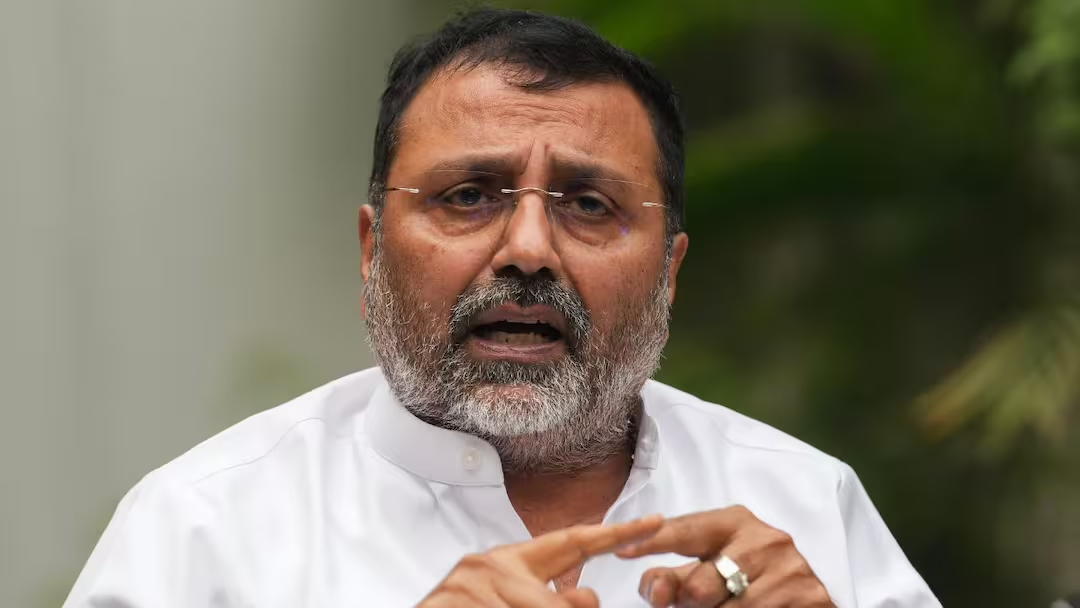
Table of Contents
Nishikant Dubey Demands Apology From Mark Zuckerberg
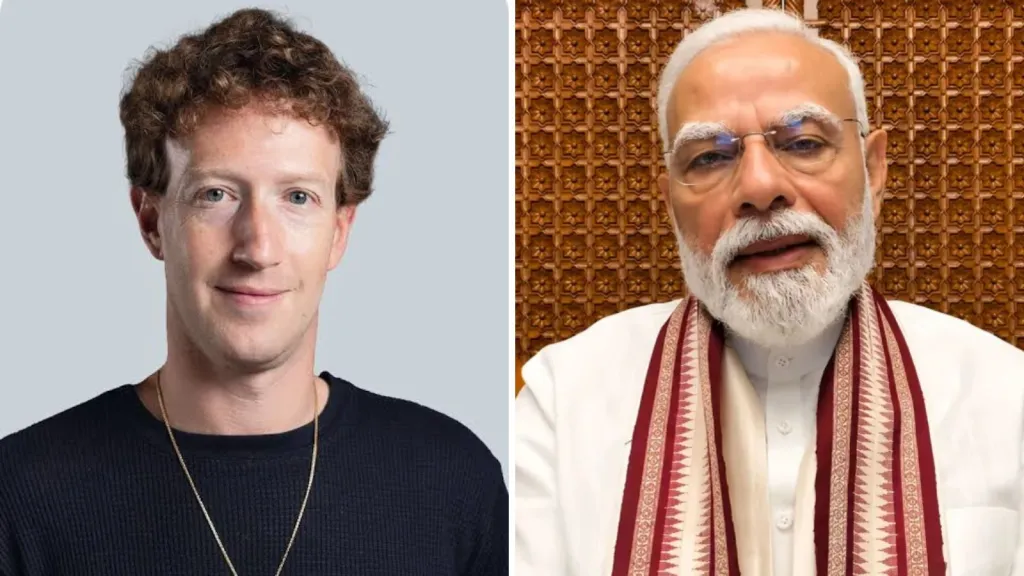
Addressing reporters after the committee meeting, Nishikant Dubey said Meta had acknowledged that Prime Minister Narendra Modi’s video remained unavailable on Facebook for over four hours before being restored. He argued that the incident was not merely a technical issue and recalled that Mark Zuckerberg had previously apologised over remarks related to the 2024 General Elections. Dubey insisted Zuckerberg should apologise again, warning that if he fails to do so, Meta’s safe harbour protection under Section 79 should be withdrawn. His remarks mark one of the strongest calls yet for stricter accountability of social media platforms operating in India.
What Happened to PM Modi’s Facebook Video?
The controversy stems from a July 23 video in which Prime Minister Narendra Modi addressed students over the NEET-UG 2026 paper leak, assuring them of stronger legal measures to curb examination fraud. During the parliamentary committee meeting, Meta acknowledged that the video was unavailable on Facebook for nearly four to five hours, reportedly between 12:30 AM and 5:00 AM, before being restored. Nishikant Dubey argued that the temporary removal of the Prime Minister’s video raised serious concerns about platform accountability and content moderation practices.
What Is Safe Harbour Protection?
At the centre of the debate is safe harbour protection under Section 79 of the Information Technology Act, 2000, which provides conditional legal immunity to intermediaries such as social media platforms for user-generated content. This protection applies only if platforms comply with Indian laws and the Information Technology Rules, including taking prompt action against illegal content, misinformation, deepfakes, and child sexual abuse material. Failure to meet these legal obligations can result in the loss of safe harbour protection, exposing platforms to legal action under Indian law.ndian laws.
Parliamentary Panel Examines Digital Platform Accountability
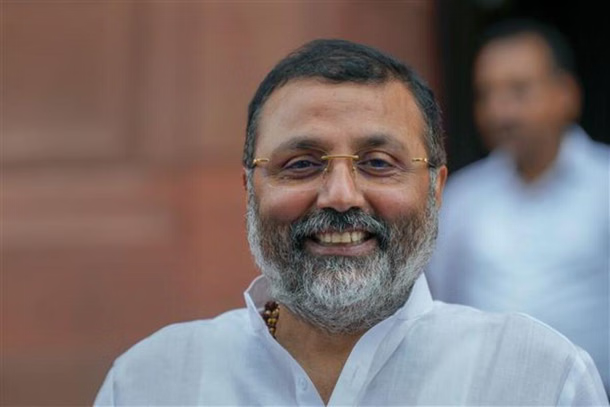
The controversy emerged during a meeting of the Parliamentary Standing Committee on Communications and Information Technology, which is currently examining the functioning and regulation of major digital platforms operating in India.
Representatives from:
- Ministry of Electronics and Information Technology (MeitY)
- Ministry of Home Affairs
- Meta (Facebook, Instagram and WhatsApp)
- YouTube
- X
- Snapchat
appeared before the committee to discuss the subject of “Social and Digital Platforms and Their Regulation.”
The discussions reportedly covered issues relating to platform accountability, online safety, misinformation, harmful content, and compliance with Indian laws.
Dubey Raises Questions Over Social Media Algorithms
Apart from the Prime Minister’s video controversy, Nishikant Dubey also questioned how recommendation algorithms function on large social media platforms.
According to him, these companies appear to give greater visibility to newer users while existing creators receive comparatively lower reach.
Although he did not elaborate extensively on the technical aspects of platform algorithms, his comments reflected wider concerns frequently raised by digital creators regarding transparency in content recommendation systems.
Algorithmic fairness has become an increasingly debated issue globally as governments seek greater transparency from major technology companies.
Child Safety and Harmful Content Also Raised
Another major issue highlighted during the committee meeting involved Child Sexual Abuse Material (CSAM) and harmful online content. Nishikant Dubey alleged that several digital platforms continue to host content involving child abuse and harmful material affecting women despite strict legal provisions in India. Nishikant Dubey further claimed that technology companies often fail to adequately respond to concerns raised by government agencies, including the Ministry of Home Affairs and the Ministry of Electronics and Information Technology. According to Nishikant Dubey, stronger enforcement measures should be considered if platforms repeatedly fail to comply with legal obligations.
Telangana FIR Against Meta Mentioned
While discussing platform accountability, Nishikant Dubey also referred to legal proceedings involving Meta India. Nishikant Dubey noted that the Congress-led Telangana government has filed an FIR against the company, arguing that the incident further demonstrates the need to examine whether safe harbour protections should continue when legal obligations are allegedly not being fulfilled. Nishikant Dubey said the Facebook video controversy should be viewed alongside broader concerns regarding platform compliance across multiple issues.
Government Tightens Laws Against Examination Malpractice
The Prime Minister’s address focused on the NEET-UG 2026 paper leak, with PM Modi assuring students that the government would strengthen laws against examination fraud. Following the announcement, the Public Examinations (Prevention of Unfair Means) Amendment Bill, 2026 was approved by the Union Cabinet and passed by Parliament. Nishikant Dubey said the reforms reflect the government’s commitment to curbing paper leaks and emphasised that digital platforms must also fulfil their legal responsibilities to ensure greater accountability.
Growing Focus on Regulation of Big Tech in India
The latest controversy adds to an ongoing global debate over the accountability of major technology companies and their role in moderating online content.
India has increasingly emphasised stronger regulation of digital intermediaries through updated Information Technology Rules that require faster action against illegal content, misinformation, deepfakes, online abuse, and child exploitation material.
Lawmakers have repeatedly stressed that while digital platforms play an important role in communication and information sharing, they must also comply with domestic legal frameworks governing online safety and accountability.
The Parliamentary Standing Committee’s discussions reflect India’s continuing efforts to balance digital innovation with stronger oversight of technology companies operating in the country.
Whether Meta will formally respond to Nishikant Dubey’s demand for an apology remains uncertain.
The company has already acknowledged that Prime Minister Modi’s video became unavailable temporarily before being restored, but it has not publicly clarified whether the issue resulted from a technical malfunction, automated moderation, or another operational factor.
At the same time, the Parliamentary Standing Committee is expected to continue examining the functioning of major digital platforms as India strengthens its regulatory framework for online intermediaries.
For now, the controversy has reignited debate over platform accountability, safe harbour protection, algorithmic transparency, and the legal responsibilities of global technology companies operating in one of the world’s largest digital markets.