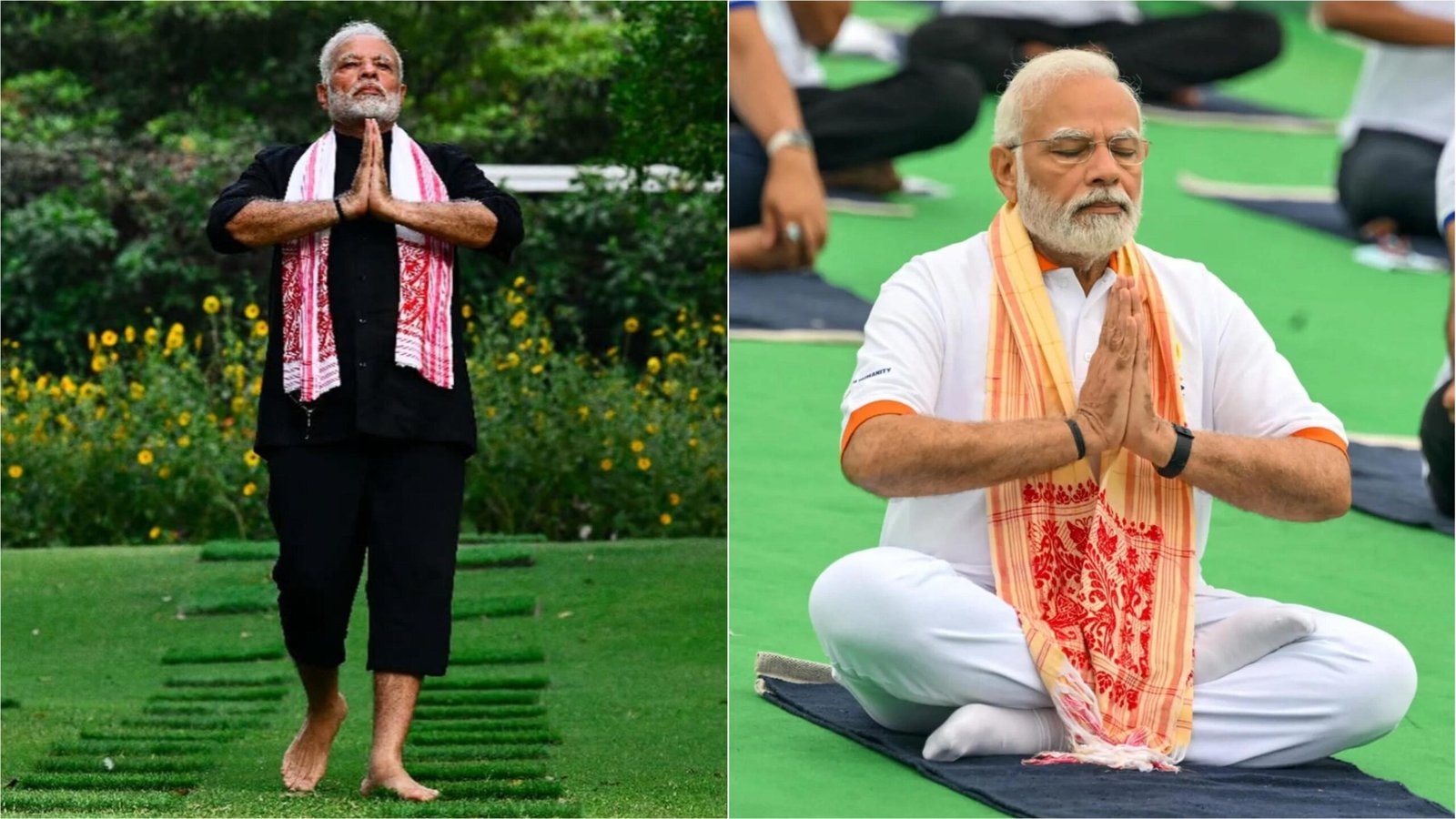
Prime Minister Narendra Modi’s fitness routine has often attracted public attention, particularly because of his demanding schedule and continued emphasis on physical activity, yoga, meditation and disciplined eating. Over the years, Modi has publicly discussed several aspects of his lifestyle, while ministers and media reports have also highlighted his unusual sleep and meal timings.
One of the most frequently reported details is a claim shared by Union Minister L. Murugan in 2024 that PM Modi said he sleeps for around 3.5 hours a night and does not eat after 6 pm. This information was based on Murugan’s account of a lunch meeting with the Prime Minister.
However, these habits should not automatically be treated as a recommended health routine for everyone. Medical guidance generally stresses that adequate sleep is important, and individual dietary and exercise needs can vary considerably.
Table of Contents
PM Modi’s Focus on Fitness and Discipline
PM Modi has repeatedly spoken about the importance of maintaining physical and mental fitness. His public fitness activities have included yoga, walking, breathing exercises and meditation.
In a 2019 fitness-related message, PM Modi said he typically slept for three to four hours and described his sleep as sound. He also credited regular yoga and pranayama with helping him remain energetic during the day.
His approach to fitness has therefore been presented less as a conventional gym-based programme and more as a combination of physical movement, breathing exercises, mental discipline and consistency.
The 3.5-Hour Sleep Claim
The claim that PM Modi sleeps only 3.5 hours has received considerable attention.
According to L. Murugan’s account, PM Modi discussed his routine during a lunch with MPs and said he slept for approximately three and a half hours and avoided food after 6 pm. The same account was reported by several media outlets.
It is important, however, to distinguish between reporting someone’s personal routine and presenting that routine as a health recommendation.
Most people require substantially more sleep than three or four hours. Sleep needs vary by age and individual circumstances, but regularly getting too little sleep can affect concentration, mood and overall health. Therefore, PM Modi’s reported schedule should be viewed as a description of his personal routine rather than a prescription for others.
Why Sleep Should Not Be Copied Blindly
The fascination surrounding PM Modi’s limited sleep highlights a broader point about fitness: what works for one individual may not be suitable for another.
Sleep plays an important role in physical recovery, memory, concentration and emotional wellbeing. A person who consistently gets insufficient sleep may experience fatigue and reduced performance.
For young people in particular, adequate sleep is especially important because the body and brain are still developing.
Consequently, the most useful lesson from PM Modi’s routine is arguably consistency and discipline, rather than attempting to replicate his reported number of sleeping hours.
No Food After 6 PM
Another widely reported element of PM Modi’s routine is his practice of avoiding food after 6 pm. The detail was specifically mentioned by L. Murugan when describing his conversation with the Prime Minister.
An early final meal can fit into some people’s lifestyles, particularly when their daily schedule allows them to eat earlier. However, meal timing alone does not determine whether a diet is healthy.
The nutritional quality and overall balance of meals are also important. A healthy routine generally needs adequate nutrients, hydration and sufficient energy for the person’s age and activity level.
A Simple Approach to Food
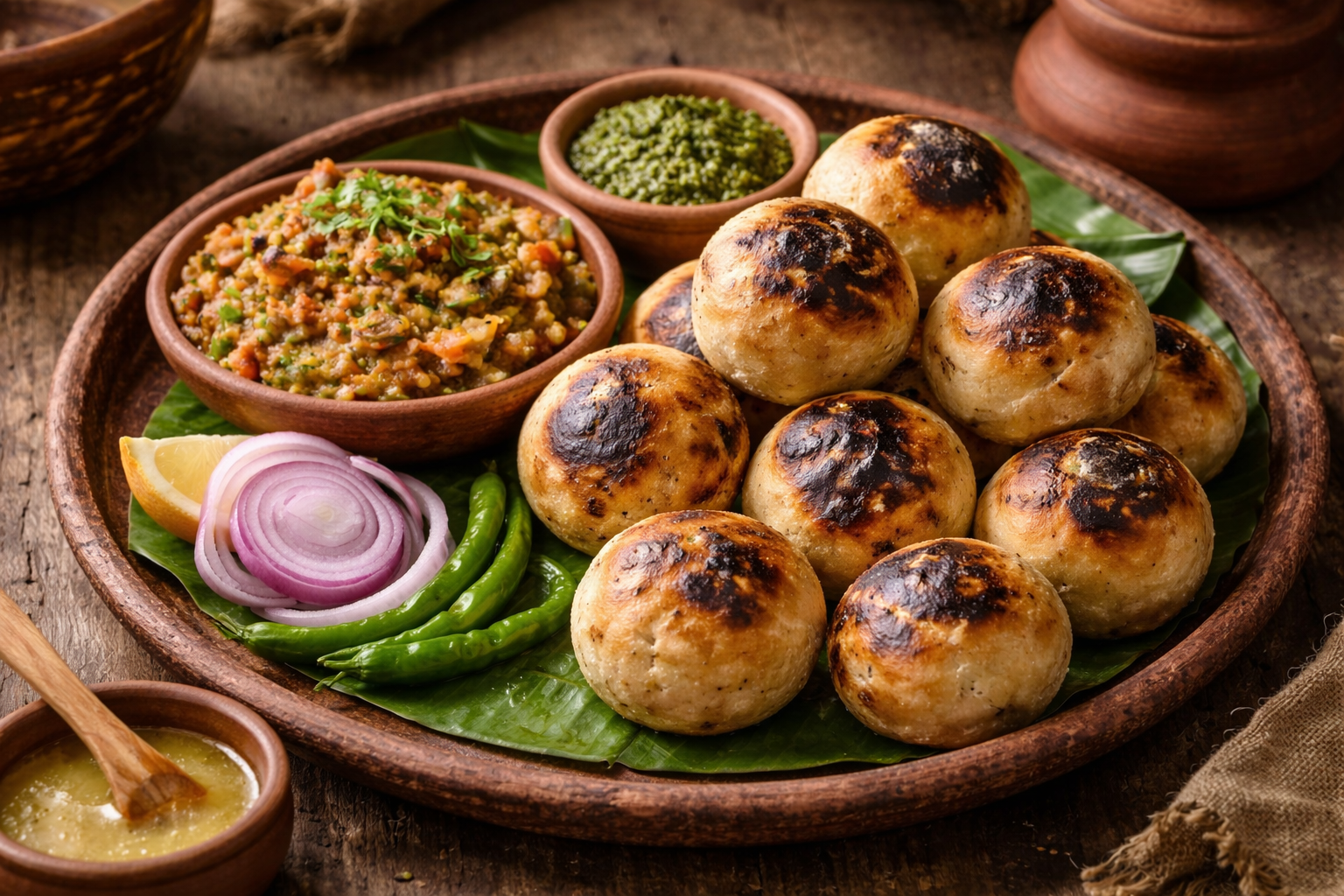
Reports about PM Modi’s eating habits have often described his food as relatively simple. Dishes such as khichdi, upma, dal and other traditional Indian foods have been associated with his diet.
Recent reports have also highlighted his interest in traditional foods and dietary practices, including moringa-based dishes and seasonal eating patterns.
Rather than focusing on one particular food, the broader theme is moderation and simplicity.
Yoga as a Central Part of the Routine
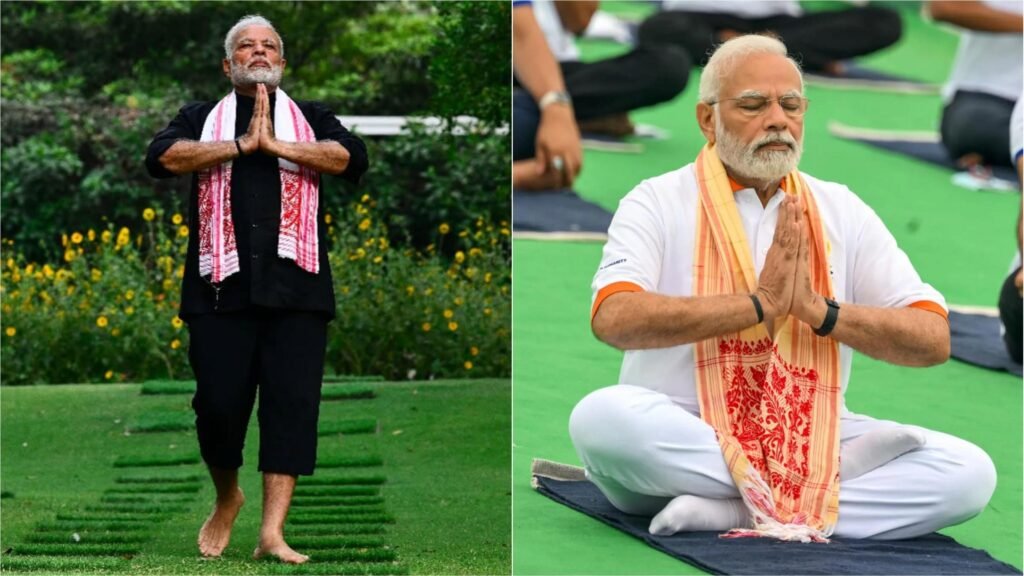
Yoga has remained one of the most visible elements of PM Modi’s fitness routine.
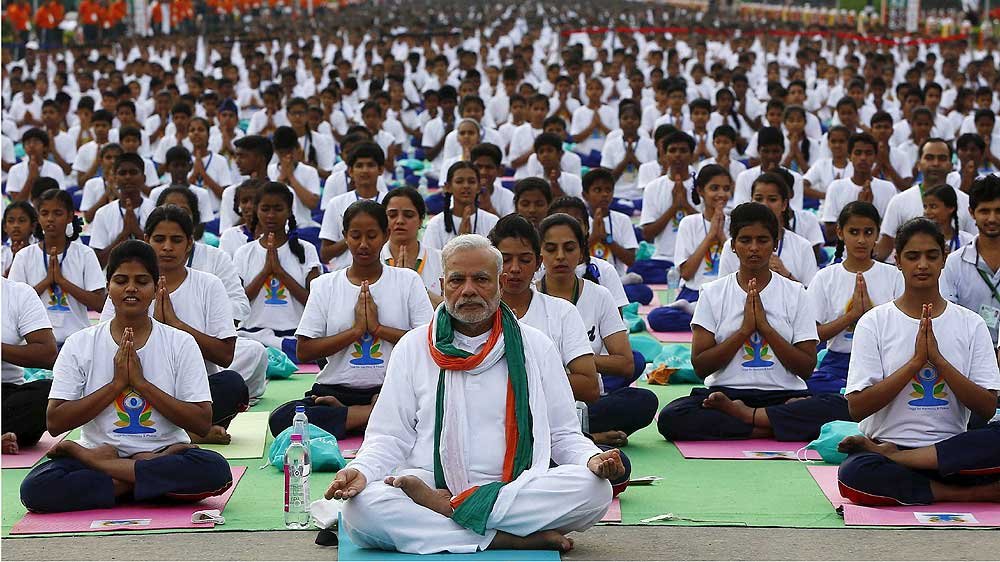
The Prime Minister has frequently promoted yoga internationally and has participated in activities connected with the International Day of Yoga.
His reported practice has included different asanas as well as breathing exercises. Earlier accounts of his routine have mentioned poses such as Tadasana, Trikonasana and other yoga practices.
Yoga can combine physical movement with breathing and concentration, making it different from exercise that focuses solely on cardiovascular fitness or strength.
Pranayama and Breathing Exercises
Breathing exercises, particularly pranayama, have also featured prominently in PM Modi’s discussions about fitness.
He has previously said that deep breathing helps him feel refreshed when he becomes tired.
Breathing exercises are commonly incorporated into yoga and meditation practices. They can encourage people to slow down, focus their attention and develop greater awareness of breathing.
As with any exercise practice, however, people should choose activities appropriate for their age and physical condition.
The Unique Panchtatva Walk
One of the more distinctive aspects of PM Modi’s exercise routine is his Panchtatva-inspired walking track.
The concept draws from the traditional idea of the five elements of nature: Prithvi (earth), Jal (water), Agni (fire), Vayu (air) and Aakash (space).
PM Modi previously shared images and videos of his morning exercises and described walking on a track inspired by these five elements.
The Panchtatva concept gives the walking routine a traditional and symbolic dimension. Instead of simply treating walking as physical exercise, it connects the activity with an Indian philosophical understanding of nature.
Walking as Everyday Physical Activity
Walking is among the simplest forms of physical activity and does not necessarily require specialised equipment.
For many people, regular walking can be an accessible way to remain physically active. The amount and intensity, however, should depend on individual fitness levels.
PM Modi’s use of walking alongside yoga and breathing exercises demonstrates an approach that relies on several forms of movement rather than a single workout.
Foot Reflexology and Barefoot Walking
Earlier reports about PM Modi’s fitness habits have also mentioned a barefoot foot-reflexology path. Such paths are designed around surfaces that stimulate different areas of the feet.
This is another example of how his routine incorporates different forms of physical activity and traditional wellness practices.
People should nevertheless be careful when walking barefoot, particularly if the surface is uneven or unsuitable.
Meditation and Mental Fitness
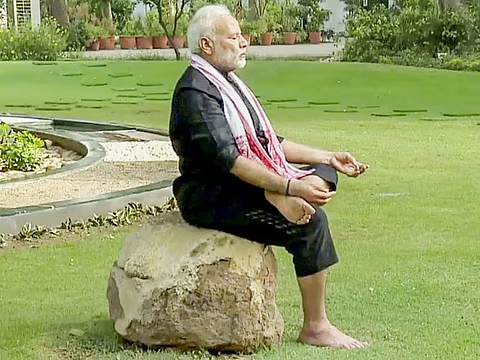
Physical fitness is only one part of PM Modi’s reported routine. Meditation has also been associated with his morning schedule.
Earlier reporting on his routine described meditation after yoga.
Meditation can provide a period of quiet concentration and may complement physical activity by encouraging mental relaxation and focus.
For someone with a demanding professional schedule, such practices can provide a structured break from continuous work.
The Importance of Routine
Perhaps the clearest theme running through PM Modi’s lifestyle is consistency.
His reported routine combines regular physical activity, yoga, breathing exercises, meditation and controlled meal timings. The schedule is distinctive because these practices appear to be treated as regular habits rather than occasional activities.
A fitness routine does not necessarily need to be complicated. For many people, simple activities performed consistently can be more realistic than an intense routine that is difficult to maintain.
Traditional Practices Meet Modern Fitness
PM Modi’s routine also illustrates the intersection of traditional Indian wellness practices and modern ideas about physical fitness.
Yoga and pranayama have ancient roots, while walking and mindful eating are broadly recognised components of healthy lifestyles.
The Panchtatva walking concept adds another traditional element, linking physical movement with the five elements of nature.
At the same time, it is important not to assume that traditional practices automatically work in the same way for everyone. Individual needs and professional medical advice remain important.
What People Can Learn From the Routine
The most practical takeaway from PM Modi’s reported lifestyle is not necessarily his exact sleeping or eating schedule.
Instead, several broader principles stand out:
- Maintaining a regular physical-activity routine
- Including movement such as walking
- Practising yoga or other age-appropriate exercise
- Paying attention to food quality and meal patterns
- Making time for mental relaxation
- Maintaining consistency over the long term
These principles can be adapted to different lifestyles without attempting to copy every aspect of another person’s routine.
Why the Sleep Detail Needs Context
The reported 3.5-hour sleep schedule is perhaps the most striking part of the story, but it is also the part that requires the greatest caution.
A person’s ability to function on a particular amount of sleep does not mean that amount is appropriate for everyone. Sleep requirements are influenced by age, health, daily activity and other factors.
Therefore, the reported routine should not be interpreted as evidence that people can safely reduce their sleep to just a few hours.
For students and young people, getting enough sleep is especially important for learning, memory, mood and healthy development.
A Lifestyle Built Around Consistency
At 75, PM Modi’s reported approach to fitness continues to attract attention because of the contrast between his demanding schedule and his emphasis on routine.
From yoga and meditation to walking and controlled eating, the lifestyle described in public accounts is centred around discipline and repetition.
His reported habits provide an interesting look at how a public figure approaches personal fitness, but they should be understood as an individual lifestyle rather than a universal health formula.
Prime Minister Narendra Modi’s fitness routine has long been a subject of public interest. Reports about his 3.5-hour sleep schedule, avoidance of food after 6 pm, yoga practice, pranayama, meditation and Panchtatva-inspired walks have contributed to the image of a highly disciplined lifestyle.
The strongest lesson is arguably the importance of maintaining healthy habits consistently. At the same time, people should not attempt to copy extreme aspects of another person’s routine—particularly limited sleep—without considering their own health and age-related needs.
For most people, a sustainable approach involving adequate sleep, balanced nutrition, regular age-appropriate physical activity and time for mental wellbeing is more important than following any celebrity or public figure’s exact schedule.