Watery eyes are common and often temporary, but frequent or persistent tearing can sometimes point to an underlying eye problem. Medically known as epiphora, watery eyes occur when the eyes produce too many tears or when tears cannot drain normally through the tear ducts. Depending on the cause, the problem may settle on its own or require evaluation by an eye-care professional.
Occasional watering can happen because of wind, dust, smoke, cold weather or irritation. However, repeated episodes—particularly when accompanied by redness, pain, discharge or changes in vision—should not simply be ignored.
Understanding why the eyes are watering can help people recognise when the symptom is harmless and when professional medical advice may be appropriate.
Table of Contents
What Are Watery Eyes?
Tears are essential for keeping the surface of the eye lubricated and protected. They spread across the eye when a person blinks and normally drain through tiny openings near the inner corners of the eyelids. From there, tears travel through the tear drainage system into the nose.
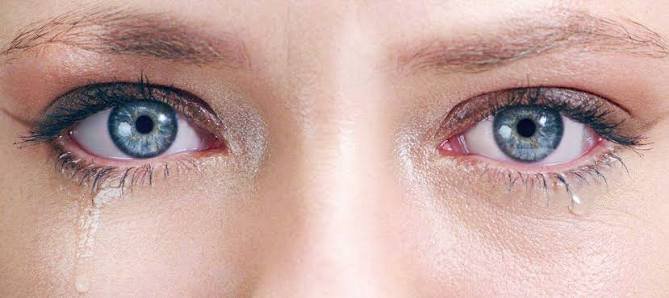
Watery eyes occur when this normal balance is disrupted.
In some cases, the eye produces more tears than usual, often because its surface has become irritated. In other cases, the eye may be producing a normal amount of tears, but those tears cannot drain properly.
This explains why excessive tearing does not always mean the eyes are producing tears because they are “too healthy” or because there is simply too much moisture.
Why Do Eyes Water Frequently?
There are several possible causes of frequent watery eyes. Some are temporary and relatively minor, while others may require medical attention.
1. Dry Eyes Can Paradoxically Cause Excess Tearing
One of the more surprising causes of watery eyes is dry eye.
When the surface of the eye becomes dry or irritated, the body can respond by producing additional tears. These reflex tears may then spill over the eyelid, creating the sensation of excessively watery eyes. Mayo Clinic lists dry eyes among the possible causes of watery eyes and explains that eye-surface irritation can stimulate increased tear production.
Dry-eye symptoms can include burning, stinging, irritation, redness, a scratchy sensation and blurred vision. Watery eyes can therefore occur alongside what appears to be the opposite problem—insufficient or poor-quality lubrication.
2. Allergies
Allergies are another common reason for excessive tearing.
Pollen, dust and other allergens can irritate the surface of the eyes. This may cause watering along with itching, redness or other allergy-related symptoms.
People who notice watery eyes repeatedly during particular seasons or after exposure to specific environmental triggers may have an allergy-related cause.
3. Eye Irritation
The eyes are sensitive to their environment. Smoke, dust, strong winds and other irritants can trigger reflex tearing.
A tiny foreign particle can also irritate the eye and cause watering. In such cases, the tearing is part of the body’s protective response.
Mayo Clinic lists foreign objects, corneal scratches and other forms of eye-surface irritation among possible causes of watery eyes.
4. Infections
Certain eye infections can cause increased tearing.
Viral infections, for example, may lead to watery eyes along with redness or irritation. Depending on the infection, other symptoms may include discharge or discomfort.
Because different eye conditions can produce similar symptoms, persistent redness, pain or discharge should be assessed rather than assuming the problem is simply an allergy.
5. Blocked Tear Ducts
Another important cause is a blocked tear duct.
The tear drainage system normally carries tears away from the surface of the eye. If the drainage pathway becomes blocked or narrowed, tears can accumulate and spill over the eyelids.
Adults can develop blocked tear ducts for several reasons, including inflammation, infection or previous trauma.
In babies and young children, blocked tear ducts can occur because the drainage system has not fully developed or opened.
6. Eyelid Problems
The position and movement of the eyelids also influence how tears drain.
Conditions such as entropion, in which the eyelid turns inward, or ectropion, in which it turns outward, can interfere with normal tear distribution and drainage.
Age-related changes can also contribute. Mayo Clinic notes that in older adults, sagging eyelid skin can make it harder for tears to drain properly.
7. Eyelid Inflammation
Inflammation around the eyelids, including blepharitis, can contribute to watery or irritated eyes.
When the eyelid margins are inflamed, the normal tear film can be affected, potentially leading to irritation and reflex tearing.
If watering occurs repeatedly along with eyelid irritation, crusting or redness, an eye-care professional can help determine the underlying cause.
8. Corneal Problems
The cornea is the clear front surface of the eye. Scratches, inflammation or infection involving the cornea can produce excessive tearing.
Keratitis, for example, can cause eye redness, pain, excess tears or discharge, blurred vision and sensitivity to light. Mayo Clinic recommends prompt assessment by an eye specialist when symptoms suggest keratitis because untreated serious cases can lead to complications affecting vision.
For this reason, watery eyes accompanied by significant pain or vision changes should not be treated as a routine irritation.
Can Weather Make Your Eyes Water?
Yes. Environmental conditions can trigger temporary tearing.
Cold air, wind and airborne particles may irritate the surface of the eye. The eyes respond by producing tears that help protect and lubricate the surface.
This type of watering may disappear once the person moves away from the trigger.
However, if the eyes continue to water frequently even when there is no obvious environmental trigger, another cause may need to be considered.
When Are Watery Eyes Usually Not a Major Concern?
Occasional watering without other concerning symptoms is often not a medical emergency.
For example, temporary tearing after exposure to wind, dust or mild irritation may settle after the trigger disappears.
The NHS advises that treatment may not be necessary when watery eyes are not causing problems, although persistent symptoms may warrant assessment.
The key factor is whether the symptom is persistent, recurrent, disruptive or associated with other eye symptoms.
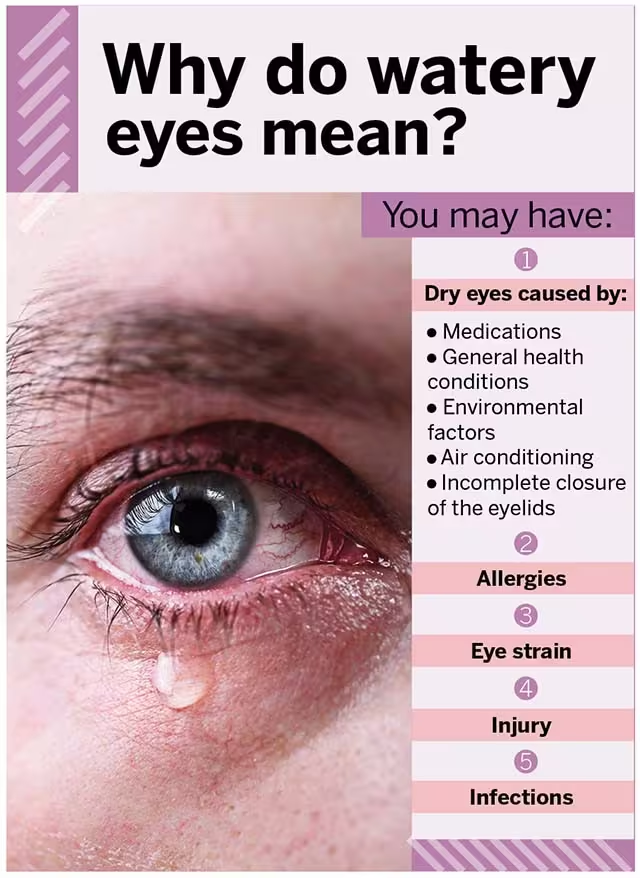
When Should You See a Doctor?
Frequent watering deserves medical attention when it keeps returning or begins interfering with everyday activities.
The NHS recommends seeing a GP when eyes keep watering and the problem affects daily activities, or when there are certain eyelid changes or persistent lumps or swellings around the eyes.
Mayo Clinic similarly recommends making an appointment with a healthcare professional if watery eyes keep occurring. Depending on the situation, a person may be referred to an eye specialist.
An eye examination can help identify whether the problem is caused by dryness, irritation, allergy, infection, eyelid changes, tear-duct blockage or another condition.
Warning Signs That Need Prompt Attention
Not every case of watery eyes requires urgent care, but certain accompanying symptoms are important warning signs.
According to Mayo Clinic and the NHS, vision changes and significant eye pain warrant prompt medical evaluation.
Particularly concerning symptoms include:
- Sudden changes or loss of vision
- Significant or severe eye pain
- Marked redness accompanied by pain
- Increasing sensitivity to light
- Blurred or reduced vision
- Significant discharge
- A feeling that something is stuck in the eye, especially after an injury
- Sudden flashes or a large number of new floaters
Sudden vision changes or an eye injury should be treated as potentially urgent. Mayo Clinic advises emergency evaluation for sudden changes in vision or eye injuries, particularly when accompanied by severe pain or other neurological or visual symptoms.
What Can You Do for Mild Watery Eyes?
If watering is occasional and there are no warning signs, simple measures may help depending on the suspected trigger.
Protecting the eyes from wind, dust and smoke can reduce irritation. Keeping the eye area clean can also be useful.
If dry eyes are contributing to the problem, artificial tears may help some people. Mayo Clinic notes that non-prescription artificial tears can be sufficient for many people with occasional or mild dry-eye symptoms.
However, persistent symptoms should not be managed indefinitely without understanding the cause.
If the problem continues despite basic measures, an eye-care professional can determine whether further treatment is needed.
Why You Should Avoid Guessing the Cause
Watery eyes are a symptom rather than a diagnosis.
Two people may have the same complaint but completely different underlying causes. One person may have allergies, another may have dry eyes, while another may have a blocked tear duct or an eye-surface problem.
That is why repeatedly using eye drops without knowing what is causing the problem may not address the underlying issue.
Treatment depends on the cause. The NHS notes that treatment may include drops, gels, ointments or sprays for dry eyes; medicines for allergies; treatment for infection; removal of a foreign object; or procedures for blocked tear ducts or eyelid problems.
How Doctors Investigate Persistent Watery Eyes
A healthcare professional may examine the surface of the eye, eyelids and tear drainage system.
The doctor may ask questions about when the watering began, whether it affects one or both eyes, whether it occurs continuously or only in certain situations, and whether there are associated symptoms such as itching, redness, pain or changes in vision.
The evaluation can help distinguish between excessive tear production and poor tear drainage.
If the initial assessment does not identify the cause, the patient may be referred to an ophthalmologist for further testing.
Watery Eyes Should Not Always Be Ignored
Frequent tearing may seem like a minor inconvenience, but persistent watery eyes can sometimes signal an underlying eye condition.
The good news is that many causes are manageable once they are correctly identified. Allergies, dry-eye symptoms, infections and certain tear-drainage problems can all have different treatment approaches.
The important step is recognising when ordinary watering has become a recurring problem.
The Bottom Line
Watery eyes can have many causes, ranging from temporary irritation and allergies to dry eyes, infections, blocked tear ducts and eyelid problems. Sometimes, surprisingly, dry eyes themselves can trigger excessive tearing as the eye attempts to protect its surface.
Occasional watering caused by wind or mild irritation may settle on its own. But if the eyes keep watering, interfere with daily activities or are accompanied by redness, discharge, pain or vision changes, medical advice is important.
Most importantly, sudden vision changes, significant eye pain or an eye injury should receive prompt medical attention rather than being dismissed as ordinary watery eyes.
This article is for general health information and does not replace an examination or diagnosis by a qualified healthcare professional.