
For decades, the traditional idea of a travel holiday has revolved around exploration. Travellers have been encouraged to visit as many attractions as possible, discover hidden destinations, sample local food, take photographs and return home with a packed itinerary of experiences.
But a new approach to travel is challenging that definition.
Known as “room rotting,” the trend encourages travellers to spend a significant part of their holiday simply staying inside their hotel room, resort, homestay or other accommodation rather than constantly going out to explore.
At first glance, the idea may sound like the opposite of what a holiday is supposed to be. Why travel hundreds or thousands of kilometres only to spend hours in a room? Yet room rotting reflects a broader change in how younger travellers are thinking about rest, social media, productivity and the pressure to make every trip appear exciting.
The trend is particularly relevant in an era when holidays can sometimes become exhausting schedules of sightseeing, restaurant reservations, photographs and social media updates. For travellers experiencing burnout from everyday routines, a holiday may increasingly be about doing less rather than seeing more.
Table of Contents
What Is “Room Rotting”?
Room rotting is a casual internet term used to describe deliberately spending extended periods relaxing in one’s accommodation, often with little intention of going out.
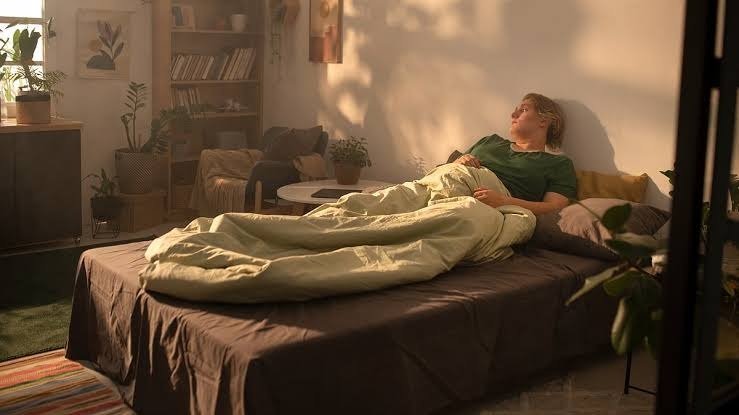
A traveller practising room rotting might order room service, watch movies, sleep late, read a book, scroll through their phone, enjoy a hotel pool or simply lie in bed without following a fixed schedule.
The important element is intentional relaxation.
It is not necessarily about being too tired to leave the room or wasting an expensive holiday. Instead, the concept reframes inactivity as a legitimate part of the travel experience.
A person does not have to visit every tourist attraction to feel that a trip was worthwhile.
This idea represents a significant departure from conventional travel culture, where a successful holiday is often measured by the number of places visited and activities completed.
Why Is Room Rotting Becoming Popular?
One of the biggest reasons behind the trend is travel fatigue.
Modern travel can be surprisingly demanding. Airports, long journeys, traffic, crowded tourist attractions, unfamiliar surroundings and tightly planned itineraries can leave travellers exhausted.
Even leisure travel can start feeling like work when every hour is scheduled.
A typical holiday itinerary might involve waking up early for sightseeing, travelling across a city, visiting multiple attractions, finding restaurants, taking photographs and returning to the hotel late at night. After several days, the traveller may need another holiday simply to recover.
Room rotting challenges this cycle.
Instead of asking, “How much can I fit into this trip?”, the traveller asks, “How rested do I want to feel when I return?”
That shift can be particularly appealing to people already dealing with demanding professional and personal schedules.
The Rise of “Doing Nothing” on Holiday
Room rotting is part of a wider cultural movement that is giving greater value to doing nothing.
For years, productivity culture encouraged people to maximise their time. Even leisure activities could become measurable achievements: completing fitness goals, visiting new restaurants, travelling to multiple destinations or documenting experiences online.
Social media intensified the pressure.
Platforms filled with photographs of spectacular holidays can create the impression that travellers should constantly be discovering something new. A hotel room can appear insignificant compared with a mountain viewpoint, famous monument or picturesque beach.
But the room-rotting trend challenges that assumption.
A traveller may choose to spend an entire afternoon reading by a window, watching a film or taking a nap — and consider that time equally valuable.
The destination becomes the setting for rest rather than a checklist of attractions.

Is Room Rotting the Same as Being Lazy?
Not necessarily.
The distinction lies in choice and intention.
Laziness generally implies avoiding something that needs to be done. Room rotting, as a travel concept, is about deliberately choosing a slower pace.
For someone who spends most of the year rushing between work, commuting, household responsibilities and social commitments, doing very little during a holiday can be restorative.
The trend also challenges the assumption that every moment must be productive.
Sleep is not wasted time. Relaxation is not necessarily wasted time. And a holiday does not have to produce a long list of accomplishments.
In that sense, room rotting is less about inactivity and more about giving travellers permission to stop performing productivity.
Social Media and the Pressure to Have the “Perfect” Holiday
Social media has transformed the way people experience travel.
A holiday is increasingly documented through photographs, short videos, restaurant recommendations, destination guides and carefully edited posts.
While this can inspire people to discover new places, it can also create pressure.
Travellers may feel that they need to produce content from their trips. A destination can become something to photograph rather than something to experience.
This is where room rotting offers an interesting contradiction.
There is very little glamorous content to post about spending four hours in a hotel room watching television.
And that may be part of its appeal.
The trend encourages people to enjoy an experience without necessarily turning it into online content.
Instead of travelling for the photograph, the traveller can travel for themselves.

Room Rotting and the Changing Meaning of Travel
Traditional tourism often emphasises exploration.
Visit the landmark. Try the local food. Walk through the historic district. Take the famous photograph. Visit the museum. Find the hidden café.
None of these activities are inherently negative. Exploration remains one of the most rewarding aspects of travel.
Room rotting does not necessarily reject exploration altogether.
Instead, it questions whether constant exploration is necessary.
A traveller can spend the morning sightseeing and the afternoon doing nothing. Someone staying at a beach resort can swim for an hour and spend the rest of the day reading. A person visiting a major city can dedicate one day to attractions and another to simply relaxing at the accommodation.
The result is a more flexible definition of a holiday.

Why Gen Z May Be Especially Drawn to the Trend
Younger travellers have grown up in an environment of constant digital connectivity.
Notifications, social media feeds, work messages and online entertainment can make it difficult to experience genuine downtime.
For this generation,it can therefore represent an opportunity to step away from the expectation of constant activity.
Room rotting also connects with several other lifestyle trends associated with younger consumers, including slow living, digital detoxes, JOMO (Joy of Missing Out), wellness travel and anti-itinerary travel.
These movements share a common idea: people do not always want to maximise their experiences.
Sometimes they want to simplify them.
The appeal is particularly strong for those who feel that ordinary life already contains enough pressure to stay busy.
The Wellness Connection
There is also a potential wellness dimension to the trend.
Travel is frequently promoted as a way to improve mental well-being, but itself can sometimes become stressful.
Long journeys, unfamiliar environments and tightly packed schedules can create physical and mental fatigue.
A slower holiday can give the body time to recover.
Sleeping longer, taking a nap, enjoying quiet time, reading or simply sitting without a schedule can all contribute to relaxation.
However, room rotting should not automatically be treated as a wellness treatment or medical solution. The benefits of rest vary from person to person, and a balanced holiday can include both relaxation and meaningful activity.
The key is avoiding the belief that every holiday must follow the same formula.
Hotels and Resorts Could Benefit From the Trend
The rise of room-focused travel also has implications for the hospitality industry.
If they are spending more time inside their accommodation, the quality of the room and on-site facilities becomes increasingly important.
Features such as comfortable beds, balconies, pools, spas, in-room dining, entertainment systems, workspaces and scenic views can become major selling points.
Hotels may increasingly market the experience of staying in rather than simply using the room as a place to sleep.
Resorts have long offered this concept through all-inclusive packages and extensive on-site facilities. Room rotting could broaden the appeal beyond traditional resorts to hotels in cities and other destinations.
A traveller may choose accommodation based not only on its location but also on whether it provides a comfortable environment for spending an entire day indoors.
Does Room Rotting Defeat the Purpose of Travel?
This is perhaps the biggest criticism of the trend.
If someone wants to go another city and spends most of the trip inside a hotel, critics may argue that they could have stayed home and saved the money.
There is some logic to that argument.
Travel can offer opportunities for cultural exchange, exploration and experiences that cannot be replicated at home. Completely avoiding the destination may mean missing out on some of the very things that motivated the journey.
But the answer depends on what they wants from the trip.
Not every holiday has to be an adventure.
Someone travelling after a stressful period may value rest more than sightseeing. A couple may want uninterrupted time together. A family may want a slow break without rushing between attractions.
The purpose of a holiday is ultimately personal.
How to Practise Room Rotting Without Wasting the Entire Trip
Room rotting does not have to mean spending an entire week indoors.
A balanced approach can make the trend more enjoyable.
They can choose one or two activities they genuinely want to experience and leave the rest of the day open.
For example, a three-day trip could include:
Day One: Explore the destination and visit key attractions.
Day Two: Keep the morning free for sleeping, reading or relaxing, followed by one activity in the evening.
Day Three: Have a slow breakfast, spend time at the hotel and explore only if something genuinely appeals.
This approach removes the pressure to constantly stay busy while still allowing to experience their destination.
The Rise of Anti-Itinerary Travel
Room rotting also fits into the growing interest in anti-itinerary travel.
Instead of creating a detailed schedule before leaving home, travellers may intentionally leave gaps in their plans.
The concept is simple: not knowing exactly what you will do every hour can create more room for spontaneity.
An anti-itinerary might contain only a hotel reservation, a few restaurants and one or two activities.
Everything else is decided based on how the traveller feels.
This can be particularly appealing for people who already spend their working lives following schedules and deadlines.
A Different Kind of Travel Freedom
At its heart, room rotting is about redefining what a successful holiday looks like.
A successful trip does not necessarily have to involve dozens of photographs, multiple tourist attractions or an exhausting itinerary.
It can also mean sleeping properly, having an uninterrupted conversation, reading an entire book, enjoying a hotel breakfast without rushing or simply staring out of a window in a place far from home.
The destination still matters. But the traveller does not have to prove that they experienced it.
That may be the most interesting aspect of the trend.
Is Room Rotting Here to Stay?
Whether “room rotting” remains a viral phrase or becomes a more permanent habit is difficult to predict.
Internet trends often appear quickly and disappear just as quickly. However, the underlying preference for slower, more intentional is broader than the phrase itself.
The growth of wellness tourism, digital detoxes, slow and flexible itineraries suggests that travellers are increasingly questioning the idea that holidays must be packed with activity.
Room rotting simply gives that attitude a catchy name.
For the industry, it also signals a potential shift in consumer expectations. Travellers may increasingly look for accommodation that provides an experience in itself rather than simply a convenient place to sleep.
Room rotting may sound like an unusual way to travel, but it reflects a broader change in how people think about holidays.
For a generation accustomed to constant notifications, busy schedules and social media pressure, spending an afternoon doing absolutely nothing can feel surprisingly valuable.
The trend does not suggest that sightseeing, adventure or exploration are disappearing. Instead, it challenges the idea that travellers have to maximise every moment.
Sometimes, the best part of a trip may be the afternoon when there is nowhere to go and nothing to accomplish.
In an increasingly busy world, travel may be evolving from the pursuit of more experiences to the freedom to experience less — and enjoy it more.