Volvo Cars India is preparing to expand its premium electric vehicle line-up with the introduction of two flagship models, the Volvo ES90 electric sedan and EX90 electric SUV, scheduled to launch in India on October 12. The two models represent an important step in Volvo’s strategy to strengthen its presence in India’s growing luxury EV segment.
Both vehicles are based on Volvo’s latest electric vehicle technology and combine Scandinavian design with advanced software, high-voltage charging architecture and a comprehensive suite of technology and safety features.
The ES90 will enter the premium electric sedan segment, where it will compete with models such as the BMW i5, while the EX90 will sit at the top of Volvo’s electric SUV range as a large seven-seat flagship.
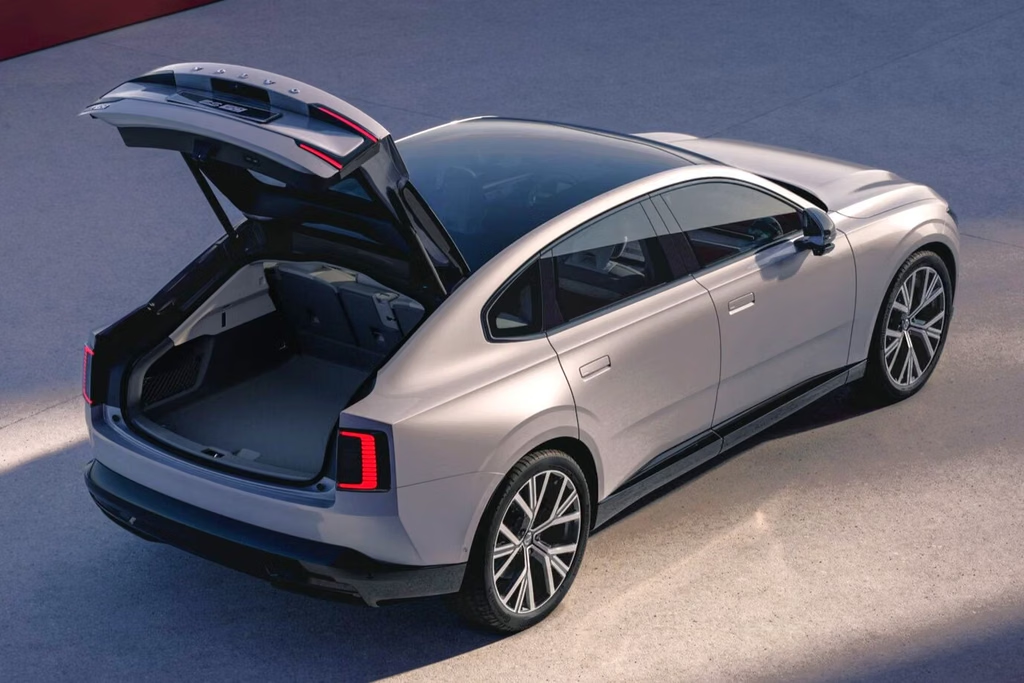
Table of Contents
Volvo ES90 and EX90 Mark a New EV Chapter
The upcoming ES90 and EX90 are more than conventional additions to Volvo’s existing electric portfolio. Both vehicles use the company’s SPA2 architecture and are built around its new-generation Superset technology stack. The Volvo platform is designed to combine hardware and software into a common architecture that can support future EVs.
One of its major advantages is the ability to receive over-the-air software updates, allowing Volvo to introduce improvements to vehicle functionality, safety and performance after the vehicle has been delivered.
This software-focused approach reflects the changing nature of premium EVs, where digital features and connected technology are becoming increasingly important alongside conventional performance and comfort.
Volvo ES90 Gets a Familiar Yet Modern Design
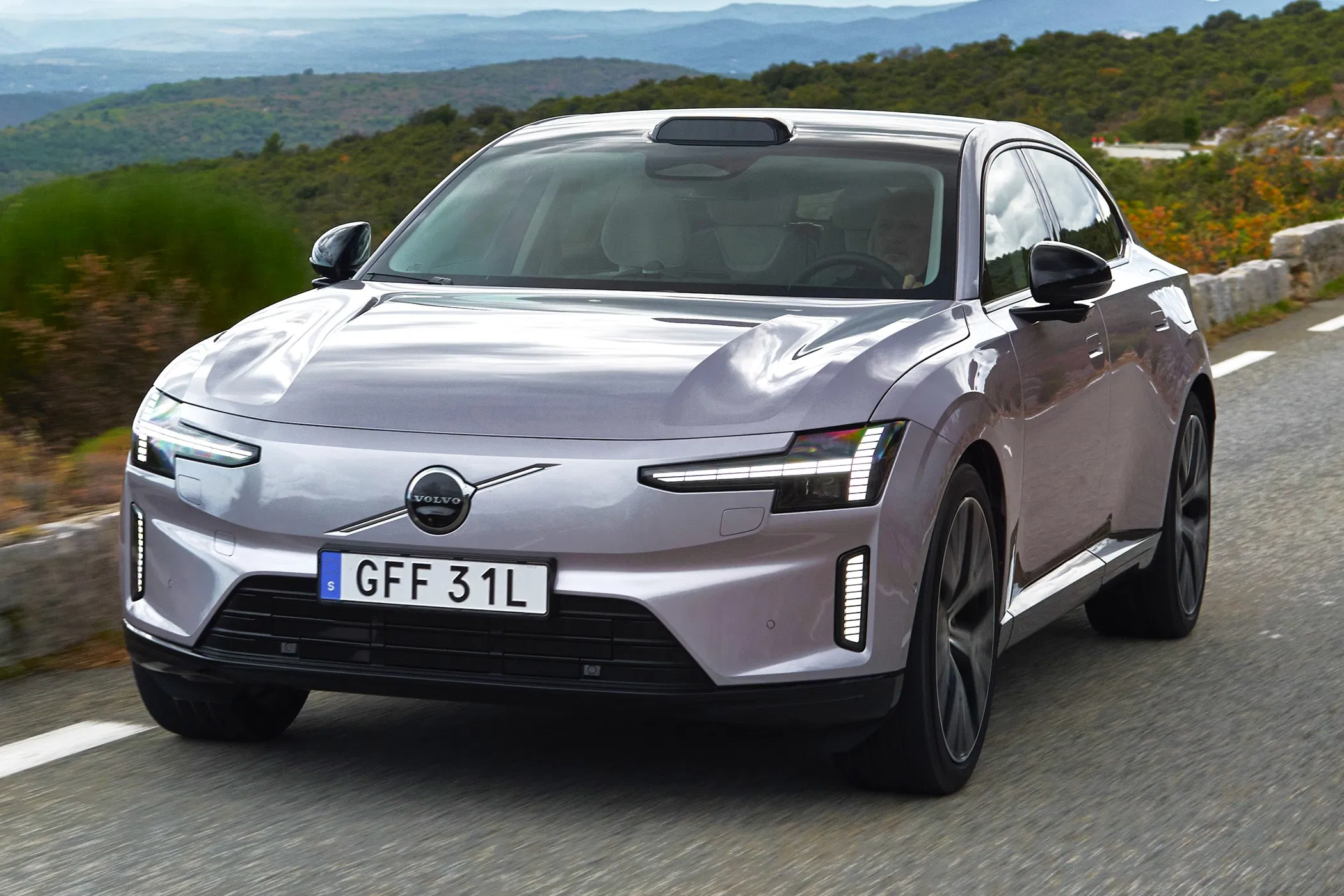
The ES90 follows Volvo’s established design language while introducing a more contemporary interpretation of the company’s premium sedan formula.
At the front, the sedan features Volvo’s signature Thor’s Hammer LED headlights, a design element that has become closely associated with the brand’s modern models.
The ES90’s overall silhouette takes inspiration from the S90, but its electric architecture gives the car a more streamlined appearance.
At the rear, distinctive C-shaped LED tail lamps help establish a separate identity for the model.
Volvo will offer the ES90 with seven exterior paint finishes and four alloy wheel designs, with wheel sizes extending up to 22 inches. This gives buyers several ways to personalise the flagship sedan.
The focus on aerodynamic proportions is also important for an electric vehicle, as reducing aerodynamic drag can contribute to improved efficiency and driving range.
EX90 Brings Seven-Seat Electric SUV Practicality
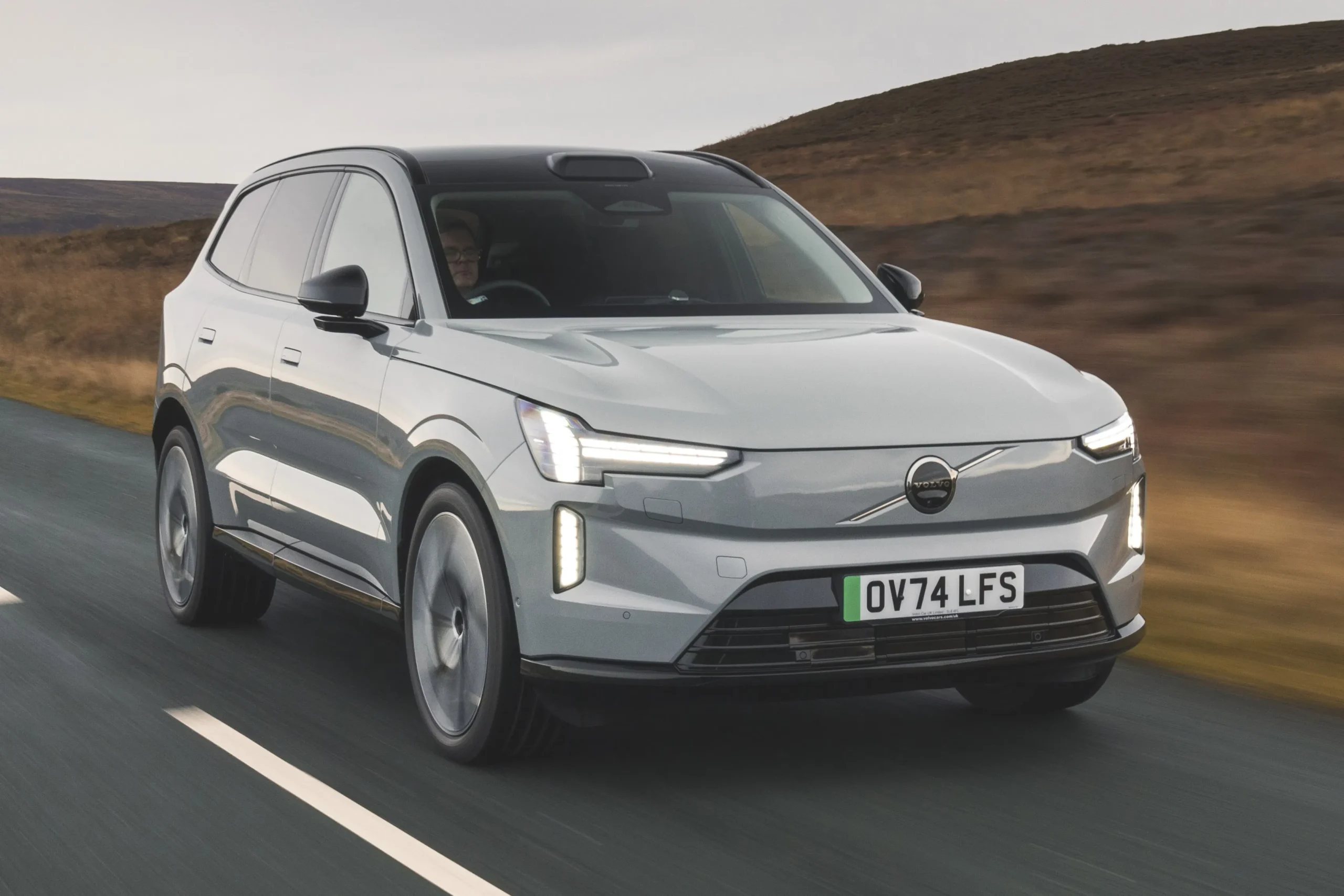
The Volvo EX90 takes the company’s electric SUV formula to a considerably larger scale.
Designed as a seven-seat flagship SUV, the EX90 combines a clean Scandinavian exterior with a technology-heavy package.
The SUV features flush door handles, a sealed front fascia and Volvo’s distinctive digital interpretation of the Thor’s Hammer headlight design.
One of its most recognisable elements is the roof-mounted sensor module. This forms part of the vehicle’s advanced safety and driver-assistance technology, reflecting Volvo’s longstanding focus on safety.
Large 21- and 22-inch alloy wheels further enhance the EX90’s road presence, while segmented LED tail lamps provide a distinctive appearance at the rear.
As Volvo’s flagship electric SUV, the EX90 will sit above the EC40 in the company’s Indian EV portfolio.
Premium and Minimalist ES90 Interior
Inside, the ES90 continues Volvo’s minimalist Scandinavian approach.
The cabin is designed around clean surfaces and a technology-focused layout rather than an abundance of physical controls.
One of the highlights is the panoramic glass roof, which offers up to 99 percent UV protection. An optional electrochromic function allows occupants to adjust the transparency of the glass, providing additional control over the cabin environment.
The ES90 also offers six ambient lighting themes, allowing occupants to alter the atmosphere inside the cabin.
For climate comfort, the sedan gets a four-zone climate control system with an integrated air purifier.
Audio duties are handled by an impressive 25-speaker Bowers & Wilkins system with Dolby Atmos, positioning the flagship sedan firmly within the premium luxury segment.
Google-Integrated Connected Technology
Technology plays a central role in both the ES90 and EX90.
The vehicles feature a 5G-enabled infotainment system with Google built-in, providing access to connected services such as Google Maps and Google Assistant.
The central display measures 14.5 inches, while a 9-inch digital instrument cluster provides essential driving information.
A head-up display is also included, allowing important information to be presented within the driver’s line of sight.
The connected architecture is designed to make the vehicles more adaptable over time, particularly because the Superset technology platform supports over-the-air updates.
This means certain functions and software features can potentially be improved without requiring the vehicle to visit a dealership.
ES90 Gets 800V Architecture and Long Driving Range
The ES90’s electric powertrain is built around the Volvo SPA2 architecture and an 800V electrical system.
The higher-voltage architecture is designed to support faster charging, an increasingly important consideration for premium EV buyers.
Volvo claims the ES90 can add up to 300 kilometres of range in 10 minutes when connected to a 350kW DC fast charger.
The sedan has a claimed WLTP range of up to 700 kilometres on a full charge.
While real-world range can vary depending on driving conditions, temperature, speed and charging infrastructure, the claimed figure places the ES90 among the more ambitious long-range electric sedans entering the premium segment.
The combination of high-voltage charging technology and long claimed range could make the ES90 particularly attractive to buyers looking for a luxury EV suitable for both urban use and longer journeys.
Volvo EX90 Gets Dual-Motor AWD
The EX90 uses a larger 111kWh battery pack and a dual-motor all-wheel-drive system.
Volvo offers the electric SUV in power configurations producing 402hp and 510hp, giving the large seven-seat vehicle substantial performance potential.
The EX90 has an EPA-rated driving range of more than 482 kilometres.
The SUV also features an efficiency-focused system capable of disengaging the rear motor during steady driving conditions.
By reducing the need for both motors to operate continuously when maximum traction is unnecessary, the system can improve efficiency and help extend the vehicle’s driving range.
The combination of all-wheel drive, substantial battery capacity and seven-seat practicality positions the EX90 as a flagship family-oriented luxury EV.
Advanced Software Could Be a Major Differentiator
One of the most important aspects of the ES90 and EX90 is Volvo’s approach to software.
The Superset technology stack is intended to provide a common hardware and software foundation for future Volvo electric vehicles.
Instead of treating a vehicle’s software as something that remains largely unchanged after purchase, Volvo’s system allows functions to be updated remotely.
Over-the-air updates can potentially improve features, introduce new functionality and optimise vehicle systems throughout the ownership period.
This approach puts Volvo closer to the technology-driven philosophy increasingly adopted across the premium EV industry.
For Indian buyers, however, the practical impact of these features will also depend on the availability and quality of connected services and charging infrastructure.
Volvo ES90 vs BMW i5
The ES90 will enter a highly competitive premium electric sedan market.
Its most direct rivals are expected to include the BMW i5, which combines luxury sedan proportions with an electric powertrain.
Volvo’s approach differs in several areas, particularly its emphasis on minimalist Scandinavian design, advanced safety technology and a software-centric vehicle architecture.
The ES90’s claimed 700km WLTP range and 800V charging system could also become important selling points in a segment where charging speed and long-distance usability are major considerations.
The final positioning will depend heavily on the ES90’s India-spec specifications and pricing, which will determine how competitive it becomes against established German luxury EVs.
EX90 Becomes Volvo’s Flagship Electric SUV
The EX90 will occupy an even more distinctive position in Volvo’s Indian line-up.
As a seven-seat flagship EV, it combines family practicality with premium luxury and advanced technology.
Its large battery, dual-motor AWD system and high-output powertrain options give it the credentials expected from a flagship electric SUV.
The EX90’s positioning above the EC40 also means Volvo will have a wider spread of electric SUV offerings in India.
For customers who want a premium electric vehicle capable of carrying larger families, the EX90’s three-row configuration could be a significant advantage.
A Major Expansion of Volvo’s Indian EV Portfolio
The launch of the ES90 and EX90 comes as India’s luxury EV market continues to develop.
Premium manufacturers are increasingly bringing flagship electric models to the country, with buyers becoming more familiar with EV technology, fast charging and connected vehicle features.
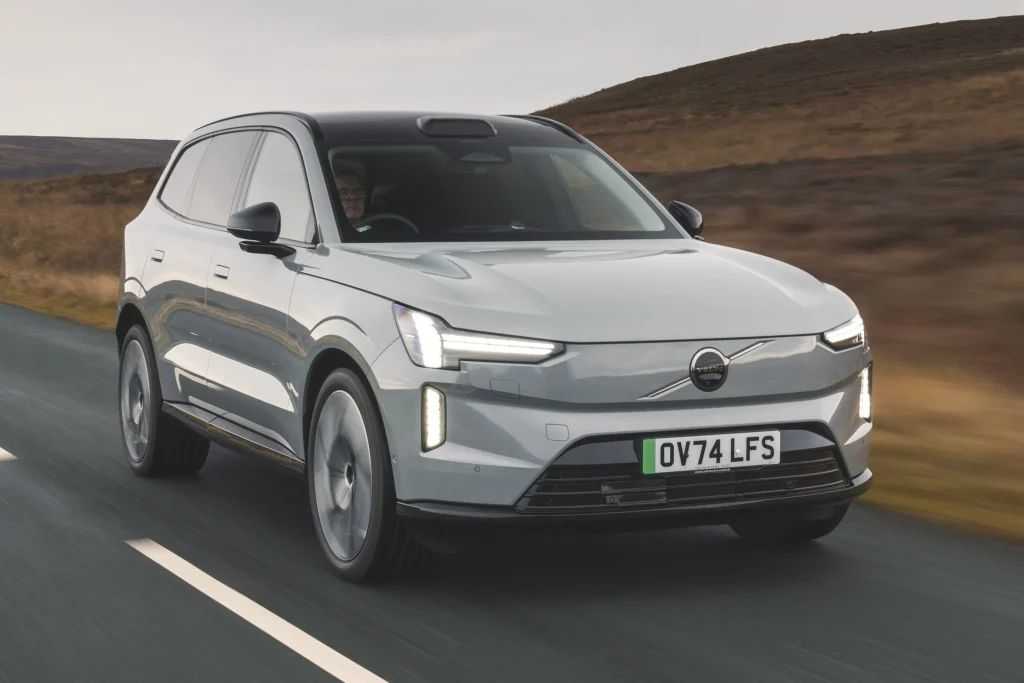
Volvo has already established an electric presence in India, but the arrival of these two models represents a move further into the premium end of the market.
The ES90 targets buyers seeking a luxury electric sedan, while the EX90 caters to customers who want the additional space and practicality of a large seven-seat SUV.
October 12 Launch Could Set the Tone for Volvo’s EV Strategy
The October 12 India debut of the Volvo ES90 and EX90 will provide the first opportunity for Indian customers to experience Volvo’s latest generation of electric vehicle technology.
The two models combine distinctive Scandinavian styling with high-voltage charging systems, large batteries, advanced connected technology and Volvo’s latest software architecture.
The ES90 stands out with its claimed 700km WLTP range and ability to add up to 300km in 10 minutes under suitable fast-charging conditions. The EX90, meanwhile, brings seven-seat practicality, a 111kWh battery and dual-motor all-wheel drive to Volvo’s flagship SUV line-up.
With both models positioned at the premium end of the market, their India launch will be an important test of demand for high-end electric vehicles.
More importantly, the ES90 and EX90 could establish a new direction for Volvo Cars India—one where electric performance, luxury, safety and continuously updated software become central to the brand’s flagship offering.