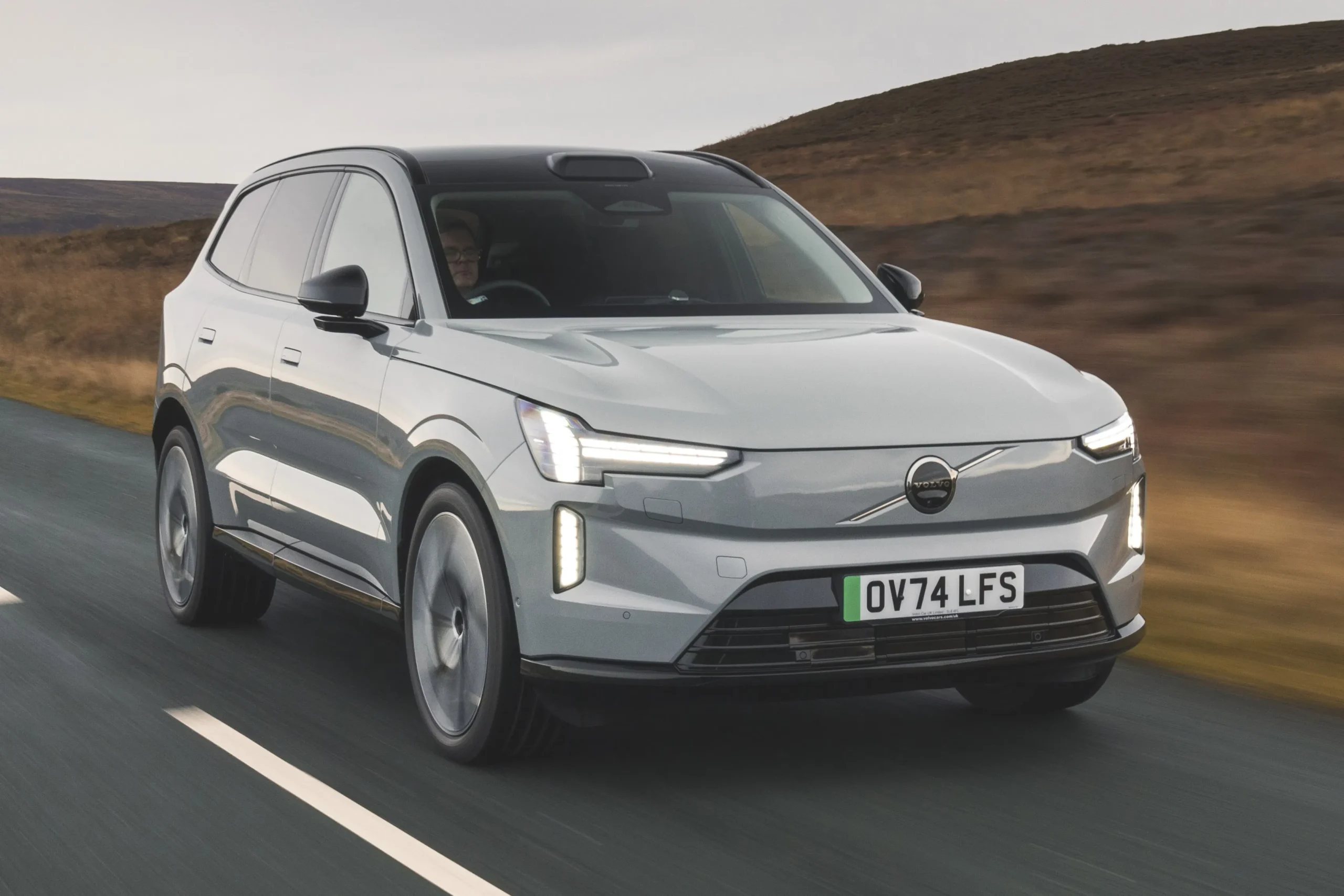
Audi Q3 is set to arrive in India between July and September 2026, bringing the third-generation luxury SUV with a bold new design, upgraded technology, a 204hp turbo-petrol engine and an expected starting price of around Rs 55 lakh (ex-showroom).
With an expected starting price of around Rs 55 lakh (ex-showroom), the new Q3 will continue to compete in India’s entry-level luxury SUV segment against models such as the Mercedes-Benz GLA and BMW X1. The new-generation SUV is expected to retain a 2.0-litre turbo-petrol engine paired with a seven-speed dual-clutch automatic transmission, while quattro all-wheel drive will add to its performance credentials.
Audi India has also teased the next-generation Q3 ahead of its arrival, increasing anticipation around one of the brand’s important products for the Indian market.
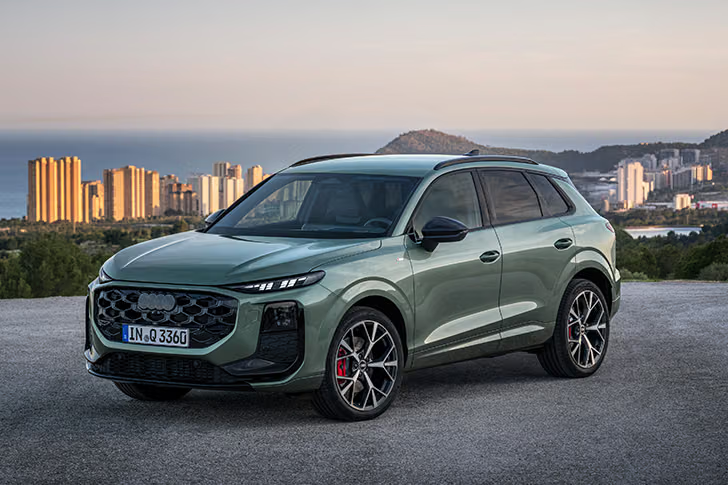
Table of Contents
New Audi Q3 Gets a Major Design Transformation
The third-generation Audi Q3 receives a significantly redesigned exterior compared with the outgoing model.
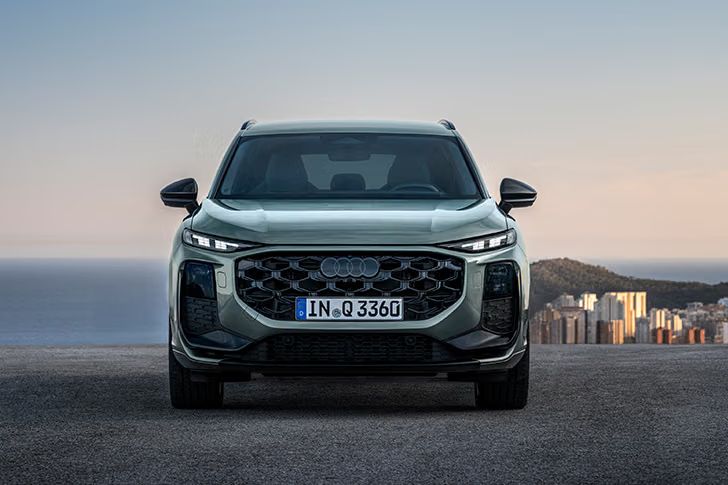
One of the most prominent changes is the new front-end design. The SUV gets a wide octagonal grille surrounded by a sharper and more modern lighting arrangement. Instead of the conventional headlamp layout seen on the previous model, the new Q3 features a distinctive split-headlight setup.
The lighting technology is expected to include Matrix LED units, while the pixel-style LED daytime running lights give the SUV a more contemporary identity.
The new lighting signature is particularly important because Audi has been using advanced digital lighting technology as a major design element across its latest-generation models. The Q3 brings this approach into the compact luxury SUV segment.
The front bumper has also been redesigned, with more muscular surfaces and larger-looking air intakes contributing to a sportier appearance.
Longer Body and More Muscular Proportions
The new Audi Q3 is around 40mm longer than its predecessor.
The increase in overall length should provide the SUV with a more substantial road presence while potentially improving cabin packaging. Audi has retained the compact dimensions necessary for urban driving but has given the new Q3 a more mature appearance.
The side profile features newly designed alloy wheels, with 18-inch wheels expected to be offered.
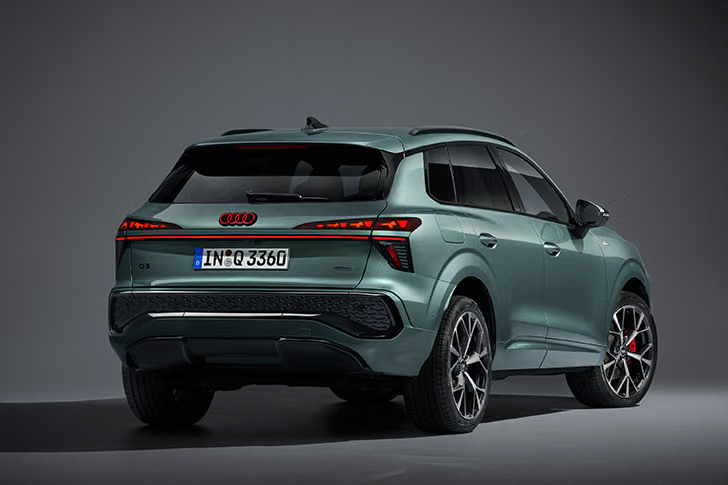
At the rear, the new Q3 gets a distinctive LED light bar connecting the rear lighting elements. This gives the SUV a wider visual stance and brings its styling closer to Audi’s latest design language.
The rear bumper has also been redesigned with a more muscular appearance.
Overall, the new Q3 moves away from the softer styling of the previous generation and adopts a sharper, more technical design.
2.0-Litre Turbo-Petrol Engine Continues
Under the bonnet, the India-spec Audi Q3 is expected to continue with a 2.0-litre turbo-petrol engine.
The engine is rated at 204hp and will be paired with a 7-speed dual-clutch automatic transmission.
Power is expected to be delivered to all four wheels through Audi’s all-wheel-drive system.
The combination should make the new Q3 one of the more performance-focused offerings in its segment. Audi claims a 0-100kph acceleration time of 7.1 seconds, giving the SUV enough performance to appeal to buyers looking for more than just a comfortable luxury crossover.
The all-wheel-drive setup should also provide additional traction during hard acceleration and in challenging road conditions.
For India, the continued use of a 2.0-litre turbo-petrol engine keeps the Q3 aligned with the powertrain strategy of the outgoing model.
Audi Q3 Mileage Expected at 12.36kpl
Despite its performance credentials, efficiency will remain an important consideration for Indian buyers.
The new Audi Q3 has a claimed fuel-efficiency figure of 12.36kpl under WLTP testing.
However, real-world fuel economy is likely to vary depending on traffic, driving style, road conditions and the use of the SUV in urban or highway environments.
The turbo-petrol engine, automatic transmission and all-wheel-drive system provide a performance-oriented combination, but buyers should not expect economy-car levels of fuel efficiency from the luxury SUV.
New Audi Q3 Interior Gets a Technology-Focused Layout
The cabin of the new Audi Q3 is expected to receive a major technology upgrade.
The interior follows a driver-focused layout, with the dashboard designed around digital displays and a modern infotainment interface.
One of the key highlights is expected to be a 12.8-inch infotainment touchscreen.
The large central display should provide access to navigation, entertainment, vehicle settings and connectivity functions.
The SUV is also expected to feature an 11.9-inch digital instrument cluster, providing the driver with information through a configurable digital display.
Together, the two screens will give the Q3 a significantly more contemporary cabin experience than the outgoing model.
Different interior colour schemes are also expected depending on the variant, allowing Audi to offer a degree of personalisation within the range.
Wireless Smartphone Connectivity and Premium Comfort
Connectivity will be another important area of the new Q3’s equipment list.
The SUV is expected to support wireless Android Auto and Apple CarPlay, allowing compatible smartphones to connect without requiring a physical cable.
A 360-degree camera is also expected to be offered.
This feature can be particularly useful in urban environments, where parking spaces can be tight and visibility around the vehicle may be restricted.
The new Q3 is also expected to get a sunroof, adding to the premium character of the cabin.
Another expected feature is three-zone climate control, which should allow front and rear occupants greater control over the cabin temperature.
These features will be important as Audi seeks to compete with increasingly well-equipped rivals in India’s luxury SUV market.
488-Litre Boot Offers Practicality
Despite its premium positioning and performance-oriented powertrain, the Q3 remains designed as a practical family SUV.
The new model is expected to offer a 488-litre boot.
That should provide enough space for everyday luggage and weekend travel requirements, while the SUV’s five-door layout makes it considerably more practical than a traditional luxury sedan.
The increased exterior length may also help Audi optimise passenger and luggage space compared with the outgoing model.
For buyers upgrading from mainstream SUVs, the combination of premium design, practicality and Audi’s brand appeal could make the Q3 an attractive proposition.
Safety Features and ADAS Expected
Safety will be another major component of the new Audi Q3’s equipment package.
The India-spec model is expected to offer seven airbags as standard, providing protection for occupants in the event of a collision.
Other expected safety and electronic assistance features include:
- Anti-lock braking system (ABS)
- Electronic brakeforce distribution (EBD)
- Electronic stability program (ESP)
- Traction control
- ISOFIX child-seat mounting points
- Advanced driver assistance systems (ADAS)
The inclusion of ADAS will bring the Q3 in line with the increasing focus on active safety technology in the premium automotive segment.
The exact specifications and availability of individual driver-assistance features may vary by variant and will be confirmed closer to the India launch.
Audi Q3 to Take on BMW X1 and Mercedes-Benz GLA
The new Audi Q3 will enter one of the most competitive sections of India’s luxury car market.
Its primary rivals will include the BMW X1 and Mercedes-Benz GLA.
The BMW X1 has established itself as a popular entry point into the German luxury SUV segment, while the Mercedes-Benz GLA appeals to customers seeking a compact SUV with a strong emphasis on design and premium features.
With an expected starting price of around Rs 55 lakh, the new Q3 will be positioned firmly within this premium competitive set.
Audi will therefore need to balance pricing, equipment, performance and ownership experience to attract customers.
The 204hp engine and all-wheel-drive system could give the Q3 an advantage for buyers who prioritise performance, while its redesigned cabin and advanced digital technology should appeal to customers looking for a modern luxury experience.
New Audi Q3 Brings a More Distinctive Identity
The third-generation Q3 marks a significant change in Audi’s approach to the compact luxury SUV.
Rather than simply updating the outgoing model, Audi has introduced a much more distinctive exterior design and a technology-heavy cabin.
The split-headlight arrangement, pixel LED DRLs, large octagonal grille and full-width rear light bar give the SUV a recognisable identity.
Inside, the large digital displays and expected connectivity features should make the cabin feel considerably more modern.
The 2.0-litre turbo-petrol engine also ensures that performance remains an important part of the Q3 package.
India Launch Expected Between July and September 2026
Audi has indicated that the new Q3 is headed for India in 2026, with the launch expected during the July-September period.
Audi India recently teased the next-generation Q3 ahead of its debut, providing further confirmation that the new SUV is approaching its market introduction.
The third-generation Q3 was globally revealed in June 2025, following an initial teaser earlier that month. Audi subsequently confirmed plans for an India launch in 2026.
The India-spec version is expected to be tailored around the requirements of the local market, including the 2.0-litre turbo-petrol powertrain.
Expected Price and Positioning
The 2026 Audi Q3 price is expected to start at around Rs 55 lakh, ex-showroom.
The final price will depend on the variants and equipment levels Audi chooses for India.
At this price point, the Q3 will sit in direct competition with established German luxury SUVs.
Its success will depend not only on its new design but also on how Audi positions its equipment and variants against rivals.
The new model’s combination of 204hp, all-wheel drive, a 7-speed dual-clutch gearbox, advanced lighting, digital displays and expected ADAS technology gives Audi plenty of selling points.
New Audi Q3: What to Expect
The new-generation Q3 arrives at an important time for Audi in India. Luxury SUV buyers are increasingly looking for a combination of premium design, technology, performance and everyday practicality, rather than simply choosing a vehicle based on its badge.
The upcoming Q3 addresses those expectations with a substantially redesigned exterior, a more modern cabin and a familiar but capable 2.0-litre turbo-petrol powertrain.
Its 7.1-second 0-100kph time, all-wheel-drive system and expected 12.36kpl WLTP efficiency figure give it a balanced performance proposition.
Meanwhile, features such as the 12.8-inch infotainment screen, 11.9-inch digital instrument cluster, 360-degree camera, three-zone climate control, sunroof and wireless smartphone connectivity should help it compete strongly on equipment.
With the Audi Q3 India launch expected between July and September 2026, attention will now turn towards its official specifications, variant structure and final pricing. If Audi manages to position the new Q3 competitively against the BMW X1 and Mercedes-Benz GLA, the third-generation SUV could become an important addition to the brand’s Indian portfolio.