Supply Racket involving counterfeit medicines has suffered a major setback after the Cyber Cell of the Delhi Police Crime Branch arrested the alleged kingpin behind an interstate network engaged in the illegal manufacturing and distribution of fake medicines. The arrest marks a significant breakthrough in one of the most important investigations related to counterfeit pharmaceuticals, with the total number of accused persons arrested in the case now reaching ten.
According to Delhi Police, the accused had been absconding for several months after the Crime Branch busted an illegal manufacturing unit earlier this year. Following sustained technical surveillance, intelligence gathering and coordinated field operations, investigators tracked him to Muzaffarnagar in Uttar Pradesh, where he was apprehended.
The latest arrest is being viewed as a major achievement because investigators believe the accused was the principal conspirator who coordinated the illegal manufacturing, branding and interstate distribution of counterfeit medicines. The operation also highlights the increasing role of technology, intelligence-based policing and interstate coordination in dismantling organized criminal networks involved in public health-related offences.
Table of Contents
Major breakthrough in an extensive investigation
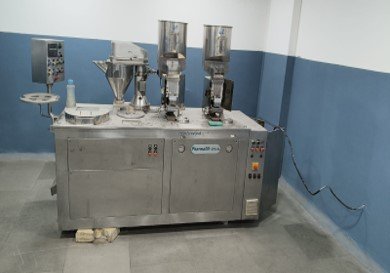
The investigation began after the Crime Branch unearthed an illegal manufacturing unit allegedly producing counterfeit medicines resembling products manufactured by well-known pharmaceutical companies.
Following the raid conducted on April 1, 2026, several individuals connected to the illegal operation were arrested. However, investigators found that the alleged mastermind had managed to evade arrest immediately after the factory was exposed.
Police obtained Non-Bailable Warrants (NBWs) against the accused and launched a sustained search operation involving technical surveillance, local intelligence and continuous monitoring of his possible locations.
After months of investigation, Crime Branch officers successfully arrested Mohd. Aqdas Siddiqui, a 28-year-old BBA graduate from Jamia Millia Islamia and a resident of Muzaffarnagar, Uttar Pradesh.
According to investigators, Siddiqui allegedly played the central role in operating the Supply Racket, coordinating manufacturing activities and overseeing the interstate distribution of counterfeit medicines.
His arrest significantly strengthens the investigation by allowing police to examine the network’s leadership, financial transactions and distribution channels in greater detail.
Ten accused arrested in the case
With the arrest of the alleged kingpin, the number of people arrested in connection with the Supply Racket has risen to ten.
Earlier, Crime Branch had arrested several individuals who allegedly played different roles within the criminal network.
The arrested persons include suppliers, distributors, operators of pharmaceutical businesses, providers of fake GST firms and individuals allegedly involved in financial transactions connected with the illegal operation.
Investigators believe each accused handled a specific responsibility, indicating that the counterfeit medicine operation functioned through an organised and well-structured network rather than isolated criminal activity.
The multi-layered structure made the Supply Racket capable of manufacturing, packaging, transporting and distributing fake medicines across different states.
Sophisticated counterfeit manufacturing operation
One of the most concerning aspects of the investigation is the level of sophistication allegedly adopted by the accused.
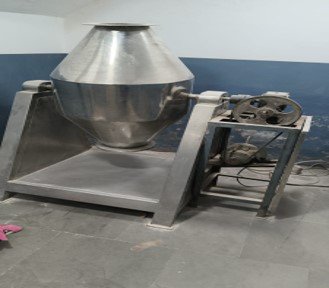
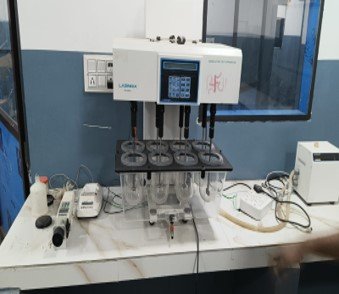
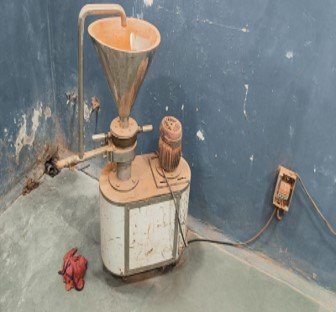
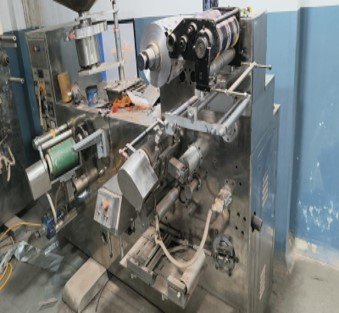
According to Delhi Police, the Supply Racket established a counterfeit medicine manufacturing unit capable of producing fake versions of medicines marketed by reputed pharmaceutical companies.
Investigators found that the accused allegedly used:
- Counterfeit packaging materials
- Forged labels
- Fake trademarks
- Fabricated dies
- Counterfeit punch sets
- Deceptive printing material closely resembling genuine packaging
These methods reportedly enabled the accused to manufacture products that visually resembled authentic medicines, making it difficult for ordinary buyers to distinguish genuine products from counterfeit ones.
Such sophisticated imitation significantly increases the risk that counterfeit medicines could enter legitimate-looking supply chains.
Counterfeit versions of reputed medicines
The investigation revealed that the Supply Racket allegedly manufactured counterfeit versions of several medicines commonly prescribed for important medical conditions.
Among the medicines identified during the investigation were products used for:
- Treatment of nausea and vomiting
- Management of vertigo
- Neuropathic pain
- Diabetic neuropathy
- Vitamin B12 deficiency
- Nerve repair
- Calcium supplementation
- Bone health maintenance
These medicines are widely prescribed by medical professionals for patients requiring long-term treatment.
The alleged counterfeiting of medicines intended for such health conditions raises serious concerns because patients often rely on these medications for effective disease management.

Illegal profits through aggressive pricing
Investigators found that the accused allegedly manufactured counterfeit medicines at extremely low production costs.
The fake products were then reportedly supplied to wholesalers and retailers at prices nearly 60 percent lower than genuine branded medicines available in the market.
This pricing strategy appears to have played a major role in expanding the Supply Racket across multiple states.
Lower prices can make counterfeit products attractive to dishonest distributors seeking higher profit margins.
By offering Supply Racket products that closely resembled genuine medicines at substantially reduced prices, the accused allegedly created a competitive advantage that helped the illegal network expand rapidly.
Police believe this strategy generated enormous unlawful profits while simultaneously undermining legitimate pharmaceutical businesses.
Serious threat to public health
Unlike many financial crimes, counterfeit medicine offences directly affect public health.
According to investigators, the fake medicines allegedly manufactured by the Supply Racket lacked the quality, safety, efficacy and therapeutic standards required under law.
Medicines intended to treat nerve disorders, calcium deficiency or chronic health conditions must be manufactured under strict pharmaceutical regulations.
Counterfeit medicines may contain incorrect ingredients, insufficient active substances or completely ineffective formulations.
Such products can delay proper treatment, worsen existing medical conditions or create additional health complications for patients.
By disrupting this illegal network, Delhi Police has prevented potentially unsafe medicines from reaching more consumers.
Financial losses to pharmaceutical companies
The impact of counterfeit medicines extends beyond patient safety.
Well-known pharmaceutical companies invest heavily in research, manufacturing quality, clinical testing, packaging security and regulatory compliance.
Counterfeit operators illegally exploit the reputation of established brands without investing in any of these processes.
The alleged Supply Racket reportedly copied the branding of reputed pharmaceutical companies to gain consumer trust while selling fake products through illegal channels.
This not only damages company reputation but also causes substantial financial losses due to counterfeit sales replacing genuine products.
The case therefore represents both an economic crime and a public health offence.
Modern investigation techniques lead to success
The successful arrest demonstrates how modern policing increasingly combines traditional investigation with advanced technology.
Crime Branch officers relied upon:
- Technical surveillance
- Local intelligence
- Continuous field verification
- Interstate coordination
- Financial investigation
- Digital tracking
Rather than depending solely on routine policing methods, investigators followed evidence across multiple jurisdictions before locating the absconding accused.
Such investigations Supply Racket often require months of patient intelligence gathering because organised criminal networks deliberately conceal their identities, financial records and operational locations.
The arrest reflects the effectiveness of sustained investigative efforts undertaken by the Crime Branch.
Appreciating the Crime Branch
The operation deserves appreciation for its professionalism and persistence.
Tracking an absconding accused across state boundaries requires careful planning, continuous surveillance and coordination among multiple investigative teams.
The Crime Branch not only dismantled an illegal manufacturing facility earlier but also continued pursuing the alleged mastermind instead of limiting the investigation to the initial arrests.
Such persistence reflects Delhi Police’s commitment to tackling organised crime affecting public welfare.
The successful arrest of the alleged kingpin strengthens the investigation considerably and increases the likelihood of identifying additional members connected to the Supply Racket.
Operations of this nature require expertise extending beyond conventional criminal investigation because they involve financial fraud, counterfeit manufacturing, intellectual property violations and public health concerns simultaneously.
Interstate nature of organized crime
The investigation also illustrates how organised criminal groups increasingly operate across multiple states.
Raw materials may originate from one location.
Manufacturing may occur in another state.
Packaging materials can be sourced separately.
Distribution networks often extend through wholesalers and retailers operating across different cities.
Financial transactions may involve multiple bank accounts and shell entities.
The alleged Supply Racket appears to have followed a similar interstate model, making coordinated investigation essential.
Interstate cooperation Supply Racket allows investigators to connect evidence collected from different jurisdictions and identify the complete network instead of isolated participants.
Financial trail under investigation
Police are continuing efforts to trace the financial proceeds generated through the counterfeit medicine business.
Investigators are examining banking records, GST-related documentation, supplier transactions and distribution networks to establish how profits moved through the organisation.
Following the money trail often helps investigators identify additional beneficiaries who may not have participated directly in manufacturing but profited from illegal sales.
Financial investigations also assist authorities in recovering proceeds of crime wherever legally permissible.
Following the arrest of the alleged mastermind, Delhi Police is continuing to investigate every aspect of the Supply Racket.
The Crime Branch is working to identify Supply Racket suppliers of raw materials, manufacturers of counterfeit packaging, transporters, distributors, wholesalers, retailers and other associates who may have contributed to the illegal operation.
Investigators are also examining backward and forward linkages to determine how counterfeit medicines entered commercial distribution channels and reached different markets.
The continuing investigation aims to completely dismantle the interstate Supply Racket, recover additional evidence and ensure that every individual involved in the manufacture and illegal distribution of counterfeit medicines is brought within the scope of the ongoing legal proceedings.
A significant blow to the counterfeit medicine network
The arrest of the alleged kingpin represents one of the biggest breakthroughs in the case, as investigators believe he played a central role in coordinating the manufacturing and interstate distribution of counterfeit medicines Supply Racket . With the total number of accused arrested reaching ten, the operation has exposed the structured manner in which the alleged Supply Racket operated through manufacturers, suppliers, fake GST entities and financial channels.
The case also highlights the importance of coordinated policing, technical surveillance and intelligence-based operations in tackling organised economic crimes that directly affect public health. By dismantling a network allegedly involved in Supply Racket producing fake versions of widely used medicines, the Delhi Police Crime Branch has not only disrupted an illegal business but also protected consumers from products that could have posed serious health risks. The successful operation stands as another example of the Crime Branch’s focused efforts to combat organised crime and safeguard public confidence in the pharmaceutical supply chain.