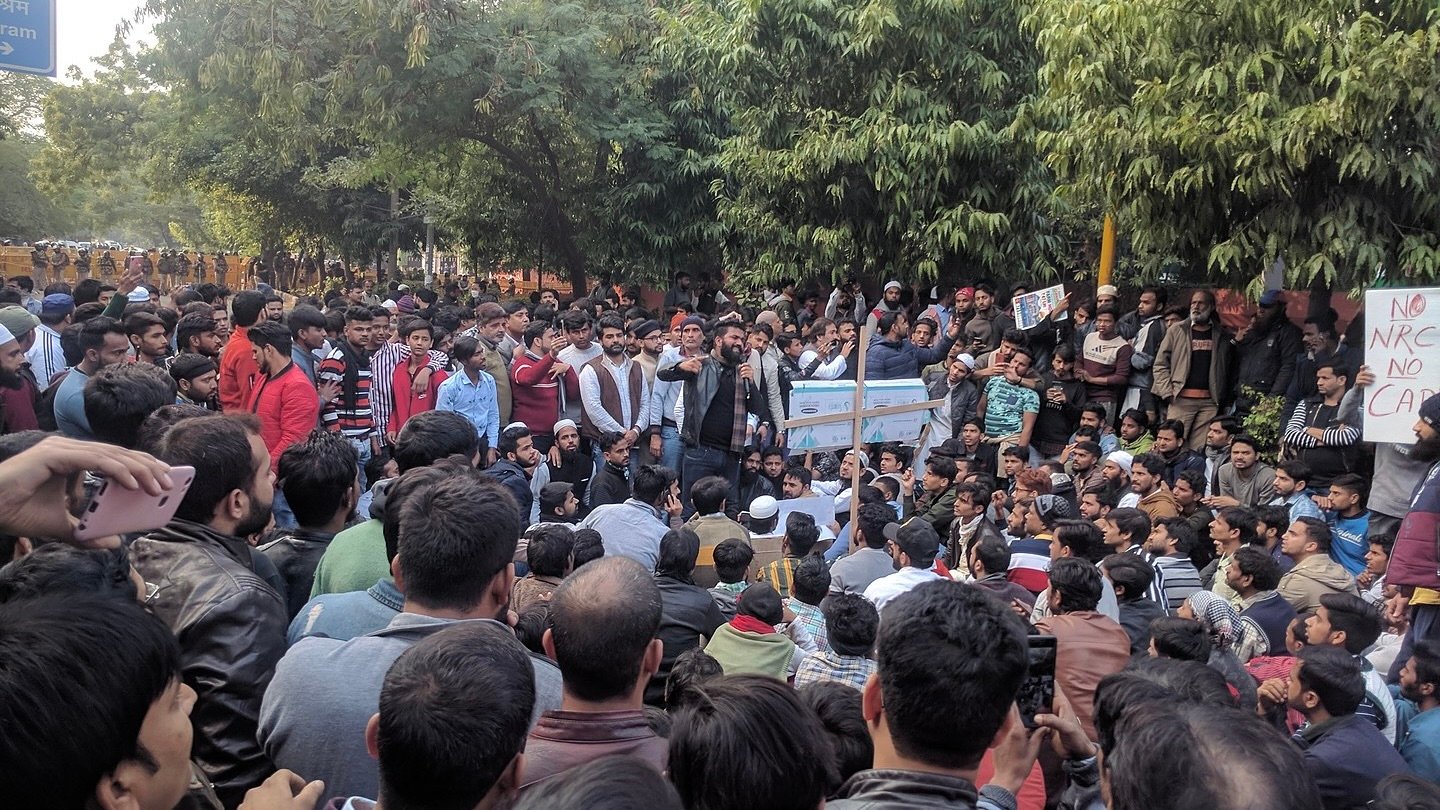
NEET has emerged as one of the major areas of discussion in the Supreme Court-appointed National Task Force (NTF), which is preparing its final report on student well-being and the factors contributing to distress among students in higher educational institutions. According to sources familiar with the panel’s deliberations, the report is expected to examine how competitive entrance examinations such as NEET, coaching culture, academic pressure, curriculum changes and institutional challenges collectively affect students.
The task force, headed by former Supreme Court judge Justice (Retd.) S. Ravindra Bhat, was constituted in March 2025 following concerns over the increasing number of student suicides in higher educational institutions. While the committee’s official mandate is limited to higher education, its consultations indicate that many of the pressures experienced by students begin much earlier during school education and the preparation for competitive entrance examinations like NEET.
Rather than treating the issue solely as a matter of mental health, the panel is expected to recommend a broader approach that considers educational, social and institutional factors together.
Table of Contents

NEET and Coaching Pressure Expected to Feature in Final Report
One of the key observations likely to appear in the final report is that the pressure associated with NEET and the country’s expanding coaching ecosystem begins long before students enter colleges or universities.
Preparing for NEET often requires years of intensive study, regular testing and continuous competition among lakhs of aspirants. Many students also relocate to coaching hubs, spending long hours balancing school education with entrance examination preparation.
According to people associated with the task force, although NEET itself is outside the panel’s formal mandate, its impact cannot be ignored because the stress generated during preparation often continues into higher education.
The panel is expected to recognise that entrance examinations, coaching institutions and intense academic competition form an important part of the larger educational environment influencing students’ overall well-being.
Panel Says Student Distress Cannot Be Viewed Only as a Mental Health Issue
The National Task Force submitted its interim report to the Supreme Court on June 8, where it emphasised that student suicides should not be understood only through the lens of mental illness.
According to sources associated with the exercise, the final report is expected to reinforce this view by highlighting that multiple pressures often accumulate over time.
These include academic competition, financial hardship, discrimination, language barriers, family expectations, social isolation and institutional challenges.
The panel believes that focusing exclusively on mental health may overlook the broader educational and social conditions that influence students throughout their academic journey.
This wider perspective is expected to guide future recommendations aimed at creating more supportive learning environments.

NEET Controversy Added to Student Anxiety
The report is also expected to refer to the recent developments surrounding NEET, which became one of the most widely discussed education issues this year.
The examination conducted on May 3 was cancelled following allegations of a question paper leak and was conducted again on June 21.
The unexpected developments created uncertainty for lakhs of students who had already invested months, and in many cases years, preparing for one of India’s most competitive entrance examinations.
The disruption highlighted how unexpected changes in examination schedules can increase academic uncertainty and place additional pressure on students preparing for career-defining tests.
Officials involved in the consultation process are understood to have examined how such events contribute to stress within the larger education system.
Frequent Curriculum Changes Also Under Review
Apart from NEET, the task force has reportedly examined the impact of repeated curriculum revisions and changes in teaching methods.
Education experts involved in the consultations observed that frequent modifications to syllabi, examination patterns and academic requirements often require students to adapt quickly.
Such transitions can become particularly challenging when major educational reforms are introduced within short periods.
The implementation of the National Education Policy (NEP), introduction of new NCERT textbooks, curriculum reforms and changes in learning approaches have significantly transformed India’s education landscape.
While these reforms aim to modernise education, the panel is expected to recommend that changes be implemented carefully so that students receive adequate time and academic support during transitions.
Language and Social Challenges in Higher Education
Another important issue likely to receive attention in the report is the experience of students from non-English backgrounds after joining technical and professional institutions.
Many higher educational institutions primarily use English as the medium of instruction, creating additional academic challenges for students educated in regional languages.
According to the discussions held by the task force, these students may also experience feelings of isolation while adjusting to new academic environments.
The panel is expected to recommend stronger academic support systems that help students adapt more comfortably without compromising educational standards.
Consultations also highlighted concerns regarding discrimination, inadequate mentoring and limited interaction between students and faculty members.
Infrastructure and Student Support Systems Need Strengthening
The National Task Force has also examined the rapid expansion of higher education institutions across the country.
While access to higher education has improved considerably over the years, officials involved in the exercise believe infrastructure and student support services have not always expanded at the same pace.
NEET ,Issues such as overcrowded campuses, shortage of faculty, hostel accommodation constraints, delays in scholarship disbursal and limited academic counselling reportedly emerged repeatedly during consultations.
The panel is expected to recommend strengthening institutional support systems so that students receive timely academic guidance and administrative assistance throughout their educational journey.

One of India’s Largest Education Consultations
The recommendations being prepared by the National Task Force are based on one of the country’s largest consultation exercises focusing on student well-being.
According to official information, around 60,000 teachers, nearly 16,000 colleges and universities, and approximately 2.5 lakh to 3 lakh parents and members of the public participated in the consultation process.
The panel also visited nearly 40 educational institutions across different parts of India.
During these visits, members interacted with students from diverse backgrounds, including women, Scheduled Castes, Scheduled Tribes, students from the Northeast, persons with disabilities and learners belonging to economically weaker sections.
These consultations provided valuable insights into the challenges experienced by students across different educational settings.
Supreme Court’s Concern Over Rising Student Suicides
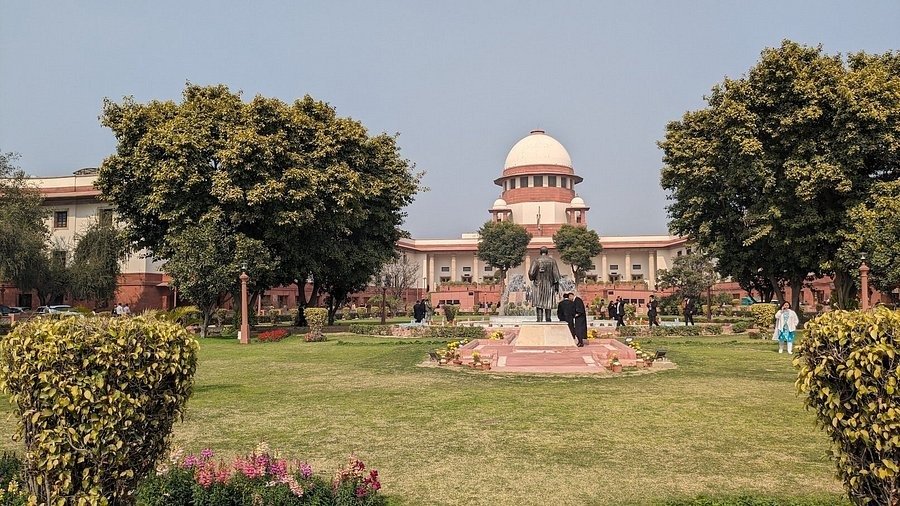
The National Task Force was constituted after the Supreme Court expressed concern regarding the increasing number of student suicides in India.
During proceedings in Amit Kumar & Others v. Union of India (2026), the Court observed that student suicides had doubled over a decade.
The Court noted that approximately 13,000 student suicides were reported in 2022, accounting for 7.6 percent of all deaths by suicide in the country during that year.
The Court directed the formation of the National Task Force to examine the reasons behind these incidents, review existing institutional mechanisms and recommend measures aimed at improving student well-being within higher educational institutions.
Expected Recommendations Focus on Reducing Academic Pressure
According to sources, NEET the final report is expected to recommend reducing unnecessary curriculum load while encouraging greater emphasis on critical thinking, reasoning and conceptual learning.
The panel is also understood to favour educational policies that allow students greater flexibility in choosing subjects aligned with their interests rather than pursuing careers primarily shaped by parental expectations or social pressure.
NEET, The overall objective, according to those familiar with the discussions, is to create an education system that supports learning while reducing avoidable academic stress.
The final report is expected to be submitted to the Supreme Court later this year after the task force completes its ongoing consultations with educational institutions and stakeholders across the country.