New Delhi: Congress has consistently targeted the Narendra Modi-led central government on issues ranging from the caste census and Operation Sindoor to the Waqf Bill and several national controversies. However, while Congress is attempting to expand its political footprint across India, its own position in Delhi has continued to weaken for years. Looking ahead, the party appears far from reclaiming the political influence it once enjoyed in the national capital.
For several decades, Congress was one of the dominant political forces in Delhi. The tenure of former Chief Minister Sheila Dikshit is still remembered as one of the city’s most significant periods of infrastructure development and governance. Even today, election campaigns often draw comparisons with the developmental work carried out during her administration.
Table of Contents
Ironically, the same Congress that once governed Delhi comfortably has now been reduced to electoral irrelevance. The party has consistently failed to secure a meaningful presence in the Delhi Assembly, and despite expectations of a modest revival in the 2025 Assembly elections, Congress once again failed to make an impact.
Senior leaders such as Sandeep Dikshit, Alka Lamba, and Delhi Congress President Devender Yadav campaigned actively, but many political observers believe the party’s central leadership never treated Delhi as a priority. Over the years, several influential leaders who had spent decades with Congress chose to leave the party and join either the Bharatiya Janata Party (BJP) or the Aam Aadmi Party (AAP). Leaders such as Arvinder Singh Lovely and Haroon Yusuf are among the prominent names who parted ways with Congress, significantly weakening the party’s organisational strength.
Organisational Collapse Since 2013
Congress’s organisational structure in Delhi has steadily deteriorated since 2013. The party has struggled to develop a strong grassroots leadership capable of reconnecting with voters and rebuilding public confidence.
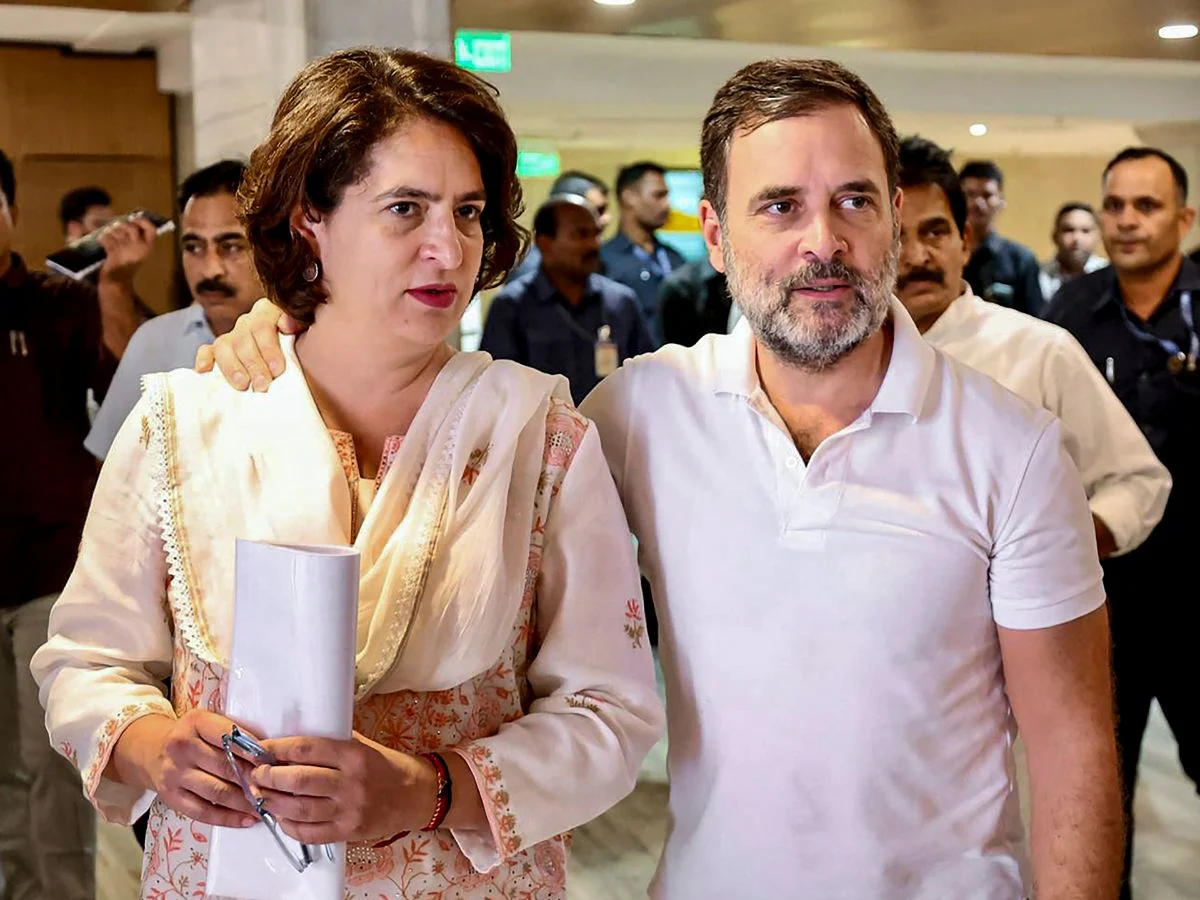
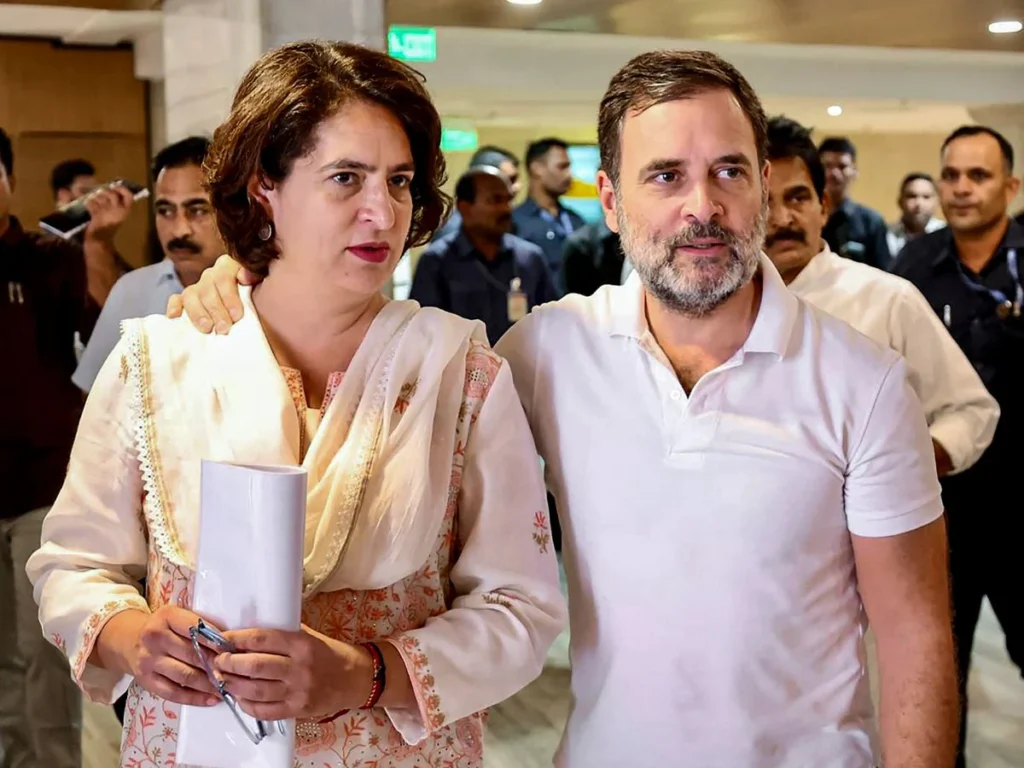
Much of the responsibility ultimately rested with Rahul Gandhi and Priyanka Gandhi Vadra. However, critics argue that Rahul Gandhi’s campaign lacked consistency and intensity, leaving party workers demoralised during crucial elections.
There was a time when grassroots leaders such as Rambabu Sharma and A.K. Walia maintained close contact with workers and enjoyed strong organisational support. That connection between leadership and party cadre has largely disappeared.
Many political analysts argue that Congress has increasingly become a party where internal influence is determined more by proximity to the leadership than by grassroots political work. According to this view, opportunities within the organisation are largely available to those considered part of the party’s inner circle, limiting the emergence of new leadership.
Elections Fought Without Conviction
Although election rallies were announced during the campaign, Rahul Gandhi remained absent from several key events. Leaders like Sandeep Dikshit continued campaigning on their own strength, but many within the party reportedly believed defeat was inevitable long before polling day.
Political observers argue that Congress appeared psychologically defeated even before the elections concluded. The party’s disappointing performance in the 2025 Delhi Assembly elections further deepened its political decline and reinforced its diminishing electoral relevance in the capital.
Leadership Yet to Reflect on Defeat
One of the biggest concerns highlighted by political commentators is the apparent lack of introspection within the Congress leadership following repeated electoral setbacks.
This is often contrasted with the BJP’s political approach. While the BJP faced its own challenges in earlier decades, it invested years in strengthening its organisation, expanding its cadre, and implementing long-term political strategies. Today, the party governs most Indian states and remains the country’s dominant political force.
Congress, on the other hand, is often criticised for failing to respond effectively to political setbacks or adapt its organisational structure to changing electoral realities.
Congress Faces a Leadership Vacuum in Delhi
The party’s situation in Delhi has become increasingly difficult. It currently has no representation in the Delhi Legislative Assembly and only a minimal presence in the Municipal Corporation of Delhi (MCD). Many workers feel disconnected from the central leadership, while the absence of a widely accepted state-level leader continues to hinder organisational revival.
Political analysts believe Congress is witnessing one of the deepest phases of decline in Delhi, with no clear roadmap for immediate recovery.
Dependence on a Single Leadership Model
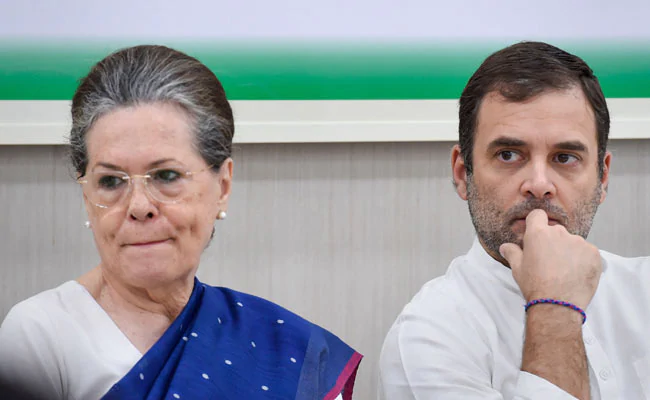
A recurring criticism directed at Congress is its continued dependence on the Gandhi family for national leadership.
Many observers argue that the party’s organisational culture has evolved around a single leadership centre, limiting the growth of alternative leaders capable of independently strengthening the party.
According to critics, such dependence reduces internal competition, discourages fresh leadership, and weakens the party’s long-term organisational resilience.
Lessons Yet to Be Learned
Political history suggests that successful organisations evolve by learning from repeated failures. However, critics believe Congress has not adequately addressed the structural weaknesses responsible for its electoral decline.
The party has now recorded three consecutive Assembly elections in Delhi without winning a single seat, an unprecedented setback considering its historical dominance in the capital.
Despite this record, many political analysts believe there has been little visible evidence of significant organisational restructuring or strategic reinvention.
BJP and AAP Continue to Dominate Delhi Politics
Delhi’s political landscape is currently shaped by two highly competitive forces—the Bharatiya Janata Party (BJP) and the Aam Aadmi Party (AAP).
The BJP benefits from its strong organisational network, ideological support base, and backing from the Rashtriya Swayamsevak Sangh (RSS). AAP, meanwhile, has built its political identity through aggressive issue-based campaigning and governance-focused messaging.
Caught between these two dominant players, Congress has struggled to establish a distinct political narrative capable of attracting voters.
Communication Gap Between Leadership and Workers
Another challenge repeatedly identified by observers is the widening communication gap between the party’s central leadership and its grassroots workers.
Many believe internal decision-making has become increasingly centralised, leaving local leaders with limited autonomy. This has contributed to declining worker morale and weakened the party’s organisational effectiveness in Delhi.
Critics argue that unless Congress encourages broader internal leadership and decentralised decision-making, rebuilding public confidence will remain difficult.
Can Congress Stage a Comeback by 2030?
Despite its current condition, politics has often demonstrated that unexpected comebacks are possible.
The next Delhi Assembly election is expected in 2030, providing Congress with several years to rebuild its organisation, reconnect with voters, and develop a credible leadership structure.
However, based on its present trajectory, many political observers remain sceptical about the party’s ability to reverse its fortunes without major structural reforms.
For now, Congress’s journey in Delhi continues to be marked by electoral setbacks, organisational decline, and unanswered questions about its future. Whether the party can transform this prolonged period of political stagnation into a revival remains one of the biggest questions in Delhi’s political landscape. Only time will determine whether Congress can once again emerge as a significant force in the national capital.