Uttarakhand has achieved a major milestone in its education journey by becoming India’s sixth fully literate state, with its literacy rate now exceeding 98 percent. The achievement marks a significant step forward in the state’s efforts to expand access to education and ensure that learning opportunities reach people across all sections of society, including adults who had previously missed formal schooling.
The recognition comes after Uttarakhand fulfilled the adult literacy benchmarks prescribed by the Department of School Education and Literacy under the Union Ministry of Education. Under the government’s literacy framework, a state or Union Territory is considered fully literate when it achieves a literacy rate of more than 95 percent. With a literacy rate crossing 98 percent, Uttarakhand has comfortably surpassed this benchmark and secured a place among the country’s leading performers in education.
This accomplishment reflects years of focused planning, community participation and continuous implementation of literacy programmes designed to reach even the most remote and underserved areas of the Himalayan state.
Table of Contents
Uttarakhand Joins India’s List of Fully Literate States
With this achievement, Uttarakhand has joined an exclusive group of states that have already been recognised for attaining full literacy. The list includes Mizoram, Goa, Tripura, Himachal Pradesh and Sikkim, making Uttarakhand the sixth state in the country to receive this recognition.
The inclusion of Uttarakhand in this category highlights the steady progress made by the state in improving educational access and strengthening learning opportunities beyond conventional school education. It also demonstrates the growing importance of adult education in India’s overall literacy mission.
The recognition is based on nationally accepted literacy standards rather than the expectation of achieving a mathematically perfect 100 percent literacy rate. Education officials acknowledge that achieving complete literacy across every individual is practically difficult due to demographic changes and other natural variations within a large population. Therefore, crossing the 95 percent threshold is considered a realistic and internationally accepted measure of full literacy.
Literacy Rate Crosses 98 Percent
According to government officials, Uttarakhand’s literacy rate has now crossed 98 percent, placing it well above the minimum requirement needed for recognition under the national literacy framework.
This achievement is significant because it represents not only improvements in school education but also successful efforts to educate adults who had previously remained outside the formal education system.
The state’s literacy campaign focused on ensuring that individuals who had missed educational opportunities earlier in life could develop essential reading, writing and numeracy skills while also becoming more confident in handling everyday responsibilities.
By exceeding the prescribed literacy benchmark, Uttarakhand has demonstrated that sustained policy implementation combined with active community participation can produce measurable improvements in educational outcomes.
ULLAS Programme Played a Key Role
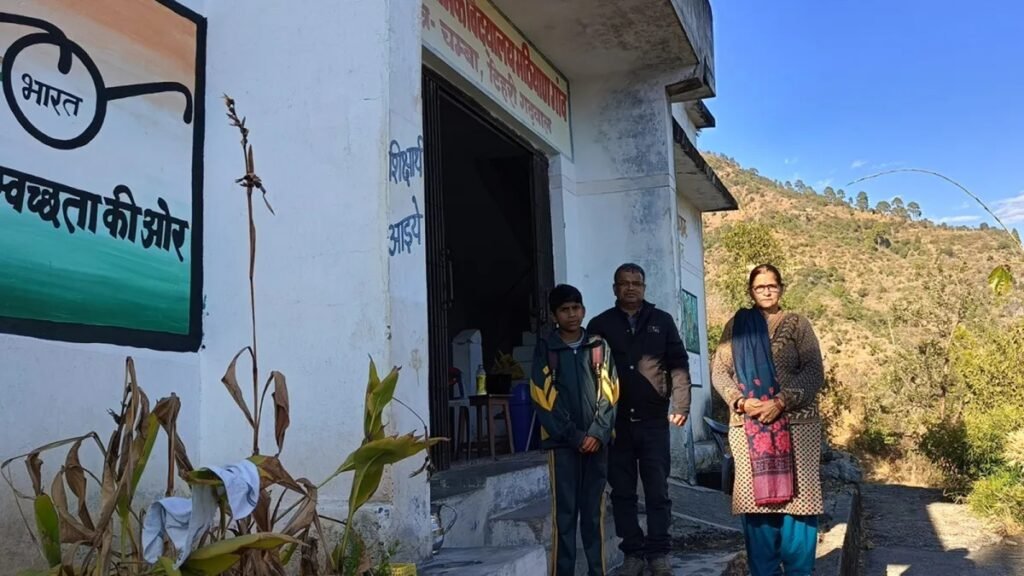
A major contributor to Uttarakhand’s achievement has been the implementation of the ULLAS programme, which focuses on adult education and lifelong learning.
The initiative specifically targets individuals aged 15 years and above who could not complete formal schooling. Rather than limiting itself to basic literacy, the programme aims to equip learners with practical knowledge that supports their daily lives.
Participants receive training in reading, writing and arithmetic while also learning financial literacy, digital literacy and essential life skills that enable them to participate more effectively in modern society.
This broader approach recognises that literacy today extends beyond the ability to read books or sign documents. It also includes understanding digital services, managing financial transactions and making informed decisions in everyday life.
The programme has therefore contributed not only to increasing literacy rates but also to improving overall social and economic participation.
State Government Credits Public Participation
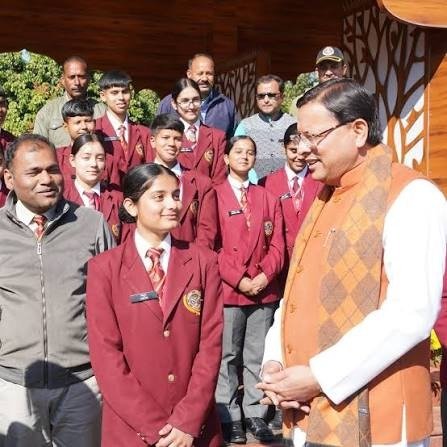
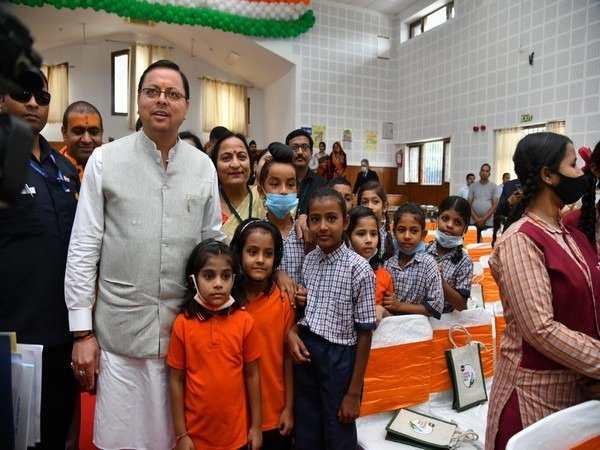
Chief Minister Pushkar Singh Dhami described the achievement as a landmark moment for Uttarakhand and credited both citizens and government institutions for working together to achieve this goal.
According to the Chief Minister, the success reflects sustained efforts made over several years through coordinated action involving education departments, local administrations, volunteers and community members.
He emphasised that widespread public participation played an important role in encouraging adults to join literacy programmes and complete their learning successfully.
The government believes that continued investment in education will strengthen human resource development while supporting the broader vision of national progress.
Focus Now Expands Beyond Basic Literacy
Although Uttarakhand has crossed the full literacy benchmark, the state’s education efforts are expected to continue with greater emphasis on advanced learning opportunities.
The government has indicated that future initiatives will prioritise digital literacy, financial literacy, continuing education and life skills so that citizens remain prepared for rapidly changing technological and economic environments.
Digital literacy has become increasingly important as government services, banking, healthcare and education continue shifting towards online platforms.
Similarly, financial literacy helps individuals better understand savings, banking services and responsible financial planning, enabling them to make informed economic decisions.
By integrating these areas into literacy programmes, Uttarakhand aims to ensure that education remains relevant to present-day needs rather than being limited to traditional classroom learning.
Cabinet Approval Strengthened the Process
The decision to declare Uttarakhand fully literate followed approval by the state cabinet, which cleared the proposal on June 19.
This administrative step reflected confidence that the prescribed literacy benchmarks had been successfully achieved through sustained implementation of adult education initiatives.
Officials conducted detailed assessments before recommending recognition under the national literacy framework, ensuring that the state’s progress aligned with the standards established by the Department of School Education and Literacy.
The cabinet’s approval marked an important stage before the official recognition of Uttarakhand as a fully literate state.
National Literacy Mission Continues to Expand
The progress achieved by Uttarakhand also reflects the wider success of literacy initiatives being implemented across the country.
According to government figures, nearly 1.49 crore learners have become neo-literate under the ULLAS programme across India. Among them, more than one crore are women, highlighting the programme’s strong focus on improving educational access for women and other underserved sections of society.
The emphasis on women’s literacy is particularly significant because improved educational opportunities often contribute to better health awareness, financial independence and greater participation in community development.
By reaching remote villages and educationally disadvantaged regions, literacy campaigns continue supporting inclusive growth while reducing educational inequalities across different parts of the country.
Adult Education Strengthens Long-Term Development
The recognition earned by Uttarakhand demonstrates how adult education can complement school education in building a more informed and capable society.
Many adults who previously lacked educational opportunities are now able to read official documents, understand government schemes, use digital services and manage financial transactions more confidently.
The success of Uttarakhand also illustrates that literacy programmes become more effective when governments, local communities and volunteers work together with a common objective.
As educational priorities continue evolving, initiatives that combine literacy with practical life skills are expected to play an increasingly important role in supporting social development, improving employability and enhancing the quality of life for citizens across both urban and rural areas.