

Standing proudly atop a 180-metre-high hill in Rajasthan, Chittorgarh Fort is much more than a magnificent stone structure. It is a living reminder of India’s glorious past, representing centuries of bravery, sacrifice, honour, and resilience. Spread across nearly 700 acres, this massive hill fort is one of the largest forts in India and has earned global recognition as a UNESCO World Heritage Site under the Hill Forts of Rajasthan.
Every wall, palace, gateway, temple, and tower inside Chittorgarh Fort tells a story. It is a place where history was shaped by legendary rulers, fierce battles, acts of extraordinary courage, and remarkable architectural achievements. Even today, millions of visitors walk through its ancient gates to witness the grandeur that has survived for over a thousand years.
Located in the city of Chittorgarh in southern Rajasthan, around 310 kilometres from Jaipur and approximately 115 kilometres from Udaipur, Chittorgarh Fort attracts historians, architecture enthusiasts, photographers, pilgrims, and travellers from across the world. Unlike many historical monuments that are admired only for their beauty, Chittorgarh Fort is equally respected for the values it represents—honour, self-respect, determination, and unwavering courage.
Table of Contents
The Historical Origins of Chittorgarh Fort
The history of Chittorgarh Fort dates back to the 7th century, although several historians believe parts of the fort may be even older. The fort eventually became the capital of the powerful Mewar Kingdom, one of the most respected Rajput dynasties in Indian history.
According to historical records, the fort came under the rule of the Guhila dynasty before later becoming the seat of the Sisodia Rajputs, who transformed it into one of the strongest military fortresses in northern India.
For centuries, Chittorgarh Fort served as the political, cultural, and military centre of Mewar. Numerous rulers expanded its boundaries, strengthened its defensive walls, built magnificent palaces, temples, reservoirs, and public buildings, making it one of the finest examples of medieval Indian fort architecture.
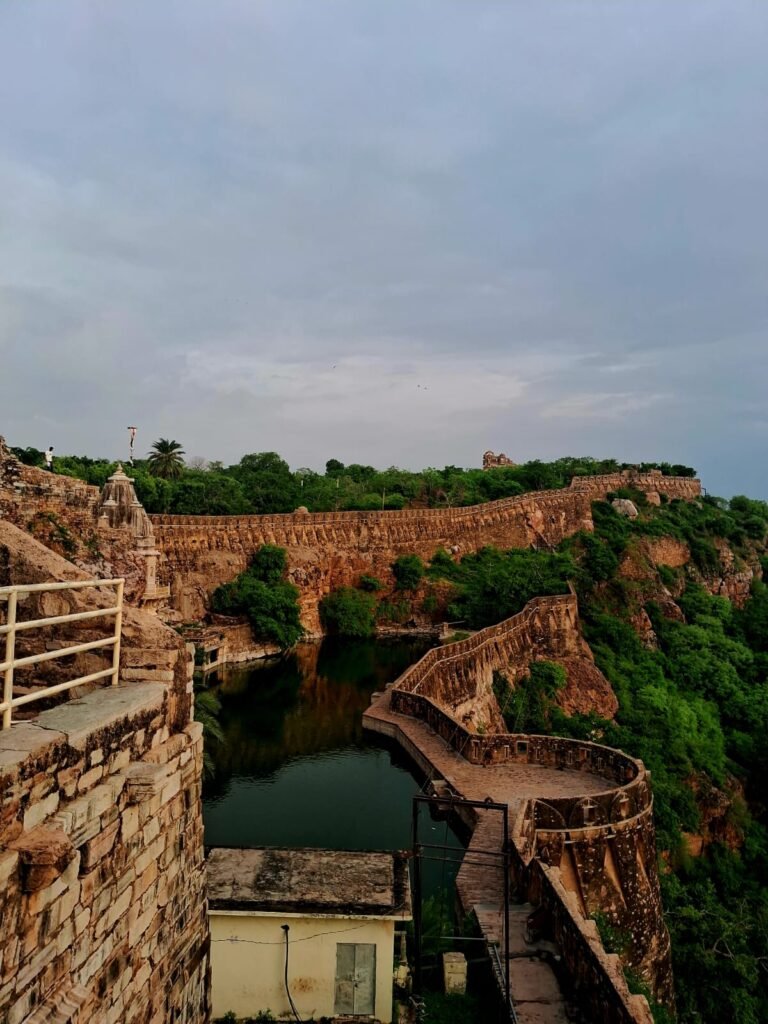
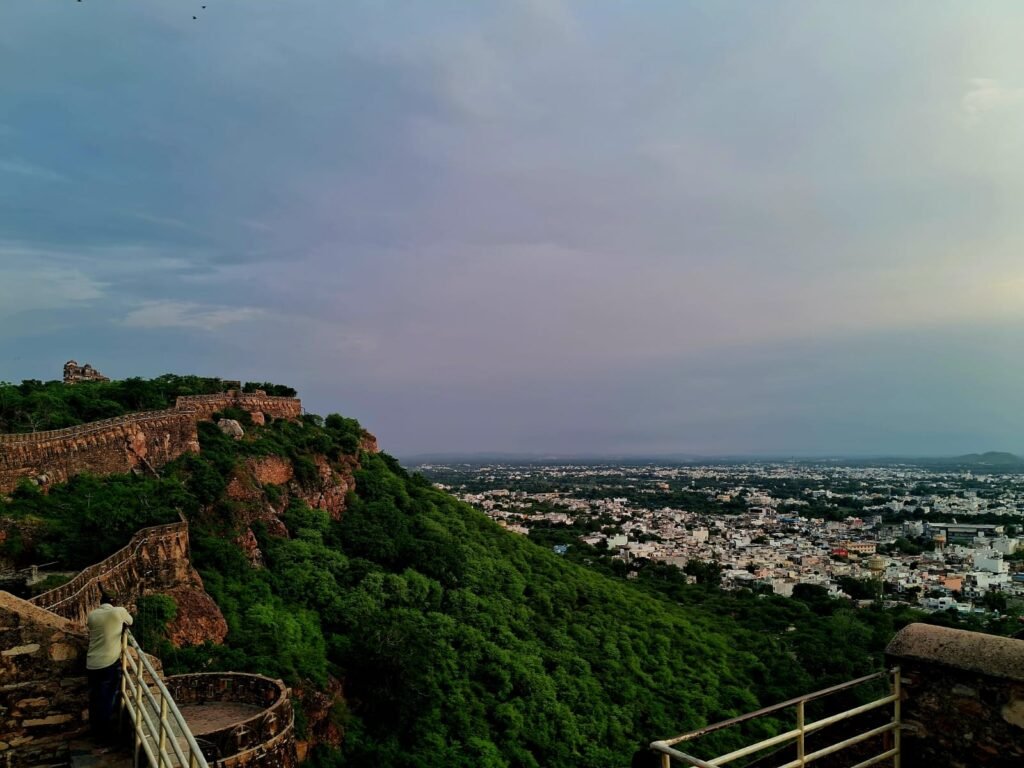
The strategic location of Chittorgarh Fort played a crucial role in its importance. Built on a massive hill extending over five kilometres in length, the fort offered commanding views of the surrounding plains, making it extremely difficult for invading armies to capture.
A Fort Designed for Defence
One of the most fascinating aspects of Chittorgarh Fort is its military engineering.
Unlike ordinary castles, Chittorgarh Fort was carefully planned to withstand prolonged sieges. Visitors entering the fort travel through a winding uphill road protected by seven massive fortified gateways known as “Pols.”
These include:
- Padan Pol
- Bhairon Pol
- Hanuman Pol
- Ganesh Pol
- Jodla Pol
- Laxman Pol
- Ram Pol
Each gateway was designed to slow enemy forces and expose them to defensive attacks from soldiers stationed above.
The massive stone walls surrounding Chittorgarh Fort stretch for approximately 13 kilometres, while the plateau itself covers nearly 700 acres, allowing space for palaces, temples, water reservoirs, residential areas, military barracks, and public squares.
This remarkable planning enabled thousands of people to survive inside the fort during extended military sieges.
The Three Historic Sieges
The history of Chittorgarh Fort is inseparable from three major sieges that shaped Rajput history.
The First Siege (1303)
The first and perhaps the most famous siege took place in 1303 when Sultan Alauddin Khalji attacked Chittorgarh Fort.
Historical accounts describe a prolonged conflict that ultimately resulted in the capture of the fort after fierce resistance by the Rajput defenders.
The siege is widely associated with the legendary story of Queen Padmini, although historians continue to debate the historical accuracy of several details surrounding the narrative. Regardless of differing interpretations, the story has become deeply rooted in Indian cultural memory and symbolizes courage and honour.
The Second Siege (1535)
The second major siege occurred in 1535 when Bahadur Shah of Gujarat invaded Chittorgarh Fort.
Despite determined resistance, the fort eventually fell after intense fighting. Historical sources record another act of Jauhar during this siege, reflecting the Rajput tradition of choosing honour over surrender in times of defeat.
The Third Siege (1567–68)
The final major siege came during the reign of Mughal Emperor Akbar.
The battle lasted several months before the Mughal forces succeeded in capturing Chittorgarh Fort.
Although the capital of Mewar later shifted to Udaipur under Maharana Udai Singh II, the fort continued to symbolize Rajput resistance against powerful empires.
The Legacy of Maharana Kumbha
Among all the rulers associated with Chittorgarh Fort, Maharana Kumbha occupies a special place.
During his reign in the 15th century, significant additions were made to the fort, including palaces, temples, reservoirs, and one of its most iconic landmarks—the Vijay Stambha.
Maharana Kumbha was not only an exceptional military leader but also a patron of literature, music, art, and architecture. His rule transformed Chittorgarh Fort into one of the greatest cultural centres of medieval India.
Vijay Stambha: The Tower of Victory
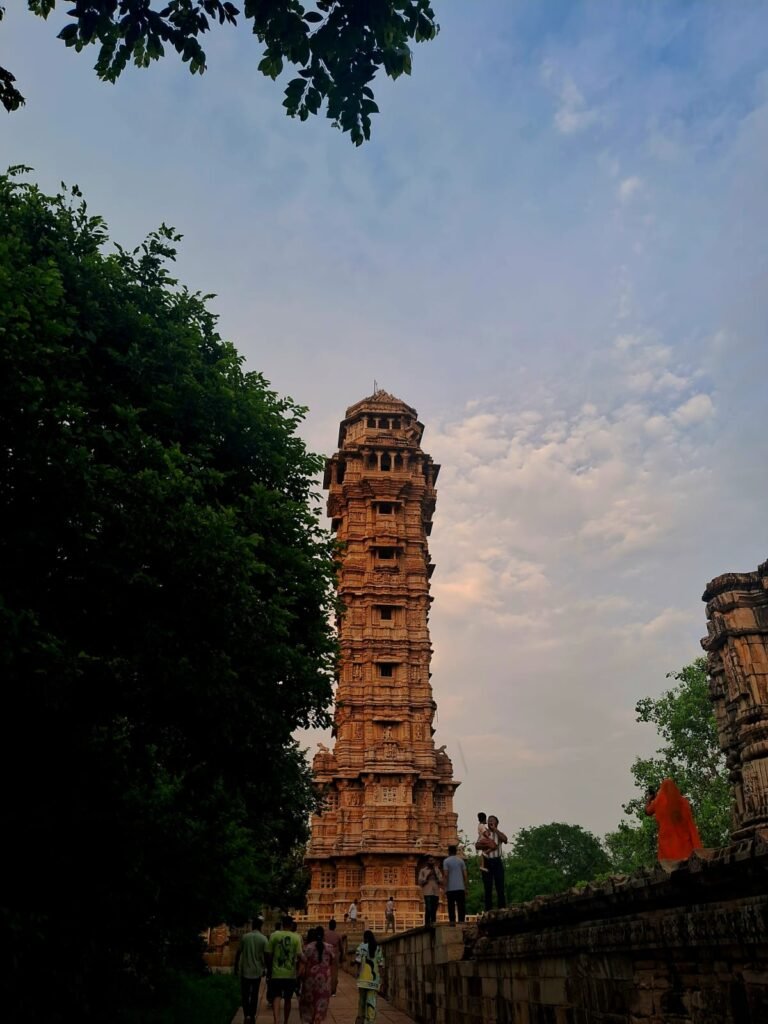
Perhaps the most recognisable monument inside Chittorgarh Fort is Vijay Stambha, or the Victory Tower.
Constructed between 1440 and 1448 by Maharana Kumbha to commemorate his victory over Mahmud Khalji of Malwa, the tower stands approximately 37 metres tall.
Built from red sandstone and white marble, the nine-storey tower contains beautifully carved sculptures depicting Hindu gods, warriors, and scenes from mythology.
Visitors who climb its narrow staircase are rewarded with breathtaking panoramic views of Chittorgarh Fort and the surrounding countryside.
Even after nearly six centuries, Vijay Stambha remains one of India’s finest examples of medieval stone craftsmanship.
Kirti Stambha: A Monument of Faith
Another architectural masterpiece within Chittorgarh Fort is Kirti Stambha.
Unlike Vijay Stambha, this tower was built earlier by a Jain merchant dedicated to Adinath, the first Jain Tirthankara.
Standing approximately 22 metres high, Kirti Stambha features intricate carvings that reflect the remarkable artistic traditions of medieval Rajasthan.
Its presence also highlights the religious harmony that existed within the fort, where Hindu and Jain monuments coexisted peacefully.
Rana Kumbha Palace
Among the oldest surviving structures inside Chittorgarh Fort is Rana Kumbha Palace.
Although much of the palace now lies in ruins, it remains one of the most historically significant buildings within the complex.
The palace once contained royal residences, courtyards, underground chambers, audience halls, and temples.
Many historians believe this palace was connected to several important events in Mewar’s history, making it one of the most visited locations inside Chittorgarh Fort.
Padmini Palace
Located beside a picturesque lotus pool, Padmini Palace is another important attraction.
The elegant three-storey structure reflects Rajput palace architecture with its pavilions, balconies, and scenic surroundings.
Although the historical details surrounding Queen Padmini continue to be debated among scholars, the palace remains closely associated with her legacy and attracts countless visitors interested in Rajput history.
Water Management That Was Centuries Ahead
One of the greatest engineering achievements of Chittorgarh Fort was its advanced water conservation system.
Historians estimate that the fort originally contained around 84 water bodies, including ponds, stepwells, reservoirs, and lakes.
These water sources enabled thousands of residents to survive long military sieges without depending on external supplies.
Although only about 22 of these reservoirs remain today, they continue to demonstrate the remarkable planning skills of medieval engineers.
Rainwater harvesting formed an integral part of the fort’s design, making Chittorgarh Fort largely self-sufficient.
Temples Within the Fort
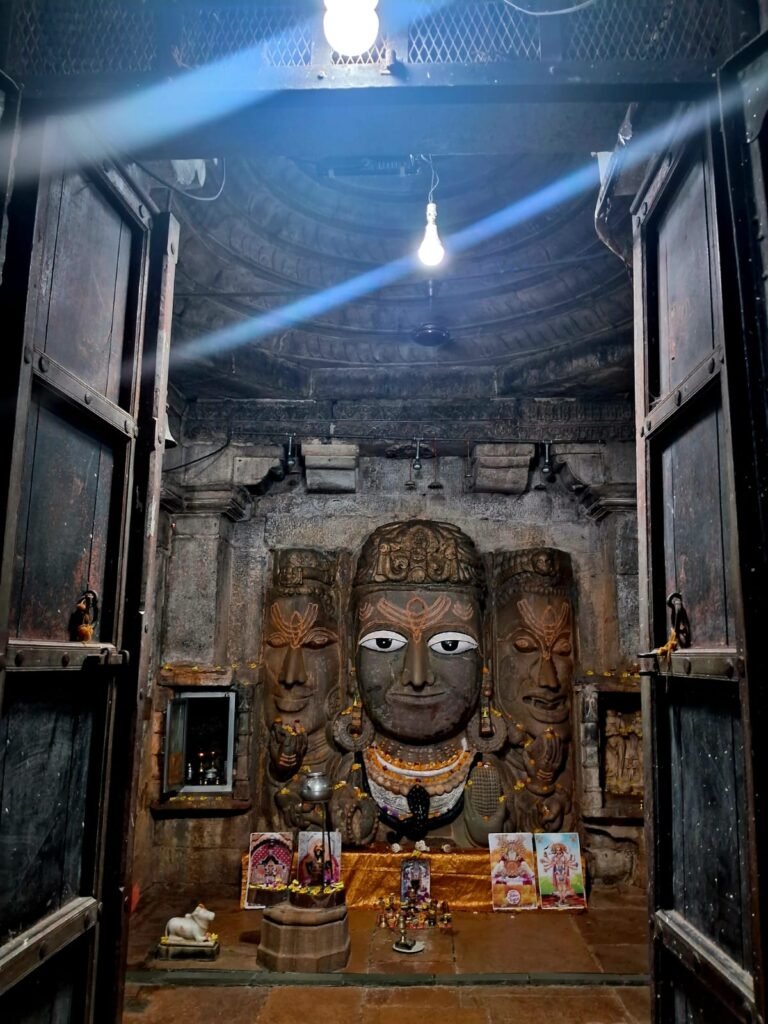
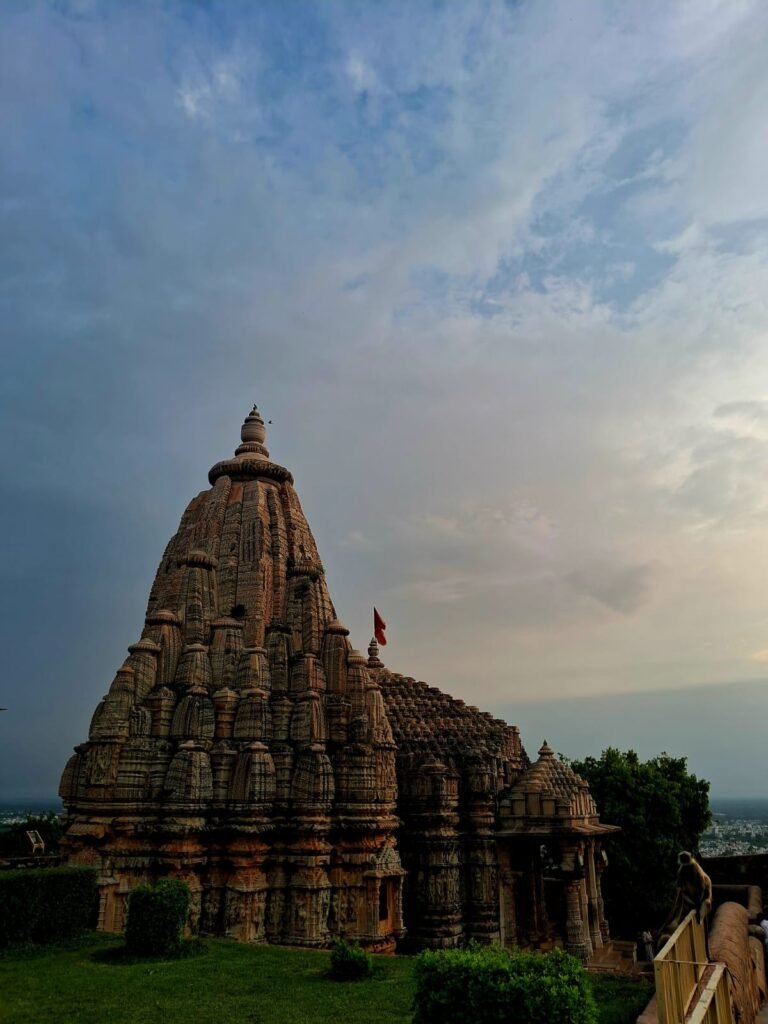
Chittorgarh Fort is home to numerous temples representing different religious traditions.
Some of the most notable include:
- Kalika Mata Temple
- Meera Temple
- Kumbha Shyam Temple
- Jain Temples
- Samadhiswara Temple
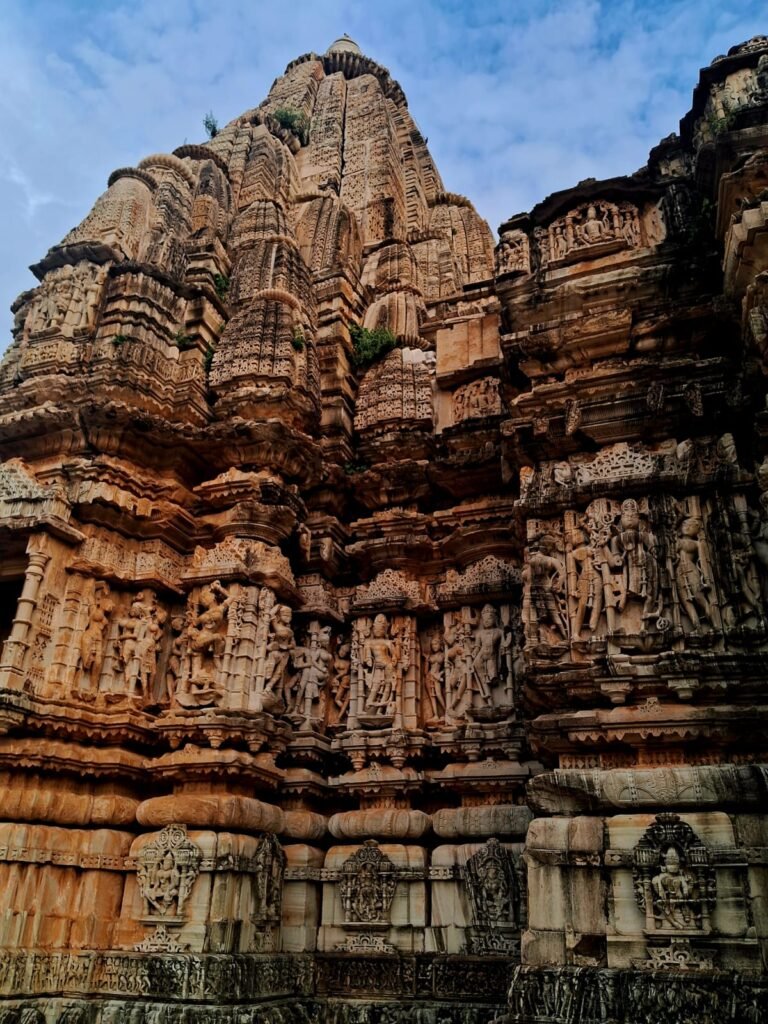
These temples feature intricate carvings, beautifully sculpted pillars, and historical inscriptions that provide valuable insights into medieval Indian art and religious practices.
The Meera Temple is especially significant because it is associated with the renowned saint-poet Meera Bai, whose devotional songs remain popular across India.
UNESCO World Heritage Recognition
In 2013, Chittorgarh Fort received international recognition when UNESCO included it among the Hill Forts of Rajasthan World Heritage Site.
This prestigious designation acknowledged the fort’s outstanding architectural achievements, historical importance, military engineering, and cultural value.
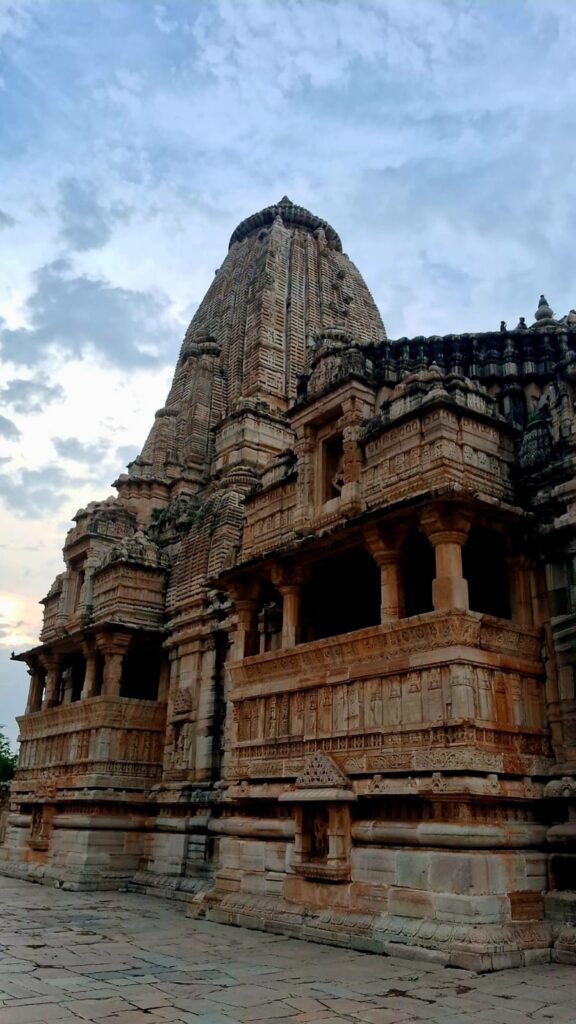
UNESCO recognised Chittorgarh Fort as an exceptional example of Rajput hill fort architecture, showcasing how geography, defence, governance, religion, and urban planning were successfully integrated into a single fortified settlement.
Today, this recognition has further increased international tourism while encouraging continued conservation efforts.
Why Chittorgarh Fort Continues to Inspire
Few monuments in India possess the emotional and historical significance of Chittorgarh Fort. It represents not merely a royal residence or military stronghold but an enduring symbol of courage, sacrifice, resilience, and cultural pride.
Its magnificent architecture showcases the extraordinary skills of medieval builders, while its temples, towers, reservoirs, and palaces reflect the artistic excellence of the Rajput era. At the same time, the stories associated with Chittorgarh Fort continue to inspire generations by reminding visitors of the values of honour, determination, and unwavering commitment to one’s principles.
The preservation of Chittorgarh Fort stands as a tribute to India’s rich historical heritage. Every gateway, carved pillar, temple, palace, and defensive wall offers valuable insights into the political, military, architectural, and cultural achievements of medieval Rajasthan, making the fort not only one of India’s greatest historical landmarks but also one of its most treasured symbols of civilisation.