“Satluj: A Cinematic Journey”Indian cinema has often drawn inspiration from its geography, history, and lived realities, but only a few films attempt to transform a natural entity into a central narrative force. Satluj, an ambitious upcoming film, takes its name from one of North India’s most powerful and historically significant rivers—the Sutlej (Satluj)—and builds a layered cinematic narrative around it. Blending social drama, regional identity, environmental concerns, and human resilience, Satluj positions itself as more than just a film; it seeks to be a cultural statement.
With its thematic depth and grounded storytelling, Satluj is already being discussed as a project that reflects contemporary India’s struggles while remaining rooted in its ancient civilisational ethos.
Table of Contents
The River as a Protagonist
The Satluj River has been a lifeline for generations, flowing from the Tibetan Plateau through Himachal Pradesh and Punjab before entering Pakistan. Historically, it has sustained agriculture, trade, and settlements, while also being a silent witness to partition, displacement, and modern industrial expansion.
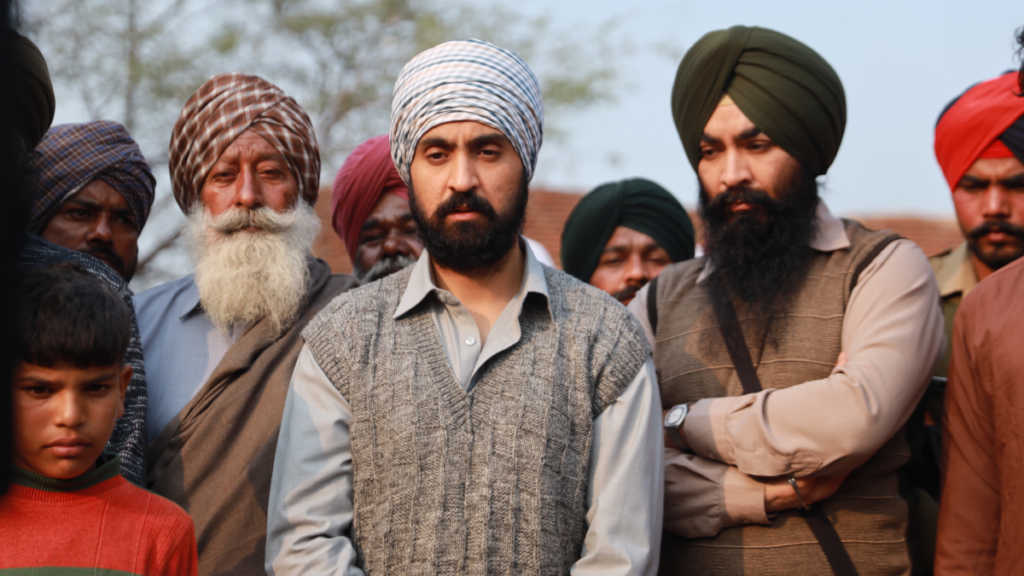
In Satluj, the river is not merely a backdrop—it functions as a symbolic and narrative spine. The film uses the river to explore how human lives are shaped by nature, how power structures evolve around resources, and how progress often comes at the cost of ecology and tradition.
By personifying the river through visual storytelling and emotional arcs, the filmmakers aim to remind audiences that nature is not separate from human destiny—it is deeply intertwined with it.
Storyline: Where Personal Lives Meet Larger Conflicts
At its core, Satluj tells a human story set against a vast socio-political canvas. The narrative revolves around individuals and families living along the river basin—farmers, workers, local leaders, and young dreamers—whose lives intersect as development projects, economic pressures, and environmental changes disrupt their fragile balance.
The film reportedly weaves together multiple character arcs:
- A farmer fighting to protect ancestral land
- A young professional torn between opportunity and responsibility
- A local authority figure navigating moral dilemmas
- Voices from the margins that are often ignored in policy debates
Rather than relying on melodrama, Satluj adopts a restrained and realistic tone, allowing emotions to emerge organically from situations grounded in everyday life.
Themes That Reflect Modern India
Development vs. Displacement
One of the film’s strongest themes is the tension between infrastructure-driven growth and its human cost. Large projects promise jobs and progress but often leave communities uprooted. Satluj does not offer easy answers; instead, it presents conflicting perspectives, allowing viewers to engage critically.
Environmental Consciousness
In an era of climate change and water scarcity, the film highlights the ecological consequences of neglecting natural systems. Soil erosion, water pollution, and changing river patterns are shown not as abstract concepts but as lived realities.
Identity and Belonging
For communities living near the river, Satluj is not just water—it is memory, culture, and survival. The film captures how displacement affects identity and how traditions struggle to survive in rapidly changing socio-economic conditions.
Moral Responsibility
Through its characters, the film raises questions about accountability—who is responsible when development harms the vulnerable, and can ethical choices survive within rigid systems?
Direction and Visual Language
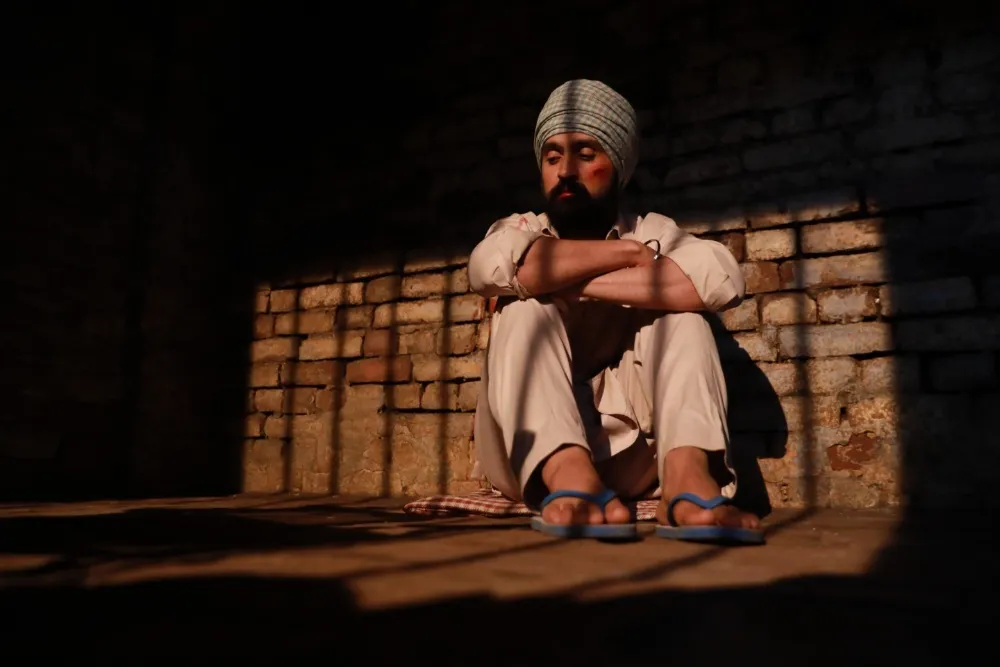
Satluj relies heavily on visual realism. The cinematography is expected to emphasise natural light, expansive landscapes, and unfiltered rural settings. Long, contemplative shots of the river contrast with tightly framed human moments, reinforcing the film’s central theme: the vastness of nature versus the fragility of human lives.
The director’s approach appears rooted in realism rather than spectacle, drawing inspiration from parallel cinema traditions while maintaining accessibility for a wider audience.
Performances Anchored in Authenticity
Instead of star-driven theatrics, Satluj focuses on performance authenticity. Characters are written with emotional restraint, reflecting how real people internalise struggle rather than vocalise it dramatically.
Dialogues are reportedly minimal yet impactful, relying on silence, expression, and context. This approach enhances the film’s emotional weight and allows viewers to connect deeply with the characters’ inner conflicts.
Music and Sound Design: Echoes of the Land
The music of Satluj is expected to be rooted in folk influences, regional sounds, and organic instrumentation. Rather than dominating scenes, the soundtrack complements the narrative, often blending with ambient sounds of flowing water, wind, and rural life.
This subtle sound design reinforces the film’s immersive quality and emotional realism.
Cultural and Social Relevance
What makes Satluj particularly significant is its timing. At a moment when conversations around sustainable development, farmers’ rights, water sharing, and environmental justice are gaining urgency, the film enters public discourse with a human-centred perspective.
By focusing on ordinary lives affected by extraordinary decisions, Satluj bridges the gap between policy-level debates and grassroots realities.

Audience Expectations and Critical Outlook
While Satluj may not follow the conventional commercial formula, it holds strong potential among:
- Viewers interested in socially relevant cinema
- Audiences seeking meaningful storytelling
- Film festival circuits and critical platforms
- Regional and national audiences connected to the river’s cultural legacy
If executed with the sensitivity it promises, the film could spark discussions beyond cinema halls—across classrooms, policy forums, and cultural spaces.
More Than a Film, a Reflection
Satluj stands as an example of cinema that dares to ask difficult questions without offering simplistic resolutions. By placing a river at the heart of its narrative, the film reminds us that progress must be measured not only in economic terms but also in human dignity and environmental balance.
As Indian cinema continues to evolve, projects like Satluj reaffirm the medium’s power to reflect society, challenge perspectives, and preserve stories that might otherwise be lost to time.