
LIMA, Peru — A scenic aviation tour of Peru’s globally renowned archaeological wonders ended in catastrophe on Saturday, August 1, 2026, when a small tourist plane crashed and erupted into flames on the arid southern plains. The disaster resulted in the deaths of all thirteen people on board, including eleven European holidaymakers and two local crew members.
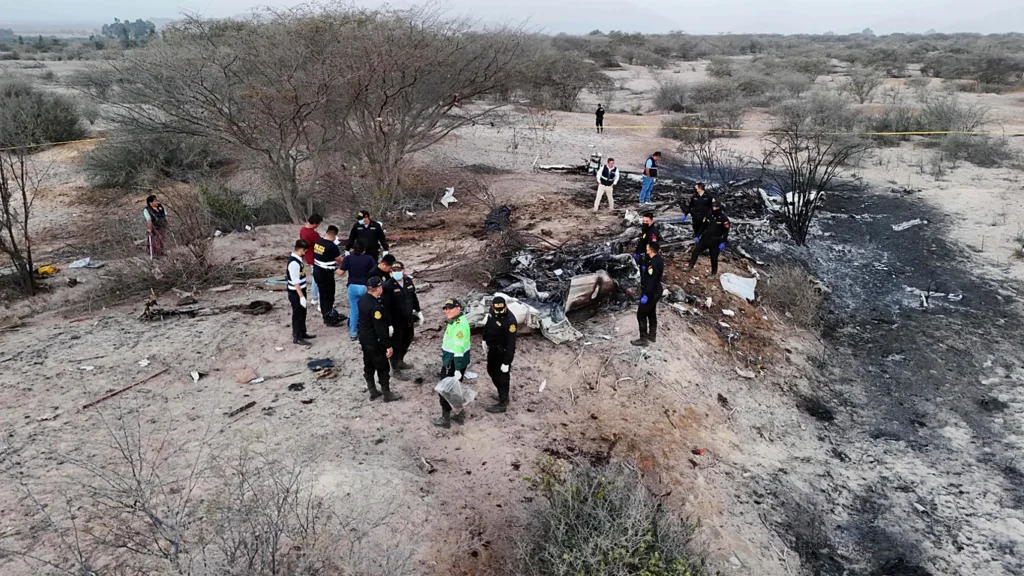
According to official statements released by Peru’s Ministry of Transport and Communications and the Ministry for Trade and Tourism, the ill-fated aircraft—a single-engine Cessna 208B Grand Caravan operated by the regional carrier Aerodiana—plunged into a field within the Socos sector of the Vista Alegre district. The crash site is located approximately 6 kilometers (4 miles) from the city of Nazca and roughly 19 kilometers (12 miles) from the heart of the UNESCO-designated Nazca Lines.
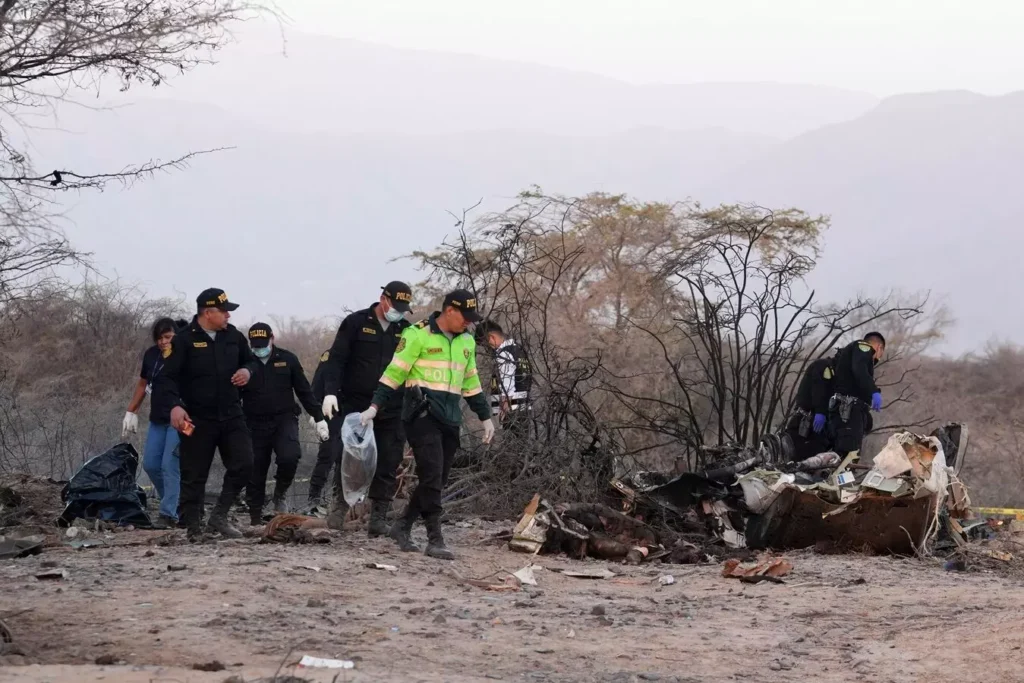
Table of Contents
Chronology of the Ill-Fated Flight
The aircraft, bearing the Peruvian civilian registration OB-2001-P, had commenced its itinerary earlier that afternoon. According to flight manifests and regulatory filings, the Cessna departed from Pisco Airport—located roughly 240 kilometers south of the capital city of Lima—at approximately 12:10 p.m. local time. The flight was scheduled as a routine multi-city scenic routing, sweeping over the desert geoglyphs of the Ica region before completing its operational loop.
For the first 50 minutes of the excursion, the flight progressed without reported anomalies. However, the situation deteriorated rapidly as the aircraft approached the airspace adjacent to the Nazca airport.
At precisely 1:00 p.m. local time, the flight crew broadcasted an urgent, high-grade emergency declaration to the air traffic control tower at Nazca airport. Almost immediately following the distress transmission, all radio contact and secondary radar telemetry were lost.
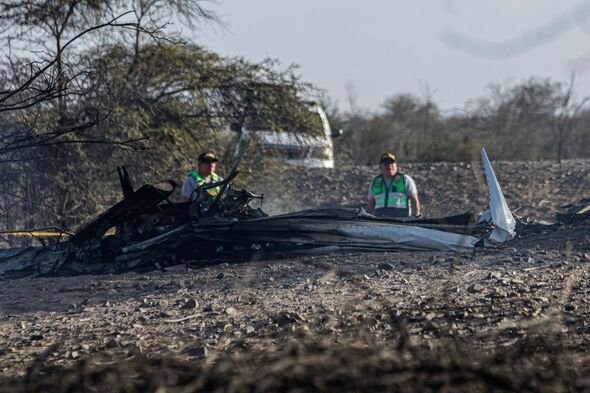
Eyewitnesses on the ground reported seeing the small utility aircraft rapidly lose altitude before impacting the desert floor. Upon collision with the rough terrain, the fuselage immediately caught fire, triggering an intense, fuel-fed blaze that enveloped the entirety of the cabin structures.
Emergency Response and Casualty Identification
The catastrophic nature of the impact and the subsequent fire complicated the initial response. Municipal police units, civil defense teams, and local volunteer firefighters were quickly dispatched to the Socos area. First responders faced intense heat and heavy smoke as they worked to suppress the flames and secure what remained of the debris field.
Peruvian national broadcaster RPP, citing emergency personnel at the scene, confirmed that the structural degradation of the cabin and the speed of the fire made survival impossible for anyone on board. Police Major Jorge Andrade, speaking to reporters from the perimeter of the smoking wreckage, stated, “Given the severity of the accident, there are no survivors. The initial impact and thermal damage were catastrophic”.
State news agency Agencia Andina and the Ministry of Transport later verified the identities of the deceased crew members. The flight deck was commanded by Captain Américo Salazar Cuellar, an experienced regional aviator, accompanied by co-pilot Irenka Guanilo del Carpio. The international consular corps has been notified, and diplomatic channels are working alongside Peruvian forensic units to facilitate the formal identification and repatriation of the eleven European citizens.
Meteorological Context and Safety Precedents
While a definitive cause for the crash has not yet been determined by civil aviation investigators, local media and meteorological reports have highlighted severe weather anomalies in the region leading up to the disaster. On the Friday preceding the accident, the civil aviation authority had temporarily suspended all commercial sightseeing flights departing from Nazca’s local Maria Reiche Airport.
The suspension was prompted by sudden, intense desert winds exceeding 40 kilometers per hour (25 miles per hour). These high-velocity winds triggered severe sandstorms, reducing horizontal visibility below safe visual flight rules (VFR) thresholds.
The extreme turbulence and blowing dust had previously forced two separate flights—one carrying domestic tourists and another with six international travelers—to execute precautionary diversions to the coastal Marcona Airport. Although flight operations had partially resumed by mid-day Saturday, investigators are examining whether micro-scale wind shears or lingering atmospheric dust contributed to mechanical complications or pilot disorientation.
“Determining the structural, environmental, and operational causes of this tragic event will fall strictly under the jurisdiction of the General Directorate of Civil Aviation (DGAC),” noted a representative from the Vista Alegre municipal government.
Structural Oversight and Regulatory Action
The Nazca Lines—a collection of vast geoglyphs depicting stylized animals, plants, and geometric figures etched into the desert floor between 200 BC and AD 700—attract more than 100,000 international visitors annually. Because the immense scale of the figures can only be fully appreciated from an aerial vantage point, low-altitude overflights utilizing light aircraft are the primary mechanism for tourism in the area.However, the competitive tourism sector in Nazca has faced ongoing scrutiny regarding operational oversight, pilot training, and fleet maintenance standards. Saturday’s crash is the latest in a series of fatal accidents that have impacted the region’s tourism industry over the past two decades:
2008: Five French tourists lost their lives when their aircraft experienced a critical system failure over the Peru desert floor.
2022: A light sightseeing aircraft lost control during its turning maneuver over the geoglyphs, crashing and killing seven people, including tourists from the Netherlands and Chile who were visiting Peru.
2010: An AirNasca flight suffered total engine failure shortly after taking off for a viewing tour, resulting in the tragic deaths of four British tourists and two Peru native crew members.
In response to the mounting severity of the incident, Peru President Keiko Fujimori issued a national address expressing deep condolences to the families of the victims. President Fujimori confirmed that the executive branch, alongside the Ministry of Transport, is evaluating a comprehensive, temporary grounding of all commercial overflight operations at the regional airports servicing the Nazca circuit in Peru. “A definitive regulatory decision will be enacted immediately upon receiving the preliminary report from the air accident investigation board,” she stated.
Aerodiana, an established carrier that has operated scenic flights across the Ica region for fourteen years, issued a formal press release stating full cooperation with judicial and safety authorities in Peru. The airline confirmed it has voluntarily paused its remaining weekend flight manifests pending the execution of comprehensive safety audits by regulatory inspectors.