Air India has announced an ambitious expansion plan that will see the airline add 50 to 60 new aircraft to its fleet over the next 18 months, marking another major milestone in its ongoing transformation under the Tata Group. The expansion is part of the airline’s long-term strategy to strengthen domestic and international operations, modernise its fleet, improve passenger experience, and position itself as one of the world’s leading full-service carriers.
The announcement comes at a time when the aviation industry is witnessing strong demand for air travel despite global challenges such as supply chain disruptions, aircraft delivery delays, geopolitical tensions, rising fuel costs, and airspace restrictions. Air India believes that its large aircraft order and comprehensive modernization programme will help the airline meet growing passenger demand while enhancing operational efficiency and service quality.
Table of Contents
According to senior company officials, the airline’s transformation plan remains firmly on track, with significant investments being made in fleet expansion, cabin upgrades, employee training, technology, airport operations, and customer service.
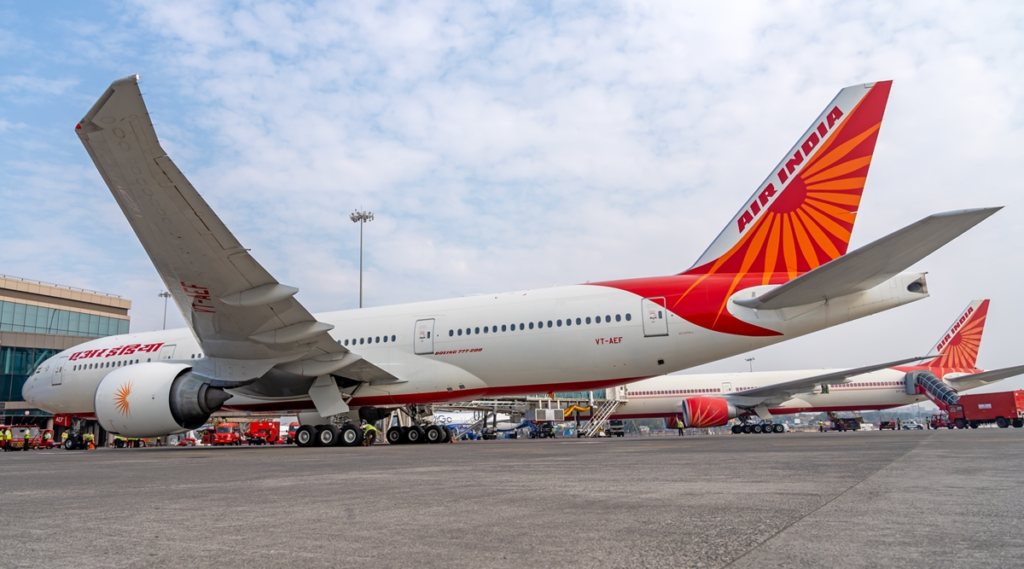
Air India Plans Major Fleet Expansion
Air India Chief Commercial Officer and Air India Express Chairman Nipun Agarwal stated that the airline expects to induct 50 to 60 aircraft during the next 18 months, significantly increasing its operational capacity.
The expansion is part of Air India’s long-term fleet acquisition programme under which the airline has placed orders for nearly 600 aircraft, making it one of the largest aircraft purchase agreements in global aviation history.
Although fewer than 10 percent of these aircraft have been delivered so far, the airline expects deliveries to accelerate over the coming years.
Officials said the company anticipates receiving approximately 50 to 60 aircraft every year for the next seven to eight years, ensuring continuous fleet growth.
One of the Largest Aircraft Orders in Aviation History
Air India’s aircraft acquisition programme represents one of the most ambitious expansion strategies ever undertaken by an Indian airline.
The airline’s order includes a combination of:
- Wide-body aircraft
- Narrow-body aircraft
- Long-haul aircraft
- Domestic route aircraft
- Fuel-efficient next-generation airplanes
According to company officials, the annual deliveries are expected to include:
- 10 to 15 wide-body aircraft
- 45 to 50 narrow-body aircraft
This balanced fleet strategy will enable Air India to strengthen both domestic connectivity and international operations.
Wide-Body Aircraft to Boost International Expansion
Wide-body aircraft play an important role in long-distance international travel.
These larger aircraft are capable of operating non-stop routes connecting India with destinations across:
- North America
- Europe
- Australia
- Southeast Asia
- Middle East
The induction of additional wide-body aircraft is expected to help Air India increase frequencies on existing international routes while introducing new destinations in the future.
The airline has already announced plans to strengthen its global network as part of its long-term expansion strategy.
Narrow-Body Fleet to Strengthen Domestic Connectivity
Alongside international growth, Air India also plans to significantly strengthen its domestic network.
The addition of dozens of narrow-body aircraft will improve connectivity between major metropolitan cities and Tier-2 and Tier-3 destinations.
Experts believe growing domestic passenger demand continues to make India one of the world’s fastest-growing aviation markets.
A larger fleet will allow the airline to operate additional flights, improve schedule flexibility, and enhance connectivity across the country.
Transformation Under Tata Group Continues
Since returning to the Tata Group, Air India has undertaken one of the most comprehensive transformation programmes in its history.
The airline has introduced reforms across multiple operational areas, including:
- Fleet modernization
- Cabin refurbishment
- Customer service improvements
- Technology upgrades
- Employee training
- Airport operations
- Digital transformation
The objective is to rebuild Air India’s reputation while creating a modern airline capable of competing with leading international carriers.
Overcoming Challenges in Global Aviation
Despite its ambitious plans, Air India has had to navigate several global challenges over the past few years.
According to company officials, these include:
Supply Chain Disruptions
Global shortages of aircraft components have delayed production schedules for manufacturers worldwide.
Many airlines have experienced postponed aircraft deliveries due to these disruptions.
Rising Aviation Fuel Prices
Fuel remains one of the largest operating expenses for airlines.
Fluctuating crude oil prices have increased operational costs across the aviation sector.
Geopolitical Tensions
International conflicts and geopolitical uncertainties have affected global air routes.
Several airlines have been forced to reroute flights because of restricted airspace.
Airspace Restrictions
Changes in international airspace availability have resulted in longer flying times on certain routes, increasing operational expenses.
Despite these obstacles, Air India says its long-term expansion programme remains on schedule.
Modernization of Older Aircraft
A major focus of Air India’s transformation strategy involves upgrading existing aircraft already operating within its fleet.
Many older aircraft are currently undergoing extensive refurbishment.
The modernization programme includes improvements such as:
- New passenger seats
- Modern cabin interiors
- Updated entertainment systems
- Improved lighting
- Better onboard comfort
- Enhanced premium cabin experience
The airline believes these upgrades will significantly improve passenger satisfaction.
Boeing 787 Dreamliner Upgrade Progress
One of the most important aspects of the modernization programme involves Air India’s Boeing 787 Dreamliner fleet.
Company officials stated that refurbishment of these aircraft is progressing steadily and is expected to be completed by the middle of next year.
The upgraded Dreamliners are expected to offer:
- Improved seating
- Better cabin interiors
- Enhanced inflight entertainment
- Modern passenger amenities
These improvements aim to provide a more competitive international travel experience.
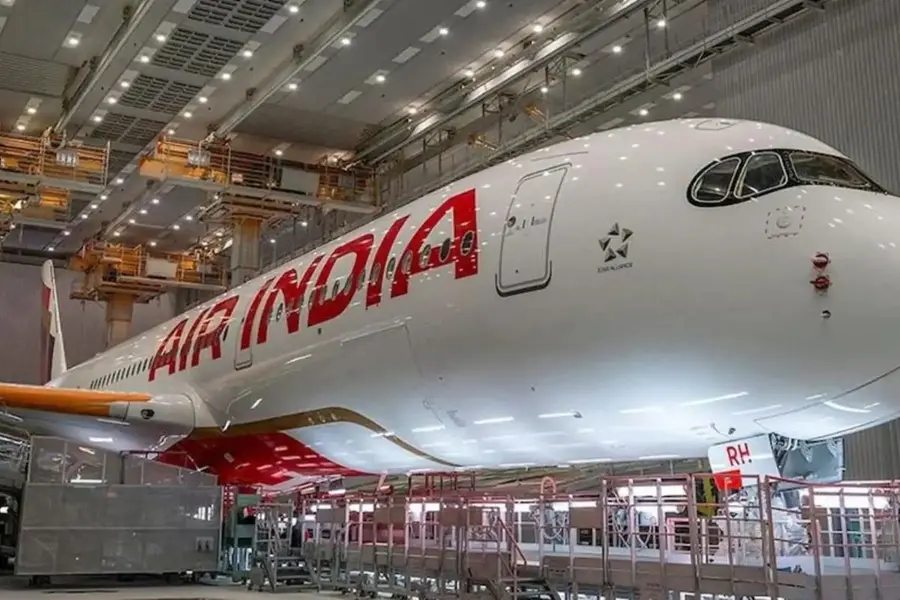
Air India Express Also Undergoing Fleet Transformation
Air India Express is simultaneously implementing its own modernization programme.
According to company officials, the low-cost airline plans to standardize its fleet by converting all aircraft to a uniform model by March next year.
Operating a standardized fleet offers several operational advantages, including:
- Simplified maintenance
- Reduced operating costs
- Easier crew training
- Improved scheduling
- Greater operational efficiency
This strategy is commonly adopted by successful low-cost airlines around the world.
Boeing MAX Deliveries Continue
Air India confirmed that deliveries of Boeing 737 MAX-8 aircraft are continuing according to schedule.
Meanwhile, deliveries of the larger MAX-10 aircraft are expected to begin after regulatory certification is completed.
The Boeing MAX family offers:
- Improved fuel efficiency
- Lower operating costs
- Longer range
- Reduced emissions
- Modern passenger comfort
These aircraft are expected to play an important role in Air India’s future expansion plans.
Improving Passenger Experience
Fleet expansion represents only one aspect of Air India’s broader transformation strategy.
The airline is also investing heavily in improving customer experience across all stages of travel.
Key initiatives include:
- Faster airport services
- Better cabin crew training
- Enhanced inflight hospitality
- Improved meal quality
- Digital customer support
- Technology-driven passenger services
- Streamlined boarding procedures
Officials say passenger satisfaction remains one of the airline’s highest priorities.
Investment in Employee Training
The airline is making significant investments in workforce development.
Training programmes are being expanded for:
- Pilots
- Cabin crew
- Engineers
- Ground staff
- Airport personnel
- Customer service executives
Better-trained employees are expected to contribute to safer operations and improved customer service.
Technology Driving Operational Improvements
Air India is also embracing digital transformation.
The airline is investing in modern technologies to improve:
- Flight operations
- Booking systems
- Passenger communication
- Airport management
- Crew scheduling
- Operational efficiency
Digital innovation is expected to play a major role in supporting future expansion.
Restoring Network Capacity
Earlier, Air India temporarily reduced operations on some routes due to geopolitical tensions in the Middle East and rising fuel costs.
The airline has now begun gradually restoring its network.
Officials expect services to return to pre-disruption levels over the coming months.
This restoration will improve connectivity for passengers travelling across domestic and international destinations.
India’s Aviation Market Continues to Grow
Industry analysts believe India’s aviation sector remains one of the fastest-growing globally.
Several factors are contributing to rising passenger demand, including:
- Increasing disposable income
- Expanding middle class
- Strong economic growth
- Growing tourism
- Rising business travel
- Improved airport infrastructure
These trends are creating opportunities for airlines to expand rapidly.
Competition in the Indian Aviation Sector
Air India’s fleet expansion comes amid increasing competition within India’s aviation industry.
Domestic and international carriers continue investing in:
- New aircraft
- Expanded route networks
- Premium services
- Digital innovations
- Customer loyalty programmes
Industry experts believe fleet modernization will be essential for maintaining competitiveness in the coming years.
Environmental Benefits of Modern Aircraft
Modern aircraft are significantly more fuel-efficient than older generations.
Benefits include:
- Lower fuel consumption
- Reduced carbon emissions
- Improved operational efficiency
- Lower maintenance requirements
- Better environmental performance
These improvements support both commercial and sustainability objectives.
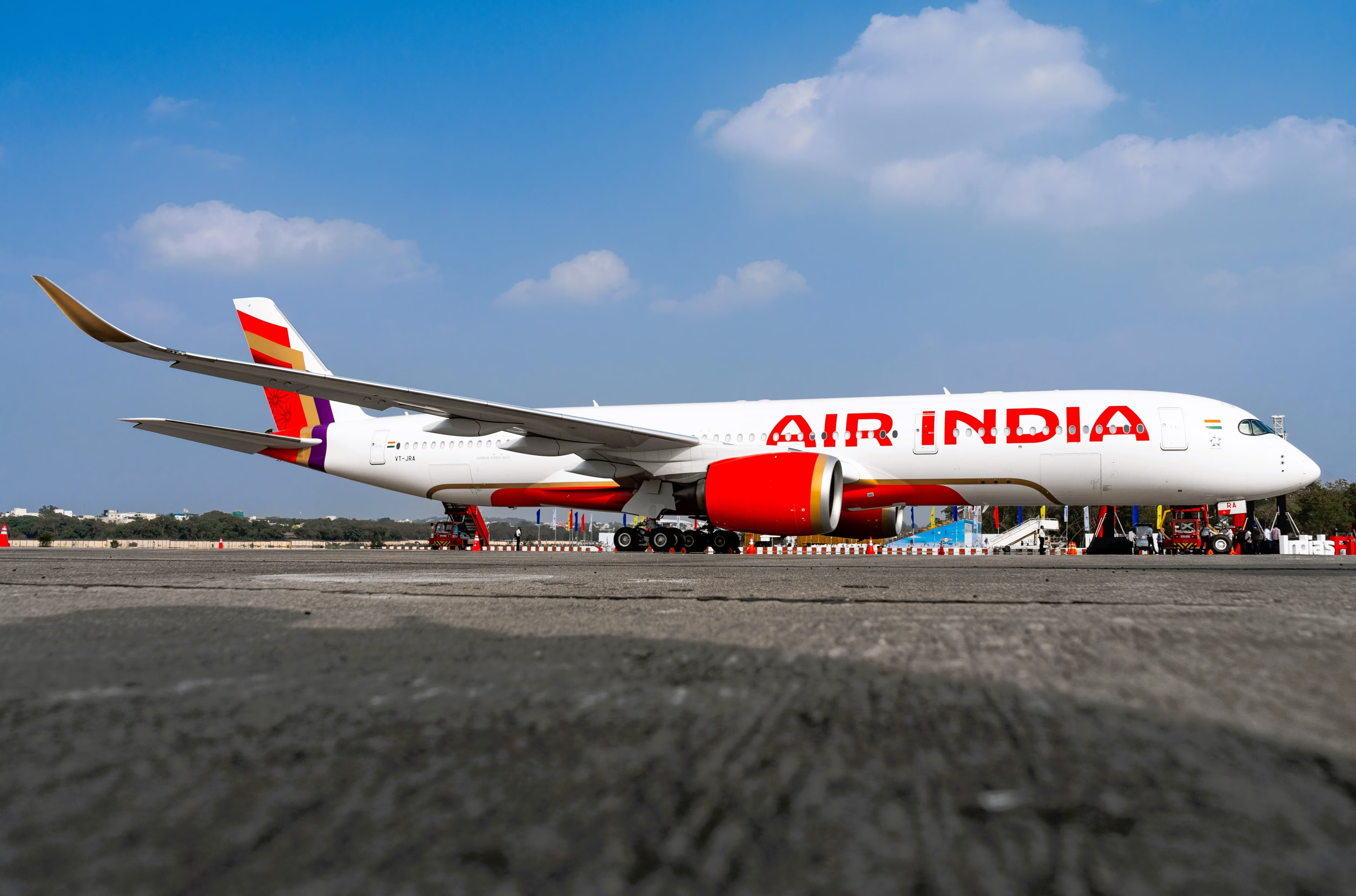
Long-Term Vision for Air India
The airline’s transformation strategy extends well beyond aircraft acquisition.
Company officials envision Air India becoming a globally competitive airline recognized for:
- Operational excellence
- Passenger comfort
- Reliable service
- Modern fleet
- Extensive international network
- Strong domestic connectivity
The combination of fleet expansion, technology investment, employee development, and customer-focused improvements forms the foundation of this long-term vision.
Air India’s decision to induct 50 to 60 new aircraft over the next 18 months marks a significant step in the airline’s ongoing transformation under the Tata Group. Backed by one of the largest aircraft purchase agreements in aviation history, the airline aims to modernize its fleet, expand domestic and international connectivity, and enhance the overall passenger experience through advanced aircraft, upgraded cabins, and improved service standards.
Despite facing global challenges such as supply chain disruptions, rising fuel prices, airspace restrictions, and geopolitical uncertainties, Air India remains committed to its long-term growth strategy. Alongside fleet expansion, the airline is investing heavily in technology, employee training, digital innovation, and operational efficiency to strengthen its position in the competitive aviation market.
As aircraft deliveries accelerate over the coming years and modernization programmes continue across both Air India and Air India Express, the carrier expects to offer safer, more reliable, and more comfortable travel experiences. With India’s aviation sector witnessing sustained growth, Air India’s ambitious expansion plan is expected to play a key role in shaping the future of air travel in the country while reinforcing its aspirations to become a leading global airline.