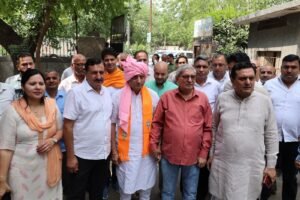
Delhi Mayor Parvesh Wahi conducted an extensive inspection of Ward No. 29 Pooth Khurd as part of the Municipal Corporation’s ongoing cleanliness and rural development campaign. The visit was aimed at reviewing sanitation conditions, pending construction projects, drainage systems, and public infrastructure in the village areas falling under the ward.
During the inspection, Mayor Parvesh Wahi directly interacted with villagers and listened to several complaints related to garbage accumulation, damaged roads, blocked drains, and incomplete development work. Residents of Prahladpur village especially highlighted the poor sanitation conditions and demanded immediate action from civic authorities.
The inspection became an important administrative exercise as the Mayor personally assessed ground-level conditions and instructed officials to ensure that all pending work is completed within a fixed timeline.
Villagers Raise Concerns Over Garbage and Drainage Problems
One of the major issues discussed during the inspection was the growing sanitation problem in the area. Residents complained that garbage collection systems were irregular and drains remained clogged for long periods, leading to foul smell, waterlogging, and unhygienic surroundings.
Villagers informed the Mayor that poor drainage connectivity has become a serious concern, especially during rainfall. Overflowing drains not only create inconvenience for residents but also increase the risk of diseases and mosquito breeding.
Mayor Parvesh Wahi took serious note of these complaints and directed officials of the Municipal Corporation and the Public Works Department (PWD) to coordinate properly and work together to solve the drainage issue permanently.
The Mayor emphasized that lack of coordination between departments should not affect public welfare. He instructed officials to immediately begin work on connecting drains and clearing blocked sewage lines to improve sanitation conditions in the ward.
 Strict Instructions Issued to Officials and Contractors
During the inspection, Mayor Parvesh Wahi expressed concern over delays in construction work in several streets and lanes of the village. He said development projects should not remain incomplete for long periods because it directly affects the daily lives of residents.
The Mayor instructed officials to complete pending road and lane construction work at the earliest. He also warned that strict action could be taken against contractors responsible for unnecessary delays or poor-quality work.
According to officials present during the inspection, the remaining development work is expected to be completed within one week. Mayor Parvesh Wahi clearly stated that if problems are not resolved within the promised timeline, he will personally revisit the area for another inspection.
This statement was seen as a strong message from the administration regarding accountability and timely execution of civic projects.
 Warm Welcome by Villagers During Inspection
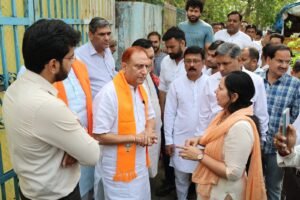
Residents of Pooth Khurd and Prahladpur welcomed Mayor Parvesh Wahi during the inspection and expressed appreciation for his direct interaction with the public. Villagers said that senior officials rarely visit rural areas to personally understand the problems faced by local residents.
The Mayor thanked the villagers for their support and cooperation. He said public participation is necessary for the success of cleanliness drives and development campaigns.
Many residents used the opportunity to speak directly to officials about issues related to sanitation, road repairs, drainage systems, and waste disposal. The interaction between citizens and the administration helped highlight several ground-level concerns that require immediate attention.
Focus on Rural Development Under Gramodaya Campaign
During the visit, Mayor Parvesh Wahi also spoke about the Gramodaya campaign launched for the development of Delhi’s rural villages. He thanked Delhi Chief Minister Rekha Gupta and the Lieutenant Governor for providing funds to improve civic infrastructure in village areas.
The Mayor said the administration is committed to ensuring that rural areas receive the same level of attention and development as urban parts of Delhi. He added that roads, drainage systems, schools, sanitation facilities, and waste management systems in villages are being upgraded under various development schemes.
Experts believe that rural areas around Delhi have long required better infrastructure planning because rapid population growth has increased pressure on civic facilities. Regular inspections and direct monitoring by senior officials can help speed up development work and improve accountability.
Concern Over Cow Dung Being Dumped Into Drains
Another important issue raised during the inspection was the disposal of cow dung by dairy operators. Mayor Parvesh Wahi appealed to villagers and dairy owners not to dump cow dung into drains because it causes severe blockage in drainage systems.
The Mayor explained that when drains get blocked with waste and cow dung, water cannot flow properly, resulting in overflowing drains and sanitation problems. He said this issue has become one of the major reasons behind drainage failure in several village areas.
Mayor Parvesh Wahi urged residents to cooperate with the administration in maintaining cleanliness and preventing such practices. He emphasized that public awareness and community participation are equally important for keeping villages clean and hygienic.
 Gobar Gas Plants Highlighted as Waste Management Solution
While addressing residents, Mayor Parvesh Wahi informed villagers that the administration has already established two gobar gas plants in Delhi to manage cow dung waste effectively.
According to the Mayor, these plants are helping convert waste into useful resources such as gas and organic fertilizer. He said this initiative is not only helping in waste management but also supporting environmentally friendly practices.
The Mayor compared this initiative with the cleanliness mission promoted by Prime Minister Narendra Modi. He said that just as the country worked towards becoming free from open defecation, similar efforts are now being made to solve the issue of waste and drainage in village areas.
Environmental experts often point out that biogas plants can play a major role in reducing pollution and improving sanitation in rural and semi-urban areas. Proper disposal and recycling of waste can also reduce pressure on drainage infrastructure.
Inspection of Municipal School in Barwala Area
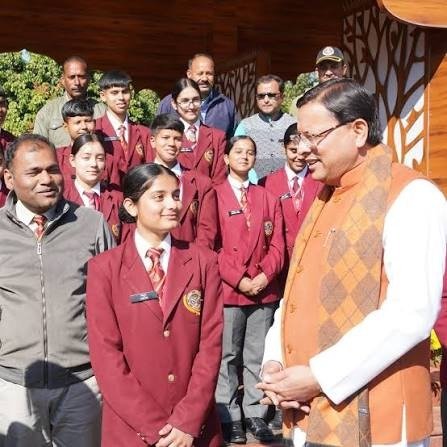
As part of the inspection drive, Mayor Parvesh Wahi also visited a Municipal Corporation school located in the Barwala area. During his visit, he reviewed the condition of the school premises and instructed officials to repair the damaged boundary wall.
The Mayor said educational institutions must be maintained properly to ensure safety and better learning conditions for students. Officials were directed to complete repair work quickly and ensure that basic infrastructure in schools remains in good condition.
Residents appreciated the inclusion of schools and public institutions in the inspection drive, saying that improvement in educational infrastructure is also necessary for overall village development.
Civic Officials Assure Completion of Pending Work
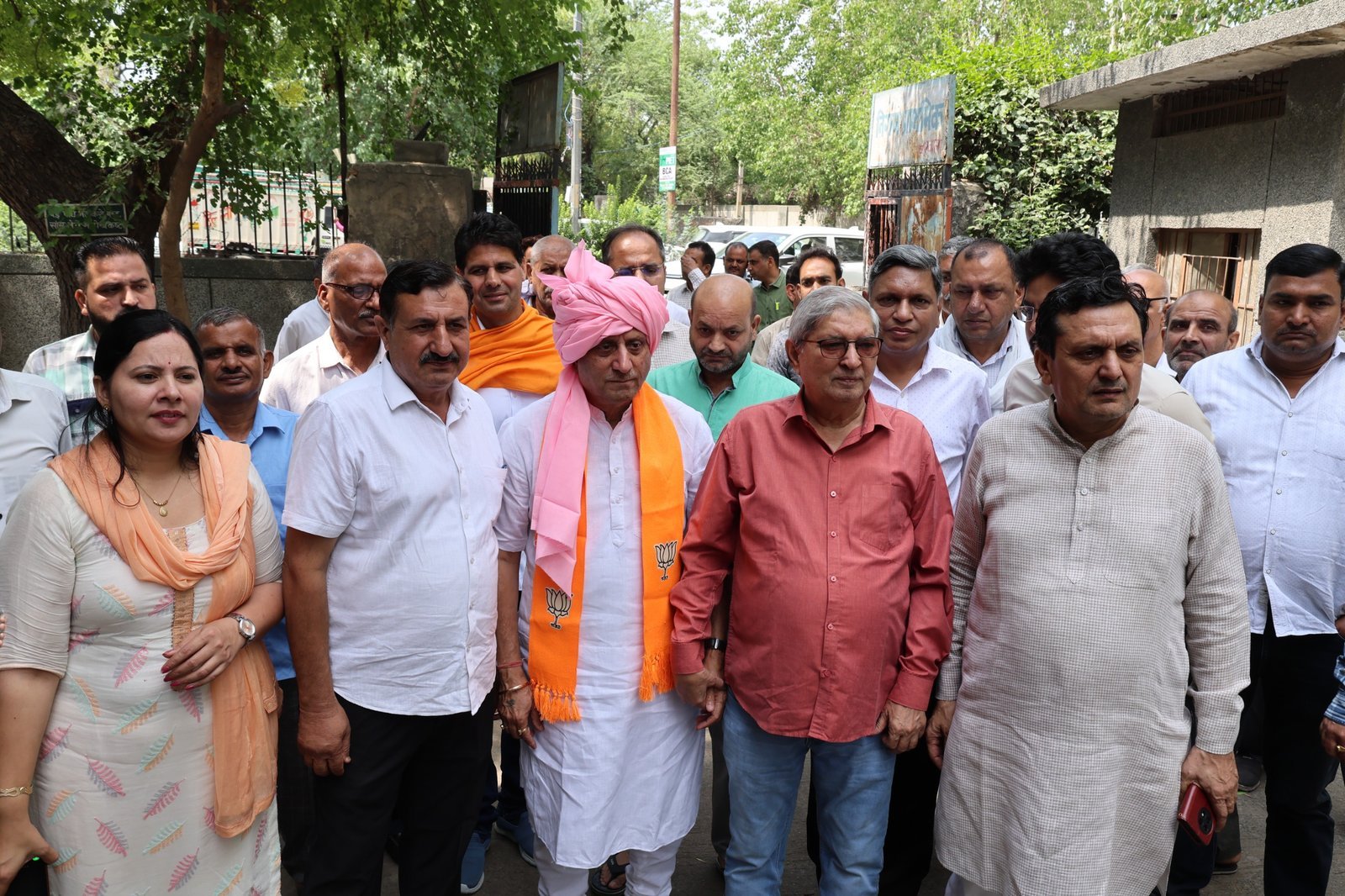
Several senior officials and public representatives accompanied Mayor Parvesh Wahi during the inspection. Those present included local councillor Anju Devi, BJP district president Vinod Sehrawat, Additional Commissioner Sanjeev Kumar Mittal, and Narela Deputy Commissioner Raghuvendra Meena.
Officials assured the Mayor that all pending construction work and sanitation-related projects would be completed within the promised deadline. They also stated that coordination between departments would be improved to ensure faster execution of development work.
The presence of senior officials during the inspection highlighted the administration’s focus on addressing public grievances more effectively and improving civic services in rural Delhi.
Public Participation Seen as Key to Cleanliness Mission
Mayor Parvesh Wahi repeatedly appealed to villagers to support the cleanliness campaign by maintaining hygiene in their surroundings and cooperating with sanitation workers.
He said that while government agencies can build infrastructure and provide services, public support is equally important for maintaining cleanliness and preventing civic problems.
The Mayor urged residents not to dump garbage into drains and encouraged them to actively participate in keeping village streets and public spaces clean. According to civic officials, awareness campaigns may also be conducted in the area to educate residents about proper waste disposal practices.
Rural Areas Continue to Face Infrastructure Challenges
The inspection of Pooth Khurd highlighted the larger civic challenges faced by rural and semi-urban areas in Delhi. Rapid urbanization, increasing population, and lack of proper drainage infrastructure have created pressure on sanitation systems in many outer Delhi villages.
Residents often complain that village areas do not receive the same level of infrastructure attention as central urban zones. Problems such as overflowing drains, damaged roads, poor waste disposal systems, and incomplete construction projects continue to affect daily life in several localities.
Experts believe that regular field inspections by senior officials can help improve governance and ensure faster response to public complaints. Direct interaction between citizens and authorities also increases transparency and accountability in administration.
Mayor Reaffirms Commitment to Public Service
During the inspection, Mayor Parvesh Wahi stated that the administration is fully committed to serving the public and improving civic infrastructure in Delhi’s rural areas.
He said that all elected representatives and officials are working continuously to address public issues and ensure better living conditions for residents. The Mayor also assured villagers that their complaints would not be ignored and that visible improvements would be made in sanitation and development work.
The inspection of Ward No. 29 Pooth Khurd reflected the administration’s broader focus on cleanliness, drainage improvement, rural development, and public infrastructure. Residents now expect that the promises made during the inspection will result in faster completion of pending work and long-term improvement in civic conditions across the area.