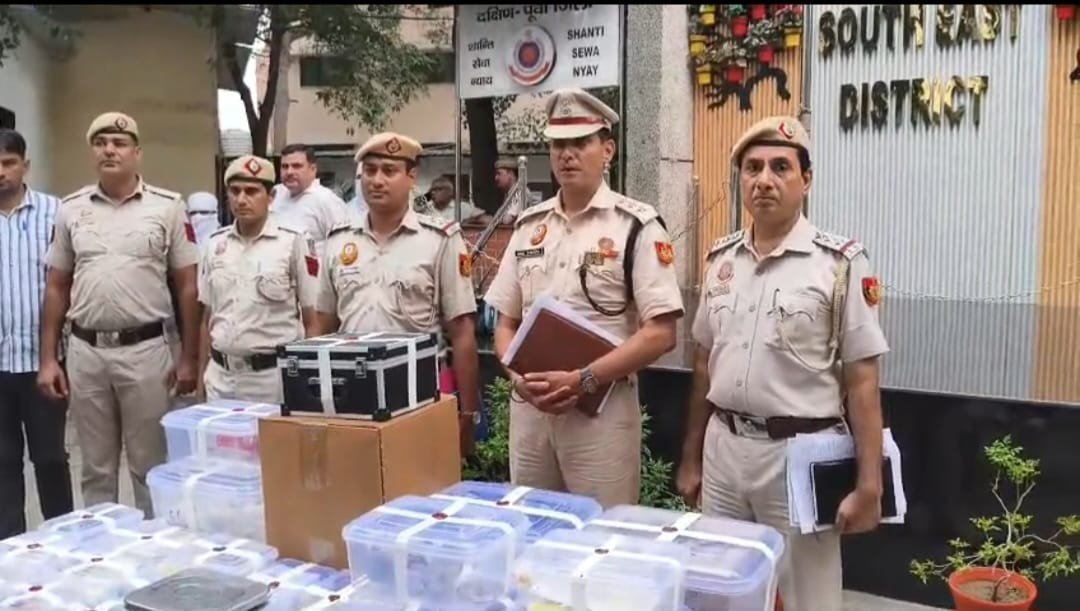
Food Tampering Syndicate has emerged as a serious threat to consumer Food safety, exposing how expired food products can be deceptively reintroduced into the market through manipulated labels and falsified expiry dates. In a major crackdown aimed at protecting public health, the South-East District Police of Delhi dismantled an organized network allegedly involved in repackaging expired international branded food products and selling them as fresh across various markets and online platforms. The operation led to the seizure of expired and tampered Food Safety products worth more than ₹20 lakh and the arrest of seven accused, including the owner of the company allegedly running the illegal operation.
The case has brought renewed attention to the dangers of food fraud, where products that should have been discarded are instead modified using fake labels, altered manufacturing and expiry dates, and counterfeit packaging to deceive consumers. According to the investigation, the accused allegedly purchased near-expiry and expired Food Safety items at throwaway prices, erased the original dates using chemicals, printed new dates with specialised machinery, and redistributed the products through retail outlets and e-commerce channels for unlawful profits.
The successful operation by Delhi Police not only exposed a sophisticated Food Tampering Syndicate but also prevented a large quantity of potentially unsafe Food Safety from reaching consumers. Food Safety The case highlights the importance of strict enforcement, coordinated action with food safety authorities, and continuous vigilance against organised fraud that directly impacts public health and consumer trust.
Table of Contents
Major Crackdown Uncovers Organized Illegal Operation
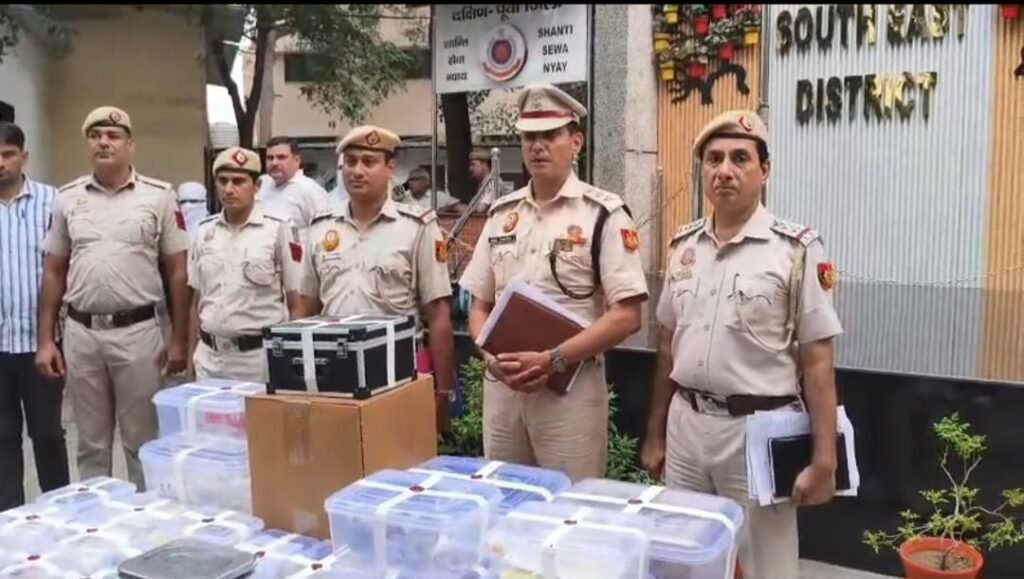
The action was carried out by the team of Police Station Okhla Industrial Area under the South-East District of Delhi Police. The raid was conducted under the supervision of senior police officials in coordination with officers from the Office of the Sub-Divisional Magistrate (Badarpur), representatives of the Mission Mukti Foundation, and officials from the Food Safety and Standards Authority of India (FSSAI).
Interestingly, the operation did not begin as a food safety investigation. Police initially acted on specific information regarding the possible presence of child labour at a commercial establishment in Okhla Phase-II. Although no child labourers were found during the inspection, investigators uncovered evidence pointing towards a sophisticated Food Safety Tampering Syndicate operating from the premises.
What initially appeared to be a routine inspection soon turned into one of the biggest Food Safety fraud detections in the district, exposing an organised network involved in manipulating expiry dates and repackaging expired food items.

How the Food Tampering Syndicate Operated
According to investigators, the Food Tampering Syndicate had developed a systematic process to maximise profits by extending the apparent shelf life of food products that were close to expiry or had already expired.
The accused allegedly purchased near-expiry and expired Food Safety products of reputed domestic and international brands at extremely low prices. Instead of disposing of these products, they reportedly used chemical solutions to erase the original manufacturing and expiry dates printed on the packaging.
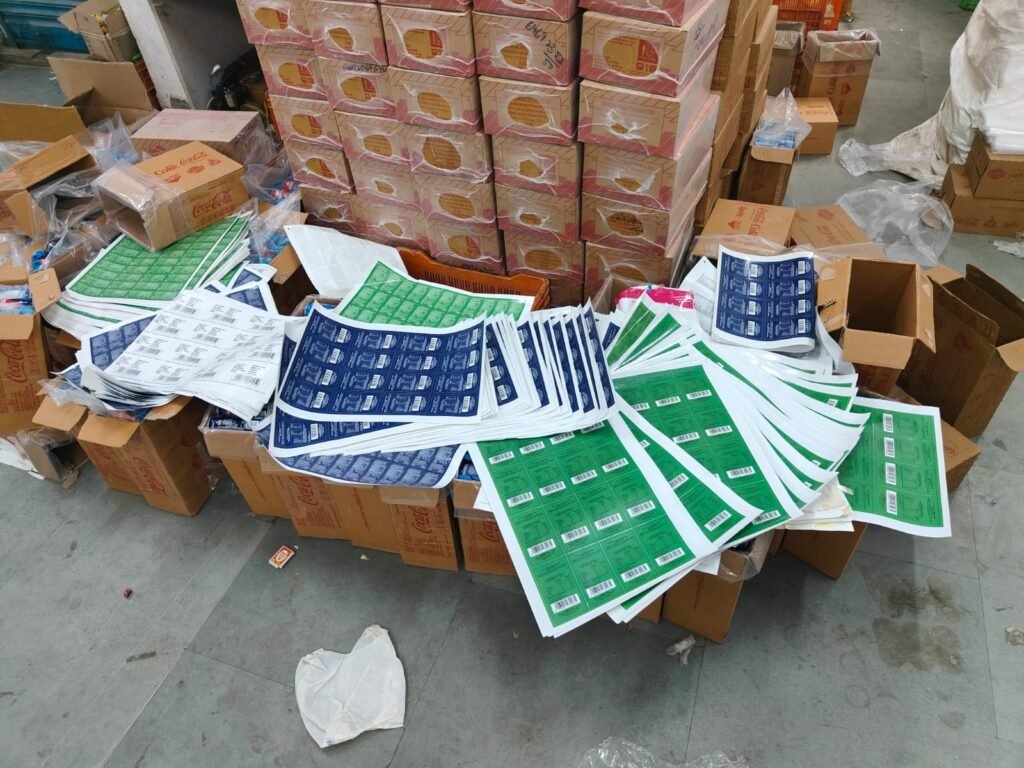
After removing the original details, specialised printing machines were used to print fresh manufacturing dates and extended expiry dates. Fake nutrition labels, batch numbers, barcodes, and Maximum Retail Price (MRP) stickers were then affixed to the products before they were repackaged to resemble genuine factory-sealed items.
The Food Tampering Syndicate allegedly ensured that the altered packaging looked authentic enough to escape detection during normal retail transactions.
Popular Brands Among the Seized Products
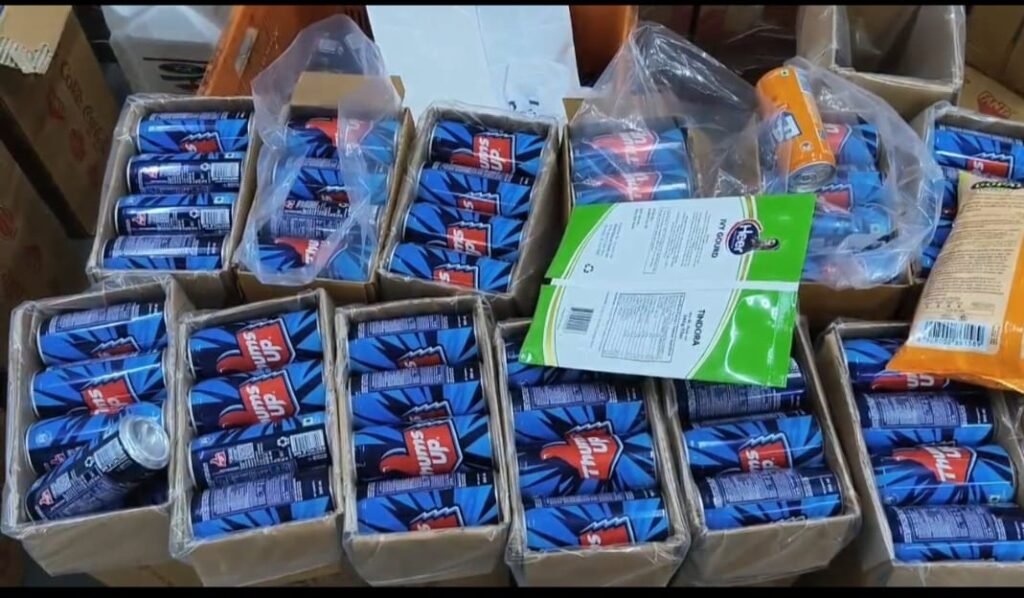
During the raid, investigators recovered a large quantity of allegedly tampered Food Safety and beverage products belonging to well-known brands commonly found in Indian households.
Among the products seized were:
- Thums Up
- Fanta
- Bournvita
- Horlicks
- Maggi noodles
- Ghee
- Paper Boat juices
- Two-litre cold drink bottles
- Soft drink cans
- Other packaged food and beverage products
The inclusion of such widely consumed products demonstrates how the Food Tampering Syndicate targeted items with high consumer demand, increasing the likelihood that altered goods would quickly re-enter the supply chain without attracting suspicion.
Sophisticated Machinery Recovered
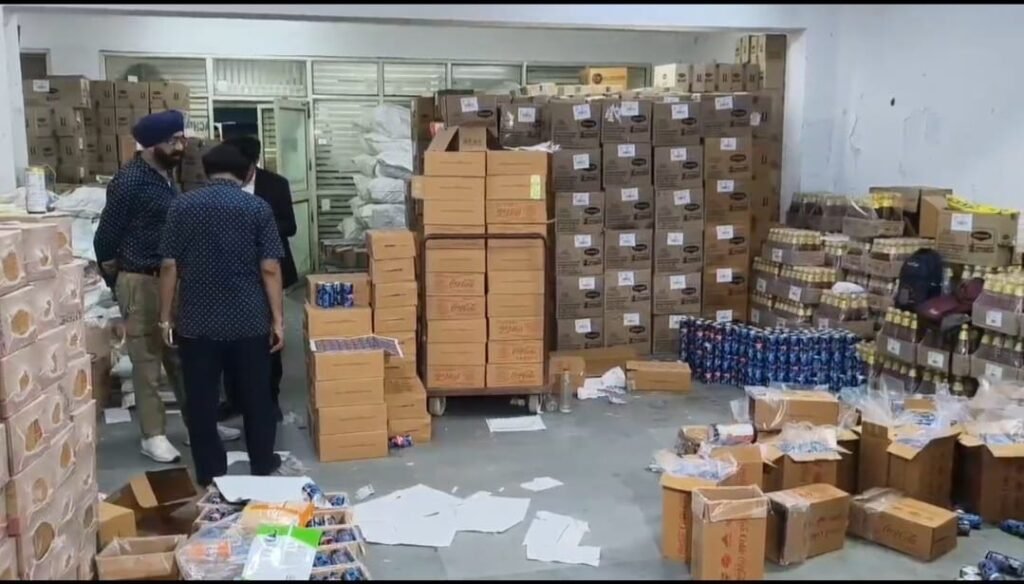
One of the most significant findings during the investigation was the recovery of equipment allegedly used to carry out the illegal operation.
Police recovered:
- Printing machines
- Industrial sealing machines
- Date-modification equipment
- Chemical thinners
- Fake nutrition labels
- Counterfeit barcodes
- Fake batch stickers
- MRP labels
The presence of specialised machinery indicates that the Food Tampering Syndicate was operating on a commercial scale rather than engaging in isolated acts of fraud.
Investigators believe the operation was designed to process large quantities of products efficiently before redistributing them into the market.
Products Distributed Across India
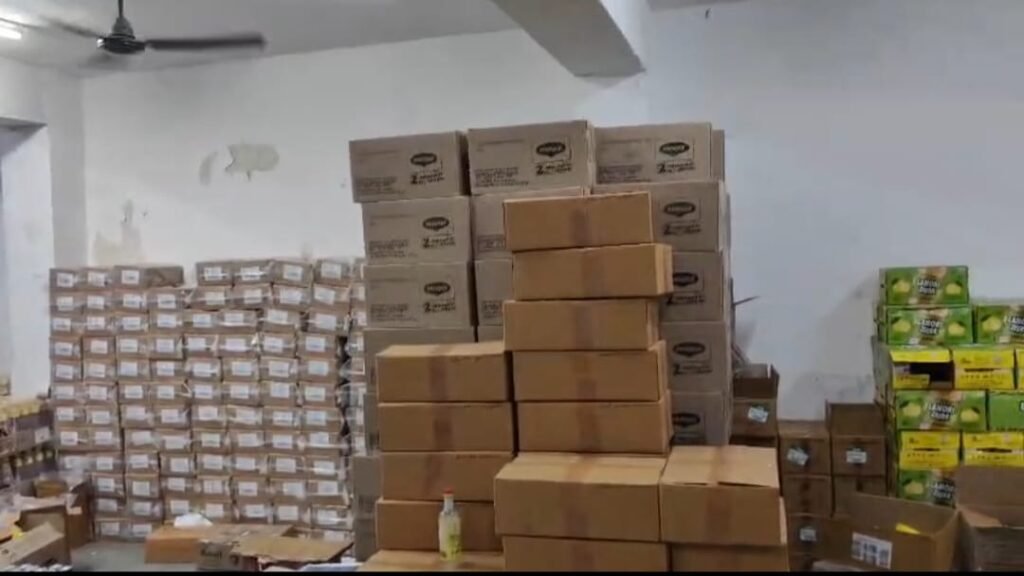
According to the investigation, the altered products were not intended for sale in a single locality.
The Food Tampering Syndicate allegedly supplied repackaged food products to:
- Wholesale markets
- Retail shops
- Shopping malls
- Distribution networks
- E-commerce platforms
This wide distribution network significantly increased the potential number of consumers who could unknowingly purchase expired products presented as fresh goods.
The alleged nationwide distribution also demonstrates the complexity of organised food fraud, where products may travel across multiple states before reaching customers.

Serious Threat to Consumer Health
Food products carry expiry dates for an important reason.
Manufacturers determine shelf life after scientific testing to ensure that products remain safe, nutritious, and of acceptable quality for consumers.
Once these dates expire, several risks may arise depending on the nature of the product.
Expired packaged food may experience:
- Loss of nutritional value
- Growth of harmful bacteria
- Chemical degradation
- Changes in taste and texture
- Reduced food quality
- Increased health risks
While not every expired product immediately becomes dangerous, deliberately extending expiry dates removes consumers’ ability to make informed decisions regarding food safety.
By manipulating expiry information, the Food Tampering Syndicate allegedly exposed thousands of consumers to avoidable health risks while prioritising illegal financial gain.
Food Fraud Is a Growing Global Concern
Food fraud is not unique to India.
According to international food safety organisations, food fraud costs the global food industry billions of dollars every year. Common forms include:
- Counterfeit food products
- Adulteration
- Mislabelling
- Expiry date manipulation
- Ingredient substitution
- Fake certifications
The case uncovered in Delhi reflects one of the most dangerous forms of food fraud because it directly affects consumer health by disguising expired products as fresh stock.
Experts believe increasing online commerce has made monitoring supply chains even more challenging, making enforcement agencies’ vigilance increasingly important.
Investigation Began With Secret Information
Police stated that the investigation began after receiving credible secret information.
Acting promptly, officers coordinated with multiple government agencies before conducting the inspection.
This multi-agency approach proved crucial because food fraud investigations often require expertise from both law enforcement and food safety regulators.
The successful exposure of the Food Tampering Syndicate demonstrates how coordinated action between Delhi Police, FSSAI, local administration, and civil society organisations can effectively combat organised economic offences affecting public health.
Seven Accused Arrested
Police arrested seven individuals allegedly associated with the illegal operation.
Those arrested include:
- The company owner
- Company manager
- Accountant
- Machine operator
- Warehouse keeper
- Two supervisors
Investigators believe each individual played a specific role in maintaining the operation, from procurement and accounting to packaging and distribution.
Their questioning is expected to help investigators identify additional supply chains, buyers, distributors, and possible associates connected with the Food Tampering Syndicate.
Criminal Case Registered
Following the recovery, Delhi Police registered a criminal case under multiple provisions of the Bharatiya Nyaya Sanhita (BNS).
The investigation remains ongoing, and police are examining business records, supply networks, financial transactions, and distribution channels to determine the full extent of the operation.
Officials are also expected to analyse whether similar products had already entered markets in other states.
Why Consumers Should Check Packaging Carefully
Although enforcement agencies play a vital role in protecting consumers, experts advise buyers to remain vigilant while purchasing packaged food.
Consumers should always:
- Check manufacturing and expiry dates carefully.
- Examine packaging for signs of tampering.
- Verify that labels appear professionally printed.
- Avoid purchasing damaged or resealed products.
- Buy packaged food from trusted retailers.
- Preserve bills for expensive purchases.
- Report suspicious products to food safety authorities.
Awareness among consumers acts as an additional layer of protection against fraudulent practices like those allegedly carried out by the Food Tampering Syndicate.
Appreciating Delhi Police’s Preventive Action
The successful exposure of this Food Tampering Syndicate deserves appreciation because the operation extended far beyond a routine criminal investigation. By uncovering an organised network involved in allegedly altering expiry dates of branded food products, Delhi Police acted not only to enforce the law but also to safeguard public health.
The professionalism displayed during the raid, the coordination with FSSAI, the Office of the Sub-Divisional Magistrate, and Mission Mukti Foundation, along with the timely seizure of sophisticated machinery and large quantities of tampered products, reflects the importance of intelligence-based policing. Such proactive action prevented potentially unsafe food products from reaching countless households and reinforced public confidence in law enforcement.
The case also sends a strong message that organised economic offences affecting consumer safety will face strict scrutiny. As the investigation continues, authorities are expected to examine the broader supply chain to identify any additional individuals or businesses linked to the Food Tampering Syndicate, ensuring that those responsible are brought within the ambit of the law while protecting consumers from similar fraudulent practices in the future.