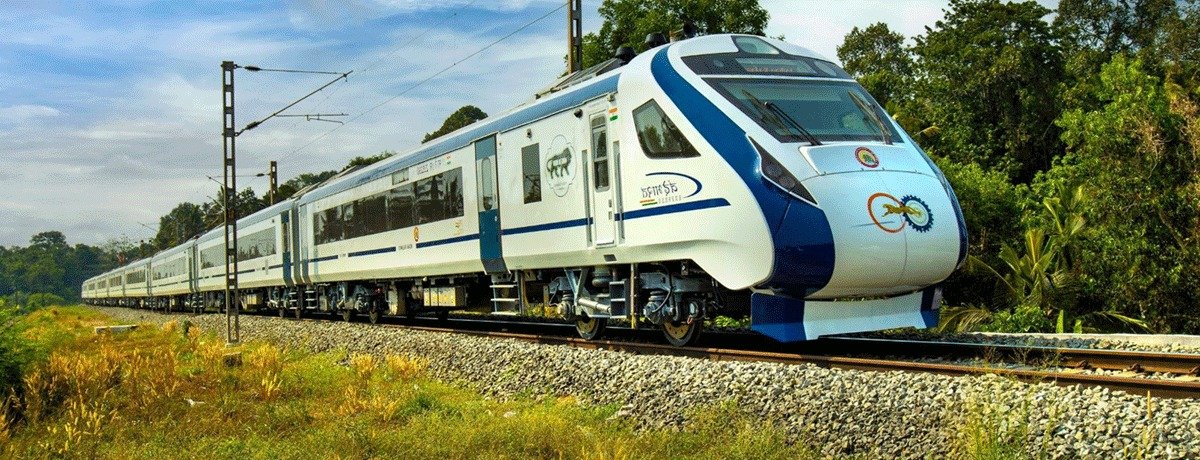
Indian Railways has approved a ₹206-crore project to deploy Kavach Version 4.0, its indigenous Automatic Train Protection (ATP) system, across 680 route kilometres of the Northern Railway network. The latest investment marks another major step in the country’s railway modernisation programme, reinforcing Indian Railways‘ commitment to improving passenger safety, operational efficiency and technology-driven rail transportation.
The approved project will cover the Rewari-Delhi and Shakurbasti-Bathinda sections, along with their feeder branch lines under the Delhi Division of Northern Railway. These routes are among the important railway corridors that handle substantial passenger as well as freight traffic. By introducing Kavach Version 4.0, Indian Railways aims to strengthen train protection systems while ensuring safer and more reliable operations across these busy sections.
The approval also reflects the growing importance of indigenous railway technology in India’s transport sector. Instead of depending on imported train safety systems, Indian Railways has developed Kavach as a homegrown solution capable of meeting international safety standards while addressing the unique operational requirements of the country’s vast railway network.
Table of Contents
A significant investment in railway safety
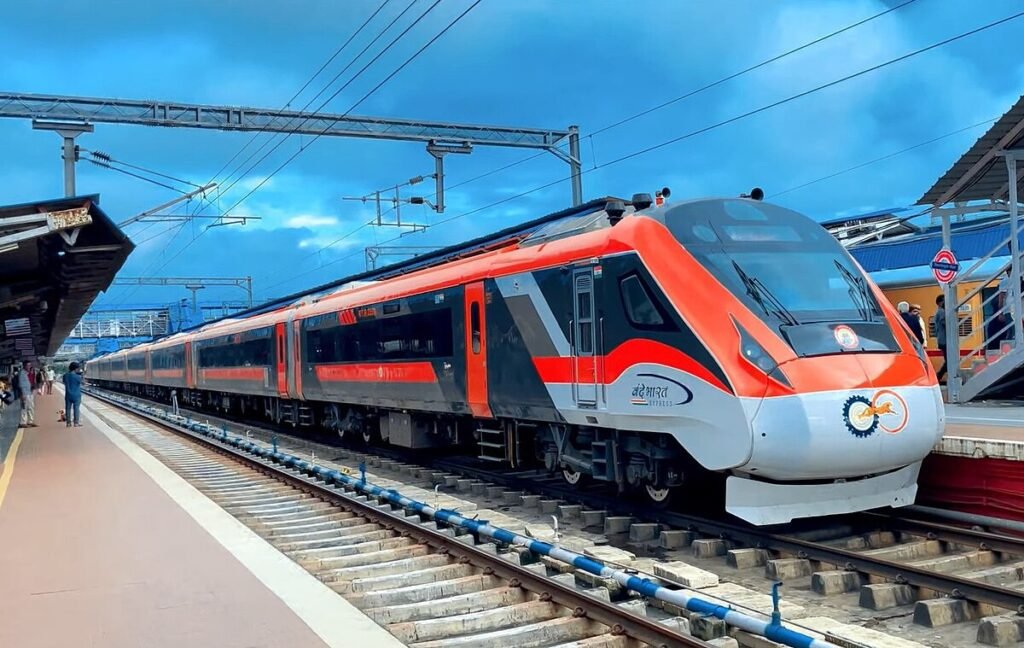
Safety has remained one of the highest priorities for Indian Railways, especially as train operations continue to expand across the country. Every day, thousands of passenger and freight trains travel over one of the world’s largest railway networks, making advanced safety systems essential for efficient operations.
The ₹206-crore investment demonstrates that infrastructure development is no longer limited to tracks, stations and locomotives. Increasingly, Indian Railways is investing in intelligent technologies that improve decision-making, reduce human error and minimise operational risks.
The deployment of Kavach Version 4.0 forms part of the national strategy to expand the indigenous train protection system across high-density routes and strategically important railway corridors where safety enhancements can have the greatest impact.
What is Kavach Version 4.0?
Kavach is an indigenous Automatic Train Protection (ATP) system developed specifically for Indian Railways to improve train safety.
In simple terms, it functions as an intelligent electronic safety system that continuously monitors train movement and automatically intervenes whenever there is a risk of an accident.
Unlike traditional signalling systems that depend heavily on manual responses from locomotive pilots, Kavach provides an additional safety layer by constantly communicating with railway infrastructure and onboard equipment.
If the system detects that a train is approaching a danger signal without slowing down appropriately, it automatically activates the braking system to stop the train before an unsafe situation develops.
This significantly reduces the possibility of Signal Passed at Danger (SPAD) incidents, one of the major causes of railway accidents worldwide.
Preventing train collisions
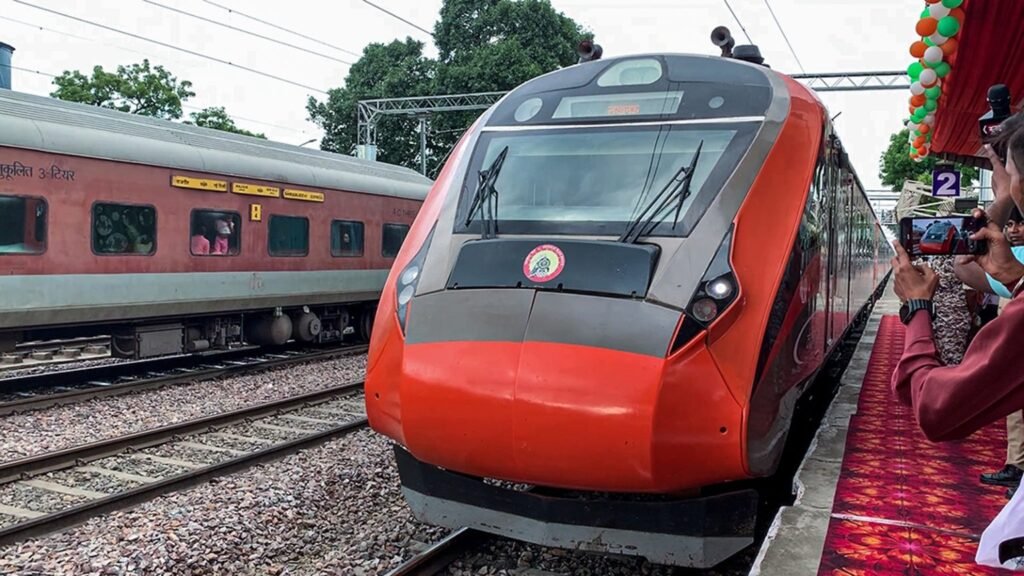
One of the biggest strengths of Kavach is its ability to prevent collisions.
The system continuously monitors train speed, location and signalling information while maintaining communication between locomotives and trackside equipment.
If two trains are moving towards each other on the same track or if there is any possibility of collision, Kavach automatically alerts the locomotive pilot.
If corrective action is not taken within the required time, the system independently applies the brakes to prevent an accident.
This automatic intervention makes Indian Railways significantly safer by reducing dependence on human reaction during emergency situations.
Better safety during poor weather
Dense fog has traditionally posed operational challenges for Indian Railways, particularly during winter months in northern India.
Reduced visibility often forces trains to operate at lower speeds because locomotive pilots cannot clearly see signals ahead.
Kavach addresses this challenge by allowing onboard systems to communicate directly with signalling equipment rather than relying solely on visual observation.
As a result, train operations become safer even under adverse weather conditions.
The technology enables locomotive pilots to receive real-time information regardless of visibility, reducing delays while maintaining high safety standards.
This feature is expected to improve punctuality on fog-affected routes covered under the latest project.
Supporting maximum permissible speeds
Apart from preventing accidents, Kavach also contributes to operational efficiency.
The system continuously monitors train speed and ensures that locomotives operate within authorised speed limits.
Whenever safe operating conditions exist, trains can continue running at their maximum permissible speeds without unnecessary restrictions.
This enables Indian Railways to improve journey times while maintaining strict safety standards.
As railway traffic continues to increase across the country, technologies that simultaneously improve safety and efficiency become increasingly valuable.
Routes covered under the project
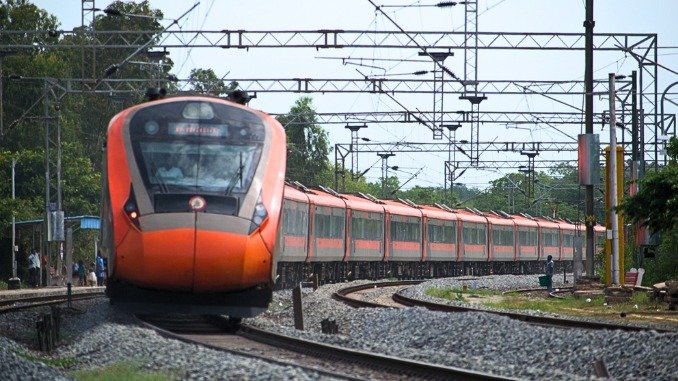
The approved project will implement Kavach Version 4.0 across approximately 680 route kilometres of the Northern Railway network.
Coverage includes:
- Rewari-Delhi section
- Shakurbasti-Bathinda section
- Associated feeder branch lines
- Delhi Division of Northern Railway
These routes play an important role in connecting northern India with the national railway network.
They support heavy passenger movement while also serving as important freight corridors transporting industrial goods, agricultural products and essential commodities.
Installing Kavach across these sections is expected to improve both passenger and freight operations.
Why indigenous technology matters
One of the most notable aspects of Kavach is that it has been developed within India.
By adopting indigenous technology, Indian Railways reduces dependence on imported safety systems while encouraging domestic research and engineering expertise.
Homegrown technology also allows greater flexibility because it can be customised according to India’s operational requirements, climatic conditions and signalling infrastructure.
Additionally, indigenous development reduces long-term maintenance costs and strengthens the country’s technological capabilities in railway engineering.
The continued expansion of Kavach demonstrates how Indian Railways is combining infrastructure development with innovation under the broader vision of self-reliance in transportation technology.
Improving passenger confidence
Safety remains one of the biggest factors influencing public confidence in railway travel.
Modern passengers increasingly expect advanced technologies that minimise risks and ensure dependable operations.
The expansion of Kavach sends a strong message that Indian Railways is investing not only in faster trains but also in smarter safety systems.
Automated protection systems provide additional reassurance because they function independently of human intervention whenever necessary.
Such technologies are becoming standard across advanced railway networks worldwide, and their wider deployment strengthens India’s position among countries adopting modern rail safety practices.
Benefits for freight transportation
While passenger safety often receives public attention, freight transportation also benefits significantly from Kavach deployment.
Freight trains carry coal, cement, steel, food grains, automobiles and numerous industrial products essential for the country’s economy.
Any disruption caused by accidents affects industries, supply chains and economic activity.
By reducing operational risks and improving train reliability, Indian Railways can ensure smoother freight movement across important corridors.
Better safety also reduces the likelihood of infrastructure damage, operational delays and expensive service disruptions.
A technology-driven approach to railway operations
The latest approval reflects the broader transformation underway across Indian Railways.
Alongside electrification, station redevelopment, modern signalling systems and high-speed trains, intelligent safety technologies have become an essential component of railway modernisation.
Digital systems like Kavach represent the future of railway operations because they combine real-time monitoring, automatic intervention and continuous communication to improve overall network performance.
Such technologies help create a railway system that is not only safer but also more efficient and capable of handling increasing passenger and freight demand.
Strengthening the future of Indian Railways
The ₹206-crore approval for deploying Kavach Version 4.0 across the Northern Railway network highlights the continuing emphasis Indian Railways is placing on advanced safety infrastructure. By extending the indigenous Automatic Train Protection system to key routes such as Rewari-Delhi and Shakurbasti-Bathinda, the project supports safer train operations, better operational reliability and improved efficiency across busy railway corridors.
As Indian Railways continues expanding its network and adopting modern technologies, initiatives like Kavach demonstrate how indigenous innovation is playing an increasingly important role in creating a smarter, safer and more technologically advanced railway system capable of meeting the transportation needs of a rapidly growing nation.