Formula 1 Calendar Reshuffle Brings Sepang Back After Nine-Year Absence
Formula 1 is set to return to Malaysia for the first time in nine years, with the Bahrain Grand Prix rescheduled to take place at the Sepang International Circuit on October 4. The unusual calendar change follows the cancellation of the originally scheduled Bahrain and Saudi Arabian races as the security situation in the Middle East deteriorated.
The race in Malaysia will continue to carry the Bahrain Grand Prix branding despite being held thousands of kilometres away from Bahrain. The proposed October 4 event is positioned between the Azerbaijan Grand Prix and the Singapore Grand Prix on the Formula 1 calendar.
The arrangement remains subject to approval from the FIA World Motor Sport Council, along with confirmation from Formula 1 and the relevant authorities.
For Malaysian motorsport fans, the announcement represents the return of the world’s premier single-seater championship to Sepang after the circuit last hosted an F1 race in 2017.
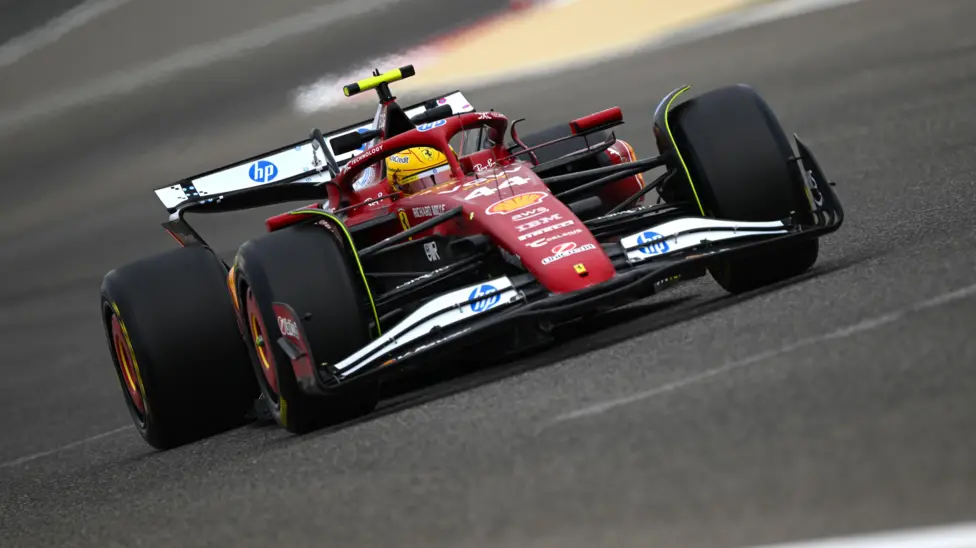
Table of Contents
Sepang Set for Formula 1 Comeback
Sepang has a long-standing connection with Formula 1 and has previously hosted some of the championship’s most memorable races.
The Malaysian Grand Prix was a regular part of the calendar for many years before the event was discontinued after the 2017 season. Since then, Malaysia has concentrated largely on motorcycle racing at Sepang.
The return of Formula 1 therefore represents a significant development for the country’s motorsport landscape.
Formula 1 president and chief executive Stefano Domenicali welcomed the move, describing Malaysia as an important destination for the sport and Sepang as a venue with a special place in Formula 1 history.
Domenicali also emphasised the importance of maintaining a complete and exciting calendar for fans.
The return will give spectators at Sepang another opportunity to watch modern Formula 1 machinery competing at a circuit that has previously been closely associated with the championship.
Why the Bahrain Grand Prix Is Moving to Malaysia
The unusual arrangement is the result of disruptions caused by the escalating security situation in the Middle East.
Formula 1 had originally scheduled races in Bahrain and Saudi Arabia for March and April. However, the championship called off both events as the conflict involving Iran intensified.
With the races unable to take place in their original locations, Formula 1 has sought an alternative solution that allows the season to maintain a full calendar.
The decision to use Sepang provides the championship with an established international racing venue capable of hosting a major Formula 1 event.
Rather than removing the Bahrain Grand Prix entirely, the event will retain its original branding while being relocated to Malaysia.
The move highlights the flexibility Formula 1 can require when dealing with circumstances beyond the control of the sport’s organisers.
October 4 Race Fits Between Azerbaijan and Singapore
Under the proposed revised schedule, the Sepang event will take place on October 4.
The Malaysian race has been placed between the Azerbaijan Grand Prix and the Singapore Grand Prix, creating a revised sequence of races in the Asian region.
The positioning could also provide logistical advantages because the circuit is located in Southeast Asia and already has extensive experience hosting major international motorsport events.
However, the final schedule is not yet completely confirmed. The proposal requires approval from the FIA’s World Motor Sport Council before it can become official.
Once approved, teams will have to adjust their operational planning around the additional event and the revised travel schedule.
Formula 1’s Unusual Grand Prix Arrangement
Although the situation is highly unusual, Formula 1 has previously held races under names that did not directly correspond to the country where the event took place.
The supplied information points to several historical examples.
The San Marino Grand Prix, for instance, was held in neighbouring Italy and was last contested under that name in 2006.
Germany also hosted races carrying the Luxembourg Grand Prix name on two occasions, while France staged a one-off Swiss Grand Prix.
The Malaysia-Bahrain arrangement, however, is considerably more unusual because Bahrain and Malaysia are separated by a substantial geographical distance.
The decision reflects the exceptional circumstances surrounding the 2026 calendar and the challenges involved in maintaining the planned number of races.
Sepang’s Place in F1 History
Sepang International Circuit has played an important role in Malaysia’s motorsport history.
The circuit became an established destination for Formula 1 during the years when the Malaysian Grand Prix was part of the championship calendar.
Its return would allow Formula 1 to reconnect with a venue that already has extensive experience dealing with the logistical, technical and organisational demands of a Grand Prix weekend.
Since the last F1 race in Malaysia in 2017, the country has focused more heavily on motorcycle racing.
However, Malaysia has retained a connection to Formula 1 through Petronas, the state-owned oil and gas company that has continued its involvement in the sport through its sponsorship of the Mercedes team.
That relationship has kept Malaysia visible within the F1 environment even during the country’s absence from the Grand Prix calendar.
A Major Opportunity for Malaysian Motorsport
The return of Formula 1 could provide a significant boost to Malaysia’s international motorsport profile.
A Grand Prix attracts global television audiences, international visitors, teams, sponsors and media organisations.
For Sepang, hosting an F1 race again would represent a return to the championship’s global spotlight after nearly a decade away.

The event could also provide local motorsport fans with an opportunity to experience Formula 1 at a circuit they have not seen on the championship calendar since 2017.
The announcement is particularly notable because the return was not originally planned as part of the regular season schedule.
Instead, it has emerged as a response to circumstances affecting the original calendar.
Middle East Security Situation Remains a Major Concern
The relocation of the Bahrain Grand Prix raises broader questions about Formula 1’s future races in the Middle East.
The supplied information notes that military action involving the United States, Israel and Iran has escalated in recent weeks.
That situation has already had a direct effect on the F1 calendar, with races in Bahrain and Saudi Arabia being called off.
The championship still has two scheduled events in the Gulf region later in the season.
The Qatar Grand Prix is scheduled for November, while the season finale is due to take place in Abu Dhabi in December.
At the time described in the supplied material, it remained uncertain whether those races could proceed according to schedule.
Their status could depend heavily on developments in the regional security situation.
Qatar and Abu Dhabi Races Face Questions
The Qatar Grand Prix and Abu Dhabi Grand Prix are important fixtures on the closing stages of the Formula 1 season.
Qatar is scheduled to host its race in November, followed by Abu Dhabi’s season finale in December.
However, the uncertainty surrounding regional security means that organisers and Formula 1 will have to continue monitoring developments.
The Bahrain situation demonstrates how quickly external events can affect international sporting calendars.
If conditions change significantly, Formula 1 could potentially face additional scheduling decisions.
For now, however, the proposed Malaysian event provides a way to preserve the Bahrain race within the championship calendar while moving the event away from the immediate security concerns affecting the Gulf region.
What the Rescheduling Means for Teams
A calendar change of this scale also creates logistical challenges for Formula 1 teams.
Teams operate with highly detailed schedules covering personnel, equipment, freight, hospitality, engineering operations and race preparation.
Moving a Grand Prix to a different country and time of year requires adjustments across those areas.
The October 4 date also means teams will compete at Sepang during a different part of the year compared with the traditional period in which the Malaysian Grand Prix was previously held.
Weather and track conditions can therefore become additional considerations for teams preparing their cars and race strategies.
The teams will also have to incorporate the Malaysian event into an already demanding run of races.
Fans to Get Another Chance to See F1 at Sepang
For Formula 1 supporters in Malaysia and across Southeast Asia, the announcement represents an exciting opportunity.
Sepang has a long history of attracting passionate motorsport audiences, and the return of Formula 1 could generate significant interest.
Domenicali specifically highlighted the importance of fans in the decision, noting that they would continue to enjoy a full calendar while seeing Formula 1 return to a venue with a strong place in the sport’s history.
The event could also attract international fans who remember the Malaysian Grand Prix from its previous years on the calendar.
A Positive Development for the F1 Calendar
From Formula 1’s perspective, the Malaysian race offers a way to preserve the integrity of the championship schedule despite the cancellation of the original Bahrain and Saudi Arabian events.
Rather than leaving gaps in the season, organisers have identified a respected international circuit capable of stepping in under extraordinary circumstances.
The decision also demonstrates the importance of maintaining flexibility within a global sporting championship.
Formula 1 operates across multiple continents, and its calendar can be affected by factors ranging from weather and logistics to geopolitical developments.
The proposed return to Malaysia is therefore not simply a sporting decision but also a practical response to an unprecedented scheduling challenge.
Sepang Ready for a New Chapter
If approved, the October 4 race will mark a new chapter in Sepang’s Formula 1 history.
Malaysia last hosted the championship in 2017, ending a long period during which the country’s Grand Prix was a regular fixture.

The return would be especially distinctive because the race would not officially be the Malaysian Grand Prix. Instead, Sepang would host an event carrying Bahrain Grand Prix branding.
That unusual arrangement would make the 2026 race unlike previous Formula 1 events held at the circuit.
For Malaysia, however, the significance remains clear: Formula 1 is returning.
What Comes Next
The immediate next step is approval from the FIA World Motor Sport Council.
Once the revised calendar receives the necessary approval, Formula 1 teams and organisers can proceed with detailed preparations for the October 4 event.
Attention will also remain on the security situation in the Middle East and the status of the later Qatar and Abu Dhabi races.
The proposed Malaysian Grand Prix weekend therefore carries importance beyond the race itself.
It represents Formula 1’s attempt to maintain a complete season while responding to circumstances that have already forced significant changes.
For Sepang, it is a welcome return to the global stage. For Formula 1 fans, it promises another opportunity to watch the championship’s cars and drivers compete at a historic venue.
If the plan receives final approval, October 4 will mark the first Formula 1 race at Sepang since 2017 — and one of the most unusual Grand Prix relocations in the sport’s history.