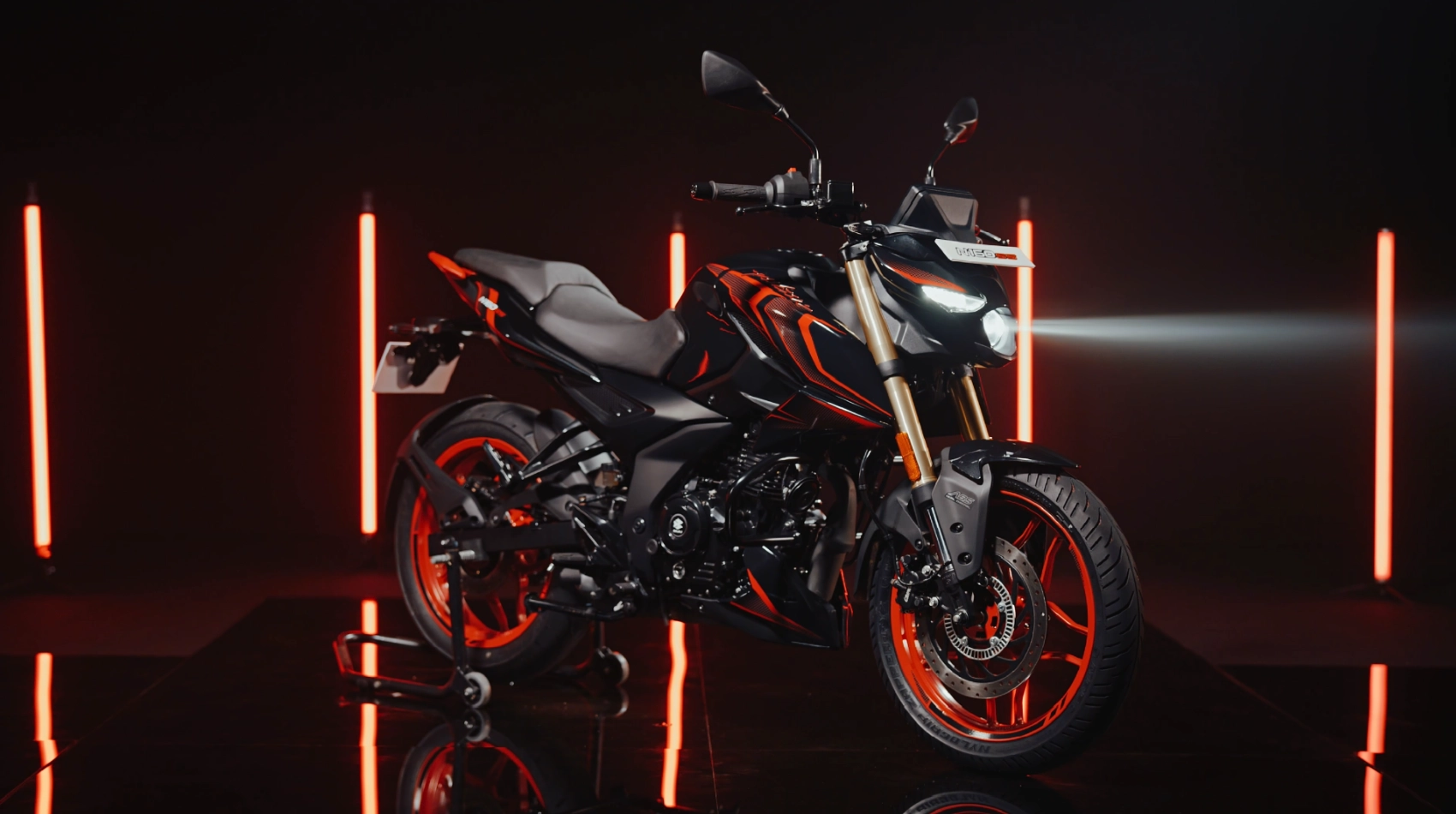
Updated Pulsar N160 range expands to three variants, with the N160 S and N160 SS bringing more power, advanced electronics and new technology
Bajaj Pulsar N160 has received a substantial update, taking the popular 160cc motorcycle well beyond a routine cosmetic refresh. The latest N160 range introduces mechanical upgrades, new electronic features and additional technology, giving buyers more choice across three variants: the standard N160, N160 S and top-spec N160 SS.
While the standard N160 continues with a familiar two-valve engine and a relatively straightforward equipment package, the N160 S and N160 SS receive a new four-valve, oil-cooled engine that produces more power. The range-topping N160 SS goes further with a five-inch TFT display, Google Maps integration, Bluetooth and Wi-Fi connectivity, four riding modes, traction control and a ride-by-wire throttle.
The updated motorcycle starts at ₹1.22 lakh ex-showroom for the base model and goes up to ₹1.42 lakh ex-showroom for the N160 SS. With these updates, Bajaj is clearly attempting to make the Pulsar N160 a more complete and technologically advanced offering in the competitive 160cc motorcycle segment.
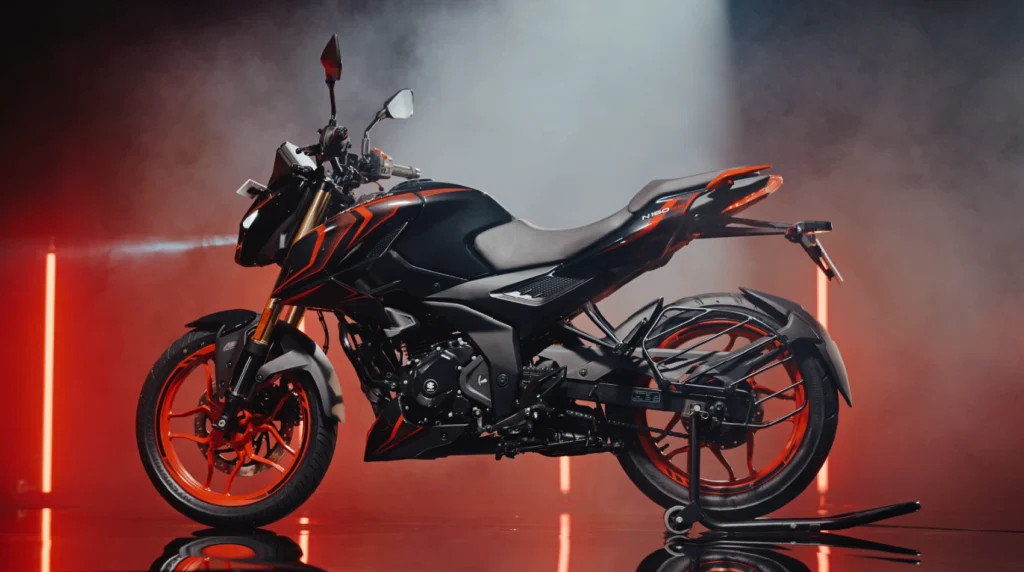
Table of Contents
Bajaj Pulsar N160 Range Now Comes in Three Variants
The biggest change to the Bajaj Pulsar 160 lineup is the introduction of a three-variant structure.
The range now consists of the standard N160, N160 S and N160 SS. This allows Bajaj to target different types of buyers without completely changing the motorcycle’s identity.
The standard Bajaj Pulsar 160 is positioned as the more familiar version of the bike, retaining its existing two-valve engine and a relatively simpler equipment package.
The N160 S and N160 SS, meanwhile, are aimed at customers looking for more performance and additional technology. Both receive the new four-valve engine, while the SS adds the most extensive set of electronic and connectivity features.
This split strategy gives Bajaj the ability to keep an accessible version of the Bajaj Pulsar 160 while simultaneously moving the higher variants further into premium territory.
New Four-Valve Engine Brings More Power
The most significant mechanical upgrade is found on the N160 S and N160 SS.
Both variants are powered by a new 164.9cc, four-valve, oil-cooled engine. The motor develops 18.2hp at 9,500rpm and 14.4Nm at 8,000rpm.
Compared with the standard version, the higher-spec variants therefore offer a stronger performance-focused setup.
Bajaj claims the updated Bajaj Pulsar 160 is currently the fastest 160cc motorcycle in this segment, with a claimed 0-60kph acceleration time of 4.5 seconds.
The additional performance should give the N160 S and N160 SS a noticeably more energetic character, particularly during acceleration and quick overtaking.
The higher output also makes the upgraded engine one of the most important reasons to consider the upper variants rather than simply opting for the standard model.
Standard N160 Retains Two-Valve Engine
The standard Bajaj Pulsar 160 continues with a 164.82cc, two-valve engine.
This motor produces 15.7hp at 8,750rpm and 14.65Nm at 6,000rpm.
Interestingly, Bajaj has not attempted to standardise the same engine across all three variants.
Instead, the company has created a clearer differentiation within the lineup. The standard N160 remains targeted at buyers who want the familiar Pulsar formula, while the N160 S and N160 SS are designed for customers who want stronger performance and more advanced technology.
This approach could appeal to buyers who do not necessarily need a long list of electronic features but still want a capable 160cc motorcycle at a lower price.
Braking Hardware Varies Across the Range
The braking setup also changes depending on the variant.
The range-topping N160 SS gets a larger 300mm front disc along with dual-channel ABS.
The standard N160 and N160 S use a 280mm front disc with single-channel ABS.
The differences give the N160 SS a more premium braking package, while the lower variants continue with a simpler configuration.
For everyday riders, braking hardware is one of the most important aspects of a motorcycle’s overall safety and riding confidence. The larger front disc and dual-channel ABS help the SS variant stand out as the more comprehensive version of the three.
Suspension Upgrades for the Higher Variants
Bajaj has also differentiated the suspension hardware across the Bajaj Pulsar 160 lineup.
The N160 S and N160 SS receive 37mm USD front forks, while the standard N160 uses 33mm USD forks.
At the rear, the S and SS variants get a monoshock with 130mm of travel. The standard N160 uses a 120mm-travel monoshock.
The extra 10mm of rear suspension travel may appear modest on paper, but it could provide additional flexibility on broken roads and larger bumps.
Indian riding conditions can vary significantly, particularly on urban roads where potholes, uneven surfaces and damaged sections are common.
As a result, suspension travel is not simply a specification figure. It can have a direct impact on comfort and the motorcycle’s ability to absorb rough surfaces.
N160 SS Brings the Most Advanced Technology
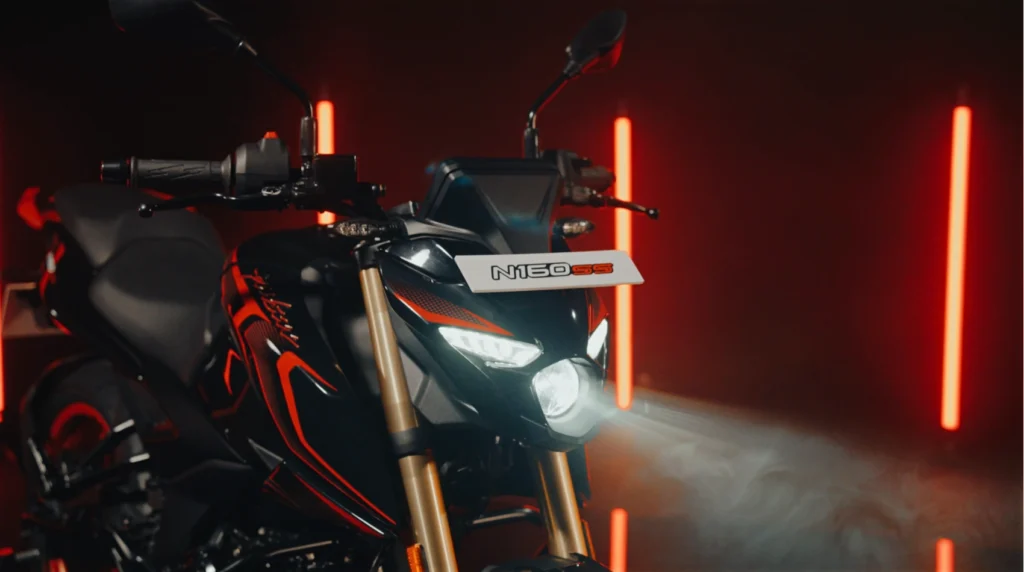
The N160 SS is where Bajaj’s latest update becomes particularly interesting.
The flagship variant gets a five-inch TFT display, which is a major step above the displays offered on the other variants.
The TFT system features Bluetooth and Wi-Fi connectivity and supports Google Maps integration.
This brings a more modern connected experience to the Bajaj Pulsar 160 and gives the motorcycle technology that was previously more commonly associated with larger and more expensive motorcycles.
The standard N160 gets a monochrome LCD display, while the N160 S receives a five-inch colour LCD unit.
Both of those variants support basic turn-by-turn navigation, but the N160 SS takes connectivity further through its Google Maps integration.
Four Riding Modes Add Greater Flexibility
Another major feature of the N160 SS is the inclusion of four riding modes.
The modes are Road, Rain, Sport and Off-Road.
Different riding modes allow the motorcycle’s behaviour to be adjusted according to conditions or rider preference.
Road mode is intended for normal everyday riding, while Rain mode can be useful in wet conditions. Sport mode is designed around a more performance-oriented riding experience, while Off-Road mode is aimed at situations where riders move beyond conventional paved surfaces.
The inclusion of these modes gives the N160 SS a significantly more feature-rich electronic package than the standard N160.
Traction Control Added to the N160 SS
The top-spec N160 SS also gets traction control.
This is another feature that adds to the motorcycle’s safety and electronic sophistication.
Traction control is designed to help manage wheel slip in situations where grip becomes limited. Its presence on a 160cc motorcycle is notable because the technology has traditionally been more closely associated with larger and more expensive performance motorcycles.
The addition of traction control reinforces Bajaj’s positioning of the N160 SS as the technology-heavy flagship of the lineup.
Ride-by-Wire Introduced on N160 S and SS
The N160 S and N160 SS are equipped with a ride-by-wire throttle.
Unlike a conventional mechanical throttle connection, ride-by-wire uses an electronic system to interpret throttle input.
Bajaj says this allows for a more precise throttle response and also makes it possible to introduce additional electronic functions.
The technology works alongside features such as the riding modes and other electronic systems on the higher variants.
For riders, the practical benefit is expected to be a more controlled and refined throttle response, particularly in situations where precise inputs are useful.
Crawl Tech Targets Indian Traffic Conditions
One of the more unusual additions to the N160 S and N160 SS is Crawl Tech.
The feature is designed specifically for low-speed riding in heavy traffic, where riders often have to continuously balance throttle and clutch inputs while moving in small increments.
Bajaj says Crawl Tech is intended to make crawling through bumper-to-bumper traffic smoother and reduce the amount of throttle and clutch input required from the rider.
This could be one of the most useful features in day-to-day Indian riding conditions.
The majority of urban 160cc motorcycles spend considerable time dealing with congested roads, slow-moving traffic and frequent stops. A technology designed specifically for those conditions therefore has a practical purpose beyond simply adding another feature to a specification sheet.
More Than Just a Cosmetic Update
The revised Pulsar N160 range stands out because Bajaj has gone beyond cosmetic changes.
Motorcycle updates often focus on styling, colours or graphics, but the latest N160 has received changes to its engine, braking system, suspension, electronics and connectivity.
The result is a broader product strategy rather than a simple facelift.
The standard model continues to appeal to buyers who want a relatively uncomplicated Pulsar, while the S and SS variants provide stronger performance and additional technology.
This gives customers the ability to select a version according to their requirements and budget.
Pricing and Market Position
The updated Bajaj Pulsar N160 starts at ₹1.22 lakh ex-showroom for the base variant.
The top-spec N160 SS costs up to ₹1.42 lakh ex-showroom.
That pricing places the motorcycle in one of the most competitive areas of India’s premium commuter and entry-level performance motorcycle market.
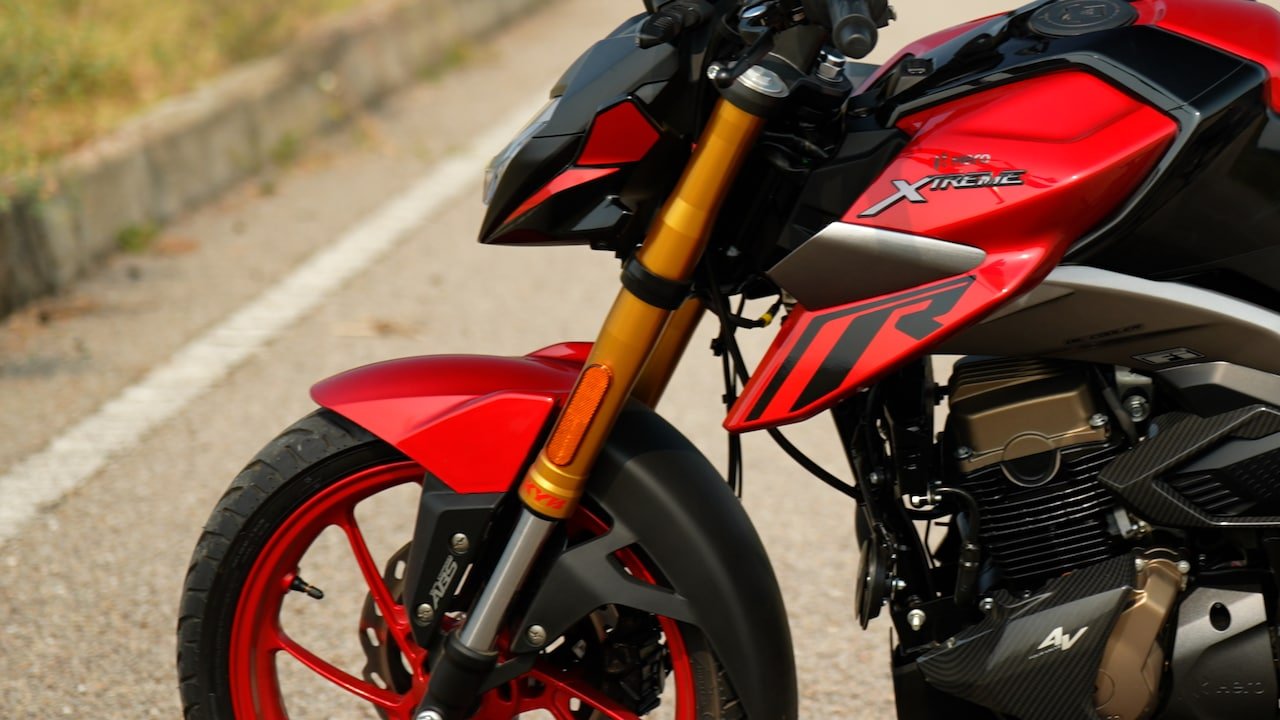
The N160 competes with established rivals including the TVS Apache RTR 160 4V, KTM Duke 160 and Hero Xtreme 160R 4V.
Each of these motorcycles targets riders looking for more performance and technology than a basic commuter motorcycle can provide.
Bajaj’s upgraded N160 now attempts to differentiate itself through its broader range of variants and technology-packed SS version.
The New N160 SS Could Be the Range’s Biggest Attraction
The standard N160 remains an important part of the lineup because it gives buyers an accessible entry point.
However, the N160 SS is likely to attract the most attention among technology-focused riders.
Its four-valve engine, five-inch TFT display, Google Maps connectivity, four riding modes, traction control and ride-by-wire throttle make it significantly more advanced than a conventional 160cc motorcycle.
The result is a motorcycle that attempts to bridge the gap between traditional 160cc street bikes and more premium connected motorcycles.
For younger buyers in particular, features such as smartphone connectivity, navigation and riding modes may be almost as important as engine performance.
A More Complete Pulsar Package
The updated Pulsar N160 demonstrates how the 160cc motorcycle category is evolving.
Performance remains important, but buyers increasingly expect technology, electronics, connectivity and everyday convenience as part of the package.
Bajaj has responded by expanding the N160 lineup rather than replacing the model with an entirely new motorcycle.
The standard variant preserves the familiar formula, while the S and SS introduce the mechanical and technological upgrades that can appeal to more demanding riders.
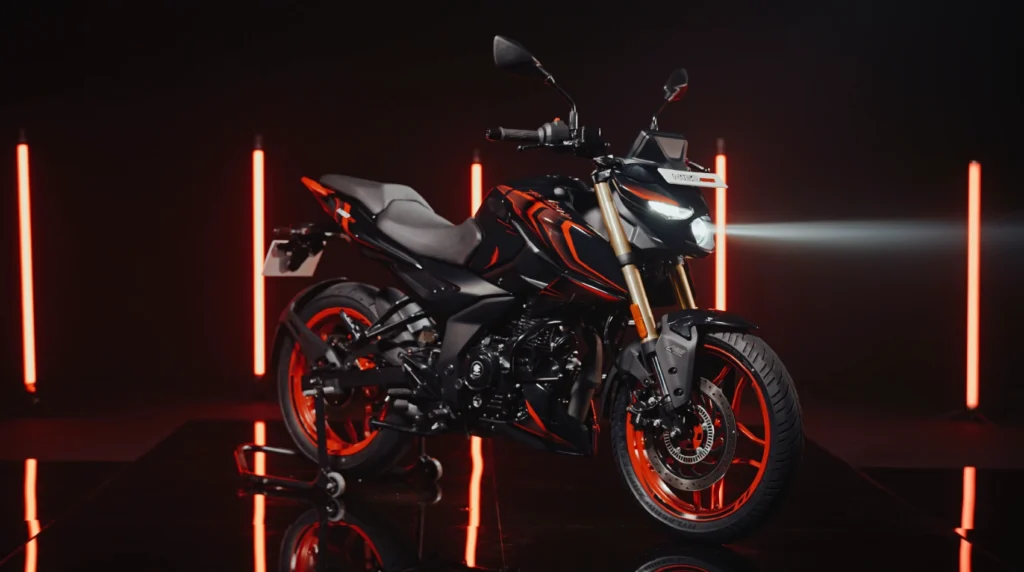
The latest Bajaj Pulsar N160 update represents a major step forward for the 160cc motorcycle.
Instead of limiting the changes to styling, Bajaj has introduced a new four-valve engine on the N160 S and N160 SS, upgraded suspension hardware, improved braking equipment on the SS and added a wide range of electronic features.
The N160 SS stands out in particular with its five-inch TFT display, Google Maps integration, Bluetooth and Wi-Fi connectivity, four riding modes, traction control and ride-by-wire throttle.
The addition of Crawl Tech also shows that Bajaj is looking beyond headline specifications and addressing the realities of everyday Indian riding.
With prices starting at ₹1.22 lakh and reaching ₹1.42 lakh ex-showroom, the updated N160 range aims to strengthen Bajaj’s position in a highly competitive 160cc motorcycle segment.
For buyers, the biggest decision may now be choosing between the simplicity of the standard N160 and the substantially more powerful and feature-rich S and SS variants.
Either way, the latest update makes it clear that the Pulsar N160 is no longer being positioned as just another 160cc motorcycle. Bajaj is increasingly turning it into a wider platform for performance, technology and everyday practicality.