Toyota Fortuner facelift is set to make its global debut on December 1, 2026, marking an important update for one of India’s most popular premium ladder-frame SUVs. The debut date has been confirmed by Toyota South Africa, according to a report by Car Mag. The updated SUV is expected to arrive in the Indian market in 2027, although Toyota has not yet announced an official India launch date.
The upcoming Toyota Fortuner facelift is expected to receive significant changes to its exterior styling and cabin, drawing inspiration from the latest-generation Toyota Hilux. However, the SUV is likely to retain its existing IMV ladder-frame platform and basic body structure, allowing Toyota to refresh the model while preserving its established rugged character.
The Fortuner has built its reputation around a combination of road presence, diesel performance, off-road capability and a robust chassis. With rivals continuing to offer updated designs, modern infotainment systems and advanced driver assistance technologies, the next iteration could bring important improvements to its overall package.
While Toyota has not officially confirmed the complete specifications of the facelifted SUV, spy shots and the information available so far provide an indication of what buyers can expect. Here is a detailed look at its anticipated exterior design, interior features, powertrain and prospects for the Indian market.

Table of Contents
Toyota Fortuner Facelift: Global Debut and India Launch Timeline
Toyota South Africa has confirmed December 1, 2026, as the global debut date for the upcoming Fortuner, according to the report. The announcement puts the SUV among the notable developments to watch in the global body-on-frame vehicle segment towards the end of the year.
For Indian buyers, however, the global unveiling will not necessarily mean an immediate launch. The updated Toyota Fortuner is expected to reach India in 2027, with the precise launch date and market-specific specifications yet to be announced.
The distinction between a global debut and an India launch is important because equipment, engine specifications, safety features and variant line-ups can differ between markets. Toyota may also announce India-specific details closer to the vehicle’s domestic introduction.
The Fortuner occupies an important position in Toyota’s Indian portfolio, appealing to buyers who want a large SUV with a commanding driving position and the flexibility to travel on highways as well as challenging terrain. A substantial update could help the model remain competitive as buyers increasingly expect modern cabin technology alongside traditional SUV capabilities.
Toyota Fortuner Facelift: Exterior Design Changes
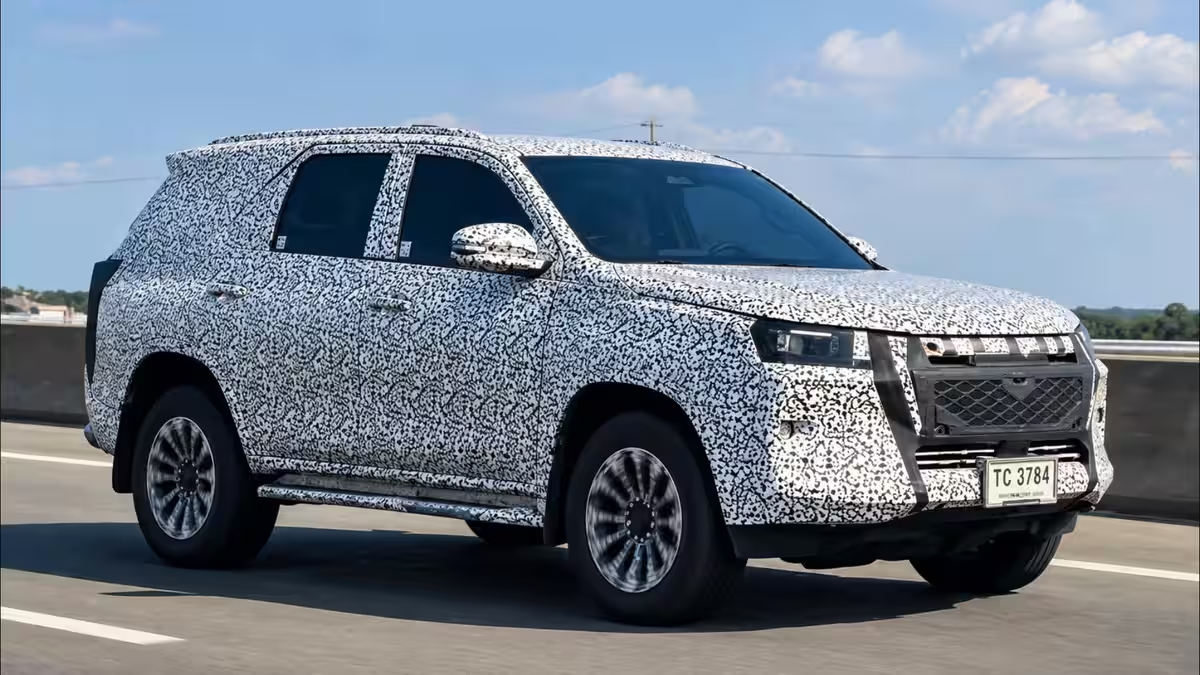
One of the most noticeable changes expected on the Toyota Fortuner facelift is its redesigned exterior. Multiple test vehicles have reportedly been spotted on public roads, providing early clues about the direction Toyota may take with the updated SUV.
Although camouflage conceals several details, the spy shots suggest that the overall silhouette will remain familiar. The SUV is expected to retain its upright proportions, tall stance and prominent wheel arches, while revised body panels and updated styling elements give it a fresher appearance.
Front Fascia and Grille
The front end is expected to receive a redesigned grille featuring prominent vertical elements. This could give the SUV a more distinctive appearance while maintaining the substantial front profile associated with the Fortuner.
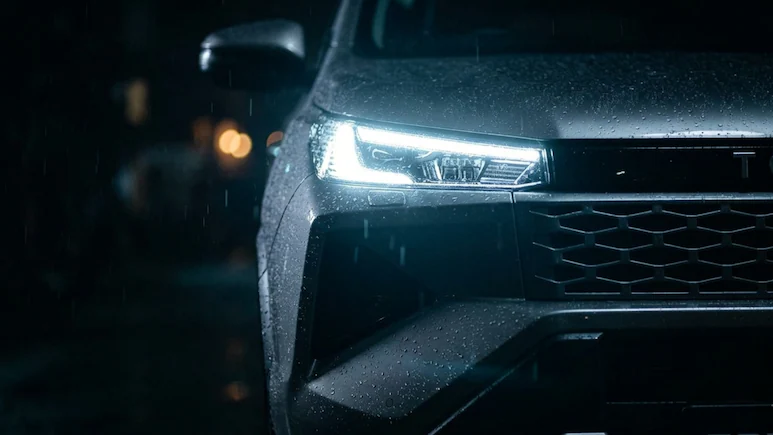
Slim upper lighting sections are also visible in the spy-shot-based description. These could contribute to a more modern look, although the final headlamp configuration and lighting technology have not yet been officially confirmed.
A tall bonnet and pronounced front-end proportions are expected to remain part of the design. Such styling elements help maintain the Fortuner’s rugged appearance, distinguishing it from more road-oriented crossover SUVs.
The updated front fascia is expected to draw inspiration from the latest Toyota Hilux. The Hilux and Fortuner share a broader engineering relationship, making the pickup truck a useful reference point for understanding the possible design direction of the upcoming SUV.
Side Profile and Body Structure
The side profile is expected to preserve the Fortuner’s familiar upright design. Pronounced wheel arches and side steps are among the elements indicated by the available spy-shot information.
Rather than introducing a completely different body shape, Toyota appears likely to focus on selected sheet-metal changes and revised styling details. This approach would allow the manufacturer to update the SUV’s appearance while retaining its established proportions.
The expected continuation of the IMV ladder-frame platform is particularly significant. A ladder-frame construction is commonly associated with vehicles designed to handle demanding driving conditions, substantial loads and off-road use.
However, retaining the platform does not mean every mechanical component will necessarily remain unchanged. Toyota could make adjustments to individual systems or equipment, but the extent of any such revisions has not been confirmed.
Rear Design and Lighting
The rear section is also expected to receive styling updates. The supplied report points to a redesigned tailgate, revised tail-lamp graphics and a connected LED light bar.
These changes could give the updated Fortuner a more contemporary appearance, particularly when viewed from behind. However, the complete lighting arrangement remains concealed by camouflage, meaning the final production design cannot yet be established with certainty.
The rear design will be an important part of the facelift because it offers Toyota an opportunity to distinguish the new model from the current SUV without abandoning the familiar overall shape.
Toyota Fortuner Facelift: Expected Interior and Technology Upgrades
The cabin could be one of the biggest areas of improvement in the upcoming Toyota Fortuner facelift. While the existing model is known for its rugged character, a more modern interior would help address changing expectations among premium SUV buyers.
The updated cabin is expected to draw heavily from the latest Toyota Hilux, potentially bringing a redesigned dashboard, a larger central touchscreen, a fully digital instrument cluster and improvements to the materials used throughout the interior.
Larger Touchscreen and Wireless Connectivity
A larger infotainment touchscreen is among the anticipated upgrades. A more modern system could make it easier for occupants to access navigation, media, vehicle settings and connected features.
Wireless smartphone connectivity is also expected, although Toyota has not confirmed the final infotainment specifications for the updated Fortuner.
These features have become increasingly important in the premium SUV market, where buyers expect convenient access to navigation and entertainment without relying entirely on wired connections.
The final screen size, operating system and compatibility details will depend on the production version and the market in which the vehicle is sold.
Fully Digital Instrument Cluster
The facelift is also expected to feature a fully digital instrument cluster. Compared with a conventional instrument arrangement, a digital display can provide greater flexibility in how information is presented to the driver.
Depending on the final configuration, the display could bring driving information and vehicle alerts together in a more contemporary layout. However, the exact display size and available customisation options have not yet been confirmed.
Improved Dashboard Materials and Ergonomics
Toyota is also expected to revise dashboard materials and cabin ergonomics. Such improvements could enhance the perceived quality of the interior while making commonly used controls easier to access.
For a large SUV intended for family journeys and long-distance driving, seating comfort, visibility, storage spaces and the positioning of controls can all influence the overall experience.
The extent of these improvements remains unclear, but a more thoroughly updated cabin would be a logical way to strengthen the Fortuner’s appeal against newer rivals.
Toyota Safety Sense and Expected ADAS Features
Advanced driver assistance systems could form another important part of the Toyota Fortuner facelift’s equipment package.
An expanded Toyota Safety Sense suite is expected, at least on higher variants. Potential features mentioned in the report include adaptive cruise control, autonomous emergency braking and lane-keep assist.
These systems are designed to support the driver in particular situations, although their availability and operating conditions depend on the vehicle’s final specification.
Adaptive Cruise Control
Adaptive cruise control can adjust the vehicle’s speed to help maintain a selected following distance from traffic ahead. Depending on the system, it can reduce the need for repeated manual speed adjustments during highway driving.
If introduced on the Fortuner, the feature could improve convenience during long journeys. Its exact functionality, including whether it can operate at lower speeds, remains unconfirmed.
Autonomous Emergency Braking
Autonomous emergency braking systems can warn the driver of certain potential collisions and may apply the brakes when the system determines that intervention is necessary.
Such technology can provide an additional layer of assistance, but it does not eliminate the need for attentive driving. The specific objects, speeds and circumstances recognised by the system depend on its design.

Lane-Keep Assist
Lane-keep assist can help the vehicle remain within its lane under certain conditions. Depending on the implementation, the system may provide steering assistance or warnings when it detects unintended lane departure.
The addition of these technologies could help bring the Fortuner’s safety equipment closer to the expectations of buyers in the premium SUV segment.
Nevertheless, the availability of ADAS features on Indian variants remains unconfirmed. Buyers will need to wait for Toyota’s official equipment list before drawing conclusions about the systems offered in the domestic market.
Toyota Fortuner Facelift: Engine and Transmission Options
The familiar 2.8-litre diesel engine is expected to continue in the updated Toyota Fortuner line-up. According to the supplied information, manual and automatic transmission options are also expected to remain available.
However, Toyota has not yet confirmed whether the engine will receive changes to its output, emissions equipment or calibration. The final specifications should therefore be treated as provisional until the manufacturer releases official details.
2.8-Litre Diesel Engine
The 2.8-litre diesel engine has been a key part of the Fortuner’s appeal, particularly among buyers who want substantial torque for highway journeys, overtaking and demanding driving conditions.
Its expected continuation would allow Toyota to preserve the SUV’s established diesel-powered character while focusing much of the facelift’s attention on design and technology.
The actual power and torque figures for the updated model have not been confirmed in the report. It would therefore be premature to assume that the engine will deliver identical or increased output compared with the current India-specification vehicle.
Manual and Automatic Gearboxes
The facelift is expected to retain manual and automatic transmission choices. Offering both options would allow Toyota to cater to buyers who prefer direct control over gear selection as well as those who prioritise convenience in everyday traffic.
The exact transmission specifications and the variants in which each gearbox will be offered remain to be announced.
Expected 4×4 Capability
Four-wheel-drive capability is also expected to continue. This is an important consideration for customers who use their SUVs beyond paved roads or travel through difficult terrain.
The Fortuner’s ladder-frame construction and available 4×4 configuration have contributed to its reputation as a vehicle suited to a broad range of driving conditions.
However, off-road performance depends on more than the drivetrain alone. Tyres, ground clearance, suspension setup, traction systems and driver skill also play important roles. Toyota has not yet confirmed whether the updated model will receive any changes to its four-wheel-drive hardware or associated systems.
Toyota Fortuner Facelift: Expected Price and Market Position in India
Toyota has not announced the India-specific prices of the upcoming Fortuner facelift. Given the anticipated design and technology updates, changes to the current pricing structure are possible, but the extent of any increase cannot yet be established.
The final price will likely depend on the variant line-up, powertrain options, equipment levels and the specifications selected for the Indian market.
The Fortuner competes in a premium SUV category where buyers often consider engine performance, cabin comfort, brand reputation, road presence, service support and long-term ownership costs alongside the purchase price.
An updated interior and additional driver assistance features could strengthen the model’s appeal, particularly among customers who want a traditional ladder-frame SUV without compromising on modern technology.
At the same time, the final value proposition will depend on how Toyota balances the new equipment against pricing and variant availability.
Key Rivals: Jeep Meridian, Skoda Kodiaq and Volkswagen Tayron
The updated Toyota Fortuner is expected to face competition from models such as the Jeep Meridian, Skoda Kodiaq and Volkswagen Tayron.
Although these vehicles differ in their engineering approaches and market positioning, they provide alternatives for buyers looking for premium SUVs with substantial cabin space, modern features and long-distance touring ability.
Jeep Meridian
The Jeep Meridian is relevant to buyers who value SUV styling, highway comfort and the brand’s association with off-road capability. Its equipment, engine options and driving characteristics provide a different proposition from the Fortuner’s ladder-frame format.
The updated Fortuner’s ability to compete will depend on its final features, pricing and the priorities of buyers who are choosing between the two.
Skoda Kodiaq
The Skoda Kodiaq offers a more road-focused premium SUV approach, with an emphasis on cabin comfort, technology and family-oriented usability.
The Fortuner’s expected continuation of its ladder-frame construction and 4×4 capability could appeal to buyers with different requirements, particularly those who place a high value on ruggedness and the traditional SUV format.
Volkswagen Tayron
The Volkswagen Tayron is another model identified in the report as a potential rival. Its relevance to the comparison will depend on the Indian-market specifications, pricing and equipment available at the time the updated Fortuner arrives.
For prospective buyers, comparing the vehicles’ seating arrangements, safety equipment, engine choices, service support and real-world running costs will be important.
What the Toyota Fortuner Facelift Means for Indian Buyers
The upcoming facelift could represent a significant product update for Indian customers who prefer large diesel SUVs with a traditional body-on-frame construction.
The expected exterior changes may refresh the Fortuner’s appearance, while the anticipated touchscreen, digital instrument cluster and improved cabin materials could address the need for a more modern interior.
Potential ADAS additions would also be noteworthy, particularly if Toyota offers a comprehensive package on Indian variants. However, their actual availability and functionality will need to be confirmed after the official launch announcement.
The expected continuation of the 2.8-litre diesel engine, manual and automatic transmission choices, and 4×4 capability could preserve the qualities that have helped establish the Fortuner’s identity.
Buyers considering a purchase in the coming months should distinguish between confirmed information and features inferred from spy shots or reports. The December 1 global debut should provide a clearer picture of the final design, while India-specific prices, equipment and launch details may follow separately.
The Toyota Fortuner facelift is scheduled to make its global debut on December 1, 2026, according to a date confirmed by Toyota South Africa and reported by Car Mag. The updated SUV is expected to reach India in 2027, although its domestic launch date and pricing remain unannounced.
Spy shots suggest that Toyota will retain the familiar ladder-frame platform and overall proportions while introducing exterior revisions inspired by the latest Hilux. A larger touchscreen, digital instrument cluster, improved cabin materials and possible ADAS features could make the interior more competitive with newer premium SUVs.
The familiar 2.8-litre diesel engine, manual and automatic transmission options, and 4×4 capability are also expected to continue, although official technical specifications are still awaited.
With rivals such as the Jeep Meridian, Skoda Kodiaq and Volkswagen Tayron competing for attention in the premium SUV market, the next Fortuner will need to balance its established rugged character with meaningful improvements in comfort, safety and technology.
The global unveiling on December 1 should reveal how extensively Toyota has updated the SUV. For Indian buyers, the final decision will depend on the India-specific equipment package, pricing and the extent to which the facelift improves the overall ownership proposition.