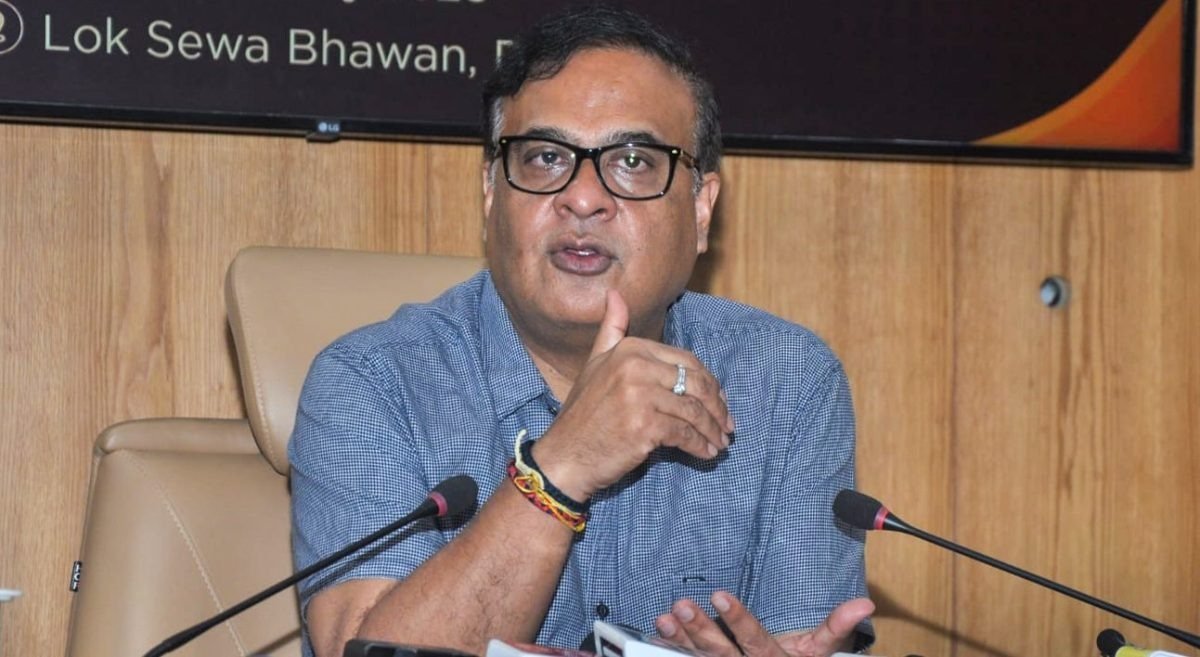
Assam is set to establish a proposed Assam State Higher Education Council as part of the state government’s efforts to build a more organised, transparent and structured higher education system. Chief Minister Himanta Biswa Sarma announced the move on Friday, highlighting the proposed council’s role in strengthening institutional governance, improving planning and coordination, and creating a more student-focused higher education ecosystem.
The Assam Higher Education proposed institutional framework comes as Assam continues to expand its education infrastructure and strengthen higher education institutions across the state. While infrastructure development has remained an important component of the government’s education agenda, the proposed council signals a greater emphasis on the systems and administrative mechanisms needed to manage and coordinate the expanding higher education network.
Sarma said the state had already made significant progress in building educational infrastructure and was now focusing on strengthening the systems that would drive institutions and improve outcomes.
“We have built the infrastructure; we are now building the systems which drive it,” the chief minister said in a social media post explaining the significance of the proposed council.
Table of Contents
Assam Moves Towards a More Structured Higher Education System
The proposed Assam State Higher Education Council is expected to provide a structured framework for the development and management of higher education across the state.
According to Sarma, the council will play a key role in steering Assam’s higher education ecosystem by bringing greater focus to institutional systems, strategic planning and coordination.
The move reflects an attempt to address an important aspect of higher education development: infrastructure alone is not sufficient to improve educational outcomes. As institutions expand and student numbers grow, effective administration, academic planning, funding mechanisms and institutional coordination become increasingly important.
The proposed council is therefore expected to function as part of a broader institutional framework aimed at improving the quality and efficiency of higher education administration in Assam.
The government’s objective is to create a system that is more organised and transparent while ensuring that students receive better academic opportunities and institutional support.
Four Key Areas of Focus
The proposed framework will focus on four broad areas: national funding, better planning, academic excellence and stronger institutional governance.
Each of these areas is expected to contribute to the development of a more coordinated higher education ecosystem in Assam.
National Funding
Access to funding is an important component of higher education development. The proposed framework is expected to place greater emphasis on national funding opportunities and systematic approaches to securing and utilising resources.
Improved coordination could help institutions align their development priorities with available funding mechanisms while ensuring that resources are directed towards areas that can have a meaningful impact on students and academic institutions.
A more structured funding approach could also complement the state government’s ongoing investments in education infrastructure.
Better Planning
Planning is another major component of the proposed council’s framework.
Higher education involves multiple institutions, academic programmes, administrative structures and student requirements. Coordinating these components requires long-term planning and clear institutional priorities.
The proposed council is expected to facilitate systematic planning across Assam’s higher education sector, potentially helping institutions identify areas requiring investment, academic development and administrative improvement.
Better coordination between institutions could also help reduce duplication of efforts and support more efficient implementation of higher education initiatives.
Academic Excellence
Improving academic outcomes is at the centre of the proposed framework.
The council is expected to contribute towards creating conditions that encourage academic excellence across higher education institutions. This could involve strengthening institutional systems and improving coordination around academic development.
The emphasis on academic outcomes also reflects a broader shift from focusing primarily on physical infrastructure towards measuring the effectiveness of educational institutions in terms of student learning, academic quality and opportunities.
For students, stronger academic systems could translate into better educational experiences and improved access to quality higher education across the state.
Stronger Institutional Governance
Institutional governance is the fourth major pillar identified under the proposed framework.
Effective governance is critical to the functioning of universities, colleges and other higher education institutions. Transparent administrative systems can improve decision-making, accountability and the implementation of academic and development programmes.
The proposed council is expected to strengthen these institutional mechanisms and help create a more organised administrative environment.
The emphasis on transparency could also help establish clearer processes for planning, coordination and management within Assam’s higher education ecosystem.

From Infrastructure Development to Institutional Systems
Assam’s higher education strategy has increasingly involved expanding and strengthening educational infrastructure. New and improved facilities can help increase access to higher education, particularly in a state with diverse geographical and educational requirements.
However, infrastructure needs to be supported by effective systems to deliver sustained improvements.
This is the context in which Sarma’s statement that Assam has “built the infrastructure” and is now “building the systems which drive it” becomes significant.
The proposed council represents a shift in emphasis towards institutional capacity.
Instead of concentrating solely on constructing or expanding educational facilities, the government is seeking to strengthen the mechanisms responsible for planning, administration, coordination and academic development.
This approach could become increasingly important as Assam’s higher education network continues to grow.
Student-Focused Higher Education Ecosystem
One of the stated objectives of the proposed council is to create a more student-focused ecosystem.
For students, the quality of higher education depends on more than the availability of institutions. Academic programmes, teaching quality, administrative efficiency, access to resources and institutional support all influence the overall educational experience.
A coordinated higher education framework could help address these areas by encouraging institutions to focus on student requirements while aligning their development strategies with broader state priorities.
The proposed council could also provide a platform for identifying challenges affecting students and institutions and developing more systematic responses.
The broader objective is to create better opportunities for students across Assam by improving both access and the quality of higher education administration.

Improving Coordination Among Institutions
Coordination is expected to be one of the key functions of the proposed council.
Assam’s higher education ecosystem includes institutions operating across different locations and serving diverse student communities. A common framework for planning and coordination could help institutions work towards shared objectives while addressing their individual requirements.
Systematic coordination could be particularly relevant in areas such as academic planning, institutional development, funding and administrative systems.
The council is expected to contribute to this process by providing a broader framework through which higher education policies and institutional priorities can be coordinated.
Such coordination could also help the state identify emerging requirements in higher education and plan its response more effectively.
Transparency and Governance as Key Priorities
Transparency is another central objective behind the proposed institutional framework.
As higher education systems become larger and more complex, transparent governance becomes increasingly important. Clear administrative processes can strengthen accountability while making it easier for institutions to implement policies and programmes effectively.
The proposed Assam State Higher Education Council is expected to contribute towards this objective by strengthening institutional systems and providing a more structured approach to higher education management.
For the government, Assam Higher Education the proposed council represents an opportunity to establish a stronger governance architecture alongside the physical expansion of educational infrastructure.

Assam’s Broader Education and Skill Development Agenda
The proposed council also fits into the Assam government’s broader emphasis on education and skill development.
Education has been positioned as an important component of the state’s development agenda, with attention directed towards strengthening educational institutions and Assam Higher Education expanding opportunities for students.
AssamHigher education plays an important role in preparing young people for employment, professional opportunities and further academic pursuits. At the same time, institutions need effective systems to respond to changing economic and social requirements.
The proposed council could therefore become an important part of the state’s longer-term efforts to align higher education development with broader development priorities.
Its Assam Higher Education focus on planning, academic excellence, governance and funding reflects an attempt to create institutional mechanisms capable of supporting the sector’s continued expansion.
Why the Higher Education Council Matters for Assam
The creation of a dedicated higher education council could have implications extending beyond administrative restructuring.
A coordinated system can potentially help the state make better use of existing educational infrastructure while identifying areas where further investment or reform may be required.
It could also provide a more consistent framework for institutional development and help align individual institutions with broader state-level priorities.
For students, the potential benefits could include improved academic systems, better institutional management and stronger educational opportunities.
For institutions, the council could provide a mechanism for coordinated planning and greater access to structured guidance and funding-related opportunities.
For the government, Assam Higher Education it could strengthen oversight and help establish a more systematic approach to managing the state’s expanding higher education ecosystem.
A Shift Towards Long-Term Institutional Reform
The proposed Assam Higher Education Council marks a broader shift in the state’s approach to higher education.
The emphasis is moving from infrastructure expansion alone towards institutional reform and systems development. This distinction is important because sustainable improvements in higher education require both physical resources and effective governance.
By focusing on national funding, planning, academic excellence and institutional governance, the proposed framework seeks to address several interconnected aspects of higher education development.
The effectiveness of the council, however, Assam Higher Education will ultimately depend on how the proposed framework is implemented and how effectively it coordinates with existing institutions and administrative structures.
What Lies Ahead for Assam’s Higher Education Sector
The proposed council is expected to become an important institutional mechanism as Assam continues to strengthen its higher education system.
Its Assam Higher Education success will likely be measured not only by administrative changes but also by improvements in institutional performance, academic outcomes, transparency and student opportunities.
The state’s continued Assam Higher Education investment in education infrastructure provides a foundation, while stronger institutional systems could determine how effectively that infrastructure is utilised.
The proposed council could therefore represent a new phase in Assam higher education development—one focused on making the system more coordinated, transparent and outcome-oriented.
Assam’s proposed State Higher Education Council represents a significant step towards strengthening the governance and management of Assam higher education in the state. Assam Higher Education Chief Minister Himanta Biswa Sarma has positioned the initiative as the next stage in Assam’s education development strategy, following continued investment in infrastructure.
With national funding, better planning, academic excellence and stronger institutional governance identified as the four broad areas of focus, the council is expected to provide a structured framework for the state’s higher education ecosystem.
The initiative also places greater emphasis on coordination and student-focused development. By strengthening institutional Assam Higher Education systems alongside physical infrastructure, Assam aims to create a higher education sector that is more organised, transparent and efficient.
As the proposed framework takes shape, its implementation will be crucial. If effectively executed, the Assam Higher Education Council could provide the institutional foundation needed to support long-term improvements in higher education governance, Assam Higher Education academic quality and opportunities for students across the state.