In today’s fast-paced world, Anxiety and stress have become common parts of daily life, affecting millions of people worldwide. Work pressure, academic challenges, financial concerns, family responsibilities, and personal expectations often leave people feeling overwhelmed. However, many people use the terms stress and anxiety interchangeably, assuming they mean the same thing. Experts say that while both conditions may share similar symptoms, they are not identical.
Stress is generally a response to a specific challenge or situation, while persistent worry can continue even when there is no immediate threat or clear reason behind the fear. Understanding the difference between the two is important because ignoring persistent anxiety symptoms can affect mental health, physical well-being, relationships, and daily functioning.
Mental health experts emphasize that occasional stress is a normal human reaction, but long-lasting anxiety that interferes with everyday activities may require professional attention.
Table of Contents
What Is Stress? Understanding the Body’s Natural Response
Stress is the body’s natural reaction when a person faces demanding situations or feels unable to manage certain challenges. It can occur due to deadlines at work, examinations, relationship problems, financial pressure, or major life changes.
In many cases, stress has a clear cause. For example, a student may feel stressed before an important exam, or an employee may experience stress due to workload pressure. Once the situation is resolved, stress levels usually reduce gradually.
A certain amount of stress can even be helpful because it motivates people to complete tasks, prepare better, and respond to challenges. However, continuous or excessive stress can negatively affect physical and emotional health.
Common signs of stress may include:
- Feeling overwhelmed
- Irritability or frustration
- Difficulty concentrating
- Sleep problems
- Headaches
- Muscle tension
- Changes in eating habits
- Low energy levels
When stress continues for a long time without proper management, it can contribute to emotional exhaustion and may increase vulnerability to mental health problems.
What Is Anxiety? When Worry Becomes Difficult to Control
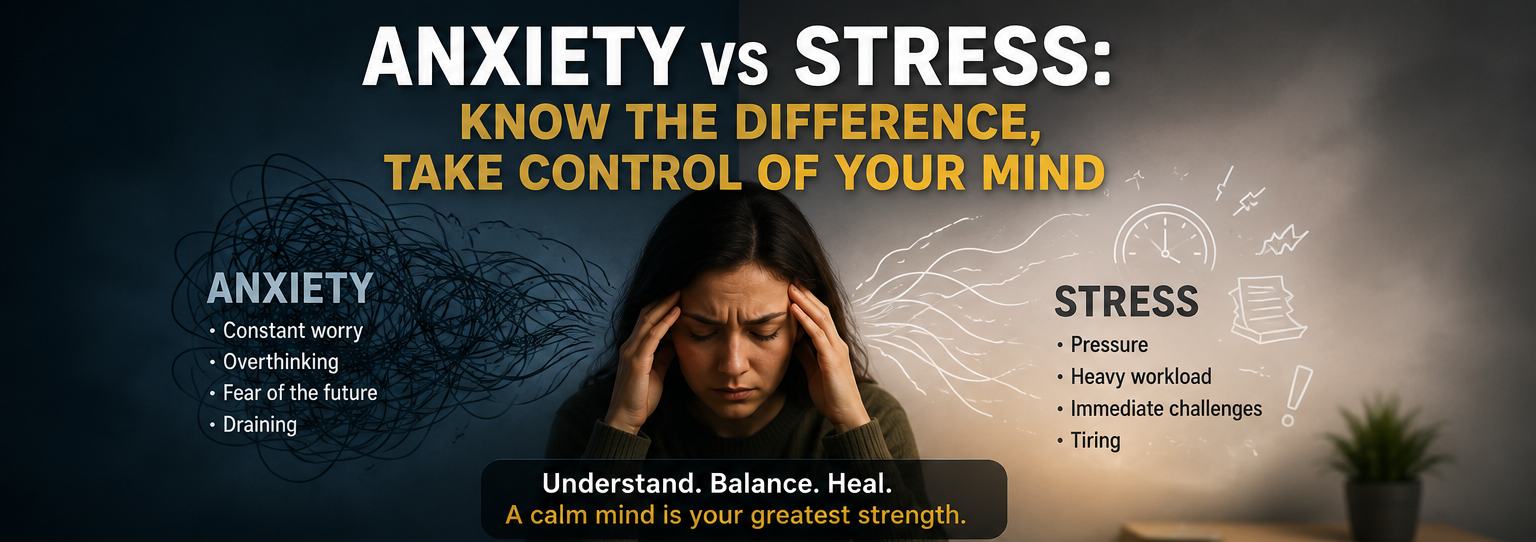
Anxiety is more than normal worry. It involves intense fear, nervousness, or excessive concern that may continue even when there is no immediate danger.
According to the World Health Organization (WHO), anxiety disorders involve excessive fear and worry that can be difficult to control and may interfere with daily life, including personal relationships, education, and work.
Unlike regular stress, persistent worry does not always have a clear external trigger. A person may feel that something bad is going to happen even when everything appears normal.
Common anxiety symptoms include:
- Constant worrying
- Feeling restless or constantly on edge
- Fear without a clear reason
- Difficulty focusing
- Feeling a sense of danger
- Sleep disturbances
- Increased heartbeat
- Excessive sweating
- Trembling or shaking
- Stomach discomfort
Experts explain that persistent worry can affect both the mind and body because the brain and nervous system are closely connected.
Anxiety Vs Stress: The Key Difference
Although stress and persistent worry can feel similar, there are important differences between them.
1. Cause or Trigger
Stress:
Usually develops because of a specific situation or problem.
Examples:
- Exam pressure
- Work deadlines
- Financial difficulties
- Family conflicts
Anxiety:
May occur without a clear reason. The fear or worry may continue even after the original problem has ended.
2. Duration
Stress:
Often improves when the stressful situation is resolved.
For example, stress before an exam may decrease after the exam is completed.
Anxiety:
Can continue for weeks or months and may become difficult to control if untreated.
3. Impact on Daily Life
Normal stress may temporarily affect mood and concentration, but anxiety can significantly interfere with daily activities.
A person experiencing severe anxiety may struggle with:
- Maintaining relationships
- Performing at work or school
- Making decisions
- Enjoying normal activities
How Anxiety Affects the Body
Many people believe anxiety only affects mental health, but experts say it can also create physical symptoms.
When the brain senses fear or danger, the body activates its stress response system. This can lead to physical reactions such as:
Increased Heart Rate
A person may experience a racing heartbeat or feel as if their heart is beating unusually fast.
Breathing Changes
Some people experience rapid breathing or difficulty feeling relaxed.
Sweating and Trembling
Anxiety can activate the body’s alert system, leading to sweating, shaking, or physical tension.
Digestive Problems
The connection between the brain and digestive system means emotional distress can affect the stomach. Some people may experience:
- Nausea
- Stomach discomfort
- Changes in digestion
- Feeling uneasy in the stomach
The WHO also lists physical symptoms such as tension, sweating, trembling, heart palpitations, and stomach-related discomfort among symptoms associated with anxiety disorders.
Why People Often Confuse Excessive Worry With Stress
One major reason people confuse anxiety and stress is that both can produce similar feelings.
A person experiencing either condition may feel:
- Restlessness
- Worry
- Lack of concentration
- Fatigue
- Sleep difficulties
However, mental health professionals explain that the biggest difference is the connection with a specific situation.
Stress usually has a clear source, while excessive worry often involves persistent fear or worry that continues even without an immediate problem.
Common Causes Behind Stress and Persistent Worry
Several factors can contribute to stress and anxiety, including:
Lifestyle Pressure
Modern lifestyles often involve long working hours, constant digital engagement, and limited relaxation time.
Academic Pressure
Students may experience stress due to examinations, competition, career decisions, and expectations.
Financial Concerns
Money-related worries are among the common causes of prolonged stress.
Personal Relationships
Conflicts, loneliness, or major changes in relationships can affect emotional health.
Health Concerns
Physical health problems can also increase emotional distress.
Experts note that persistent worry conditions can develop through a combination of biological, psychological, and social factors rather than one single cause.
When Should Persistent Worry Not Be Ignored?
Doctors say occasional worry is normal, but persistent anxiety should not be dismissed.
A person should consider speaking with a mental health professional if:
- Persistent worry continues for several weeks or months
- Fear becomes difficult to control
- Daily activities are affected
- Relationships are suffering
- Sleep patterns are disturbed
- Concentration becomes difficult
Seeking help early can improve recovery and prevent symptoms from becoming more difficult to manage.
Ways to Manage Stress and Excessive Worry
Experts recommend several healthy approaches to support mental well-being.
Regular Physical Activity
Exercise can help improve mood and reduce symptoms related to stress and anxiety.
Healthy Sleep Routine
Poor sleep can increase emotional difficulties. Maintaining regular sleeping habits supports mental health.
Relaxation Techniques
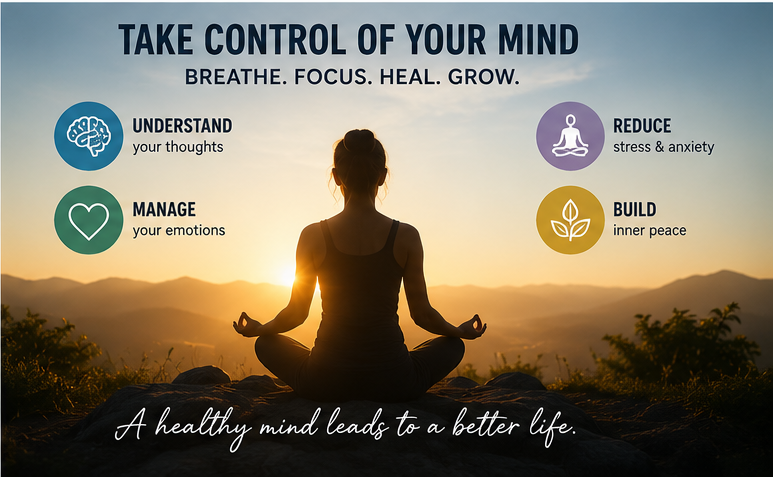
Breathing exercises, meditation, and mindfulness practices may help calm the body’s stress response.
Social Support
Talking with trusted friends, family members, or professionals can reduce emotional burden.
Professional Support
Therapy and counselling can help people understand their thoughts, manage worries, and develop healthier coping strategies. Evidence-based psychological approaches, including cognitive behavioural therapy, are commonly used for anxiety disorders.
Stress Is Normal, But Long-Term Anxiety Needs Attention
Mental health experts emphasize that experiencing stress does not mean a person has a mental health disorder. Stress is a normal part of life and everyone experiences it at different times.
The concern arises when anxiety becomes persistent, overwhelming, and starts affecting everyday functioning.
Recognising the difference between normal stress and anxiety can help people take the right steps at the right time.
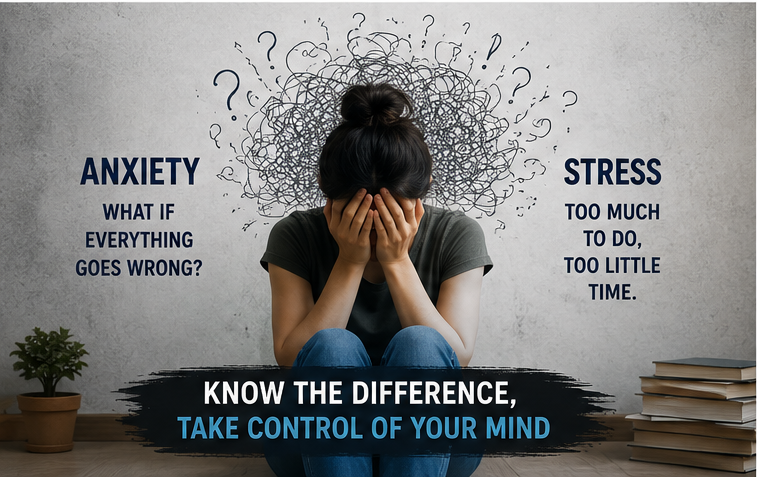
Stress and anxiety may appear similar, but they are different emotional experiences. Stress usually develops due to a specific challenge and often decreases when the situation improves. Anxiety, on the other hand, can continue even without a clear cause and may interfere with daily life.
With growing awareness around mental health, experts believe understanding these differences is essential. Identifying symptoms early, maintaining healthy habits, and seeking professional guidance when needed can help individuals protect their emotional well-being.
Mental health is as important as physical health, and recognising warning signs is the first step toward better care and recovery.