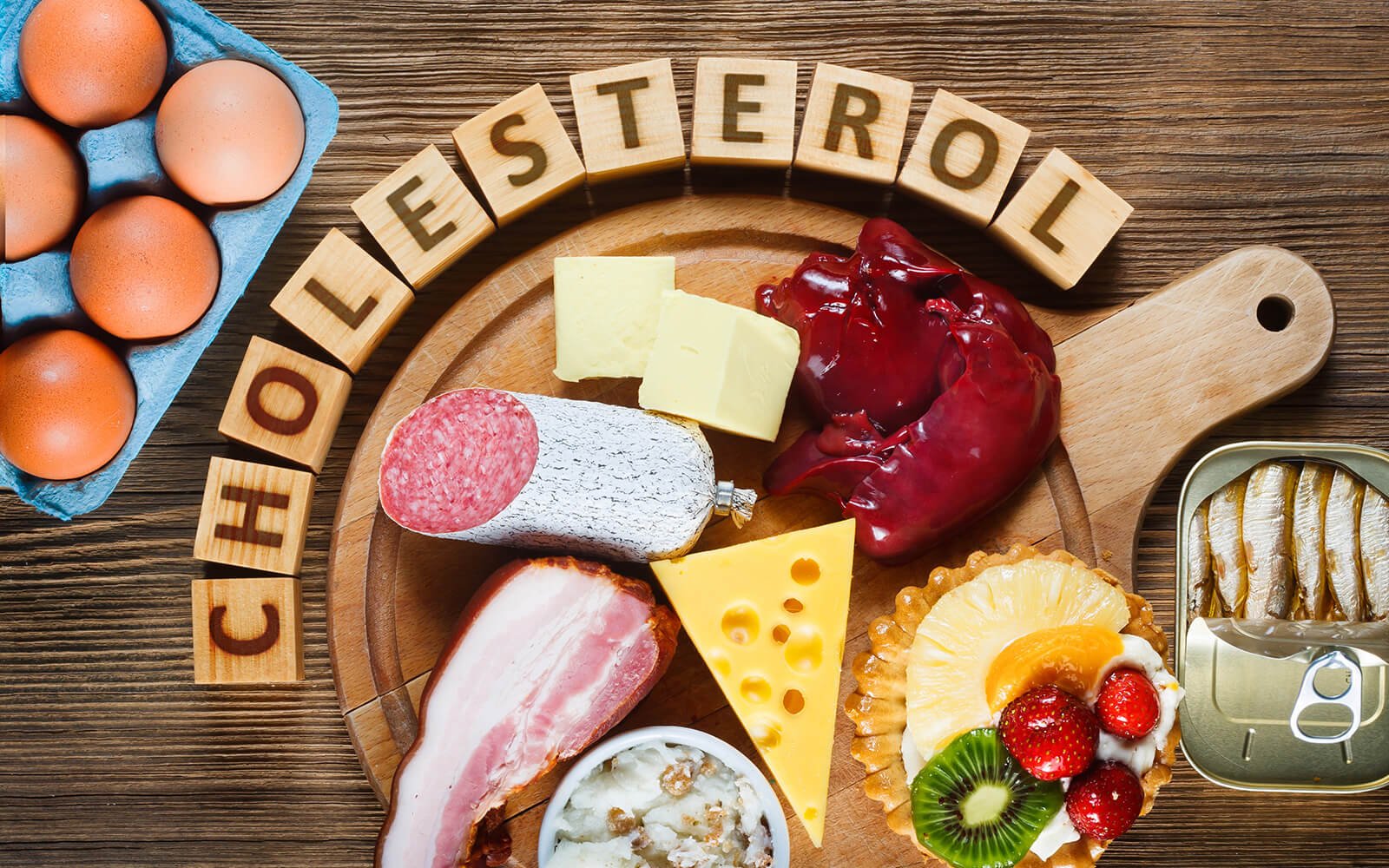
High cholesterol has become one of the fastest-growing health concerns worldwide, affecting millions of people across all age groups. Often referred to as a “silent health threat,” high cholesterol usually develops without noticeable symptoms, yet it can significantly increase the risk of heart attack, stroke, and other cardiovascular diseases if left unmanaged.
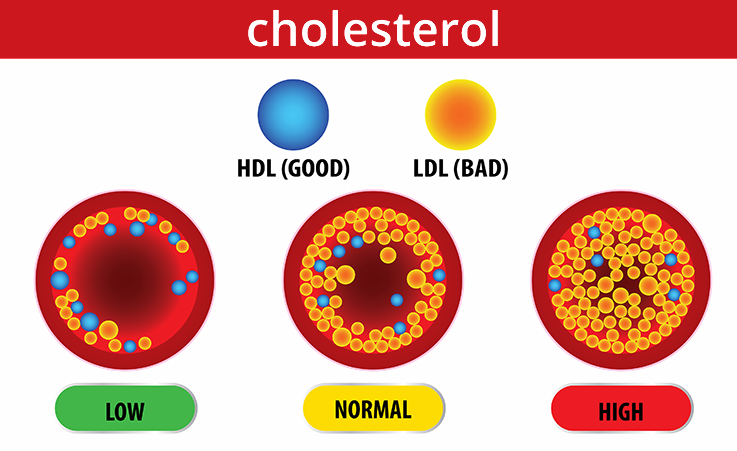
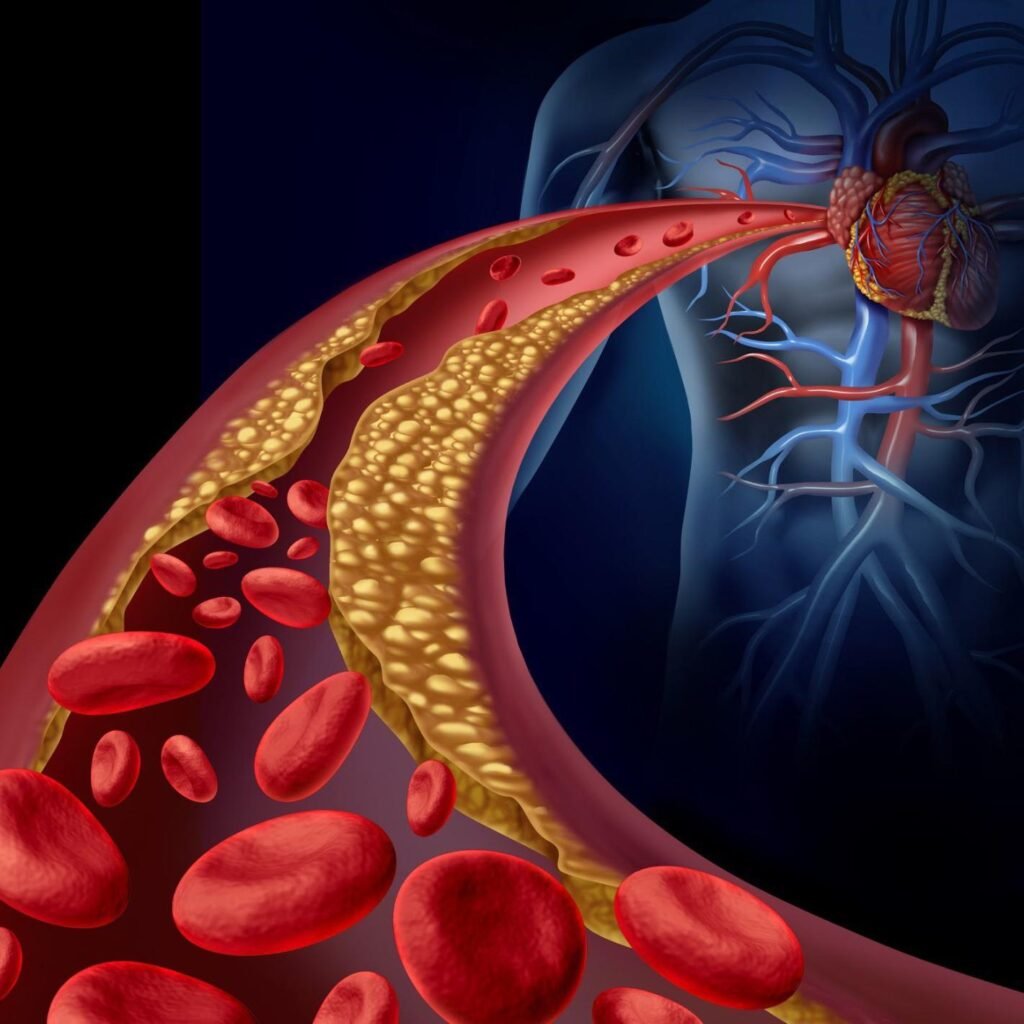
Medical experts emphasize that cholesterol itself is not harmful. In fact, the body requires Blood lipid levels to build healthy cells, produce hormones, create vitamin D, and support normal bodily functions. The problem begins when levels of low-density lipoprotein (LDL), commonly known as “bad cholesterol,” become too high or when high-density lipoprotein (HDL), the “good cholesterol,” becomes too low. Over time, excess LDL Blood lipid levels can accumulate inside arteries, narrowing blood vessels and reducing blood flow to vital organs.
Health specialists say that while genetics can influence cholesterol levels, everyday lifestyle choices remain one of the biggest reasons behind rising cholesterol. Poor eating habits, lack of exercise, obesity, smoking, excessive alcohol intake, unmanaged medical conditions, and chronic stress all contribute to unhealthy Blood lipid levels levels. Fortunately, many of these risk factors can be modified through healthier daily habits.
Table of Contents
What Is Cholesterol and Why Does the Body Need It?
Cholesterol is a waxy, fat-like substance that is naturally produced by the liver. It is also obtained in small amounts from certain foods. Contrary to popular belief, cholesterol is essential for life because it helps:
- Build healthy cell membranes
- Produce hormones such as estrogen and testosterone
- Create vitamin D
- Produce bile acids that help digest fats
Since the liver already manufactures all the Blood lipid levels the body requires, excessive intake of unhealthy fats can upset this balance and raise harmful LDL Blood lipid levels levels.
Understanding the Difference Between Good and Bad Cholesterol
Doctors generally evaluate three important components during a lipid profile.
LDL (Low-Density Lipoprotein)
Often called bad Blood lipid levels, LDL carries Blood lipid levels through the bloodstream. Excess LDL can build up inside artery walls, forming plaque that narrows blood vessels and raises the risk of heart disease and stroke.
HDL (High-Density Lipoprotein)
Known as good Blood lipid levels, HDL helps remove excess Blood lipid levels from the bloodstream and transports it back to the liver, where it is processed and eliminated.
Triglycerides
Triglycerides are another type of fat found in the blood. High triglyceride levels, particularly when combined with elevated LDL or low HDL, can further increase cardiovascular risk.
Why Do Blood Lipid Levels Rise?
Medical experts explain that high Blood lipid levels usually develops because of a combination of lifestyle habits, genetic factors, and underlying medical conditions.
Eating Too Much Saturated and Trans Fat
One of the biggest causes of high Blood lipid levels is frequent consumption of foods rich in saturated and trans fats.
Common examples include:
- Deep-fried foods
- Processed snacks
- Butter and ghee in excess
- Fatty red meat
- Processed meats
- Full-fat dairy products
- Commercial baked goods
These foods can increase LDL Blood lipid levels while reducing the body’s ability to remove it efficiently.
Lack of Physical Activity
A sedentary lifestyle slows the body’s ability to regulate Blood lipid levels levels.
Regular physical activity helps:
- Raise HDL cholesterol
- Lower LDL cholesterol
- Improve blood circulation
- Maintain healthy body weight
Experts recommend at least 150 minutes of moderate-intensity physical activity each week for most adults.
Obesity and Excess Body Weight
Being overweight affects how the body processes fats.
Excess body fat:
- Raises LDL cholesterol
- Increases triglycerides
- Lowers protective HDL cholesterol
Weight management is therefore considered one of the most effective strategies for improving Blood lipid levels levels.
Smoking
Smoking damages blood vessels and reduces HDL cholesterol, making it easier for Blood lipid levels to accumulate inside arteries.
Quitting smoking benefits cardiovascular health almost immediately and contributes to healthier Blood lipid levels levels over time.
Excessive Alcohol Consumption
Drinking excessive amounts of alcohol may increase total Blood lipid levels and triglycerides while contributing to weight gain and liver problems.
Moderation or avoiding alcohol can help reduce cardiovascular risk.
Chronic Stress and Poor Sleep
Research suggests prolonged stress and inadequate sleep may influence Blood lipid levels metabolism and overall cardiovascular health.
Maintaining good sleep hygiene and managing stress through healthy coping strategies can support heart health.
Health Conditions That Can Increase Blood lipid levels
Several medical conditions can contribute to elevated Blood lipid levels, including:
- Diabetes
- Hypothyroidism
- Chronic kidney disease
- Liver disease
- Obesity
- Sleep apnea
Some medications may also affect Blood lipid levels levels, making regular medical follow-up important for individuals with chronic illnesses.
Can It Be Inherited?
Yes.
Some individuals inherit a condition called familial hypercholesterolemia, which prevents the body from efficiently removing LDL Blood lipid levels from the bloodstream.
People with a strong family history of high cholesterol or early heart disease should undergo regular Blood lipid levels screening even if they follow a healthy lifestyle.
Does the Condition Cause Symptoms?
One of the biggest challenges is that high Blood lipid levels usually causes no symptoms.
Many people discover they have high Blood lipid levels only after:
- Routine blood testing
- Heart attack
- Stroke
- Cardiovascular evaluation
Because it is often symptomless, regular screening is considered essential, particularly for adults with additional cardiovascular risk factors.
What Are the Risks of Untreated High Cholesterol?
Persistently high LDL cholesterol may lead to plaque formation inside arteries, increasing the risk of:
- Coronary artery disease
- Heart attack
- Stroke
- Peripheral artery disease
These conditions can develop gradually over several years without obvious warning signs.
How Can You Lower Cholesterol Naturally?
Doctors recommend a combination of healthy lifestyle habits:
- Eat more fruits, vegetables, whole grains, legumes, nuts, and oats.
- Choose healthier unsaturated fats such as olive oil and nuts.
- Reduce foods high in saturated and trans fats.
- Exercise regularly.
- Maintain a healthy weight.
- Stop smoking.
- Limit alcohol intake.
- Get adequate sleep.
- Manage diabetes, high blood pressure, and other medical conditions.
When Should You Consult a Doctor?
Medical experts advise seeking medical evaluation if:
- You have a family history of high cholesterol or premature heart disease.
- You have diabetes, obesity, or high blood pressure.
- Your cholesterol has never been checked.
- Previous blood tests showed elevated cholesterol levels.
Doctors may recommend a lipid profile to measure LDL, HDL, triglycerides, and total Blood lipid levels and determine whether lifestyle changes alone are sufficient or if medication is needed.
High cholesterol remains one of the most important yet preventable risk factors for cardiovascular disease. Although it often develops silently, everyday habits—including unhealthy eating, physical inactivity, smoking, excessive alcohol consumption, poor sleep, and unmanaged weight—can significantly influence cholesterol levels. Genetics and certain medical conditions also play a role, making regular health check-ups and Blood lipid levels screening important for many people.
Experts stress that adopting heart-healthy habits early, staying physically active, eating a balanced diet rich in fiber, maintaining a healthy weight, and following medical advice when needed can substantially reduce the risk of heart attack and stroke. Early awareness and timely action remain the most effective tools for protecting long-term heart health.