Abhijeet Dipke, The ongoing protest movement surrounding climate activist and education reformist Sonam Wangchuk has entered a more intense phase after CJP (Citizens for Justice and Peace) founder Abhijeet Dipke called for the resignation of Prime Minister Narendra Modi following Wangchuk’s removal from Jantar Mantar by Delhi Police.
Abhijeet Dipke accused the government of failing to address the concerns raised by the protesters and announced that the agitation would continue. He stated that the movement would be strengthened further until their demands receive attention and a meaningful response from authorities.
Table of Contents
The development has added a new political dimension to the ongoing protest, drawing attention to issues related to democratic expression, environmental concerns, and the demands raised by activists.
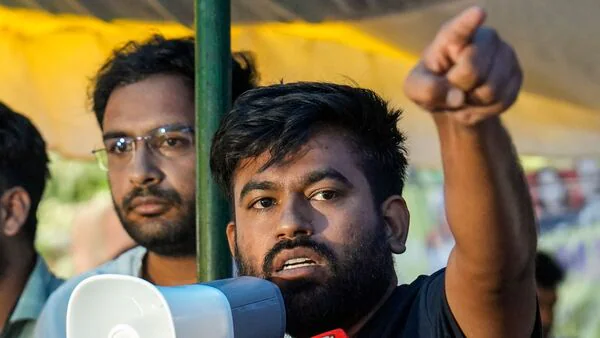
Sonam Wangchuk’s Protest Gains Wider Attention
Sonam Wangchuk, widely known for his work in education reform, innovation, and environmental activism, has been leading a movement focused on issues concerning Ladakh’s future, ecological protection, and constitutional safeguards.
The protest has attracted national attention due to Wangchuk’s reputation as an environmentalist and social reformer. His campaigns have often highlighted concerns related to climate change, sustainable development, and the protection of fragile Himalayan ecosystems.
The latest developments at Jantar Mantar have intensified discussions around the government’s approach toward protests and the manner in which public demonstrations are managed in the national capital.
Delhi Police Action at Jantar Mantar
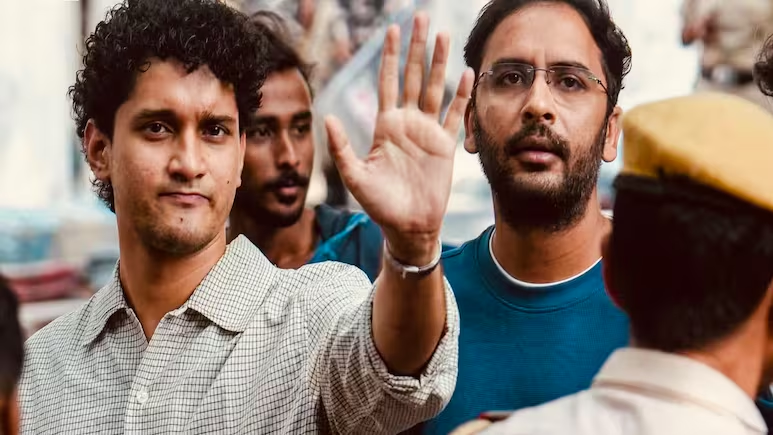
The situation escalated after Delhi Police removed Sonam Wangchuk and other protesters from the protest site at Jantar Mantar.
According to reports, police action was taken as authorities monitored the gathering and maintained security arrangements in the area. The removal of protesters triggered criticism from supporters of the movement, who argued that peaceful demonstrations should be allowed space in a democracy.
The Delhi Police’s action has become a central point of debate, with supporters questioning whether sufficient dialogue was being maintained with the protesters.
Authorities, however, generally maintain that maintaining public order and following established regulations for demonstrations are necessary responsibilities in a crowded city like Delhi.
Abhijeet Dipke’s Strong Reaction
Following the police action, CJP founder Abhijeet Dipke strongly criticized the development and announced a sharper phase of protest.
Dipke called for Prime Minister Narendra Modi’s resignation, alleging that the government had failed to listen to the concerns raised by the protesters.
He stated that the movement would not end with the removal of protesters from Jantar Mantar and vowed to continue the agitation with greater intensity.
His statement has added political pressure around the issue and brought renewed focus on the demands of the protest movement.
Abhijeet Dipke Announces Continuation of Protest Movement
Abhijeet Dipke emphasized that the protest would continue until the concerns raised by the activists receive attention.
The protesters have maintained that their demands involve larger issues concerning governance, environmental protection, and the rights of local communities.
According to supporters of the movement, the agitation represents a broader discussion about balancing development with environmental sustainability, particularly in ecologically sensitive regions.
The continuation of the protest indicates that the issue is unlikely to fade quickly and may remain a topic of public and political discussion.
Understanding the Larger Context Behind the Protest
The protest involving Sonam Wangchuk is connected with broader concerns regarding Ladakh, a region known for its unique geography, fragile ecosystem, and strategic importance.
Environmental activists have repeatedly highlighted the impact of climate change on Himalayan regions, including changing weather patterns, water availability concerns, and challenges faced by local communities.
Wangchuk has consistently advocated for sustainable development models that protect both the environment and the interests of residents.
The movement has therefore gained support among sections of society who believe that ecological concerns require greater policy attention.
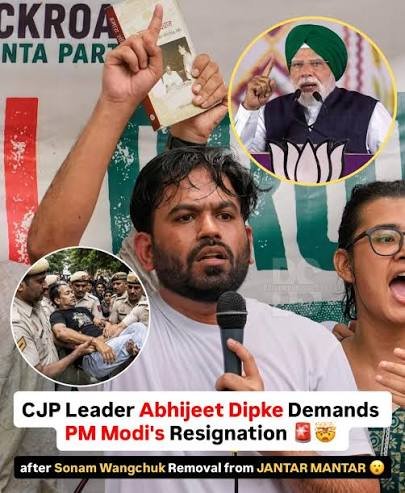
Democracy, Protest Rights, and Public Debate
The latest controversy has also revived discussions about the importance of peaceful protest in a democratic system.
India’s democratic framework allows citizens to express their views, raise concerns, and seek accountability from authorities through peaceful means.
At the same time, governments and law enforcement agencies are responsible for maintaining public order and ensuring that demonstrations follow legal procedures.
The situation at Jantar Mantar has highlighted the delicate balance between citizens’ right to protest and the administration’s responsibility to manage public spaces.
Political Impact of the Statement
The demand for the Prime Minister’s resignation by Abhijeet Dipke has increased the political significance of the protest.
Such calls often become part of larger political debates, especially when they emerge from movements involving public figures and social activists.
Supporters of the protest see the statement as an expression of dissatisfaction with government policies, while critics may view it as a political escalation beyond the original demands.
The coming days are expected to determine whether the movement remains focused primarily on its stated issues or develops into a broader political campaign.
Sonam Wangchuk’s Role as an Activist
Sonam Wangchuk has gained recognition for combining innovation, education, and environmental awareness in his work.
He is known for establishing educational initiatives and promoting creative solutions for challenging environments.
His work has received national and international recognition, making him an influential voice on issues related to sustainability and grassroots innovation.
Because of his public image, any protest associated with him attracts significant attention from citizens, media organizations, and policymakers.
Challenges Ahead for the Protest Movement
The movement now faces several challenges, including maintaining public support, ensuring peaceful participation, and achieving meaningful engagement with authorities.
Large-scale protests often require sustained organization, clear communication, and continued public participation.
The announcement by Abhijeet Dipke suggests that organizers intend to expand their efforts rather than step back.
How the government responds and whether further discussions take place will play an important role in shaping the future direction of the movement.
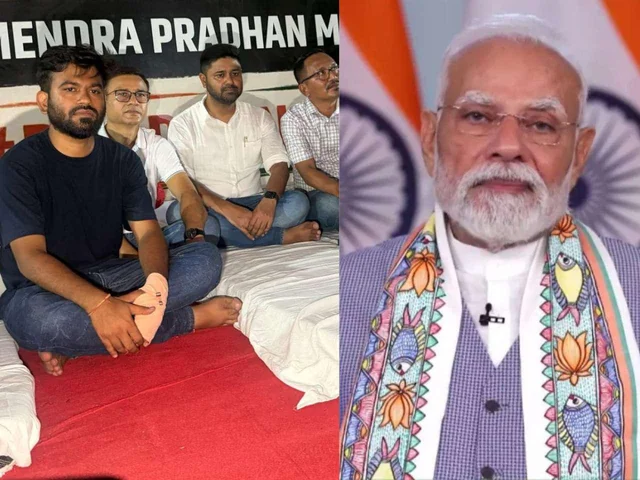
Government’s Response and Future Developments
The government’s response to the protest and the concerns raised by activists will remain closely watched.
Dialogue between authorities and protesters is often considered an important step in resolving disagreements in democratic societies.
As the movement continues, attention will remain focused on whether negotiations take place, whether additional protests are organized, and how authorities manage future demonstrations.
The removal of Sonam Wangchuk from Jantar Mantar and Abhijeet Dipke’s subsequent call for Prime Minister Narendra Modi’s resignation have significantly intensified the ongoing protest movement.
What began as an environmental and regional concern has now expanded into a larger debate involving democratic rights, governance, public participation, and political accountability.
With Abhijeet Dipke announcing that the agitation will continue and become stronger, the coming days are expected to be crucial for the movement.
The situation highlights the importance of dialogue between citizens and authorities while demonstrating how public protests can influence national conversations on important social and environmental issues.
The announcement by Abhijeet Dipke has brought renewed attention to the protest and its future direction.