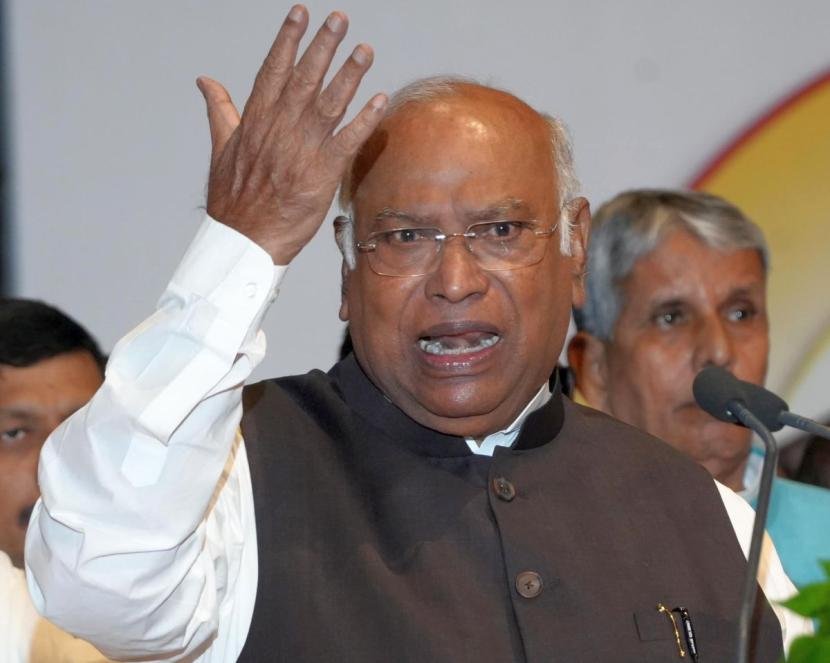
E20 Fuel has once again become a major topic of discussion after Union Road Transport and Highways Minister Nitin Gadkari strongly defended the government’s ethanol-blended petrol programme, describing it as a long-term solution to reduce India’s dependence on imported crude oil, improve environmental sustainability, and create better income opportunities for farmers. As India continues to expand its clean energy initiatives, E20 Fuel is emerging as one of the key pillars of the country’s strategy to build a greener and more self-reliant transportation sector.
The renewed focus on E20 Fuel comes at a time when India is balancing rapid economic growth with rising energy demands. Every year, the country imports a significant portion of its crude oil requirements, making fuel prices vulnerable to global market fluctuations. By increasing the use of domestically produced ethanol in petrol, the government believes India can strengthen its energy security while reducing the environmental impact of conventional fossil fuels.
Table of Contents
What is E20 Fuel?
E20 Fuel refers to petrol blended with 20 percent ethanol and 80 percent conventional petrol. Ethanol is a renewable biofuel produced primarily from agricultural products such as sugarcane, maize, damaged food grains, rice, and other biomass feedstocks. Unlike fossil fuels, ethanol is considered a cleaner-burning fuel because it produces comparatively lower carbon emissions during combustion.
India has gradually increased the percentage of ethanol blending over the past decade. Earlier, petrol sold across the country mainly contained lower levels of ethanol such as E5 or E10. The transition toward E20 Fuel represents a significant step in the government’s broader clean mobility roadmap.
The Ministry of Petroleum and Natural Gas, along with public sector oil marketing companies, has steadily expanded ethanol blending infrastructure, ensuring that fuel stations across different regions are prepared for higher ethanol content.

Why the Government is Promoting E20 Fuel
According to Nitin Gadkari, India’s dependence on imported crude oil remains one of the country’s biggest economic challenges. India spends billions of dollars annually on oil imports, placing pressure on foreign exchange reserves whenever global crude prices rise.
The widespread adoption of E20 Fuel is expected to reduce this dependence by replacing a portion of imported petroleum with ethanol produced within India.
The government also views ethanol production as an opportunity to strengthen the rural economy. Since ethanol is manufactured using agricultural produce, increased demand directly benefits farmers by creating additional markets for their crops.
Sugarcane farmers have particularly benefited from India’s ethanol blending programme in recent years, while efforts are also being made to diversify feedstocks by encouraging ethanol production from maize and surplus food grains. This approach reduces overdependence on a single crop while supporting farmers across different states.
Environmental Benefits of E20 Fuel
One of the strongest arguments in favour of E20 Fuel is its environmental impact.
Transportation contributes significantly to greenhouse gas emissions worldwide. Since ethanol contains oxygen and burns more cleanly than conventional petrol, blending ethanol helps reduce emissions of harmful pollutants such as carbon monoxide and certain hydrocarbons.
Although E20 Fuel is not a complete replacement for electric mobility or other zero-emission technologies, experts consider it an important transitional fuel that can lower emissions from millions of existing petrol-powered vehicles.
The government has repeatedly stated that cleaner fuels, improved vehicle technology, electric vehicles, and alternative fuels should work together rather than compete with one another.

Support for Farmers and Rural Economy
The expansion of E20 Fuel is closely linked to India’s agricultural sector.
Higher ethanol production creates additional demand for crops that may otherwise remain surplus. This provides farmers with another source of income while reducing wastage of agricultural produce.
Distilleries involved in ethanol manufacturing have expanded operations in several states, generating employment opportunities in rural and semi-urban areas. New investments in biofuel infrastructure are also supporting local industries connected to agriculture, logistics, storage, and transportation.
Government officials have highlighted that ethanol production contributes to value addition in agriculture instead of relying solely on traditional crop sales.
Impact on Consumers
Many consumers have questioned whether E20 Fuel will affect vehicle performance.
Vehicle manufacturers have gradually introduced engines compatible with higher ethanol blends, particularly in newer models. The government and automobile industry have worked together over the past few years to ensure that manufacturers are prepared for the nationwide transition.
Owners of older petrol vehicles have been advised to refer to manufacturer guidelines regarding fuel compatibility. Several automobile companies have already announced that newly manufactured petrol vehicles are designed to operate efficiently with E20 Fuel.
Experts note that while ethanol has slightly lower energy content than petrol, modern engines specifically designed for E20 Fuel can compensate for this through engineering improvements.

Automobile Industry Adapts to the Shift
India’s automobile sector has been preparing for E20 Fuel through extensive research and product development.
Major passenger vehicle and two-wheeler manufacturers have invested in engine calibration, fuel system improvements, and testing to ensure compatibility with higher ethanol blends.
Automobile companies have also collaborated with policymakers during the phased rollout to address technical concerns and educate consumers about the benefits of ethanol-blended fuel.
This coordinated approach has helped reduce uncertainty surrounding the transition.
Economic Advantages Beyond Fuel Savings
The significance of E20 Fuel extends beyond reducing fuel imports.
Domestic ethanol production encourages investments in bio-refineries, storage facilities, transportation infrastructure, and renewable energy technologies. These investments create employment opportunities while supporting India’s broader bio-economy.
Lower dependence on imported crude oil also helps improve India’s energy resilience during periods of geopolitical uncertainty or global supply disruptions.
Industry experts believe that strengthening domestic fuel production provides long-term economic stability while supporting India’s ambition to become more self-reliant in strategic sectors.
Challenges That Still Need Attention
Despite its advantages, the nationwide expansion of E20 Fuel also presents several challenges.
Producing sufficient quantities of ethanol requires careful planning to ensure food security is not affected. Policymakers continue to encourage the use of multiple feedstocks instead of relying heavily on food crops alone.
Infrastructure development also remains important. Fuel storage facilities, transportation systems, and blending units must continue expanding to meet increasing demand across all regions.
Public awareness is another key factor. Many vehicle owners are still unfamiliar with ethanol-blended fuels and seek clear information regarding compatibility, mileage, maintenance, and long-term performance.
Experts believe continued collaboration between government agencies, oil companies, automobile manufacturers, and farmers will play an important role in addressing these concerns.
India’s Long-Term Biofuel Vision
The promotion of E20 Fuel forms part of India’s broader commitment toward cleaner energy and sustainable development. Alongside electric vehicles, compressed biogas, green hydrogen, biodiesel, and compressed natural gas, ethanol blending is expected to contribute significantly to reducing the country’s carbon footprint.
Government policies over the past few years have consistently encouraged renewable energy adoption while supporting domestic manufacturing and agricultural growth. The continued expansion of ethanol production reflects this integrated approach, where environmental sustainability, rural development, and energy security are pursued together.
As discussions around clean mobility continue, E20 Fuel remains one of the most significant policy initiatives aimed at transforming India’s transportation landscape. With ongoing investments, technological improvements, and increasing public awareness, the programme is expected to play a larger role in India’s future energy mix while supporting farmers, reducing crude oil imports, and advancing the country’s transition toward a more sustainable economy.