
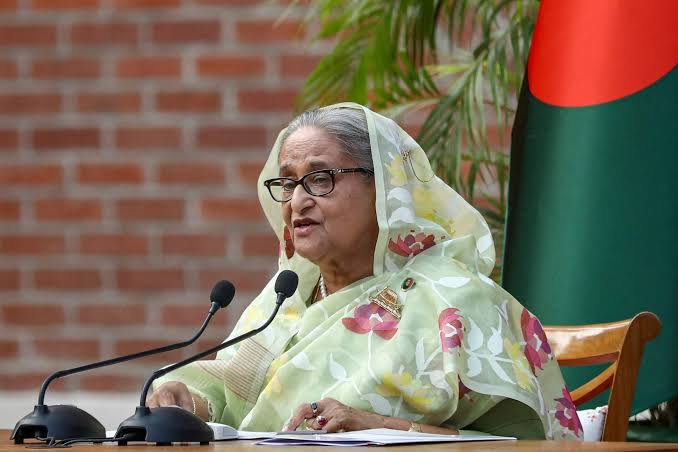
A planned virtual press conference by former Bangladesh Prime Minister Sheikh Hasina from New Delhi has emerged as the latest flashpoint in the already delicate relationship between India and Bangladesh. Scheduled to address journalists and supporters on August 5, Sheikh Hasina’s appearance has prompted Dhaka to formally seek clarification from India, warning that allowing political activities by the former leader from Indian soil could affect bilateral relations.
The controversy comes at a time when New Delhi and Dhaka have been attempting to stabilize diplomatic ties after a prolonged period of political uncertainty in Bangladesh following Sheikh Hasina’s removal from office in 2024. Analysts believe the press conference could become an important diplomatic test for both governments, particularly as sensitive issues such as extradition, political asylum, and regional security remain unresolved.
Table of Contents
Why Sheikh Hasina’s Planned Press Conference Matters
According to recent reports, Sheikh Hasina is expected to deliver a virtual address during an event organised by the Foreign Correspondents’ Club of South Asia (FCCSA) in New Delhi. The event is expected to mark the anniversary of the political developments that led to the collapse of her government in August 2024.
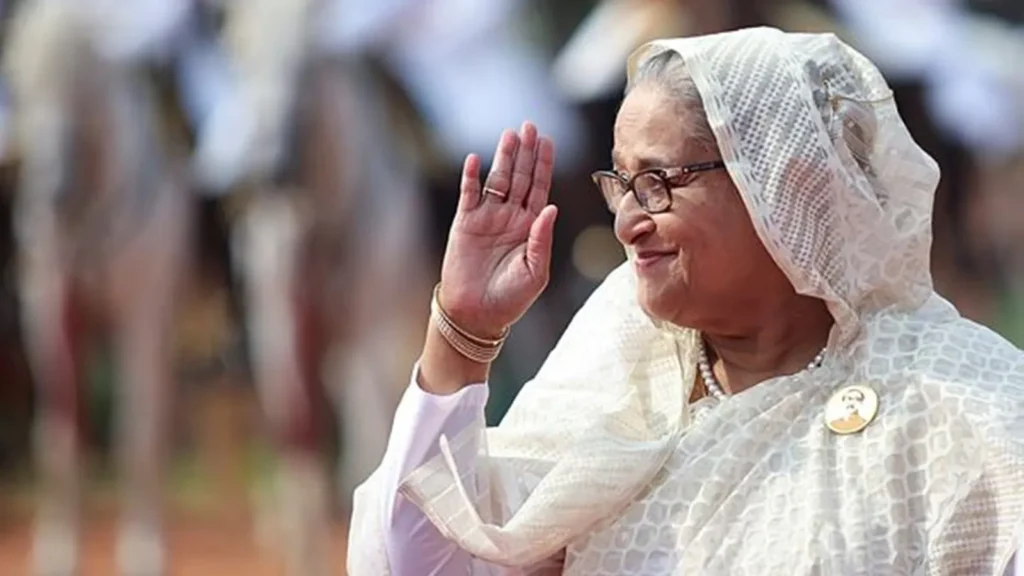
If the event proceeds as planned, it would represent one of her most significant public appearances since leaving Bangladesh and taking refuge in India.
Political observers believe that the address could attract widespread attention across South Asia, not only because of Sheikh Hasina’s political stature but also due to its potential diplomatic implications.
Bangladesh Seeks India’s Official Position
Ahead of the proposed address, Bangladesh’s Ministry of Foreign Affairs has formally asked India to clarify its position regarding Sheikh Hasina’s planned appearance.
Bangladesh’s State Minister for Foreign Affairs, Shama Obaed Islam, reportedly stated that allowing a fugitive political leader to conduct political activities from Indian territory could negatively affect the improving relationship between the two neighbouring countries.
Dhaka has indicated that it may raise the matter through diplomatic channels if necessary.
Background: Political Upheaval in Bangladesh
The controversy cannot be viewed without understanding the dramatic political developments that unfolded in Bangladesh over the past two years.
In August 2024, widespread student-led protests escalated into a nationwide movement against Sheikh Hasina’s government. The demonstrations eventually resulted in her departure from Bangladesh, after which she travelled to India.
Since then, Bangladesh has undergone a major political transition, culminating in the formation of a new government after national elections held in 2026. Relations between New Delhi and Dhaka became strained during this transition, although recent diplomatic engagement had shown signs of gradual improvement.
The Extradition Issue Continues to Cast a Shadow
One of the most significant unresolved issues between India and Bangladesh remains Dhaka’s request for Sheikh Hasina’s extradition.
Bangladesh has repeatedly sought her return through existing legal and diplomatic mechanisms so that she can face ongoing legal proceedings in her home country.
India has consistently maintained that any extradition request will be treated strictly as a legal matter and handled according to applicable laws and procedures rather than political considerations.
This careful position reflects New Delhi’s effort to balance legal obligations with broader regional diplomacy.
Could the Press Conference Affect India-Bangladesh Relations?
Foreign policy experts suggest that the impact of the proposed press conference will depend largely on how both governments respond.
Several possible scenarios are being discussed:
Diplomatic Sensitivity
If Bangladesh perceives the event as India permitting active political campaigning by Sheikh Hasina, it could increase diplomatic tensions.
India’s Legal Position
India may continue to argue that allowing a private event does not amount to political endorsement and that any legal matters regarding Sheikh Hasina remain separate from issues relating to freedom of expression and due process.
Regional Stability
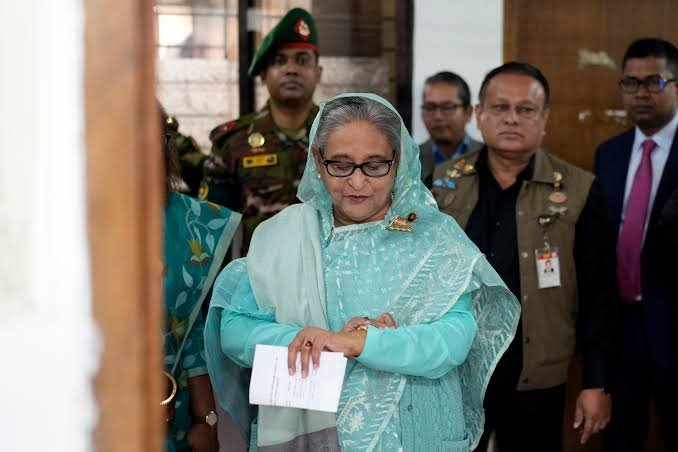
Both countries have important strategic interests, including border management, trade, energy cooperation, connectivity projects, and counter-terrorism coordination. Because of these shared interests, analysts believe neither side is likely to allow a single event to fundamentally damage long-term relations.
Why India and Bangladesh Need Each Other
Despite occasional political disagreements, India and Bangladesh share one of South Asia’s most important bilateral partnerships.
The relationship spans several critical areas:
- Border security
- Trade and commerce
- River water management
- Power and energy cooperation
- Road, rail and port connectivity
- Counter-terrorism cooperation
- Regional economic integration
Over the past decade, both countries have expanded cooperation across multiple sectors, making stable diplomatic ties strategically important for both governments.
Domestic Political Implications
Within Bangladesh, Sheikh Hasina remains a highly influential political figure despite her removal from office.
Supporters of the Awami League continue to view her as the party’s central leader, while political opponents argue that ongoing legal proceedings should take precedence over any political activities.
As a result, every public statement made by Sheikh Hasina attracts significant attention both domestically and internationally.
What Could Sheikh Hasina Say?
Although the complete contents of the planned address remain unknown, political observers expect Sheikh Hasina to discuss several issues, including:
- Bangladesh’s current political situation
- The future of the Awami League
- Democratic governance
- Her legal position
- Her response to allegations against her
- India’s role as a neighbouring country
However, until the speech is delivered, any assumptions regarding its contents remain speculative.
India’s Diplomatic Balancing Act
For New Delhi, the issue represents a delicate diplomatic balancing exercise.
India has historically maintained close ties with Bangladesh across successive governments while also emphasising that legal and humanitarian considerations guide decisions involving Sheikh Hasina.
Recent statements from the Ministry of External Affairs indicate that India’s official position regarding extradition has not changed and continues to be treated as a legal matter.
International Attention
The developments are being closely watched beyond South Asia.
Regional security analysts note that political stability in Bangladesh has implications for:
- South Asian diplomacy
- Cross-border trade
- Investment flows
- Migration
- Security cooperation
- Bay of Bengal regional initiatives
Consequently, even symbolic political events involving former national leaders can attract international diplomatic attention.
Experts Urge Calm Diplomacy
Several foreign policy experts argue that both governments have strong incentives to avoid unnecessary escalation.
They point out that:
- India and Bangladesh maintain extensive economic ties.
- Security cooperation remains important.
- Border management requires continuous coordination.
- Regional connectivity projects benefit both countries.
These long-term strategic interests may encourage both sides to manage disagreements through diplomatic dialogue rather than public confrontation.
What Happens Next?
Much will depend on:
- Whether Sheikh Hasina’s planned address proceeds as scheduled.
- India’s official response, if any.
- Bangladesh’s diplomatic reaction following the event.
- Any subsequent developments regarding the pending extradition request.
Officials in both countries are expected to continue diplomatic engagement as the situation evolves.
The proposed press conference by former Bangladesh Prime Minister Sheikh Hasina has introduced a fresh layer of complexity into India-Bangladesh relations at a time when both countries have been working to improve diplomatic engagement. While Dhaka has formally sought India’s clarification regarding the event, New Delhi continues to maintain that legal matters involving Sheikh Hasina are separate from broader bilateral ties. Whether the planned address leads to a significant diplomatic dispute will depend largely on the responses of both governments in the coming days. Given the deep strategic, economic, and security cooperation between the two neighbours, analysts believe both sides are likely to prioritise dialogue and careful diplomacy even as political sensitivities surrounding Sheikh Hasina continue to shape regional discourse.