
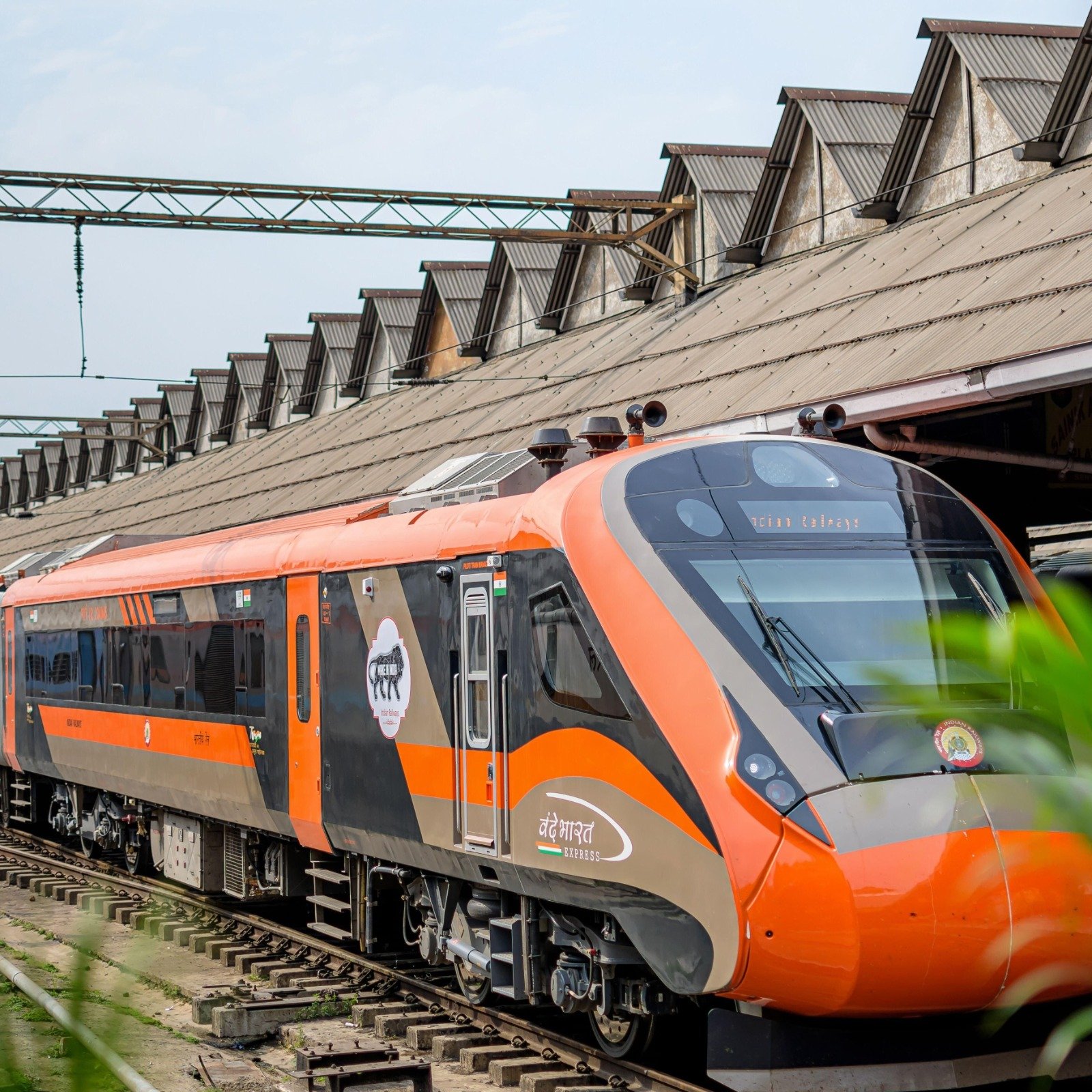
India’s railway modernization journey has achieved another significant milestone as the country’s first Vande Bharat Freight Electric Multiple Unit (EMU) has successfully completed the Emergency Braking Distance (EBD) test, an important stage in its ongoing technical validation process. The successful trial demonstrates the Indian Railways’ commitment to developing faster, safer, and more efficient freight transportation systems using the advanced Vande Bharat platform.
The Emergency Braking Distance test was conducted as part of a comprehensive series of technical trials underway in the Kota Division since July 29, 2026. Railway officials confirmed that the latest test was completed successfully on the Laban–Gudla railway section, bringing the country’s first Vande Bharat-based Superfast Parcel Rake one step closer to commercial operations.
The achievement is expected to play a crucial role in transforming India’s logistics and parcel transportation sector by introducing a new generation of high-speed freight trains capable of faster deliveries while maintaining world-class safety standards.
Table of Contents
Emergency Braking Distance Test Successfully Conducted
The latest phase of testing focused on evaluating the Emergency Braking Distance (EBD) of the freight EMU, one of the most critical safety parameters for any modern railway system.
According to railway officials, the test was carried out on the up line of the Laban–Gudla railway section in the Kota Division.
To ensure comprehensive evaluation, engineers conducted four separate trial runs, each designed to assess the braking performance of the train under different operational scenarios.
The primary objective was to determine how quickly and safely the train could come to a complete halt after emergency braking was initiated, ensuring that the train meets the stringent safety requirements prescribed for high-speed rail operations.
Three Independent Emergency Braking Systems Tested
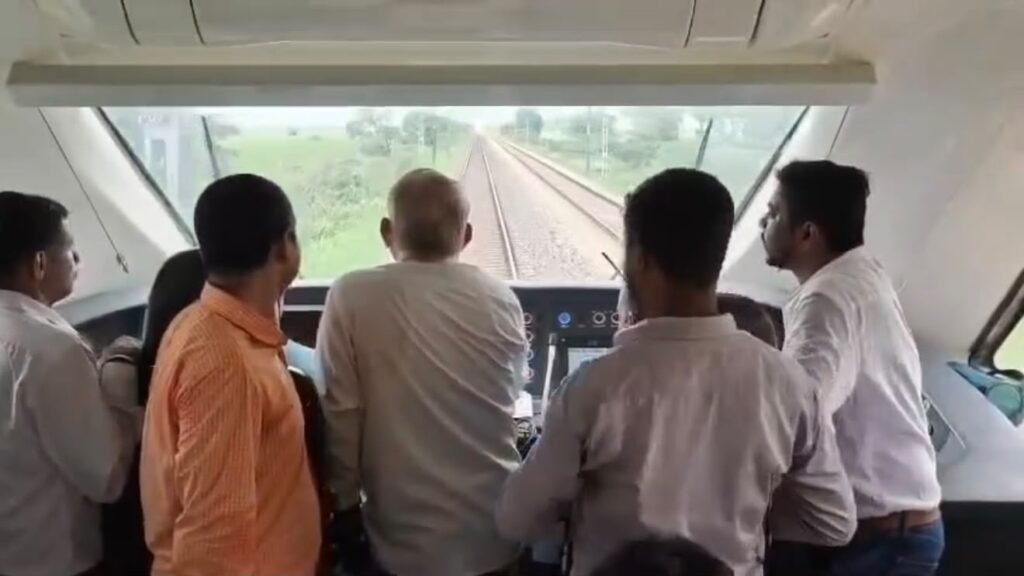
Senior Divisional Commercial Manager Saurabh Jain stated that the Vande Bharat Freight EMU has been equipped with three independent emergency braking systems, enhancing operational safety and redundancy.
These systems include:
- Loco Brake
- Train Brake
- Push Button Brake
Each braking mechanism was individually tested to evaluate its effectiveness under real-world operating conditions.
Railway engineers activated all three braking systems during the trials, allowing experts to compare braking performance across different emergency scenarios.
The successful performance of each braking mechanism demonstrates the robust engineering incorporated into the country’s first Vande Bharat Freight EMU.
Dry and Wet Track Conditions Evaluated
One of the most important aspects of the Emergency Braking Distance test was evaluating the train’s braking efficiency under varying rail conditions.
Engineers conducted tests on both:
- Dry railway tracks
- Wet railway tracks
Testing under different weather and track conditions is essential because rail adhesion varies significantly depending on environmental factors.
Wet rails generally reduce wheel-to-rail friction, making braking performance more challenging. By successfully completing trials under both dry and wet conditions, the Vande Bharat Freight EMU demonstrated reliable braking capability regardless of operating circumstances.
Such testing ensures that the train remains safe during monsoon operations as well as normal weather conditions across India’s extensive railway network.
Precise Measurement of Braking Distance
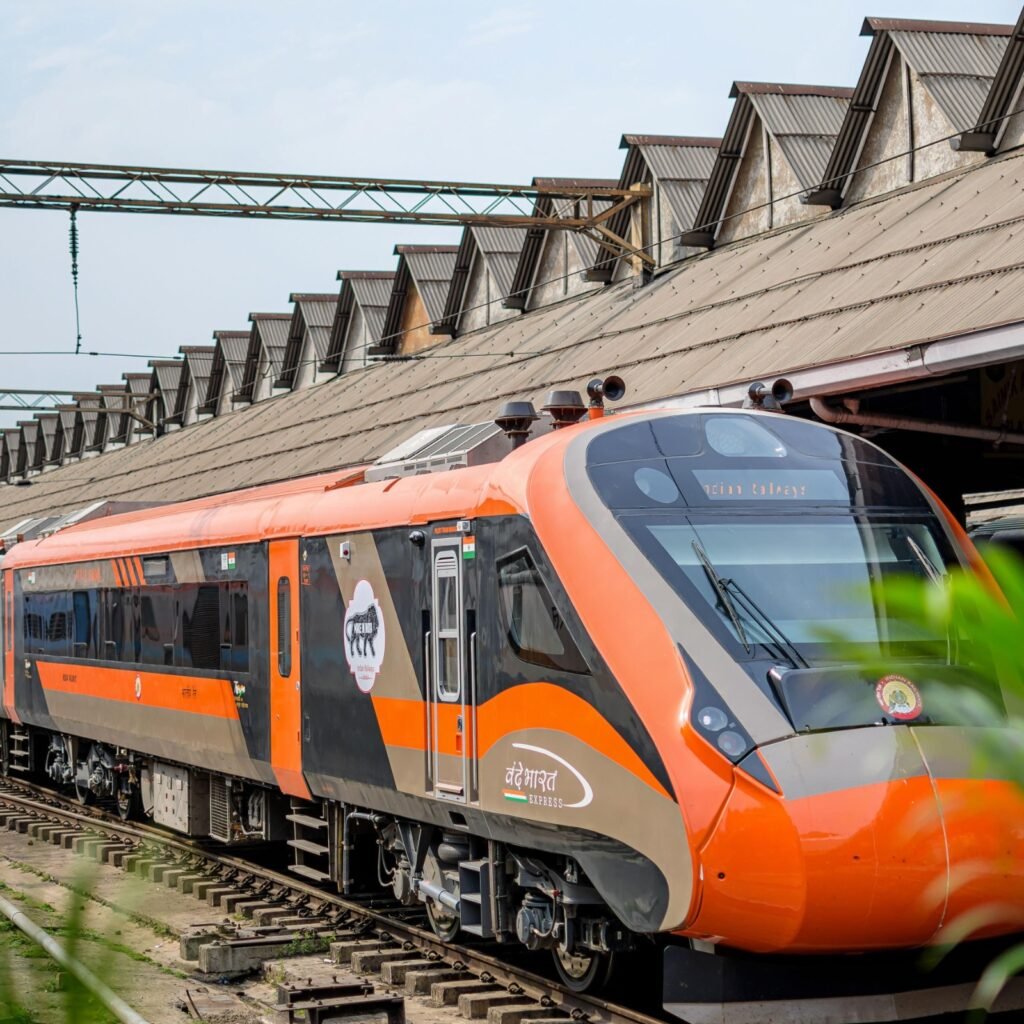
During every trial, technical teams carefully measured the exact distance between the point where emergency braking was applied and the location where the train came to a complete stop, commonly referred to as a dead stop.
These measurements help engineers determine:
- Braking efficiency
- Response time
- Stopping accuracy
- System reliability
- Overall operational safety
The collected data will be analysed against the standards established by Indian Railways to confirm whether the Freight EMU meets all prescribed performance benchmarks before entering commercial service.
Accurate braking distance calculations are especially important for high-speed operations, where even small improvements in stopping performance can significantly enhance passenger and operational safety.
Testing Conducted Under RDSO Supervision
The technical evaluation is being conducted under the supervision of the Research Designs and Standards Organisation (RDSO), the premier railway research and standards body responsible for approving new rolling stock and technologies for Indian Railways.
The Emergency Braking Distance test was carried out in the presence of senior railway officials and technical experts, including:
- Ananjay Mishra, Director (Testing), RDSO
- Sudhanshu Kumar, Assistant Divisional Electrical Engineer, ICF Chennai
- Ramniwas Meena, Chief Loco Inspector
- Mahendra Singh Meena, Traffic Inspector
In addition to these officials, experts from the Research Designs and Standards Organisation (RDSO), the Integral Coach Factory (ICF), Chennai, and the locomotive crew participated in the successful completion of the trial.
The involvement of multiple technical agencies ensures that every aspect of the train’s performance is thoroughly verified before certification.
What Makes the Vande Bharat Freight EMU Unique?
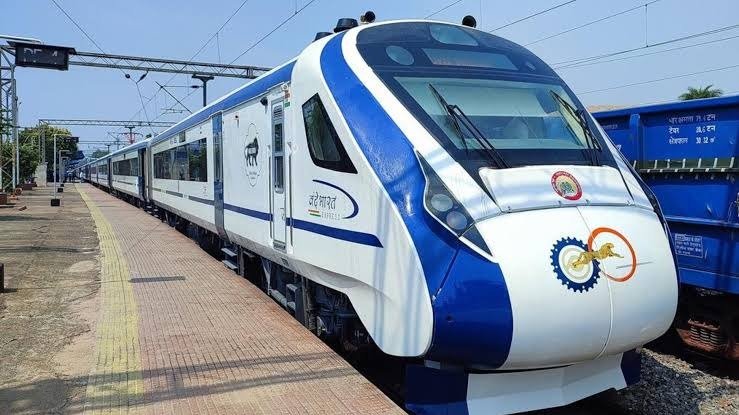
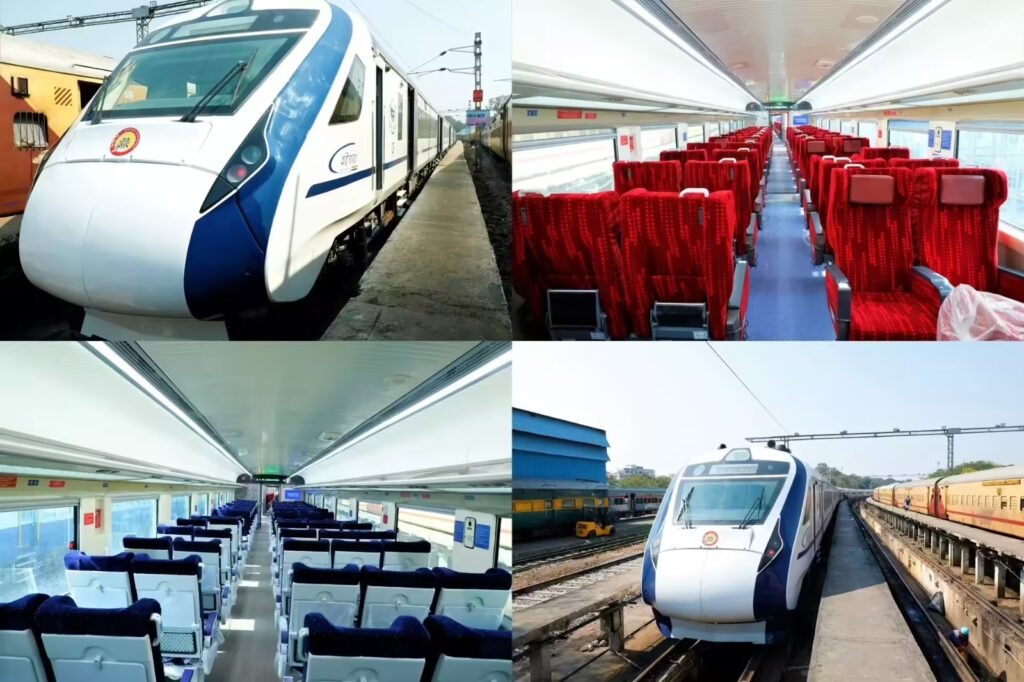
Unlike conventional freight trains, the Vande Bharat Freight EMU is based on the same advanced technological platform that powers India’s successful Vande Bharat Express passenger trains.
However, instead of transporting passengers, this specially designed Electric Multiple Unit has been developed as a Superfast Parcel Rake capable of carrying time-sensitive cargo.
The train is expected to transport:
- E-commerce consignments
- Express parcels
- Postal cargo
- Pharmaceuticals
- Electronics
- Perishable goods
- High-value commercial shipments
By combining high-speed operation with rapid loading and unloading capabilities, the Freight EMU aims to significantly reduce delivery times across major logistics corridors.
A Major Boost for India’s Logistics Sector
India’s logistics industry has witnessed rapid growth due to the expansion of e-commerce, manufacturing, and organized retail.
Traditional freight trains often prioritize bulk commodities such as coal, cement, steel, and food grains. However, there has been increasing demand for dedicated high-speed parcel services capable of transporting lightweight, high-value cargo quickly between cities.
The Vande Bharat Freight EMU has been developed to address this emerging requirement.
Its introduction is expected to:
- Improve supply chain efficiency
- Reduce transportation time
- Support faster parcel movement
- Enhance railway competitiveness
- Reduce dependence on road transport
- Promote environmentally sustainable logistics
The project aligns with Indian Railways’ broader vision of modernizing freight operations while increasing revenue through premium logistics services.
Importance of Safety Validation
Before any new train enters commercial service, it must undergo an extensive series of technical evaluations.
These tests include:
- Emergency braking performance
- Speed trials
- Acceleration testing
- Electrical system validation
- Ride quality assessment
- Stability analysis
- Safety inspections
- Component reliability testing
The successful completion of the Emergency Braking Distance test represents one of the most important milestones in this process.
Each successful trial increases confidence that the train can operate safely under diverse conditions across India’s railway network.
Modernising Indian Railways Through Innovation
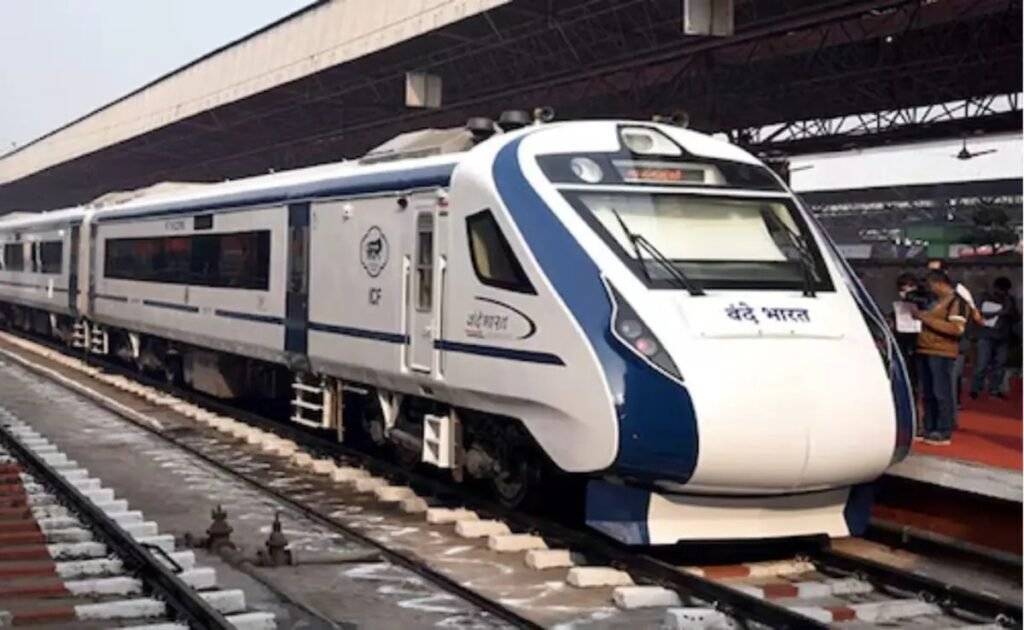
The Vande Bharat programme has become one of the flagship initiatives in Indian Railways’ modernization strategy.
Initially introduced as a semi-high-speed passenger train, the Vande Bharat platform has steadily expanded to support different applications.
The Freight EMU represents the next phase of this evolution, demonstrating how indigenous railway technology can be adapted for commercial logistics while maintaining high safety and performance standards.
The project also reflects India’s emphasis on developing advanced railway technologies through domestic design, engineering, and manufacturing capabilities.
What Comes Next?
Although the Emergency Braking Distance test has been successfully completed, additional technical trials and evaluations are expected before the Freight EMU receives final operational clearance.
Railway authorities will continue analysing data collected during the various trials to ensure compliance with all safety and performance standards established by the Research Designs and Standards Organisation.
Once certified, the Vande Bharat Freight EMU is expected to begin commercial operations as India’s fastest parcel train, offering a new benchmark in rail-based logistics.
The successful completion of the Emergency Braking Distance test marks another significant achievement for the Vande Bharat Freight EMU project and highlights Indian Railways’ continued efforts to modernize freight transportation. By demonstrating reliable braking performance under both dry and wet track conditions, the country’s first Vande Bharat-based Superfast Parcel Rake has moved closer to operational readiness.
As India continues investing in next-generation railway technology, the Vande Bharat Freight EMU is poised to redefine express parcel transportation with faster transit times, enhanced safety, and improved operational efficiency. Once introduced into commercial service, it is expected to strengthen India’s logistics ecosystem while showcasing the growing capabilities of indigenous railway innovation.