One of the most common questions many women ask during their menstrual cycle is whether it is safe to exercise during periods. While some women prefer complete rest because of cramps, fatigue, or discomfort, others continue their regular workout routines without any major difficulty. This difference in experiences has led to widespread confusion about whether physical activity should be avoided during menstruation or if it can actually help improve overall well-being.
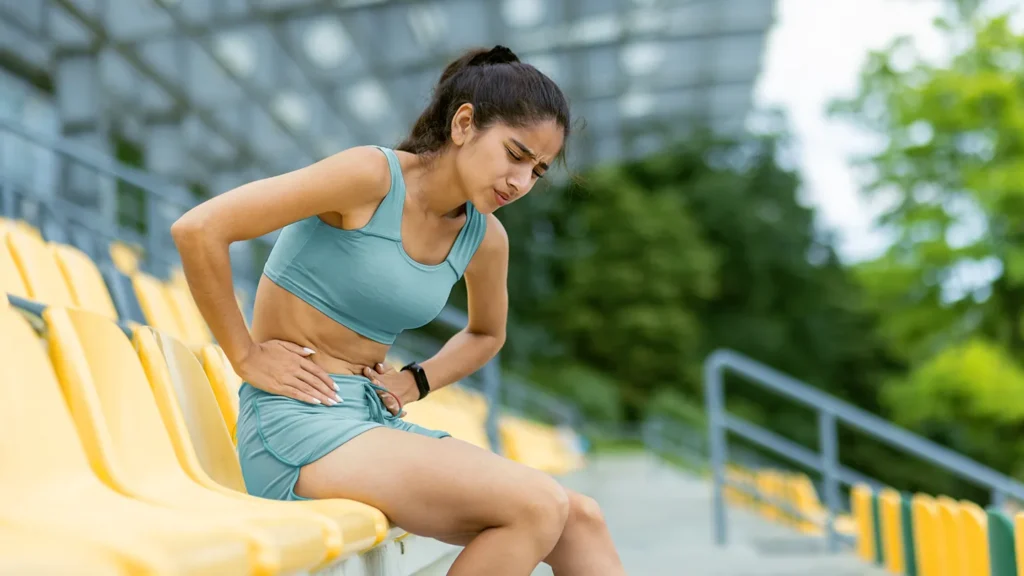
Health experts emphasize that menstruation is a natural biological process and that every woman’s body responds differently to hormonal changes during this time. Some women experience severe abdominal cramps, lower back pain, headaches, bloating, mood swings, or fatigue, while others notice only mild symptoms. Because every menstrual cycle is unique, experts recommend listening to the body’s signals instead of following myths or one-size-fits-all advice.
Table of Contents
According to the Office on Women’s Health, exercising during periods is generally considered safe for healthy women and may even help reduce certain menstrual symptoms. However, the type and intensity of physical activity should be adjusted according to individual comfort levels and overall health.
Understanding What Happens to the Body During Periods
Menstruation is a normal part of the female reproductive cycle. During this time, the uterus sheds its lining, resulting in menstrual bleeding that usually lasts between three and seven days.
Hormonal fluctuations involving estrogen and progesterone occur throughout the menstrual cycle. These hormonal changes can affect energy levels, emotions, appetite, sleep, and physical performance.
Many women commonly experience symptoms such as:
- Menstrual cramps
- Fatigue
- Lower back pain
- Headaches
- Breast tenderness
- Mood changes
- Bloating
- Muscle soreness
The severity of these symptoms varies from person to person, making individualized care particularly important.
Can You Exercise During Periods?
Medical experts generally agree that women can continue exercising during menstruation if they feel physically comfortable.
According to health authorities, moderate physical activity is safe for most women and may actually help relieve common menstrual symptoms.
Exercise improves blood circulation, releases endorphins—often called “feel-good hormones”—and helps reduce stress, which may contribute to reduced pain perception and improved mood.
Women who regularly exercise often report experiencing:
- Reduced menstrual cramps
- Better energy levels
- Improved mood
- Lower stress
- Better sleep quality
- Reduced bloating
However, experts also stress that women experiencing severe pain, dizziness, heavy bleeding, or significant weakness should prioritize rest and seek medical advice if symptoms become severe.
Why Exercise May Help During Periods
Several physiological changes occur during physical activity that can positively influence menstrual symptoms.
Endorphin Release
Exercise stimulates the release of endorphins, natural chemicals produced by the body that help improve mood while reducing discomfort.
These hormones may lessen menstrual pain and contribute to emotional well-being.
Improved Blood Circulation
Physical activity increases blood flow throughout the body.
Improved circulation may help reduce muscle stiffness and relieve cramps experienced during menstruation.
Reduced Stress
Stress often worsens menstrual discomfort.
Exercise helps lower stress hormones while promoting relaxation, potentially reducing both physical and emotional symptoms.
Better Energy Levels
Although many women feel tired during their periods, light exercise can sometimes increase energy by improving circulation and oxygen delivery throughout the body.
Every Woman’s Experience Is Different
Gynecologists emphasize that there is no universal rule regarding exercise during menstruation.
Some women comfortably complete intense workouts even on the first day of their period, while others may require complete rest due to severe pain or fatigue.
The most important factor is paying attention to how the body feels.
Experts recommend avoiding comparisons with others and choosing activities based on personal comfort rather than social expectations.
Best Exercises During Periods
Health professionals recommend choosing lighter forms of exercise during menstruation, especially if symptoms are moderate.
Walking
Walking remains one of the safest and easiest forms of physical activity.
A 20–30 minute walk may improve circulation, reduce stress, and promote overall well-being.
Yoga
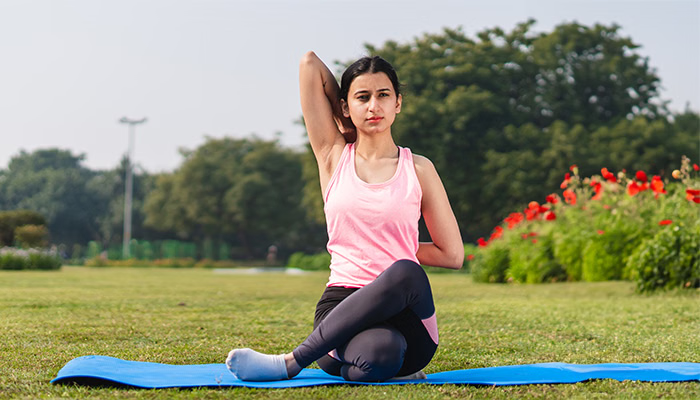
Gentle yoga stretches may help reduce lower back pain, pelvic discomfort, and muscle tension.
Breathing exercises included in yoga can also encourage relaxation.
Stretching
Simple stretching exercises improve flexibility while relieving muscle stiffness commonly experienced during menstruation.
Cycling
Light cycling at a comfortable pace provides cardiovascular benefits without placing excessive strain on the body.
Light Aerobic Exercise
Low-impact aerobic workouts can help maintain fitness while supporting blood circulation and mood.
Women who already participate in regular exercise programs may continue them after making adjustments according to their comfort level.
Exercises That May Require Caution
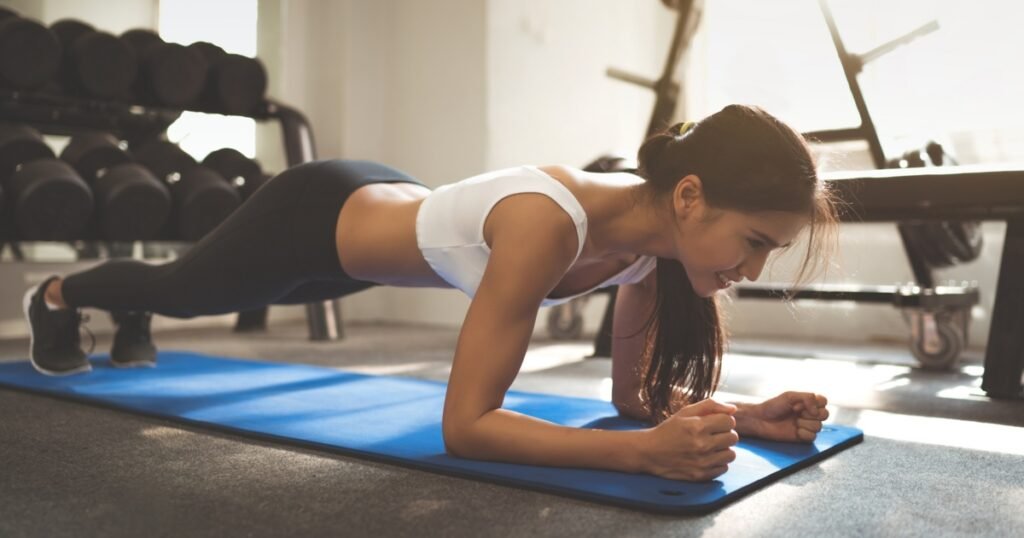
Although exercise is generally safe, experts recommend reducing workout intensity if symptoms become severe.
Activities that may require temporary modification include:
- Heavy weightlifting
- High-intensity interval training (HIIT)
- Long-distance running
- Intense endurance workouts
- Competitive sports during severe cramps
Women should avoid pushing through severe pain simply to maintain a workout routine.
Listening to Your Body Is Most Important
Medical experts consistently emphasize that the body’s signals should guide activity levels during menstruation.
It may be appropriate to rest if you experience:
- Severe abdominal cramps
- Heavy menstrual bleeding
- Extreme fatigue
- Dizziness
- Nausea
- Weakness
- Difficulty standing comfortably
Skipping one or two workout sessions during particularly difficult menstrual days will not negatively affect long-term fitness.
Staying Hydrated During Exercise
Proper hydration becomes especially important during menstruation.
Women should drink adequate water before, during, and after exercise to prevent dehydration.
Maintaining hydration supports:
- Muscle function
- Blood circulation
- Temperature regulation
- Overall energy levels
Carrying a water bottle while exercising is a simple but effective habit.
Wearing Comfortable Clothing
Choosing appropriate clothing can make exercising during periods much more comfortable.
Experts recommend:
- Breathable fabrics
- Moisture-wicking sportswear
- Properly fitted sports bras
- Comfortable workout leggings or shorts
The right clothing reduces irritation while allowing unrestricted movement.
Choosing Suitable Menstrual Products
Comfort during exercise also depends on selecting suitable menstrual hygiene products.
Depending on individual preference, women may choose:
- Sanitary pads
- Tampons
- Menstrual cups
- Period underwear
The choice depends entirely on personal comfort and the type of physical activity planned.
Nutrition Also Plays an Important Role
Proper nutrition supports both menstrual health and exercise performance.
Experts recommend consuming:
- Iron-rich foods
- Fresh fruits
- Vegetables
- Whole grains
- Lean proteins
- Healthy fats
Iron-rich foods become especially important because menstrual bleeding can contribute to iron loss.
Maintaining balanced nutrition also helps sustain energy during physical activity.
Common Myths About Exercising During Periods
Several misconceptions continue to influence women’s decisions regarding exercise.
Myth: Exercise Stops Menstrual Flow
There is no scientific evidence suggesting moderate exercise stops menstruation.
Temporary changes in flow during activity are generally normal.
Myth: Complete Bed Rest Is Necessary
While rest is appropriate for women experiencing severe discomfort, complete inactivity is not medically required for everyone.
Many women benefit from gentle movement.
Myth: Exercise Worsens Cramps
Research suggests moderate exercise may actually help reduce cramps in many women rather than increase them.
When Should You Consult a Doctor?
Although mild discomfort during menstruation is common, medical evaluation is recommended if symptoms become unusually severe.
Consult a healthcare professional if you experience:
- Extremely heavy bleeding
- Severe pain preventing daily activities
- Persistent dizziness
- Fainting
- Fever during menstruation
- Pain that suddenly becomes worse than usual
- Unusual symptoms during or after exercise
A doctor can identify whether an underlying medical condition requires treatment.
Experts Encourage Individualized Decision-Making
Health experts stress that there is no “perfect” workout plan during menstruation.
Instead, women should consider:
- Their energy level
- Pain intensity
- Overall health
- Exercise experience
- Personal comfort
Some days may allow regular workouts, while others may call for lighter activities or complete rest.
Flexibility is key to maintaining both fitness and menstrual health.
Exercise during periods is generally considered safe for healthy women and may even provide several physical and emotional benefits, including relief from menstrual cramps, improved mood, reduced stress, and better circulation. According to the Office on Women’s Health, moderate physical activity can remain part of a healthy lifestyle throughout the menstrual cycle, provided women listen to their bodies and adjust workout intensity according to their comfort.
Light activities such as walking, yoga, stretching, cycling, and gentle aerobic exercises are often recommended during menstruation, while high-intensity workouts may be modified if symptoms become severe. Experts also advise staying hydrated, eating a balanced diet, wearing comfortable clothing, and choosing appropriate menstrual hygiene products to support a more comfortable exercise experience.
Ultimately, every woman’s menstrual experience is unique. Rather than following myths or rigid rules, healthcare professionals recommend making exercise decisions based on individual health, symptoms, and physical comfort. If unusual pain, excessive bleeding, dizziness, or persistent discomfort occurs, seeking timely medical advice can help identify the underlying cause and ensure appropriate care.