
Raksha Bandhan 2026 will be celebrated on Friday, August 28, 2026, marking one of India’s most cherished festivals that honours the enduring bond between siblings. Observed on the Shravan Purnima (full moon day) of the Hindu calendar, Raksha Bandhan is a celebration of love, trust, mutual respect, and lifelong protection. While the festival traditionally revolves around sisters tying a sacred thread, or Rakhi, on their brothers’ wrists, its significance has evolved over time to embrace cousins, friends, and even symbolic relationships built on affection and care.
The festival combines centuries-old traditions with modern expressions of love, making it one of the most widely celebrated Hindu festivals across India and among Indian communities worldwide.
Table of Contents
Raksha Bandhan 2026: Date and Festival Details
This year, Raksha Bandhan falls on Friday, August 28, 2026.
| Event | Details |
|---|---|
| Festival | Raksha Bandhan 2026 |
| Date | August 28, 2026 |
| Day | Friday |
| Hindu Calendar | Shravan Purnima |
| Also Known As | Rakhi, Rakhi Purnima, Raksha Bandhan |
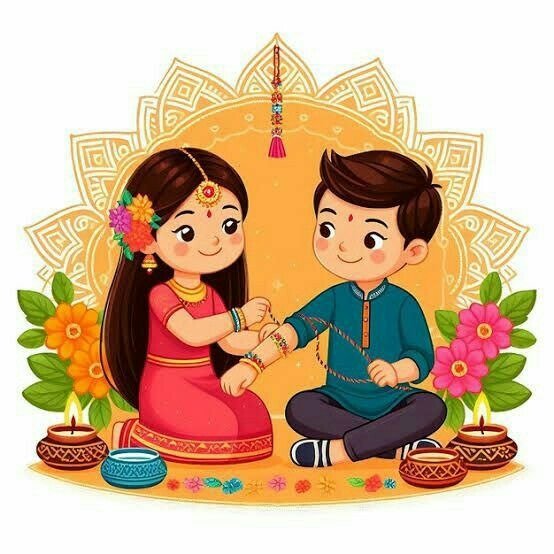
The festival is celebrated with prayers, family gatherings, festive meals, sweets, gift exchanges, and the traditional Rakhi-tying ceremony.
Raksha Bandhan 2026 Muhurat
One of the most important aspects of Raksha Bandhan is selecting the auspicious Muhurat for tying the Rakhi.
According to Hindu traditions, the ceremony should be performed during the Shravan Purnima while avoiding the Bhadra Kaal, which is considered inauspicious for auspicious rituals.
Since Panchang calculations differ slightly depending on geographical location, families are advised to consult their local Panchang or temple authorities for the exact Rakhi Muhurat applicable to their city.
Important Note
Traditionally, Rakhi should not be tied during Bhadra Kaal. If Bhadra overlaps with the festival timing, devotees generally wait until it ends before performing the Raksha Bandhan rituals.
What is Raksha Bandhan?
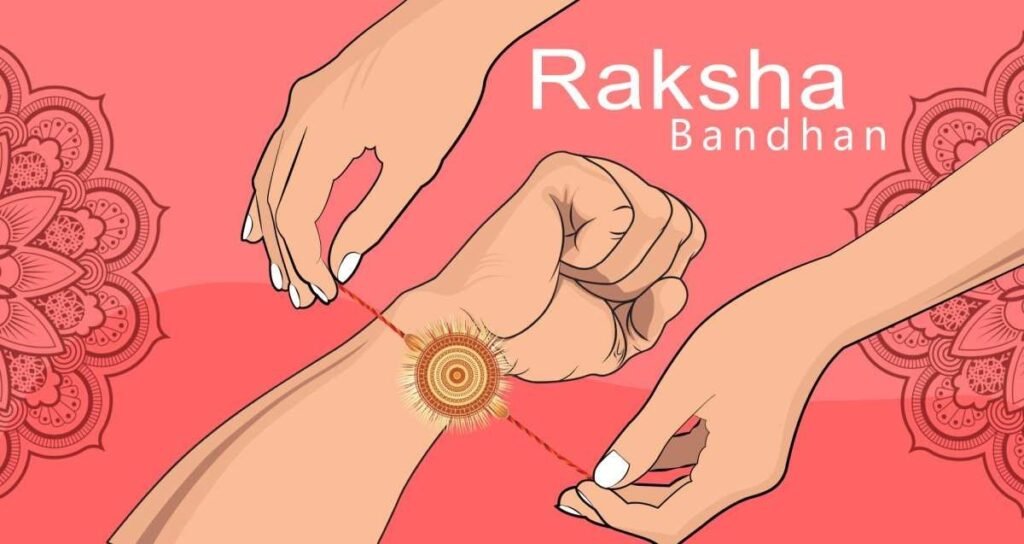
Raksha Bandhan is a Hindu festival celebrating the lifelong relationship between siblings.
The name itself comes from two Sanskrit words:
- Raksha means Protection
- Bandhan means Bond
Together, Raksha Bandhan literally translates to “Bond of Protection.”
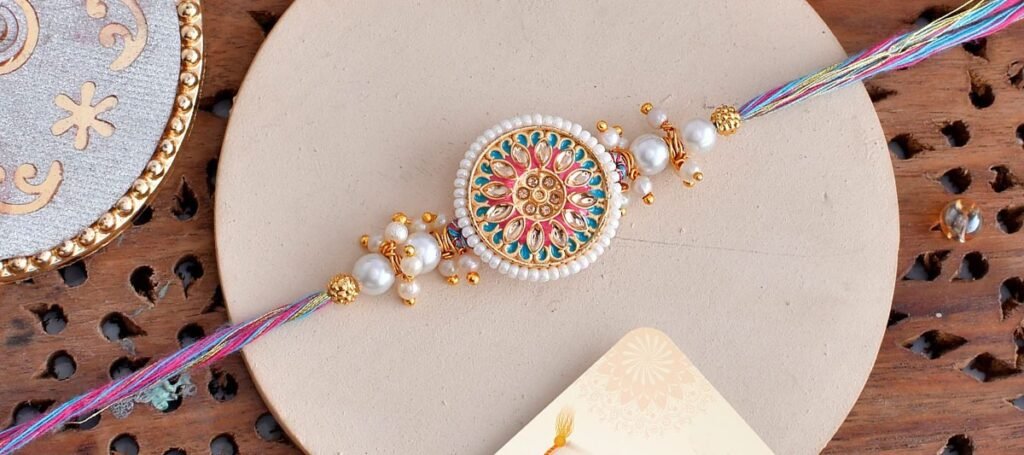
Traditionally, sisters tie a beautifully decorated thread known as a Rakhi around their brothers’ wrists while praying for their happiness, prosperity, health, and long life. Brothers, in return, promise to support, protect, and stand by their sisters throughout life while presenting gifts as a token of affection.
Today, the meaning of Raksha Bandhan has expanded far beyond biological siblings. Cousins, sisters-in-law, close friends, soldiers, mentors, and even community members participate in Rakhi ceremonies, symbolizing trust and lifelong support.
Meaning and Purpose of Rakhi
Although the Rakhi thread may appear simple, it carries deep emotional and spiritual meaning.
The thread symbolizes:
- Love
- Protection
- Respect
- Responsibility
- Mutual trust
- Lifelong companionship
Rather than representing only a brother’s duty to protect his sister, modern celebrations increasingly emphasize mutual care and emotional support, reflecting changing family dynamics and stronger gender equality.
Many people compare Rakhi to a friendship bracelet—but one that carries a sacred promise rooted in generations of tradition.
The Rich History of Raksha Bandhan
The origins of Raksha Bandhan stretch back thousands of years and are deeply connected with Hindu mythology, ancient scriptures, and historical traditions.
Several legendary stories explain how the sacred thread came to symbolize protection, compassion, and unwavering commitment.
Lord Krishna and Draupadi
Perhaps the best-known story associated with Raksha Bandhan comes from the Mahabharata.
According to tradition, Lord Krishna accidentally injured his finger during battle. As blood flowed from the wound, Draupadi immediately tore a strip from her silk sari and wrapped it around Krishna’s finger to stop the bleeding.
Deeply touched by her spontaneous act of kindness, Krishna promised to protect Draupadi whenever she needed him.
Years later, during the infamous disrobing episode in the Kaurava court, Krishna fulfilled that promise by miraculously protecting her dignity, making this story one of the strongest symbols of Raksha Bandhan’s spirit.
King Bali and Goddess Lakshmi
Another important legend is found in Hindu scriptures involving King Mahabali and Goddess Lakshmi.
When Lord Vishnu stayed with King Bali, Goddess Lakshmi wished to bring her husband home. She disguised herself as an ordinary woman and tied a sacred cotton thread around King Bali’s wrist while praying for his well-being.
Moved by her gesture, King Bali asked what gift she desired. Lakshmi then revealed her true identity and requested Vishnu’s return.
Honouring the sacred relationship created by the Rakhi, King Bali fulfilled her wish, reinforcing the belief that the Rakhi thread symbolizes trust beyond blood relations.
Rani Karnavati and Emperor Humayun
One of the most widely known historical accounts dates back to the 16th century.
Facing an invasion, Rani Karnavati of Chittor reportedly sent a Rakhi to Mughal Emperor Humayun, requesting his protection.
Although historians continue to debate certain aspects of the story, it remains a powerful symbol of Raksha Bandhan’s message—that bonds of respect and responsibility can transcend religion, politics, and social boundaries.
Spiritual Significance of Raksha Bandhan
Raksha Bandhan is not merely a family celebration—it also carries profound spiritual significance.
Each ritual performed during the ceremony reflects deeper values rooted in Hindu philosophy.
Purification
Family members begin the day with a bath and wear fresh traditional attire, symbolizing purity and devotion.
Lighting the Diya
The oil lamp represents divine light, wisdom, positivity, and the removal of darkness from life.
Applying Tilak
The red Kumkum applied to the forehead symbolizes blessings, strength, prosperity, and spiritual awakening.
Offering Sweets
Sharing sweets reflects harmony, affection, forgiveness, and the hope that life remains joyful and fulfilling.
Sacred Thread
The Rakhi itself serves as a reminder that relationships require care, commitment, and emotional support throughout life.
How to Celebrate Raksha Bandhan: Step-by-Step Rituals
The Rakhi ceremony is traditionally performed in the morning after family members gather together.
Step 1: Prepare the Rakhi Thali
The sister decorates a prayer plate known as the Rakhi Thali.
It generally includes:
- Rakhi thread
- Kumkum (red vermillion)
- Rice grains (Akshat)
- Diya (oil lamp)
- Sweets such as Ladoo or Barfi
- Flowers
- Sandalwood paste (optional)
Many families decorate the thali with colourful rangoli, mirrors, decorative cloth, and traditional artwork to make the occasion more festive.
Step 2: Perform the Tilak Ceremony
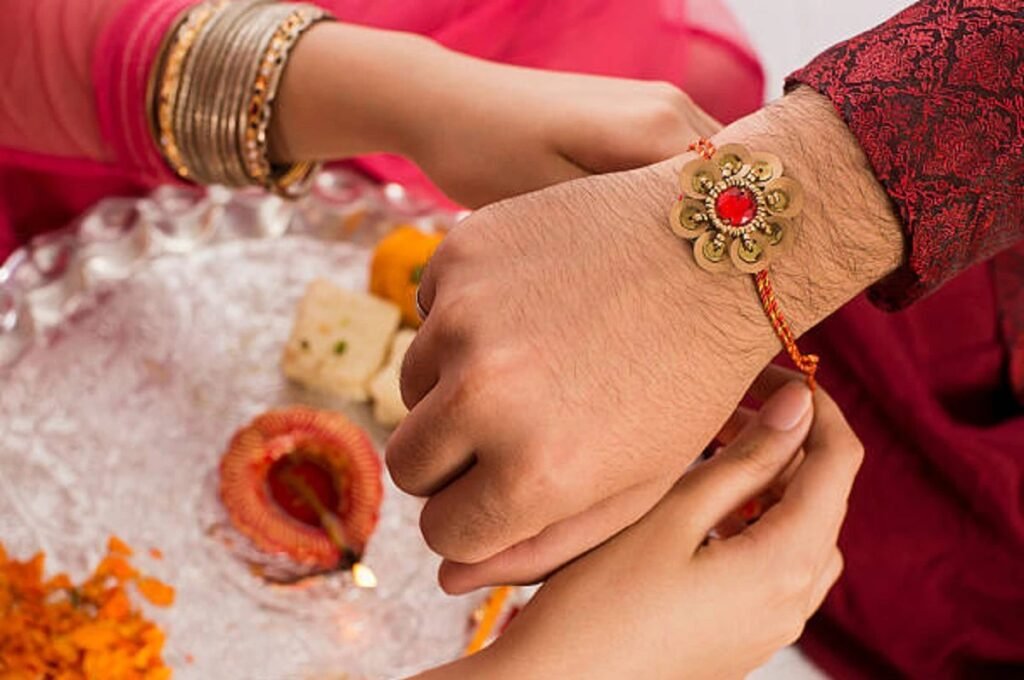
The sister lights the diya and applies a Tilak of Kumkum and rice grains to her brother’s forehead while offering prayers for his success, health, happiness, and long life.
Step 3: Tie the Rakhi
The Rakhi is tied on the brother’s right wrist while silently praying or chanting traditional mantras.
Many families believe the sacred thread protects the wearer from negative influences and brings divine blessings.
Step 4: Exchange Sweets
The siblings feed each other sweets, symbolizing happiness, prosperity, and the sweetness of their lifelong relationship.
Step 5: Gift Exchange
The brother expresses gratitude by presenting gifts to his sister.
Popular Raksha Bandhan gifts include:
- Cash
- Jewellery
- Clothing
- Books
- Watches
- Gadgets
- Handmade presents
- Personalized keepsakes
Today, sisters also gift their brothers, making the exchange increasingly mutual.
Raksha Bandhan Ritual Items and Their Meaning
| Ritual Item | Symbolic Meaning |
|---|---|
| Rakhi Thread | Love, protection and lifelong bond |
| Kumkum Tilak | Blessings, strength and prosperity |
| Rice Grains | Purity and abundance |
| Diya | Light, wisdom and positivity |
| Sweets | Joy, harmony and affection |
| Gifts | Gratitude and appreciation |
Modern Celebrations of Raksha Bandhan
Over the years, Raksha Bandhan has evolved while retaining its traditional values.
Today, people celebrate in many unique ways:
- Sending Rakhi through courier or online delivery services
- Virtual Rakhi celebrations via video calls
- Eco-friendly handmade Rakhi designs
- Personalized gift hampers
- Digital gift cards
- Family reunions
- Charity initiatives and community celebrations
Many schools, offices, and social organizations also organize Rakhi events to promote harmony and social unity.
Raksha Bandhan Beyond Brothers and Sisters
Modern interpretations of Raksha Bandhan have broadened the festival’s meaning considerably.
People now tie Rakhi to:
- Cousins
- Sisters-in-law
- Close friends
- Teachers
- Mentors
- Armed forces personnel
- Community leaders
Many women also tie Rakhi to soldiers as a gesture of gratitude for protecting the nation.
This broader understanding highlights that Raksha Bandhan is fundamentally about trust, respect, responsibility, and emotional connection rather than biological relationships alone.
Handmade Rakhi: A Growing Trend
Handmade Rakhis have become increasingly popular in recent years.
Families often create Rakhi using:
- Silk thread
- Cotton thread
- Beads
- Wool
- Decorative stones
- Paper craft
- Eco-friendly materials
A handmade Rakhi is often considered more meaningful because it reflects personal effort, creativity, and affection.
Cultural Importance Across India
Although the core ritual remains similar throughout the country, different regions celebrate Raksha Bandhan with unique customs.
In several parts of India, the day also coincides with festivals such as:
- Narali Purnima
- Avani Avittam
- Kajari Purnima
- Pavitropana
These regional observances further enrich the cultural significance of Shravan Purnima.
Why Raksha Bandhan Remains Relevant Today
In today’s fast-paced world, Raksha Bandhan continues to remind families of the importance of emotional support, mutual respect, and meaningful relationships.
Beyond gifts and ceremonies, the festival reinforces timeless values including compassion, responsibility, gratitude, and unconditional love.
Whether siblings live together or across continents, the simple act of tying a Rakhi serves as a heartfelt reminder that true relationships are strengthened by trust, shared memories, and the promise to stand by one another through every stage of life.
Raksha Bandhan 2026, to be celebrated on Friday, August 28, is far more than a traditional Hindu festival—it is a celebration of enduring relationships and the values that bind families together. Rooted in mythology, enriched by history, and embraced by modern society, the festival continues to evolve while preserving its timeless message of protection, love, and mutual care.
As families across India and around the world come together to exchange Rakhis, sweets, blessings, and heartfelt promises, Raksha Bandhan once again serves as a beautiful reminder that the strongest bonds are not merely tied with a thread but are woven through trust, sacrifice, and lifelong affection.