For years, the concept of self-care has largely revolved around maintaining physical health through regular exercise, balanced nutrition, skincare routines, and healthy lifestyle habits. However, as awareness surrounding mental health continues to grow, experts believe that taking care of emotional well-being is becoming just as important as looking after the body.
One concept gaining increasing attention is “emotional detox”—a practice that encourages people to acknowledge, process, and release negative emotions instead of suppressing them. Mental health professionals say that emotional detox is not about ignoring difficult feelings or pretending to stay positive at all times. Rather, it focuses on developing healthier ways to manage emotions such as stress, anxiety, sadness, anger, disappointment, and fear.
Table of Contents
According to experts, adopting simple daily habits such as journaling, mindfulness, meditation, open communication, and setting healthy boundaries can help people improve emotional balance, reduce stress, and strengthen overall mental well-being.
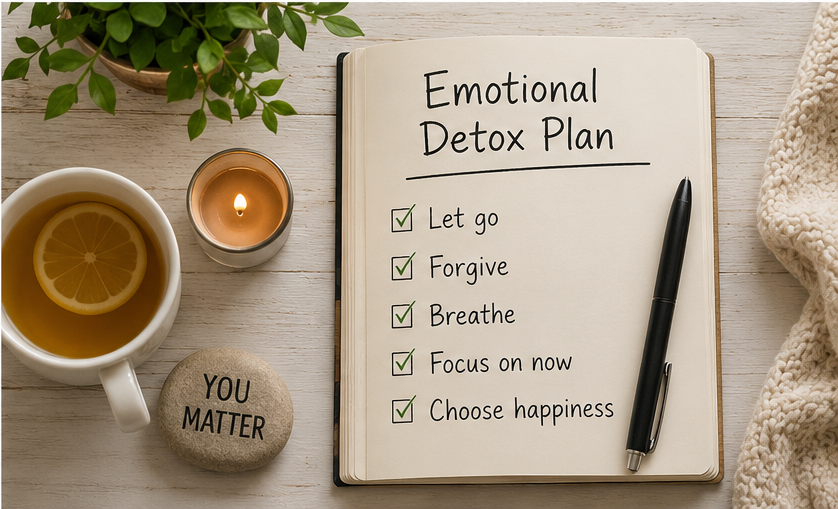
What Is Emotional Detox?
Emotional detox refers to the process of clearing emotional clutter by recognising and managing difficult emotions in a healthy manner.
Just as physical detoxification aims to remove harmful substances from the body, emotional detox seeks to help individuals release emotional stress and negative feelings that may accumulate over time.
Rather than suppressing emotions, emotional detox encourages people to understand what they are feeling, process those emotions, and respond in constructive ways.
Experts say the ultimate goal is to improve emotional clarity, reduce psychological stress, and promote a healthier state of mind in everyday life.
Why Emotional Detox Is Becoming More Important
Mental health specialists believe that emotional well-being deserves the same level of attention as physical health.
In today’s fast-paced lifestyle, many individuals experience constant work pressure, personal responsibilities, financial concerns, academic stress, and digital overload. Over time, these experiences can lead to emotional exhaustion if left unaddressed.
According to experts, people often prioritise physical fitness while overlooking their emotional needs, even though emotional health significantly influences overall quality of life.
Growing awareness surrounding mental health has encouraged more individuals to recognise the importance of emotional self-care as part of a balanced lifestyle.
Experts Explain the Need for Emotional Cleansing
According to Sumi Lazar, Pranic Healing Instructor, Healer, and Trustee at World Pranic Healing, India, emotional detoxification is just as necessary as physical detoxification because thoughts and emotions influence overall health.
She explains that emotions such as stress, sadness, disappointment, fear, and anger generate heavier emotional energies that may accumulate over time.
According to her, this emotional buildup can contribute to fatigue and negatively affect both mental and emotional well-being.
She believes that just as people periodically cleanse their physical bodies, they should also refresh and cleanse their emotional and energetic well-being.
Emotional Detox Is Not About Ignoring Feelings
Mental health experts emphasise that emotional detox should never be confused with suppressing emotions.
According to Dr. Pavitra Shankar, Associate Consultant and Psychiatrist at Aakash Healthcare, emotional detoxification encourages individuals to adopt healthy strategies for managing emotions rather than hiding them.
She explains that emotional highs and lows are a natural part of life.
Instead of forcing oneself to remain cheerful constantly, people should acknowledge their emotions and learn healthier coping mechanisms.
According to Dr. Shankar, adopting such practices can help reduce the harmful impact that prolonged stress may have on both physical and mental health.
Experts say that accepting emotions is often healthier than pretending they do not exist.
Self-Care Is No Longer Limited to Physical Health
Healthcare professionals say that the understanding of self-care has evolved significantly over recent years.
According to Dr. Minakshi Manchanda, Associate Director of Psychiatry at Asian Hospital, self-care traditionally focused on physical aspects such as nutrition, exercise, sleep, and skincare.
Today, however, emotional well-being has become an equally important component of overall health.
She explains that more people are recognising the value of emotional detox by incorporating practices that reduce stress and improve emotional resilience.
This shift reflects a broader understanding that emotional stability plays a major role in maintaining good health.
Emotional Detox Helps Build Mental Resilience
Experts believe emotional detox not only reduces stress but also strengthens an individual’s ability to handle future challenges.
People who regularly process their emotions may become better equipped to deal with uncertainty, disappointment, workplace pressure, relationship conflicts, and everyday responsibilities.
Mental resilience develops gradually when individuals consistently practice emotional awareness and healthy coping strategies.
According to specialists, emotional resilience allows people to recover more effectively from difficult situations while maintaining emotional balance.
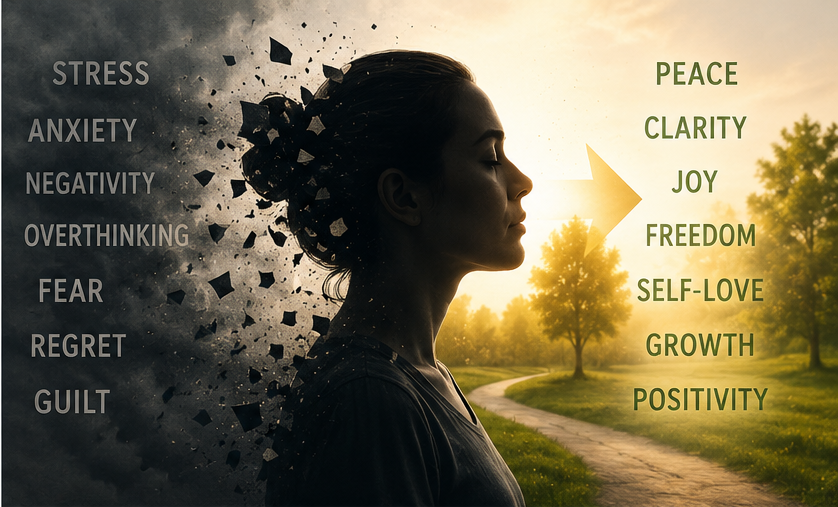
Everyday Habits That Support Emotional Detox
Experts say emotional detox does not require complicated routines or expensive treatments.
Instead, simple daily habits can make a meaningful difference.
Among the most commonly recommended practices are:
- Writing thoughts and emotions in a personal journal.
- Practising mindfulness or meditation regularly.
- Talking openly with trusted friends or family members.
- Seeking professional counselling or therapy when needed.
- Spending time in nature.
- Setting healthy personal boundaries.
- Taking regular breaks from smartphones and digital devices.
Experts believe that consistency is more important than intensity when building emotional well-being.
Journaling Can Improve Emotional Awareness
Writing down thoughts and feelings is often recommended as one of the simplest emotional detox techniques.
Journaling allows individuals to organise their thoughts and better understand their emotions.
It also helps people identify recurring stressors, emotional triggers, and behavioural patterns.
Many psychologists suggest that regular journaling encourages emotional clarity and improves self-awareness over time.
Mindfulness and Meditation Promote Calmness
Mindfulness and meditation continue to be among the most widely recommended practices for emotional well-being.
Mindfulness encourages individuals to remain present in the current moment without becoming overwhelmed by worries about the past or future.
Meditation helps calm the mind, reduce stress, and improve emotional regulation.
Experts believe that even a few minutes of mindfulness practice each day may contribute to better emotional balance.
Open Communication Supports Mental Health
Another important aspect of emotional detox is talking openly about emotions.
Experts encourage individuals to share their feelings with trusted family members, close friends, or mental health professionals.
Healthy communication reduces emotional isolation and helps people feel supported during stressful situations.
According to specialists, expressing emotions constructively often prevents emotional burdens from becoming overwhelming.
Healthy Boundaries Reduce Emotional Stress
Experts also highlight the importance of setting personal boundaries.
Learning to say “no” when necessary, managing unrealistic expectations, and protecting personal time can significantly reduce emotional stress.
Healthy boundaries promote self-respect while helping individuals maintain healthier personal and professional relationships.
Mental health professionals say that boundaries are essential for preventing emotional burnout.
Limiting Digital Overload
Continuous exposure to social media, news updates, work notifications, and digital distractions can contribute to emotional fatigue.
Experts recommend taking regular breaks from screens and reducing unnecessary digital consumption.
Digital detox practices may help improve focus, reduce anxiety, and create more opportunities for meaningful real-life interactions.
Balancing online and offline activities has become increasingly important in maintaining emotional well-being.
Emotional Health and Physical Health Are Closely Connected
Healthcare professionals consistently emphasise the strong connection between emotional and physical health.
Long-term emotional stress may influence sleep quality, energy levels, concentration, and overall physical wellness.
By managing emotions effectively, individuals may also improve their physical health and daily functioning.
Experts believe that emotional well-being should be viewed as an essential part of overall healthcare rather than a separate concern.
Why Emotional Detox Matters in Today’s World
Although the phrase “emotional detox” has gained popularity recently, the underlying concept has existed in psychology for many years.
Recognising, understanding, and processing emotions have always been considered important aspects of psychological well-being.
However, increasing awareness about mental health has brought these ideas into mainstream conversations.
As modern lifestyles become increasingly demanding, experts believe emotional self-care will continue gaining importance.
People are gradually recognising that emotional fitness deserves the same attention as physical fitness.
A Balanced Approach to Self-Care
Experts caution that emotional detox should not be viewed as a quick solution or replacement for professional mental healthcare.
Instead, it should be considered one part of a broader self-care routine that includes physical health, emotional awareness, healthy relationships, proper sleep, balanced nutrition, and professional support whenever necessary.
Individuals experiencing persistent emotional distress, anxiety, depression, or other mental health concerns should consult qualified healthcare professionals for appropriate evaluation and treatment.
As conversations around mental health continue to expand, emotional detox is emerging as an increasingly important component of modern self-care. Experts say that acknowledging emotions, managing stress in healthy ways, and practising simple habits such as journaling, mindfulness, meditation, open communication, and setting personal boundaries can significantly improve emotional well-being.
Rather than suppressing difficult feelings, emotional detox encourages people to understand and process them constructively, helping build resilience and emotional balance. While it is not a substitute for professional mental healthcare, specialists believe that making emotional self-care part of everyday life can contribute to healthier minds, stronger relationships, and improved overall well-being. As awareness grows, emotional detox is likely to become an integral part of how people approach both mental and physical health.