
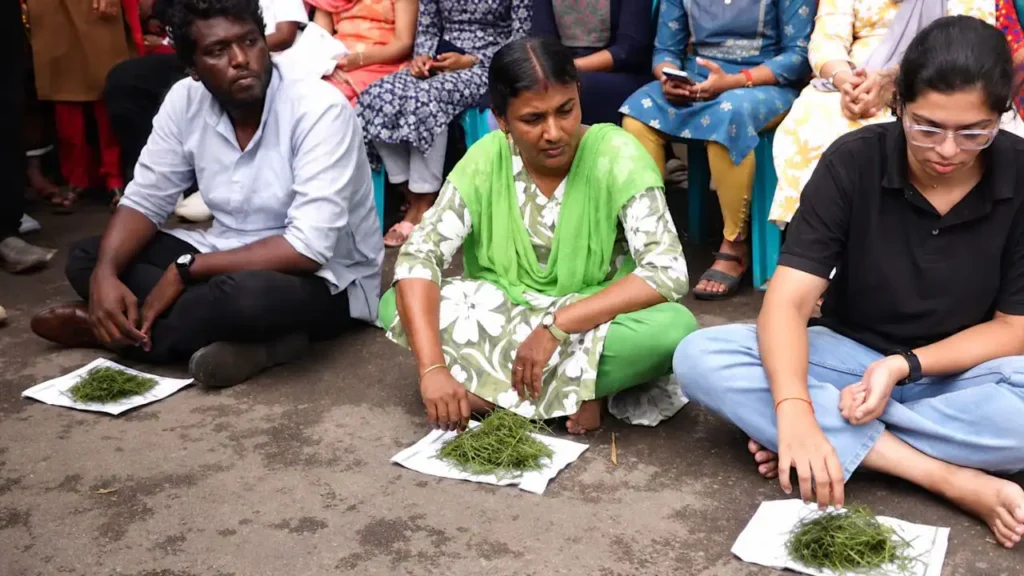
The appointment dispute involving Kerala’s Lower Primary School Teacher (LPST) rank holders has intensified, with candidates staging a symbolic protest outside the Kerala Secretariat after more than a month of agitation over delayed appointment orders.
The latest demonstration came as the protest crossed 34 days, with rank holders demanding that the government address their concerns and initiate appointments from the Kerala Public Service Commission (PSC) rank list. The candidates say they cleared the recruitment process and secured positions on the rank list but have continued to wait for appointment orders.
The prolonged agitation has now become a wider issue concerning government recruitment, vacancies in schools and the uncertainty faced by candidates who have qualified through a competitive selection process. Recent reports said the protesters had also been observing a hunger strike as part of the continuing agitation.
Table of Contents
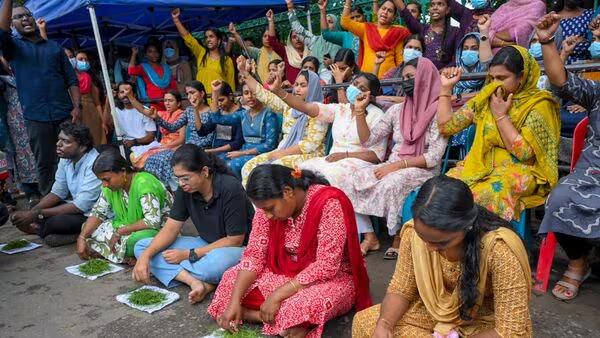
The symbolic protest outside the Secretariat was intended to draw attention to what the candidates describe as an unacceptable delay. It followed several earlier forms of protest by LPST rank holders, demonstrating how the issue has continued to escalate despite the passage of weeks.

Why Are Kerala LPST Rank Holders Protesting?
The immediate issue is the delay in issuing appointment orders to candidates included in the LPST rank list.
The Kerala Public Service Commission conducts recruitment examinations for various government posts, including teaching positions. Candidates who qualify are placed on rank lists, from which appointments can be made according to applicable recruitment rules, vacancies and other conditions.
The protesting LPST candidates argue that being included in the rank list has left them waiting for appointments while they remain uncertain about their employment prospects.
According to reports, the current LP school teacher rank list came into effect on May 31, 2025. Protesters have argued that appointments have not progressed at the pace they expected and have raised concerns about candidates placed high on the list still waiting for appointment orders. Earlier reporting from Kerala also highlighted the situation of candidates who had secured top positions in districts but had not received appointments.
The dispute is therefore not simply about examination results. It concerns what happens after candidates successfully complete the recruitment process and enter the rank list.
34 Days of Protest Reflect Growing Frustration
The latest demonstration marks another stage in a prolonged campaign.
Recent reports said the agitation outside the Secretariat had crossed 34 days. During this period, the candidates have used different forms of protest to draw attention to their demand for appointments.
The protesters’ actions have included symbolic demonstrations designed to communicate their frustration with the continued uncertainty surrounding their careers. The latest grass-related protest was similarly symbolic, with candidates attempting to convey the seriousness of their situation rather than simply making a conventional demand through placards or speeches.
The prolonged nature of the agitation is significant because government recruitment disputes can directly affect candidates who have spent years preparing for competitive examinations.
For many PSC aspirants, qualifying for a rank list represents the culmination of extensive preparation. Once on the list, candidates may expect opportunities to arise as vacancies are reported and appointments are processed. When that process takes longer than anticipated, however, candidates can face considerable uncertainty about their future.
Hunger Strike Adds Pressure to the Campaign
The appointment dispute has also involved hunger-strike protests.
Reports from July indicated that candidates had been conducting a day-and-night agitation outside the Secretariat, with women candidates also participating in an indefinite hunger strike. The protesters have argued that they are being forced to intensify their campaign because they have not received a satisfactory response to their demands.
The reported hunger strike has added another dimension to the dispute and increased public attention on the recruitment issue.
However, the central question remains whether the government will provide a clear explanation of the appointment process and the timeline for filling eligible vacancies.
Earlier Protests Show the Dispute Has Been Building for Months
The current 34-day agitation did not emerge suddenly.
LP school teacher candidates had already staged demonstrations earlier in 2026 over the delay in appointments. In March, candidates in Alappuzha protested after the district’s top-ranked candidate reportedly remained without an appointment even nine months after the rank list was published.
Another demonstration saw candidates using an unusual symbolic method to highlight their grievances. They protested by crawling on their knees outside the Secretariat while demanding action on LP school teacher appointments.
These earlier protests indicate that dissatisfaction had been developing well before the latest 34-day campaign.
The continuing demonstrations also suggest that the dispute involves broader questions about how vacancies are identified, reported and filled through the recruitment system.
What Are the Protesters Demanding?
The LPST rank holders’ demands extend beyond simply asking for individual appointment orders.
One major demand is that appointments be made from the existing rank list wherever eligible vacancies are available.
The protesters have also demanded an extension of the validity of the current rank list. This is important because PSC rank lists operate for a defined period, and candidates whose names remain on a list can face uncertainty if the list expires before sufficient appointments are made.
Another demand reported earlier is the transfer of recruitment for vacancies in aided schools to the Kerala Public Service Commission. The candidates have argued that such a move could create additional opportunities for qualified aspirants.
The protesters have also raised concerns about vacancies and teacher-student ratios in schools. Earlier demonstrations included demands related to schools affected by division-fall situations and the implementation of appropriate teacher-student ratios.
Together, these demands show that the agitation is focused on both immediate appointments and broader recruitment policies.
Why the Rank List Matters to Candidates
A PSC rank list is a crucial stage in Kerala’s government recruitment process.
Candidates invest significant time and effort preparing for competitive examinations. A place on the rank list indicates that the candidate has successfully cleared the relevant selection stages and is considered within the pool from which appointments may be made, subject to applicable rules and vacancies.
However, inclusion in a rank list does not necessarily mean that every listed candidate receives an immediate appointment. Appointments depend on factors such as vacancies, advice from the PSC, reservation and recruitment rules, and the requirements of the concerned department.
This distinction is important when examining the current dispute.
The protesters are demanding faster action and greater utilisation of available opportunities, while the authorities’ recruitment process must operate within the relevant administrative and legal framework.
The key issue, therefore, is the gap between being ranked and actually receiving an appointment.
Concerns Over Vacant Teaching Posts
The protesters have repeatedly raised the issue of vacancies.
In July, the Kerala Yuva Morcha expressed solidarity with the protesting LP school teacher rank holders and alleged that posts were being left vacant while appointment orders were being withheld. The organisation called for government intervention and immediate appointments.
These claims have contributed to the political dimension of the dispute.
If vacancies remain unfilled while qualified candidates wait on a rank list, questions can naturally arise about the efficiency and timing of the recruitment process. At the same time, determining whether a particular vacancy can legally and administratively be filled requires consideration of recruitment rules and the nature of the post.
The protesters are seeking clarity on these issues and want the government to explain why appointments have not progressed according to their expectations.
Political Attention Grows Around the Protest
The appointment dispute has also attracted political attention.
The Kerala Yuva Morcha, the youth wing associated with the BJP, publicly backed the protesting rank holders in July. Its representatives visited the candidates and called for immediate government intervention.
The political support has added pressure on the government, although the fundamental issue remains an administrative and recruitment dispute involving the PSC rank list and teaching appointments.
For the protesting candidates, political backing can help increase visibility, but their primary demand remains focused on employment and a clear recruitment timeline.
Why the Appointment Delay Is Significant for Aspirants
Government teaching jobs are highly sought after in Kerala, making delays in appointments particularly significant for candidates who have qualified through competitive examinations.
Many aspirants prepare for PSC examinations over long periods while managing financial and personal responsibilities. Once they secure a place on a rank list, continued uncertainty can affect decisions about other employment opportunities, further studies and career planning.
The longer a recruitment process remains unresolved, the greater the uncertainty for candidates whose names appear on the list.
The current LPST agitation therefore reflects a broader concern frequently seen in competitive recruitment: the difference between successfully qualifying for a government post and actually receiving an appointment.
Kerala LPST Appointment Dispute: Government Response Remains Key
The next stage of the dispute will depend heavily on the government’s response to the protesters’ demands.
Candidates are seeking a clear position on appointments, vacancies and the future of the rank list. A formal explanation could help clarify the reasons behind the delay and establish what candidates can realistically expect.
If the government announces a concrete appointment schedule or takes steps to address vacancies, the agitation could potentially lose momentum.
If no significant action follows, however, the rank holders may continue their campaign and intensify their demonstrations.
At present, the reported protest movement demonstrates that the issue has not been resolved despite more than a month of continuous agitation.
Kerala LPST Protest: What Happens Next?
The immediate focus is on whether discussions between the government and representatives of the protesting LPST rank holders can produce a solution.
The candidates want appointments to move forward and have called for measures that would protect their opportunities before the existing rank list expires.
The government, meanwhile, would need to assess the available vacancies, applicable recruitment rules and administrative requirements before making appointments.
The Kerala PSC recruitment framework is designed to balance merit-based selection with statutory procedures, reservation requirements and departmental needs. Any solution to the current dispute will therefore need to address both the candidates’ demands and the rules governing appointments.
Kerala LPST Protest Highlights a Larger Recruitment Challenge
The 34-day LPST agitation has developed into more than a dispute over individual appointment orders. It has become a visible example of the uncertainty that can confront candidates after they successfully clear a competitive government recruitment process.
The latest symbolic protest outside the Kerala Secretariat reflects the depth of frustration among rank holders who say they have waited long enough for clarity.
Earlier demonstrations, including protests in Alappuzha and outside the Secretariat, show that the concerns have been building for months. The rank holders have repeatedly called for appointments, protection of the rank list and action on vacancies.
For now, the central question remains whether the authorities will provide a concrete roadmap for appointments.
As the agitation continues, the LPST rank holders are seeking not merely recognition of their grievances but a clear answer about their professional future. Their campaign has placed the spotlight on Kerala’s government recruitment system and the importance of ensuring that qualified candidates are not left in prolonged uncertainty after completing a demanding selection process.
The coming days could therefore prove important for both the protesters and the state’s recruitment administration. A transparent explanation, clear vacancy position and a defined appointment process could go a long way towards resolving the dispute that has now continued for more than a month.