

Why Iodine Is Important for Overall Health
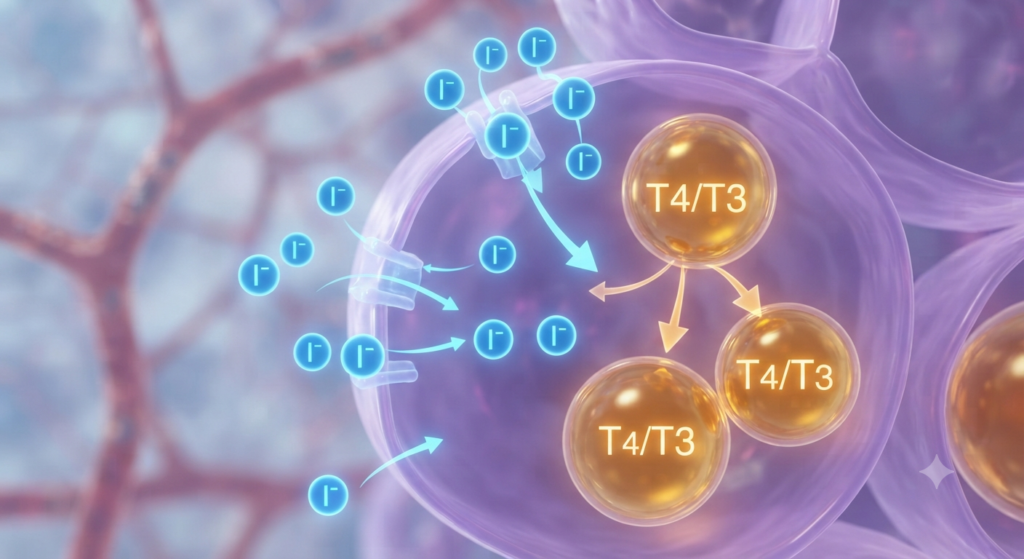
Iodine is a vital mineral required by the human body to function properly. Although needed only in small amounts, this essential nutrient plays a major role in maintaining thyroid health, regulating metabolism, supporting brain development and ensuring normal growth. The body uses iodine to produce thyroid hormones — thyroxine (T4) and triiodothyronine (T3) — which control several important functions, including energy production, body temperature regulation and development.
However, when the body does not receive enough iodine, it can lead to iodine deficiency disorders (IDDs). These disorders can affect people of all ages but are especially dangerous for pregnant women, infants and growing children because iodine plays a crucial role in brain and nervous system development.
Table of Contents
Despite improvements through iodized salt programmes worldwide, iodine deficiency remains a significant public health concern in some regions due to dietary changes, limited intake of iodine-rich foods and lack of awareness.

What Is Iodine Deficiency?
Iodine deficiency occurs when the body does not get enough iodine through food or other sources to produce adequate thyroid hormones.
The thyroid gland, located in the neck, depends on iodine to create hormones that influence almost every organ system. When iodine intake decreases, the thyroid may struggle to produce enough hormones, leading to a condition called hypothyroidism.
To compensate, the thyroid gland may become enlarged, resulting in a visible swelling in the neck known as goitre. Goitre is often considered one of the earliest signs of iodine deficiency.
How Does Iodine Deficiency Affect the Body?
1. Impact on Thyroid Function
The thyroid gland requires iodine to produce hormones that regulate metabolism and energy levels. When iodine levels are low, thyroid hormone production decreases.
This can slow down several body processes and may result in:
- Constant tiredness
- Low energy levels
- Feeling unusually cold
- Weight changes
- Slower metabolism
- Difficulty concentrating
Low thyroid hormone levels can affect both physical and mental performance because these hormones influence how the body uses energy.
2. Development of Goitre (Enlarged Thyroid)
One of the most recognised effects of iodine deficiency is goitre, where the thyroid gland enlarges.
When iodine supply is insufficient, the brain signals the thyroid to work harder by increasing thyroid-stimulating hormone (TSH) activity. Over time, this extra effort can cause the thyroid gland to grow larger.
A goitre may appear as swelling in the neck and, in severe cases, can create difficulties with swallowing or breathing.
3. Serious Effects During Pregnancy
Iodine deficiency is particularly dangerous during pregnancy because the developing baby depends heavily on the mother’s thyroid hormones, especially during early stages of development.
Adequate iodine is necessary for:
- Brain development of the fetus
- Formation of the nervous system
- Normal growth and development
Severe iodine deficiency during pregnancy can increase the risk of pregnancy complications and may affect the baby’s physical and mental development.
Pregnant women require more iodine than non-pregnant adults because their bodies need to support increased thyroid hormone production and the needs of the growing fetus.
4. Effects on Children’s Brain Development
Children are among the most vulnerable groups affected by iodine deficiency.
Iodine is essential for proper brain development, especially during pregnancy, infancy and early childhood. A lack of iodine can interfere with cognitive development and learning abilities.
Possible effects include:
- Reduced learning capacity
- Problems with concentration
- Delayed development
- Lower intellectual performance
The World Health Organization (WHO) identifies iodine deficiency as an important cause of preventable developmental problems worldwide.
5. Reduced Energy and Metabolism Problems
Thyroid hormones produced with the help of iodine regulate metabolism — the process through which the body converts food into energy.
When iodine levels are insufficient, reduced thyroid hormone production can slow metabolism and affect daily activities.
People may experience:
- Weakness
- Fatigue
- Reduced stamina
- Difficulty maintaining normal body functions
These symptoms are often mistaken for general tiredness, but persistent problems may require medical evaluation.
Common Symptoms of Iodine Deficiency
Symptoms of iodine deficiency can vary depending on the severity of the condition.
Common signs include:
Neck Swelling
An enlarged thyroid gland may cause visible swelling around the neck.
Fatigue and Weakness
Low thyroid hormone levels can reduce energy production and cause constant tiredness.
Weight Changes
A slower metabolism caused by thyroid problems may contribute to unexpected weight gain.
Dry Skin and Hair Problems
Reduced thyroid activity can affect skin health and hair growth.
Difficulty Concentrating
Low thyroid hormone levels may affect memory, focus and mental clarity.
Major Causes of Iodine Deficiency
Several factors can contribute to low iodine levels in the body.
Lack of Iodine-Rich Foods
People who consume fewer iodine-containing foods may be at greater risk.
Important iodine sources include:
- Seafood
- Fish
- Dairy products
- Eggs
- Iodized salt
Low Iodine Content in Soil
In some geographical areas, especially mountainous regions, soil may contain low iodine levels. Crops grown in such areas may also have lower iodine content, increasing the risk of deficiency among local populations.
Reduced Use of Iodized Salt
Iodized salt has played an important role in reducing iodine deficiency worldwide. However, replacing iodized salt with non-iodized alternatives without ensuring other iodine sources may increase deficiency risk.
Foods That Can Help Maintain Iodine Levels
A balanced diet can help provide sufficient iodine.
Iodized Salt
Iodized salt remains one of the easiest and most accessible sources of iodine.
Seafood
Fish, shrimp and other seafood naturally contain iodine.
Dairy Products
Milk, yoghurt and cheese can contribute to daily iodine intake.
Eggs
Eggs contain iodine and can support dietary requirements.
How Much Iodine Does the Body Need?
The required iodine intake depends on age and life stage.
According to nutritional recommendations:
- Adults generally need around 150 micrograms of iodine per day
- Pregnant women require higher amounts
- Breastfeeding women also need increased iodine intake
The requirement increases during pregnancy because iodine supports both maternal thyroid function and fetal development.
Can Too Much Iodine Be Harmful?
While iodine deficiency is dangerous, excessive iodine intake can also negatively affect thyroid function.
Very high iodine consumption may contribute to thyroid problems in some individuals, including thyroid inflammation or abnormal thyroid activity.
Therefore, iodine supplements should not be taken unnecessarily without medical advice.

Prevention and Awareness
Preventing iodine deficiency mainly depends on maintaining a balanced diet and ensuring adequate iodine intake.
Important preventive steps include:
- Using properly iodized salt
- Eating iodine-rich foods
- Maintaining a balanced diet
- Regular health check-ups when symptoms appear
- Special attention to iodine needs during pregnancy
Public awareness and nutrition programmes continue to play an important role in reducing iodine deficiency worldwide.
A Small Nutrient With a Big Role
Iodine may be required in small quantities, but its impact on human health is enormous. From supporting thyroid function and metabolism to protecting brain development during pregnancy and childhood, iodine plays a critical role throughout life.
A deficiency can lead to serious health problems, including thyroid disorders, developmental difficulties and complications during pregnancy. However, iodine deficiency is largely preventable through proper nutrition, awareness and access to iodine-rich foods.
Maintaining adequate iodine intake through a balanced diet and appropriate use of iodized salt can help protect thyroid health and support overall well-being.