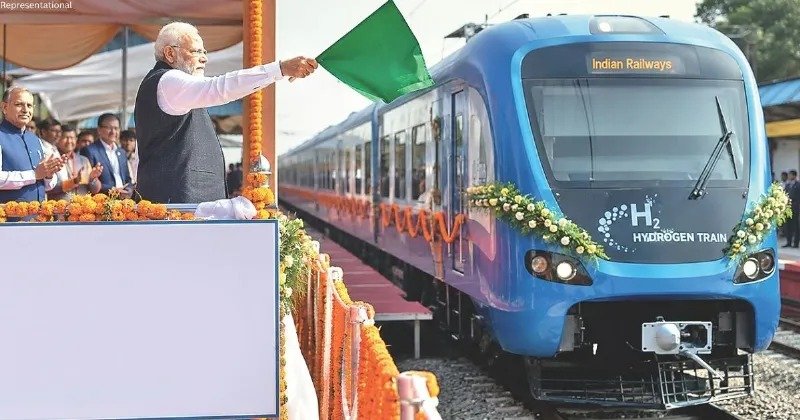
Hydrogen Train technology is set to mark a new chapter in India’s railway history as Indian Railways prepares to introduce the country’s first hydrogen fuel cell-powered passenger train on the Jind-Sonipat section of Northern Railway. The ambitious project reflects India’s growing commitment to clean energy, sustainable transportation, and technological innovation while reducing dependence on fossil fuels.
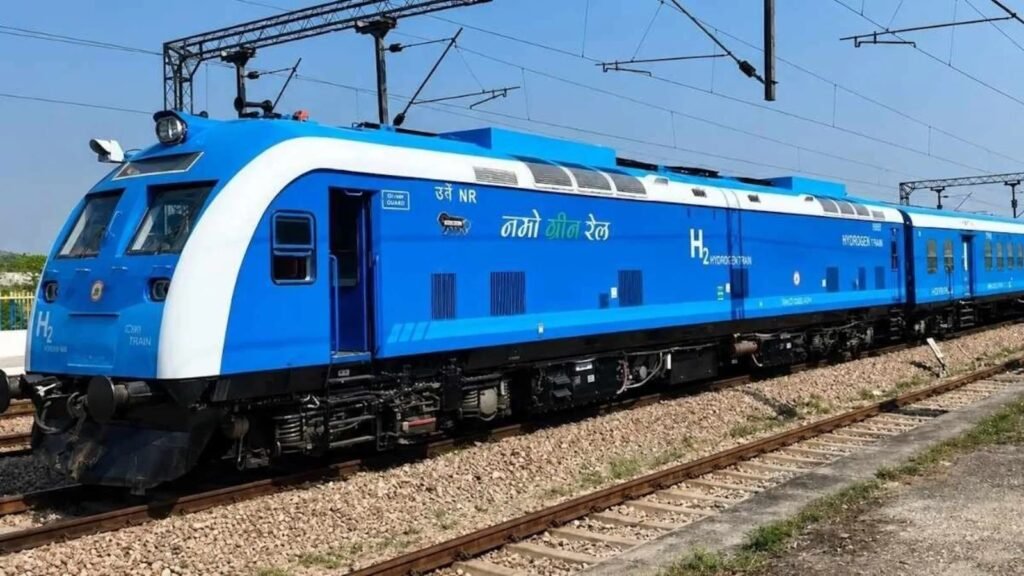
The newly approved 10-car Hydrogen Train will operate using a powerful 1,200 KW hydrogen fuel cell propulsion system and is designed to achieve a maximum speed of 75 kmph. Unlike conventional diesel-powered trains, this advanced rail system produces electricity through hydrogen fuel cells, with water vapour being the only by-product. This makes the project one of the most significant green transportation initiatives undertaken by Indian Railways in recent years.
The introduction of the Hydrogen Train also places India among a small group of countries—including Germany, Japan, China, and the United States—that are actively developing hydrogen-powered railway technology to reduce carbon emissions and promote environmentally friendly mobility.
Table of Contents
A Major Leap Towards Sustainable Rail Transport
Indian Railways has been steadily moving towards cleaner modes of transportation through large-scale electrification, renewable energy projects, and energy-efficient infrastructure. The approval of the Hydrogen Train represents the next major milestone in this transformation.
Hydrogen fuel is increasingly being viewed as one of the cleanest alternatives to conventional fuels because it generates electricity without releasing harmful greenhouse gases. Instead of burning fuel like diesel engines, hydrogen fuel cells combine hydrogen with oxygen from the atmosphere to produce electrical energy.
The only emission generated during this process is water vapour, making Hydrogen Train technology virtually pollution-free during operation.
With the transport sector contributing significantly to carbon emissions worldwide, governments across the globe are investing heavily in hydrogen-based mobility solutions. Indian Railways’ latest initiative aligns closely with India’s commitment to achieving Net Zero carbon emissions while strengthening the country’s clean energy ecosystem.
Why Hydrogen Is Becoming the Fuel of the Future
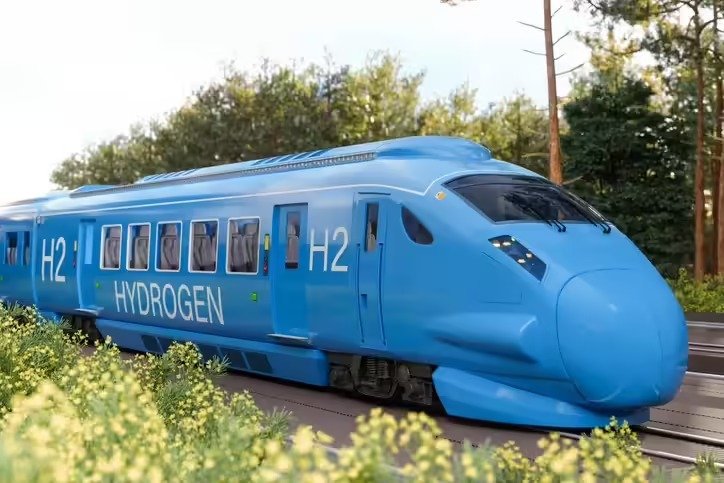
Hydrogen has emerged as one of the world’s most promising clean fuels because of its versatility and environmental benefits.
Unlike petrol or diesel, hydrogen does not emit carbon dioxide when used in fuel cells. This makes it particularly attractive for sectors such as railways, shipping, aviation, and heavy industries where battery-powered alternatives may not always be practical.
Hydrogen fuel cells convert chemical energy directly into electricity through an electrochemical process. Since there is no combustion involved, energy losses are lower and emissions are almost negligible.
For railway systems operating on non-electrified routes, Hydrogen Train technology offers an efficient alternative without requiring expensive overhead electrification infrastructure.
As countries continue searching for sustainable transport solutions, hydrogen-powered railways are gradually becoming an important part of future mobility strategies.
Jind-Sonipat Selected as Pilot Route
The Jind-Sonipat section of Northern Railway in Haryana has been chosen as the pilot corridor for India’s first Hydrogen Train operations.
The route has been carefully selected to evaluate operational efficiency, safety standards, maintenance requirements, and long-term commercial viability before similar technology is introduced elsewhere.
To support daily operations, Indian Railways has already established an indigenous hydrogen storage and refuelling facility at Jind.
The Petroleum and Explosives Safety Organisation (PESO) has granted the necessary licence for storing and dispensing compressed hydrogen gas, confirming that the facility complies with required safety regulations.
Developing dedicated refuelling infrastructure represents one of the most important aspects of Hydrogen Train operations because hydrogen requires specialised storage, handling, and transportation systems.
Advanced Refuelling Infrastructure Ready
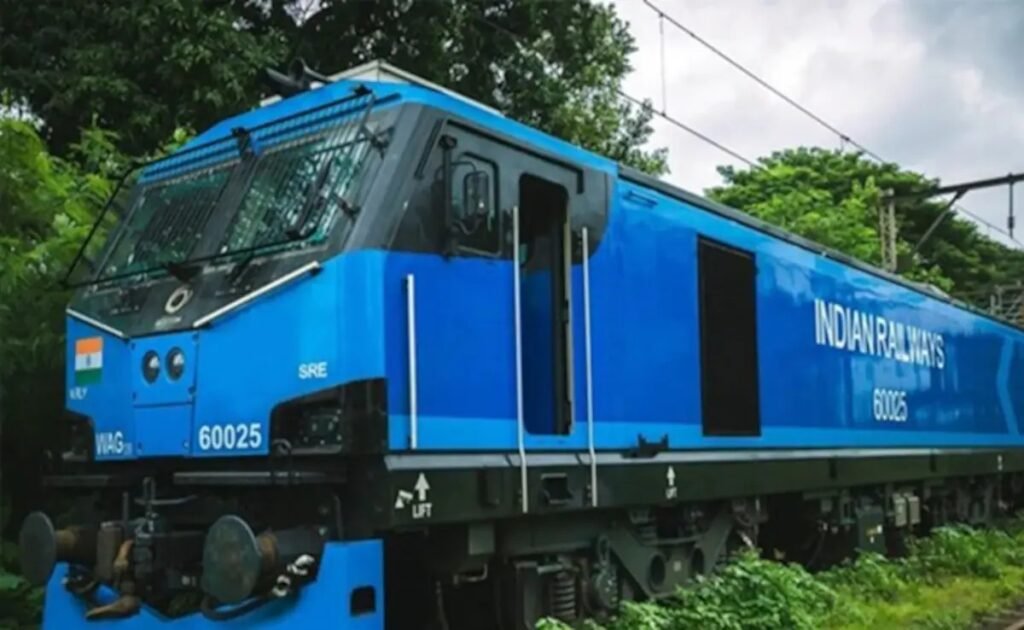
Indian Railways has equipped the Jind facility with a modern hydrogen compression system that enables efficient refuelling of the Hydrogen Train.
The infrastructure has been designed to ensure reliable, safe, and uninterrupted operation while maintaining international safety standards.
Along with the primary compression system, authorities are also providing a standby compressor to minimise operational disruptions in case of equipment failure.
Critical spare components and technical support systems have also been arranged to maintain high operational reliability.
This comprehensive approach demonstrates Indian Railways’ focus on ensuring that hydrogen technology functions smoothly from the very beginning.
Safety Takes Centre Stage
Hydrogen is a highly efficient fuel, but because of its unique physical properties, strict safety standards are essential.
Recognising this, Indian Railways has incorporated multiple layers of safety into the Hydrogen Train project.
The hydrogen production, storage, and dispensing facilities have been equipped with advanced hydrogen leak detectors, flame detection systems, and various monitoring sensors capable of identifying potential risks at an early stage.
These sensors will undergo regular inspection and cleaning to prevent dust accumulation that could interfere with their functioning.
Continuous monitoring will allow technical teams to identify abnormalities immediately and respond before they develop into larger safety concerns.
Comprehensive Operational Protocols
Safety extends far beyond equipment installation.
Indian Railways has approved detailed operation and maintenance manuals for both the Hydrogen Train and the hydrogen production facility.
These manuals have received approval from the Research Designs and Standards Organisation (RDSO), ensuring that operational procedures follow nationally accepted engineering standards.
The project also mandates comprehensive Standard Operating Procedures (SOPs) covering every stage of train operation, refuelling, maintenance, emergency response, and inspection.
Maintenance activities for the Hydrogen Train will be carried out at the dedicated facility at Shakurbasti, where necessary safety infrastructure and inspection protocols are being established.
Regular safety audits will further strengthen operational reliability.
Skilled Workforce Will Drive Operations
One of the key strengths of the Hydrogen Train project is its emphasis on trained manpower.
Operating hydrogen-powered railway systems requires specialised technical knowledge different from conventional diesel or electric locomotives.
Indian Railways has therefore planned to deploy trained and certified personnel for all critical operations involving hydrogen storage, refuelling, maintenance, and system monitoring.
During the initial operational phase, experienced technical staff will travel on board the Hydrogen Train to provide immediate assistance if required and closely monitor system performance under real operating conditions.
This phased approach allows engineers to gather valuable operational data while ensuring passenger safety.
India Joins a Select Global Club
Although hydrogen-powered railways have attracted growing international interest, the technology remains at an early stage of development worldwide.
Only a limited number of countries have successfully introduced or tested Hydrogen Train systems.
Germany became one of the first countries to commercially operate hydrogen passenger trains, replacing diesel services on selected regional routes.
Japan has conducted extensive trials using hydrogen-powered railway technology as part of its broader clean energy strategy.
China continues to expand research into hydrogen mobility across rail and urban transport sectors, while the United States is exploring hydrogen applications for freight and passenger transportation.
By launching its own Hydrogen Train, India joins this select group of technologically advanced nations investing in zero-emission railway systems.
Supporting India’s Clean Energy Mission
The Hydrogen Train project complements several national initiatives promoting clean energy and sustainable infrastructure.
India has already announced ambitious targets for renewable energy generation, green hydrogen production, electric mobility, and carbon emission reduction.
The National Green Hydrogen Mission aims to position India as a major global producer and exporter of green hydrogen while encouraging domestic applications across multiple industries.
Railways represent one of the country’s largest transportation networks, making the adoption of hydrogen technology particularly significant.
Successful implementation could reduce diesel consumption on selected routes while encouraging wider adoption of hydrogen across other transport sectors.
Environmental Benefits Beyond Carbon Reduction
The environmental advantages of the Hydrogen Train extend beyond lowering carbon emissions.
Traditional diesel locomotives generate particulate matter, nitrogen oxides, sulphur compounds, and noise pollution.
Hydrogen fuel cells eliminate most of these emissions while operating much more quietly than diesel engines.
Reduced air pollution benefits both passengers and communities living alongside railway tracks.
Cleaner railway operations also contribute towards improving public health and reducing the environmental impact of transportation.
As India continues expanding its railway network, cleaner propulsion technologies will play an increasingly important role in balancing infrastructure growth with environmental sustainability.
A Foundation for Future Innovation
The approval of India’s first Hydrogen Train demonstrates Indian Railways’ broader strategy of embracing technological innovation to modernise one of the world’s largest rail networks.
Alongside electrification, digital signalling systems, indigenous train protection technologies such as Kavach, station redevelopment, and renewable energy integration, hydrogen-powered trains represent another major step towards building a future-ready railway system.
The experience gained from the Jind-Sonipat pilot project is expected to guide future policy decisions regarding the wider adoption of Hydrogen Train technology across suitable railway routes.
If the pilot proves technically and commercially successful, similar hydrogen-powered services could eventually be introduced on additional non-electrified sections, supporting India’s long-term vision of cleaner, safer, and more sustainable rail transportation.