
India is set to celebrate its 80th Independence Day on August 15, 2026, commemorating eight decades of freedom from British colonial rule while looking ahead to an ambitious future built on innovation, sustainability, self-reliance and inclusive development. This year’s celebrations are expected to be among the most significant in recent years, combining the nation’s rich historical legacy with a forward-looking vision of Viksit Bharat 2047, the government’s long-term roadmap to transform India into a developed nation by the centenary of its independence.
The theme for Independence Day 2026 focuses on “Developed India”, highlighting India’s rapid progress in indigenous technologies, green transition, artificial intelligence, semiconductor manufacturing, defence self-reliance and youth-led innovation. Alongside the traditional ceremonies at the Red Fort, the celebrations will feature digital initiatives, cultural programmes, public participation campaigns and discussions involving young innovators from across the country.
Adding to the significance of this year’s celebrations, August 15, 2026, also coincides with Navroz, the Parsi New Year, creating a unique blend of national and cultural festivities, particularly across Maharashtra and Gujarat, where the Parsi community has a strong presence.
Table of Contents
India Celebrates 80 Years of Independence
The 80th Independence Day marks a historic milestone in India’s journey as an independent democratic republic. Since gaining freedom in 1947, the country has transformed into one of the world’s largest democracies, fastest-growing economies and an emerging global leader in technology, innovation, space exploration, digital infrastructure and manufacturing.
This year’s celebrations are expected to showcase not only India’s achievements over the past eight decades but also its aspirations for the future through initiatives centred on economic growth, technological leadership and sustainable development.
The national celebrations will once again be led from the Red Fort in New Delhi, where the Prime Minister will hoist the National Flag, receive a ceremonial Guard of Honour and address the nation.
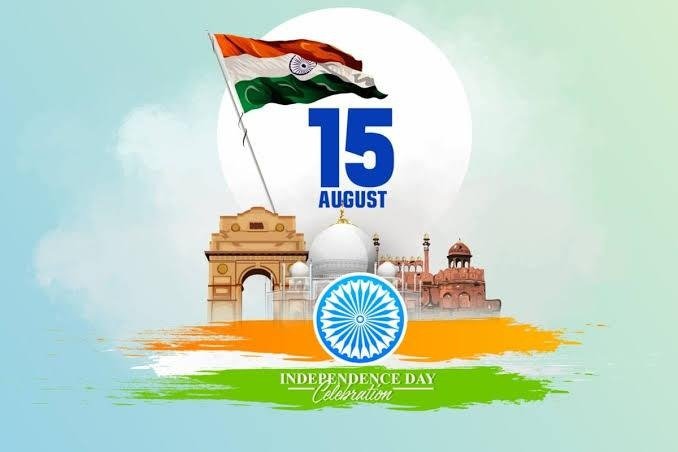
Theme of Independence Day 2026: A Developed India
The central theme of Independence Day 2026 revolves around the vision of building a Developed India (Viksit Bharat) by 2047.
The celebrations will highlight several flagship national initiatives that reflect India’s efforts to strengthen self-reliance and technological advancement.
Among the key focus areas are:
Indigenous Technologies
India’s growing emphasis on technological self-reliance will feature prominently during this year’s celebrations.
Key initiatives include:
- Expansion of 6G technology trials.
- Progress under the India Semiconductor Mission.
- Advancements in Artificial Intelligence (AI).
- Strengthening digital public infrastructure.
- Promotion of indigenous innovation.
These initiatives represent India’s objective of becoming a global technology leader while reducing dependence on imported technologies.
Green Transition Takes Centre Stage
Environmental sustainability forms another major pillar of this year’s Independence Day theme.
The celebrations will highlight India’s commitment towards climate action through programmes such as:
- Mission LiFE (Lifestyle for Environment).
- National Green Hydrogen Mission.
- Expansion of solar-powered villages.
- Renewable energy initiatives.
- Sustainable development practices.
The government’s focus on clean energy reflects India’s long-term commitment to balancing economic growth with environmental responsibility.
Atmanirbhar Defence on Display
A major highlight of the 2026 Independence Day celebrations will be the emphasis on Atmanirbhar Bharat in the defence sector.
For the first time, officials have indicated that all equipment used during the Red Fort ceremony will be indigenously manufactured in India.
This symbolic step underscores the country’s progress in domestic defence production and its broader objective of reducing dependence on foreign defence imports.
India has witnessed significant expansion in indigenous manufacturing of military equipment, defence technologies and strategic systems in recent years, making self-reliance an important component of national security policy.
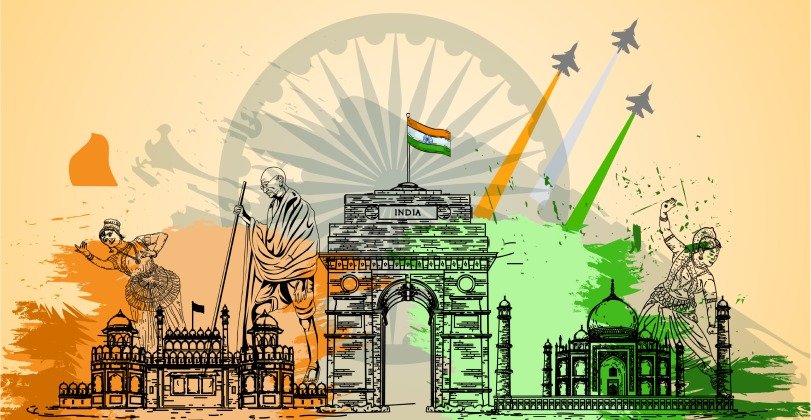
AI-Powered Translation Through BHASHINI
One of the most innovative features of Independence Day 2026 will be the use of Digital India BHASHINI, the government’s AI-powered language translation platform.
During the Prime Minister’s address from the Red Fort, BHASHINI will provide real-time translation into more than 22 Indian languages, enabling citizens across diverse linguistic backgrounds to understand the speech simultaneously in their respective mother tongues.
This initiative reflects India’s growing integration of artificial intelligence into public services while promoting linguistic inclusion and digital accessibility.
Officials believe the technology will help bring the message of Viksit Bharat 2047 closer to millions of Indians in their preferred languages.
Young Leaders Dialogue to Showcase India’s Future
As part of the Independence Week celebrations, the government has scheduled the Young Leaders Dialogue 2026, placing young Indians at the centre of national discussions.
The event will feature:
- Gen-Z innovators.
- Student leaders.
- Startup founders.
- Young entrepreneurs.
- Policy contributors.
Participants will present innovative solutions related to:
- Agriculture.
- Health and fitness.
- Entrepreneurship.
- Technology.
- Start-up ecosystems.
- Sustainable development.
The dialogue aims to encourage direct interaction between young innovators and national leadership while reinforcing the idea that India’s future will be shaped by its youth.
How India Became Independent
India achieved independence on 15 August 1947, ending nearly 200 years of British colonial rule.
The country’s freedom was the result of one of history’s largest and longest non-violent freedom movements.
Millions of Indians participated in the struggle under the leadership of Mahatma Gandhi, whose philosophy of truth and non-violence inspired people across the nation.
Other prominent leaders, including Jawaharlal Nehru, Sardar Vallabhbhai Patel, Subhas Chandra Bose, Dr. B.R. Ambedkar, Bhagat Singh, Bal Gangadhar Tilak, Lala Lajpat Rai, Chandrasekhar Azad, Sarojini Naidu, and countless freedom fighters, also played vital roles in India’s march towards independence.
The Indian Independence Act, 1947
Following prolonged political negotiations and increasing communal tensions, the British Government accepted the Mountbatten Plan for partition.
The British Parliament subsequently enacted the Indian Independence Act, 1947, which created two independent dominions:
- India.
- Pakistan.
The formal transfer of power took place at the stroke of midnight between August 14 and August 15, 1947, making India an independent sovereign nation.
India’s first Prime Minister, Jawaharlal Nehru, delivered his historic “Tryst with Destiny” speech, marking the birth of modern India.
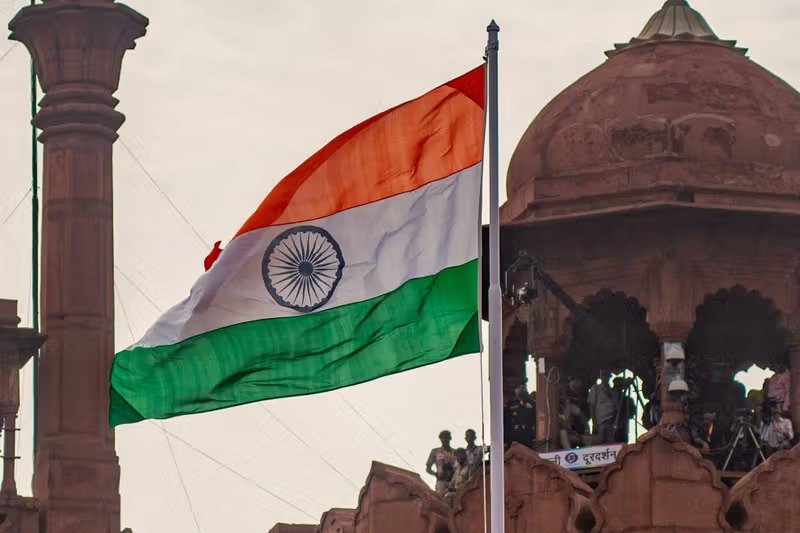
Traditional Independence Day Celebrations
Every year, Independence Day is celebrated with patriotic enthusiasm across the country.
The principal national ceremony takes place at the Red Fort in New Delhi.
Flag Hoisting Ceremony
The Prime Minister unfurls the National Flag, followed by the National Anthem and a ceremonial Guard of Honour presented by the armed forces.
The tricolour serves as a symbol of India’s unity, sovereignty and democratic values.
Prime Minister’s Address
The Prime Minister addresses the nation, highlighting:
- Achievements during the past year.
- Government initiatives.
- National priorities.
- Development agenda.
- Future vision.
The speech traditionally outlines the country’s progress while presenting goals for the years ahead.
Cultural Programmes
Students, artists, musicians and cultural groups perform patriotic songs, dances and dramatic presentations celebrating India’s rich cultural diversity.
These performances showcase traditions from different states while reinforcing the message of national unity.
Tributes to Freedom Fighters
Across the country, leaders, institutions and citizens pay homage to the countless freedom fighters whose sacrifices made India’s independence possible.
Floral tributes, memorial ceremonies and special educational programmes are organised at various historical sites.
Public Participation
Citizens participate through:
- Flag-hoisting ceremonies.
- School functions.
- Essay competitions.
- Quiz contests.
- Patriotic rallies.
- Social media campaigns.
- Community programmes.
Government initiatives such as MyGov and My Bharat encourage public engagement through digital competitions, photography contests and youth participation activities.
Decorations Across the Nation
Government buildings, monuments, educational institutions and public spaces are decorated with the Indian Tricolour during Independence Day celebrations.
Homes, markets, offices and residential colonies also organise local flag-hoisting ceremonies and patriotic cultural programmes.
The atmosphere across the country reflects national pride and remembrance of India’s freedom struggle.
Why Independence Day Remains Significant
Independence Day is not merely a national holiday—it is a reminder of India’s extraordinary journey from colonial rule to becoming one of the world’s leading democracies.
The day honours the sacrifices made by millions of freedom fighters while reaffirming the constitutional ideals of:
- Democracy.
- Equality.
- Justice.
- Liberty.
- Unity.
- Secularism.
- Self-governance.
It also provides an opportunity for citizens to reflect upon their responsibilities towards nation-building and social progress.
Independence Day and the Vision of Viksit Bharat 2047
The 2026 celebrations carry additional importance because they reinforce India’s long-term aspiration of becoming a developed nation by 2047, when the country completes 100 years of independence.
The government’s vision of Viksit Bharat 2047 focuses on economic growth, digital transformation, world-class infrastructure, innovation, sustainability, quality education, healthcare, employment generation and global leadership.
The initiatives showcased during Independence Day 2026—including AI-powered governance, indigenous technologies, green energy, defence manufacturing and youth participation—reflect the broader roadmap towards achieving these national goals.
As India celebrates 80 years of Independence, the occasion serves as both a tribute to the nation’s historic struggle for freedom and a celebration of its remarkable progress over the past eight decades. From the iconic flag hoisting at the Red Fort to nationwide cultural programmes, digital innovations, and youth-led initiatives, Independence Day 2026 reflects the spirit of a nation that honours its past while confidently embracing the future.
With a strong focus on Viksit Bharat 2047, indigenous technology, environmental sustainability, self-reliant defence, and inclusive growth, this year’s celebrations underscore India’s aspirations to emerge as a global leader in innovation and development. As citizens across the country come together under the Tricolour, the 80th Independence Day stands as a powerful reminder that the values of freedom, unity, democracy and service continue to guide the nation’s journey towards a brighter and more prosperous future.