
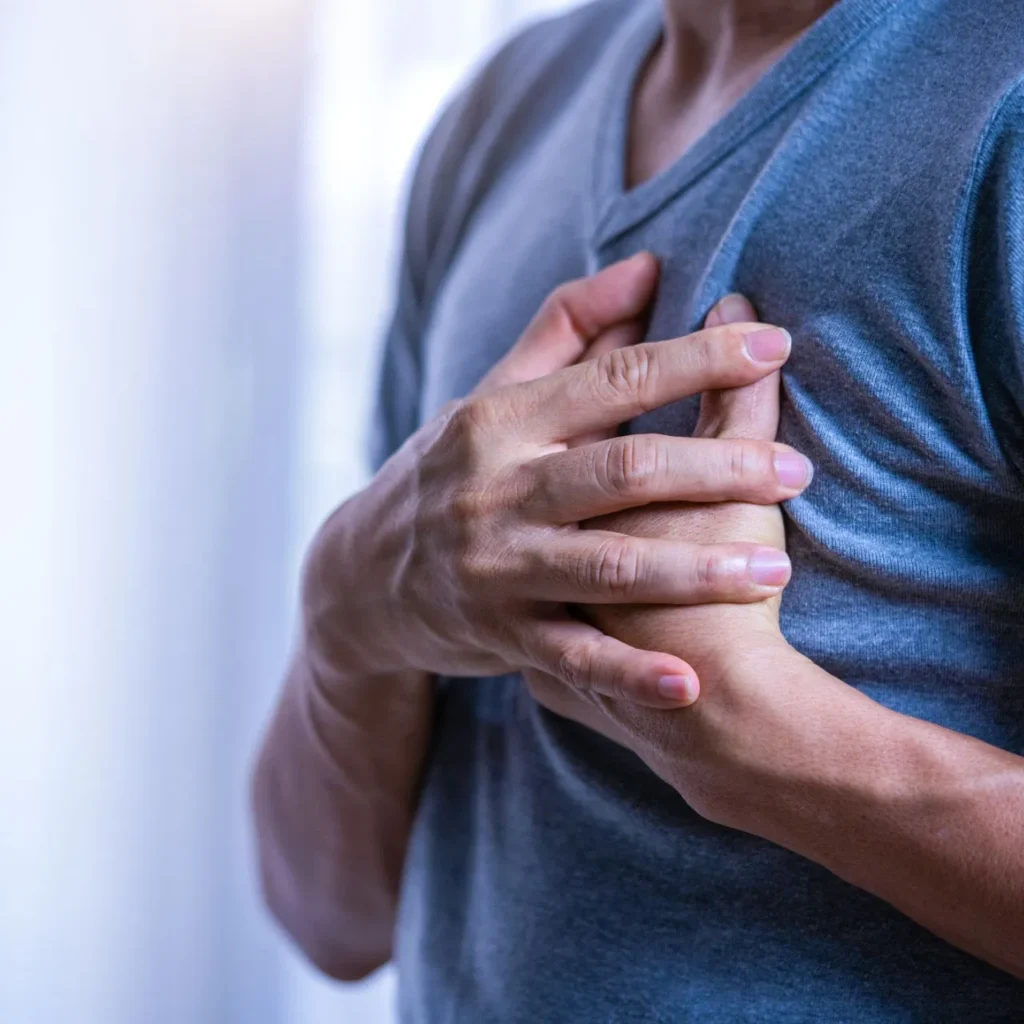
Heart attack is widely associated with sudden and severe chest pain, but medical experts caution that this is not always the case. A heart attack can occur without the classic symptom of chest pain, making it much more difficult to recognize in time. Such cases, often referred to as “silent” or “atypical” heart attacks, can be especially dangerous because people may mistake the symptoms for fatigue, indigestion, or other minor health issues, delaying life-saving treatment.
Doctors emphasize that awareness of these lesser-known warning signs is crucial, particularly among women, older adults, and people living with diabetes, who are more likely to experience heart attacks without the typical crushing chest pain.
Table of Contents
Heart Attack Does Not Always Begin With Chest Pain
Many people believe that severe chest pain is the first and most important sign of a heart attack. While chest discomfort remains one of the most common symptoms, cardiologists say that a heart attack can occur even when no chest pain is present.
According to Dr. Amar Singhal, Director of Cardiology at Shri Balaji Action Medical Institute, Delhi, a heart attack without chest pain is a real medical condition and can sometimes prove even more dangerous because patients often fail to recognize the warning signs.
Dr. Singhal explains that when symptoms are overlooked or mistaken for less serious health problems, valuable treatment time is lost. Since every minute matters during a heart attack, delayed medical attention can significantly increase the risk of permanent heart damage and life-threatening complications.
Certain Groups Are at Higher Risk
Medical experts say that atypical or silent heart attacks are more commonly seen in certain sections of the population.
These include:
- Women
- Elderly individuals
- People living with diabetes
In these groups, the symptoms may differ from the traditional image of a heart attack shown in movies or television. Instead of experiencing intense chest pain, patients may develop a combination of other symptoms that are often ignored.
Doctors stress that greater awareness among these high-risk groups can help improve early diagnosis and timely treatment.
Warning Signs That Should Never Be Ignored
According to Dr. Amar Singhal, several symptoms may indicate a heart attack even when chest pain is absent.
These warning signs include:
- Sudden shortness of breath
- Extreme or unusual fatigue
- Cold sweating
- Dizziness or lightheadedness
- Nausea or vomiting
- Restlessness or unexplained anxiety
- Pain, heaviness, or discomfort in the jaw
- Neck pain
- Upper back pain
- Pain or heaviness in the left arm
Experts warn that many people mistakenly assume these symptoms are caused by gas, weakness, stress, acidity, or simple exhaustion.
Unfortunately, ignoring these warning signs can delay emergency treatment and increase the severity of heart damage.
Why Silent Heart Attacks Are More Dangerous
One of the biggest dangers associated with silent heart attacks is delayed diagnosis.
Unlike a classic heart attack, where severe chest pain prompts people to seek immediate medical care, patients experiencing unusual symptoms may continue their normal activities or try home remedies instead of visiting a hospital.
Doctors explain that this delay allows the heart muscle to remain deprived of oxygen for a longer period, causing irreversible damage.
The longer treatment is delayed, the greater the risk of complications such as heart failure, irregular heartbeat, or even sudden cardiac death.
This is why cardiologists repeatedly stress that unusual symptoms should never be ignored simply because chest pain is absent.
Timely Treatment Can Save the Heart
According to experts, immediate medical attention remains the most important factor in improving survival during a heart attack.
Dr. Amar Singhal says that if any of the warning signs appear suddenly without an obvious cause and continue for several minutes, they should be treated as a medical emergency.
Patients should seek immediate medical assistance rather than waiting for symptoms to disappear on their own.
The earlier a patient reaches a hospital, the greater the chances of restoring blood flow to the heart and preventing permanent injury to the heart muscle.
Doctors emphasize that prompt treatment not only improves survival but also helps preserve the heart’s pumping ability.
Do Not Ignore Your Body’s Signals
Health experts advise people to pay close attention to unusual physical changes, especially when they occur suddenly.
Persistent fatigue without heavy physical activity, unexplained breathlessness, cold sweating, dizziness, or pain radiating to the jaw or left arm should never be dismissed as ordinary tiredness.
Many heart attack patients later report that they initially believed the symptoms were caused by indigestion, acidity, stress, or lack of sleep.
Such assumptions can prove dangerous if the underlying cause is actually a blocked coronary artery.
Listening to the body’s warning signals and seeking medical evaluation at the earliest can make a significant difference.
Lifestyle Plays a Major Role in Heart Health
Apart from recognizing symptoms, experts say maintaining a healthy lifestyle is essential for reducing the risk of heart attacks.
According to Dr. Amar Singhal, dietary habits play a significant role in cardiovascular health.
He points out that junk food has become a regular part of many people’s daily routine, particularly in India.
Frequent consumption of processed foods rich in unhealthy fats, sugar, and salt contributes to the development of high cholesterol, obesity, diabetes, and hypertension—all major risk factors for heart disease.
Making healthier food choices can significantly reduce long-term cardiovascular risk.

Junk Food and Bad Cholesterol
Doctors explain that unhealthy eating habits increase the level of LDL cholesterol, commonly known as “bad cholesterol.”
LDL cholesterol gradually accumulates inside blood vessels in the form of fatty deposits.
Over time, these deposits harden and narrow the arteries supplying blood to the heart.
If one of these cholesterol plaques ruptures, a blood clot can form rapidly, blocking blood flow to the heart muscle.
This blockage is one of the primary causes of a heart attack.
Experts therefore recommend limiting processed foods, deep-fried snacks, sugary beverages, and foods high in saturated fats.
How to Reduce the Risk of Heart Attack
Cardiologists recommend adopting heart-healthy habits to lower the chances of developing cardiovascular disease.
Some important preventive measures include:
- Eat a balanced diet rich in fruits, vegetables, whole grains, and lean proteins.
- Limit junk food and foods high in saturated fats.
- Exercise regularly according to your doctor’s advice.
- Maintain a healthy body weight.
- Keep diabetes, blood pressure, and cholesterol under control.
- Avoid smoking and tobacco products.
- Limit alcohol consumption.
- Get adequate sleep every night.
- Manage stress through healthy coping techniques.
- Undergo regular health check-ups, especially if you have risk factors.
Experts say prevention remains one of the most effective ways to reduce the burden of heart disease.
Who Should Be Extra Careful?
Doctors recommend greater vigilance among individuals with established cardiovascular risk factors.
People who should be particularly cautious include:
- Individuals with diabetes
- Patients suffering from high blood pressure
- People with high cholesterol
- Smokers
- Obese individuals
- Those with a family history of heart disease
- Elderly people
- Women after menopause
Regular medical check-ups and routine monitoring can help identify problems before they become life-threatening.
When Should You Seek Emergency Medical Care?
Medical experts advise seeking immediate emergency care if symptoms such as unexplained breathlessness, excessive sweating, nausea, dizziness, jaw pain, back pain, or pain in the left arm appear suddenly and persist for several minutes.
Even if chest pain is absent, these symptoms should never be ignored.
Doctors strongly discourage self-medication or waiting to see whether symptoms improve on their own.
Every minute lost during a heart attack increases the risk of permanent damage to the heart muscle.

Expert Advice
Dr. Amar Singhal emphasizes that awareness can save lives.
He says people should move beyond the common misconception that every heart attack begins with severe chest pain.
Recognizing silent symptoms, seeking immediate medical attention, and maintaining a healthy lifestyle are all essential components of protecting heart health.
He also advises individuals not to dismiss persistent symptoms as simple fatigue or acidity without proper medical evaluation.
A heart attack without chest pain is a medically recognized condition that can be far more dangerous because it often goes unnoticed until serious damage has already occurred. According to Dr. Amar Singhal, Director of Cardiology at Shri Balaji Action Medical Institute, Delhi, women, elderly individuals, and people with diabetes are especially vulnerable to experiencing atypical symptoms such as sudden breathlessness, extreme fatigue, cold sweating, dizziness, nausea, and pain in the jaw, neck, back, or left arm instead of the classic chest pain.
Medical experts stress that these warning signs should never be ignored. Prompt medical treatment remains the most effective way to reduce heart damage and improve survival. Alongside early recognition, adopting a heart-healthy lifestyle—including a balanced diet, limiting junk food, controlling cholesterol, exercising regularly, and managing chronic conditions such as diabetes and hypertension—can significantly lower the risk of heart disease. Recognizing the body’s signals and seeking timely medical care could ultimately save a life.