

Diet Alone for Weight Loss? Experts Explain What Really Works
Weight loss is one of the most searched health goals worldwide, with millions of people trying different diets, meal plans, and lifestyle changes to achieve a healthier body. From low-carb diets and intermittent fasting to calorie-controlled meals, people often wonder whether dieting alone is enough to lose weight or whether exercise is equally important.
Health experts explain that weight loss primarily depends on maintaining a calorie deficit, which means consuming fewer calories than the body uses for energy. Therefore, it is possible for some people to lose weight through dietary changes alone. However, experts also emphasise that long-term weight management requires a balanced approach that includes nutritious eating habits, regular physical activity, adequate sleep, and stress management.
Table of Contents
A successful weight-loss journey is not about following extreme diets or completely avoiding certain foods. Instead, it involves understanding nutrition, making sustainable changes, and developing habits that can be maintained over time.
Can Weight Loss Happen With Diet Alone?
The simple answer is yes, weight loss can happen through diet alone, especially when dietary changes create a consistent calorie deficit.
The body loses weight when it uses more energy than it receives from food. When calorie intake is reduced, the body begins using stored energy, which can lead to weight reduction over time.
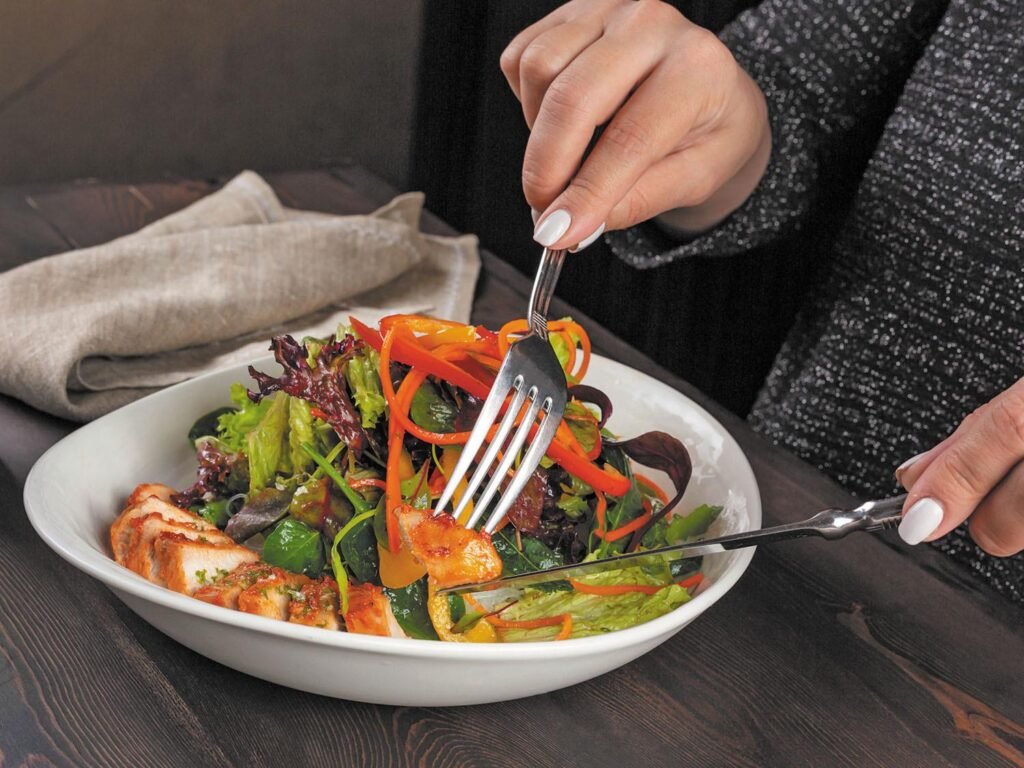
For example, a person who reduces unnecessary calories by controlling portion sizes, avoiding high-calorie processed foods, and choosing nutrient-rich meals may experience weight loss even without a structured workout routine.
However, experts caution that diet-only weight loss may not provide all the health benefits associated with combining nutrition and exercise. Physical activity helps maintain muscle strength, improves fitness levels, supports metabolism, and may help prevent weight regain.
Understanding the Science Behind Weight Loss
Weight management depends on the relationship between:
- Calories consumed through food and drinks
- Calories burned through daily activities and body functions
When calorie intake remains higher than energy expenditure, excess energy is stored in the body, often leading to weight gain.
On the other hand, creating a moderate calorie deficit encourages the body to use stored energy.
Experts generally recommend gradual weight loss rather than rapid changes. Losing weight slowly and consistently is considered more sustainable because extreme diets often lead to temporary results followed by weight regain.
Why Diet Plays a Major Role in Weight Loss
Many nutrition experts believe diet is one of the most important factors in weight management because controlling food intake directly affects calorie balance.
A person can spend hours exercising but still struggle to lose weight if their daily food intake contains excessive calories.
For example:
- Sugary beverages can add hundreds of unnecessary calories.
- Processed snacks may provide high calories with fewer nutrients.
- Large portion sizes can increase overall calorie intake.
Replacing these foods with balanced meals can make weight management easier.
A healthy weight-loss diet should include:
- Protein-rich foods
- Fibre-rich vegetables and fruits
- Whole grains
- Healthy fats
- Adequate hydration
A balanced eating pattern helps control hunger, maintain energy levels, and support overall health.
Role of Protein in a Weight Loss Diet
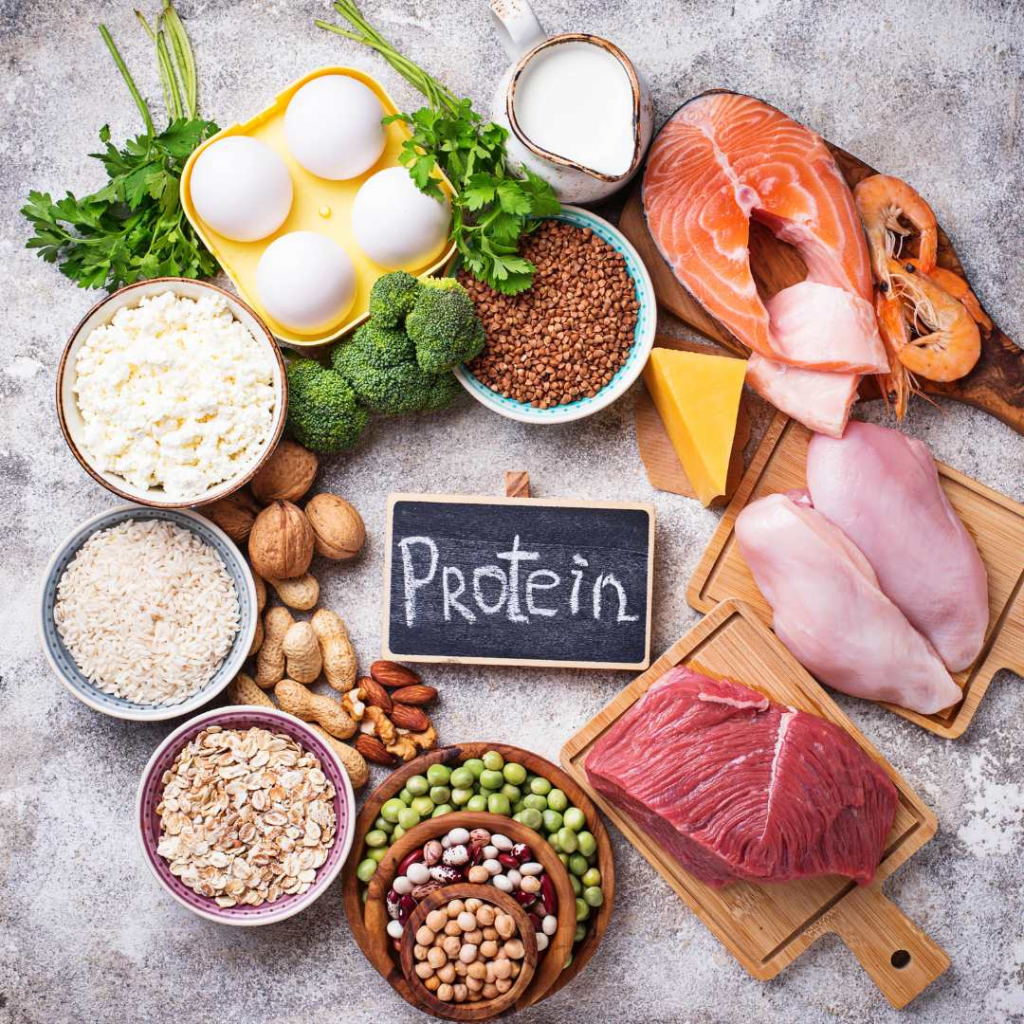
Protein is considered an important nutrient during weight loss because it helps increase feelings of fullness and supports muscle maintenance.
Common protein sources include:
- Eggs
- Fish
- Chicken
- Paneer
- Lentils
- Beans
- Dairy products
- Soy-based foods
When people reduce calories during dieting, insufficient protein intake may lead to loss of muscle mass along with fat. Including adequate protein helps support a healthier body composition.
Importance of Fibre for Controlling Hunger
Fibre-rich foods can help people feel satisfied for longer periods.
Foods high in fibre include:
- Fruits
- Vegetables
- Oats
- Whole grains
- Beans
- Lentils
Unlike highly processed foods that may cause quick hunger after eating, fibre-rich foods digest more slowly and help regulate appetite.
Experts often recommend adding more whole foods rather than relying on packaged diet products.
Popular Diet Trends: Are They Effective?
Over the years, several diet trends have gained popularity, including:
Low-Carb Diets
These diets reduce carbohydrate intake and focus more on proteins and fats.
Some people experience weight loss through reduced calorie intake, but long-term success depends on whether the diet is sustainable.
Intermittent Fasting
Intermittent fasting involves limiting eating to specific time periods.
It may help some individuals reduce calorie intake, but it is not suitable for everyone.
Low-Fat Diets
These diets focus on reducing fat consumption while increasing other nutrient sources.
Experts suggest that the quality and overall calorie balance of food matter more than following one specific diet pattern.
The best diet is usually the one that fits an individual’s lifestyle, health condition, food preferences, and long-term goals.
Why Crash Diets Can Be Harmful
Many people try quick weight-loss methods before important events or occasions. However, extreme calorie restriction can create health problems.
Crash diets may result in:
- Nutrient deficiencies
- Low energy levels
- Difficulty concentrating
- Muscle loss
- Increased cravings
- Higher chances of regaining weight
Experts recommend avoiding unrealistic weight-loss promises and focusing on gradual lifestyle improvements.
A sustainable approach is more likely to produce long-term results.
Exercise: Why It Still Matters in Weight Loss
Although diet plays a major role, experts say exercise remains an important part of a healthy weight-loss plan.
Physical activity helps by:
- Burning additional calories
- Improving cardiovascular health
- Supporting muscle strength
- Improving mood
- Helping maintain weight after losing it
Health guidelines commonly recommend regular moderate-intensity physical activity along with strength-building exercises for overall health benefits.
Exercise does not need to mean intense gym workouts. Activities such as:
- Walking
- Cycling
- Swimming
- Yoga
- Strength training
can contribute positively to overall fitness.
The Best Approach: Combine Diet and Lifestyle Changes
Experts believe the most effective weight-loss strategy combines:
Balanced Diet
Eating nutritious foods while maintaining appropriate calorie intake.
Regular Movement
Staying physically active through exercise and daily activities.
Quality Sleep
Poor sleep can affect hunger hormones and food choices.
Stress Management
High stress levels may influence eating habits and cravings.
A complete lifestyle approach improves the chances of maintaining weight loss successfully.
Common Weight Loss Mistakes People Make
Many people struggle with weight loss because of unrealistic expectations.
Common mistakes include:
Skipping Meals
Skipping meals may increase hunger later and lead to overeating.
Following Someone Else’s Diet
A diet that works for one person may not work for another due to differences in lifestyle, metabolism, and health conditions.
Completely Eliminating Food Groups
Removing entire categories of food without medical reasons can make diets difficult to maintain.
Focusing Only on Weight
Health improvements, energy levels, fitness, and overall well-being are also important indicators of progress.
How to Create a Healthy Weight Loss Diet Plan
Experts recommend following simple principles:
Choose Whole Foods
Prioritise vegetables, fruits, whole grains, and natural protein sources.
Control Portions
Even healthy foods can contribute to weight gain if consumed excessively.
Drink Enough Water
Sometimes thirst can be confused with hunger.
Plan Meals Ahead
Preparing meals in advance reduces dependence on unhealthy options.
Maintain Consistency
Small daily improvements are more effective than short-term extreme efforts.

When Should You Consult a Health Expert?
People struggling with weight management should consider professional guidance if:
- Weight does not reduce despite consistent efforts.
- There are medical conditions affecting weight.
- There are hormonal concerns.
- Eating patterns become unhealthy.
- There is a history of eating disorders.
A registered dietitian or healthcare professional can help create personalised plans based on individual needs.
Diet Alone Can Work, But Sustainable Weight Loss Needs Balance
Diet can play a powerful role in weight loss, and many people can reduce weight through controlled calorie intake and healthier food choices alone. However, experts highlight that combining nutrition with regular physical activity and healthy lifestyle habits provides better long-term results.
The goal should not be quick weight loss through extreme restrictions but creating habits that support lifelong health.
A successful weight-loss journey requires patience, consistency, and realistic expectations. By focusing on balanced nutrition, regular movement, proper sleep, and mindful eating, people can achieve healthier weight management without harming their overall well-being.