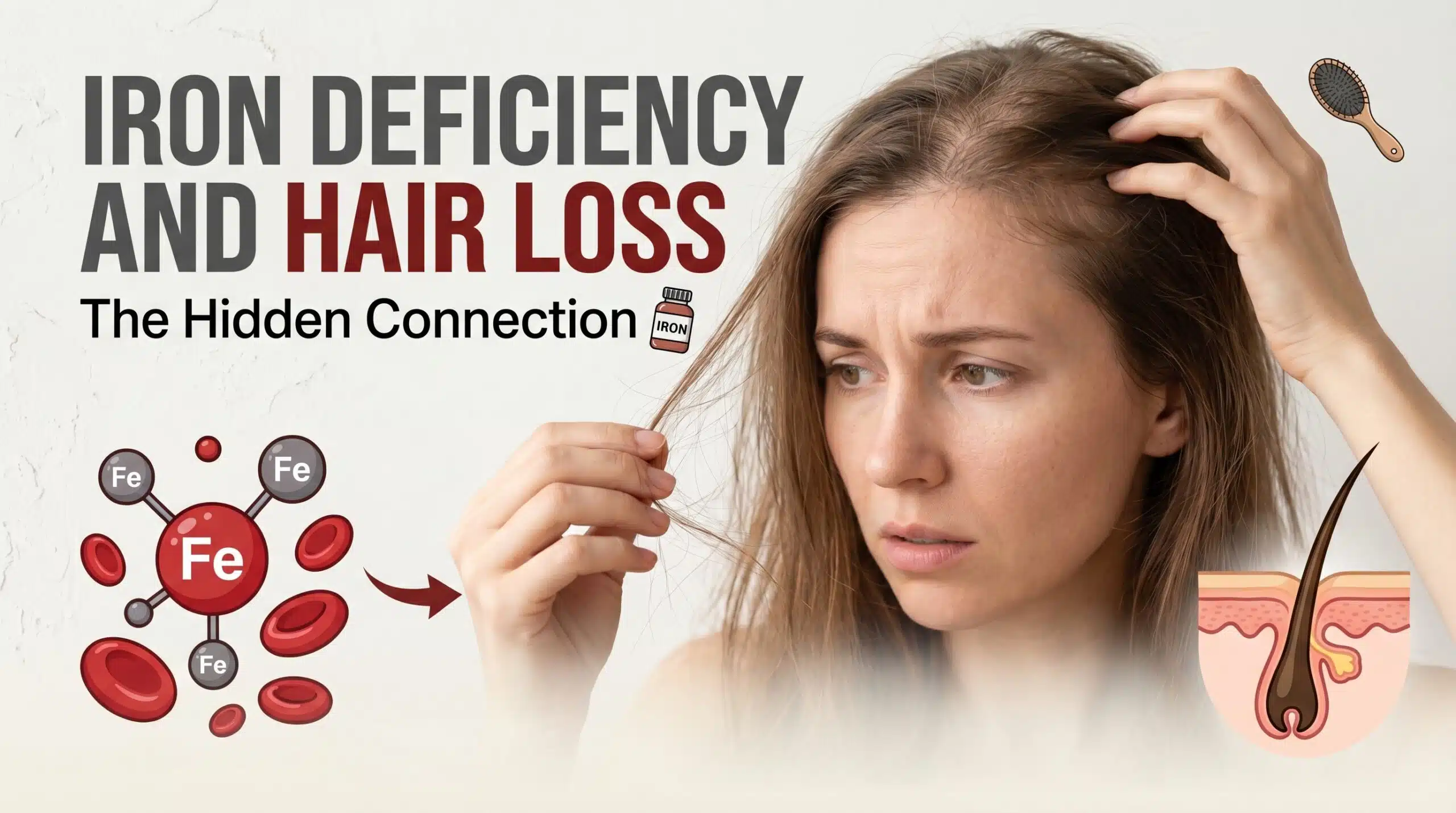
Hair loss has become one of the most common health concerns among people of all age groups. While losing a small amount of hair every day is considered a normal part of the hair growth cycle, persistent or excessive hair fall may indicate an underlying health issue rather than just the effects of stress, pollution, or lifestyle changes. Among the many possible causes, zinc deficiency is increasingly being recognized as an important nutritional factor that can contribute to hair thinning and excessive hair shedding.
Health experts emphasize that zinc is an essential trace mineral required for numerous bodily functions, including immune support, wound healing, skin health, DNA synthesis, cell growth, and the maintenance of healthy hair follicles. A deficiency in this important nutrient may interfere with the normal hair growth cycle, causing hair to become weak, brittle, and more likely to fall out.
Table of Contents
However, medical professionals also caution that hair loss alone should not automatically be attributed to zinc deficiency. Since several medical conditions and lifestyle factors can contribute to excessive hair fall, proper medical evaluation is necessary before starting any treatment or supplementation.
Why Hair Loss Has Become So Common
Hair loss has emerged as a widespread concern in recent years due to changing lifestyles and increasing environmental stressors. Urban living, unhealthy eating habits, lack of sleep, emotional stress, pollution, and excessive use of chemical hair products have all contributed to growing complaints of thinning hair.
Many individuals experience temporary hair loss during periods of illness, pregnancy, hormonal fluctuations, or significant stress. Others may develop chronic hair fall due to nutritional deficiencies or underlying medical disorders.
Dermatologists explain that healthy hair depends on a steady supply of vitamins, minerals, proteins, and other nutrients. Even a mild deficiency in certain nutrients can disrupt the hair growth cycle and reduce the strength of hair follicles.
Understanding the Importance of Zinc
Zinc is a vital mineral that participates in hundreds of enzymatic reactions throughout the body. Although required only in small quantities, it plays a major role in maintaining overall health.
Some of zinc’s most important functions include:
- Supporting normal cell growth and repair
- Promoting healthy skin
- Strengthening the immune system
- Assisting wound healing
- Supporting reproductive health
- Maintaining proper taste and smell
- Contributing to normal protein synthesis
- Helping maintain healthy hair follicles
Because hair follicles are among the fastest-growing tissues in the body, they require a constant supply of nutrients, including zinc, to function properly.
Can Zinc Deficiency Really Cause Hair Loss?
According to health experts, including information published by the Cleveland Clinic, hair loss can indeed be one of the symptoms associated with zinc deficiency.
Zinc helps regulate the growth and repair of hair follicle tissue. It also contributes to maintaining the oil glands surrounding hair follicles, which play an important role in keeping hair healthy.
When zinc levels become insufficient, several changes may occur:
- Hair follicles may weaken.
- Hair strands may become thinner.
- Hair growth may slow down.
- Increased hair shedding may occur.
- New hair growth may be affected.
In severe deficiency, hair loss may become noticeable over the scalp and, in some cases, other areas of the body.
However, experts emphasize that not every case of hair loss is caused by zinc deficiency. Hair fall should always be evaluated within the context of a person’s overall health.
Other Possible Causes of Hair Loss
Hair loss is a complex condition that can result from multiple factors, many of which are unrelated to zinc.
Common causes include:
Hormonal Changes
Hormonal imbalances caused by pregnancy, menopause, thyroid disorders, or conditions such as polycystic ovary syndrome (PCOS) can significantly affect hair growth.
Iron Deficiency
Iron deficiency remains one of the leading nutritional causes of hair loss, particularly among women.
Thyroid Disorders
Both hypothyroidism and hyperthyroidism can interfere with the normal hair growth cycle.
Chronic Stress
Long-term emotional or physical stress can trigger excessive hair shedding through a condition known as telogen effluvium.
Certain Medications
Some medicines used for blood pressure, depression, cancer treatment, or autoimmune disorders may contribute to hair loss.
Poor Diet
Insufficient intake of protein, vitamins, and minerals can weaken hair over time.
Because several factors may overlap, doctors often recommend blood investigations before identifying the exact cause.
Who Is at Greater Risk of Zinc Deficiency?
Although anyone can develop zinc deficiency, certain groups are considered more vulnerable.
These include:
- People following poorly balanced diets
- Strict vegetarians and vegans
- Pregnant women
- Breastfeeding mothers
- Older adults
- Individuals with digestive disorders
- People with inflammatory bowel disease
- Those suffering from long-term malabsorption disorders
- Individuals with chronic liver or kidney diseases
People with gastrointestinal disorders may have difficulty absorbing zinc efficiently even if they consume adequate amounts through food.
Signs and Symptoms Beyond Hair Loss
Hair loss is only one possible sign of inadequate zinc intake.
According to health experts, zinc deficiency may also produce several other symptoms affecting different body systems.
Common signs include:
Slow Wound Healing
Cuts and injuries may take longer than usual to heal because zinc plays a key role in tissue repair.
Frequent Infections
A weakened immune system may increase susceptibility to repeated infections.
Reduced Sense of Taste and Smell
Many people with zinc deficiency notice changes in their ability to taste food or detect odors.
Loss of Appetite
Reduced appetite may occur in some individuals.
Skin Problems
Dry skin, rashes, acne-like eruptions, or delayed healing of skin lesions may develop.
Poor Growth in Children
Children with prolonged zinc deficiency may experience delayed physical growth and development.
Medical experts note that these symptoms vary from person to person and should always be evaluated by a healthcare professional.
Why Self-Diagnosis Can Be Misleading
Because the symptoms of zinc deficiency overlap with several other health conditions, doctors strongly discourage self-diagnosis.
Someone experiencing hair loss may actually have:
- Iron deficiency anemia
- Vitamin D deficiency
- Vitamin B12 deficiency
- Autoimmune disorders
- Thyroid disease
- Hormonal imbalance
- Scalp infections
- Genetic hair loss
Treating the wrong condition may delay appropriate medical care while allowing the underlying problem to worsen.
How Doctors Diagnose Zinc Deficiency
If persistent hair loss is accompanied by other symptoms suggestive of nutritional deficiency, doctors may recommend a detailed clinical evaluation.
This may include:
- Medical history assessment
- Physical examination
- Dietary review
- Blood investigations
- Evaluation for digestive disorders
- Assessment of other vitamin and mineral deficiencies
Only after confirming zinc deficiency can appropriate treatment be recommended.
Foods Rich in Zinc
The best way to maintain healthy zinc levels is through a balanced and nutritious diet.
Animal-based foods naturally rich in zinc include:
- Lean meat
- Chicken
- Eggs
- Seafood
- Fish
- Milk
- Cheese
- Yogurt
For vegetarians, several plant-based foods also provide zinc, although absorption may be slightly lower.
Good vegetarian sources include:
- Lentils
- Chickpeas
- Kidney beans
- Pumpkin seeds
- Sesame seeds
- Cashews
- Almonds
- Peanuts
- Whole grains
- Oats
Combining a variety of these foods can help improve overall zinc intake.
Should You Take Zinc Supplements?
Health experts advise against taking zinc supplements without medical advice.
Although zinc is essential for health, excessive supplementation may lead to unwanted side effects.
Too much zinc may cause:
- Nausea
- Vomiting
- Stomach pain
- Diarrhea
- Reduced copper absorption
- Weak immune function with prolonged excess intake
Doctors generally recommend supplements only after laboratory confirmation of deficiency or when dietary intake alone is insufficient.
Healthy Lifestyle Habits That Support Hair Growth
Apart from maintaining adequate zinc intake, several healthy lifestyle practices can contribute to stronger hair.
Experts recommend:
- Eating a balanced diet rich in protein, vitamins, and minerals.
- Staying well hydrated.
- Managing stress through yoga, meditation, or exercise.
- Getting sufficient sleep every night.
- Avoiding excessive heat styling and harsh chemical treatments.
- Using mild shampoos suitable for your scalp type.
- Consulting a dermatologist if hair loss persists.
These measures support overall scalp health while reducing additional stress on hair follicles.
When Should You See a Doctor?
Occasional hair shedding is a normal biological process.
However, medical evaluation becomes important if:
- Hair loss continues for several weeks or months.
- Large clumps of hair fall out regularly.
- Bald patches appear.
- Hair thinning becomes noticeable.
- Hair loss is accompanied by fatigue, skin problems, poor wound healing, or repeated infections.
- There is a family history of significant hair disorders.
Early diagnosis often improves treatment outcomes by identifying the underlying cause before permanent damage occurs.
The Bottom Line
Persistent hair loss should never be dismissed as merely a cosmetic concern. While lifestyle factors, stress, hormonal changes, and genetics remain common causes, nutritional deficiencies—particularly zinc deficiency—can also play an important role in weakening hair and disrupting normal growth.
Maintaining a balanced diet rich in zinc-containing foods, monitoring overall health, and seeking medical advice when symptoms persist are essential steps toward protecting both hair health and general well-being. Rather than relying on self-diagnosis or over-the-counter supplements, individuals experiencing prolonged hair fall should consult a qualified healthcare professional for proper evaluation and evidence-based treatment. Early recognition of nutritional deficiencies can not only improve hair growth but also support the body’s immune function, skin health, and overall quality of life.