
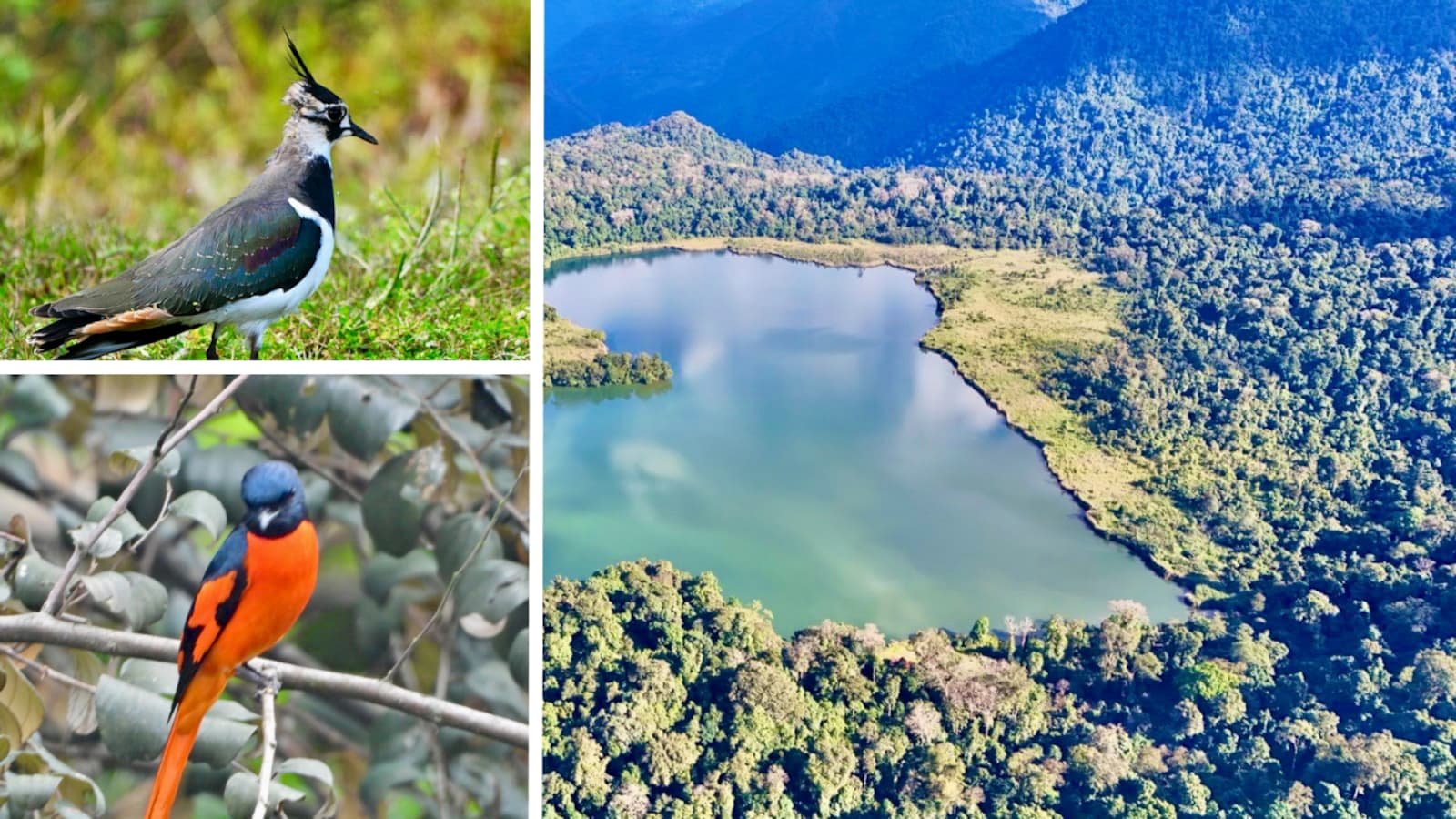
India has achieved a significant milestone in environmental conservation with Glaw Lake in Arunachal Pradesh being designated as the country’s 101st Ramsar Site, marking a major recognition for the state’s rich ecological heritage. The inclusion places Glaw Lake among the world’s important wetlands protected under the Ramsar Convention on Wetlands, highlighting its ecological importance and the need for long-term conservation efforts.
The announcement has brought national attention to Arunachal Pradesh’s unique natural landscapes, which include vast forests, high-altitude ecosystems, rivers and biodiversity-rich wetlands. Glaw Lake’s recognition is particularly historic as it becomes the first Ramsar-designated wetland in Arunachal Pradesh, giving the northeastern state a prominent place on India’s global conservation map.
Table of Contents
Located within the Kamlang Tiger Reserve landscape, Glaw Lake represents an important aquatic ecosystem that supports biodiversity and contributes to maintaining ecological balance in the region. The Ramsar recognition is expected to strengthen conservation measures while also creating opportunities for sustainable tourism and environmental research.
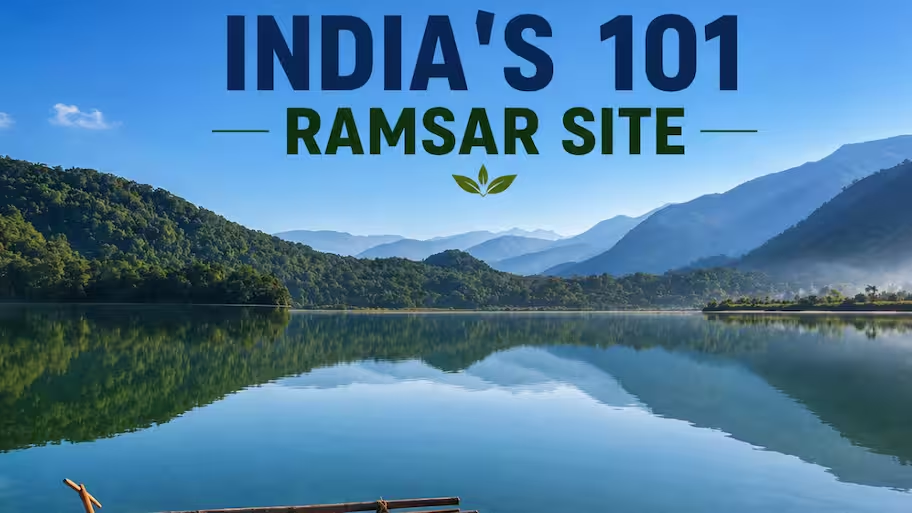
Glaw Lake Becomes Arunachal Pradesh’s First Ramsar Site
The designation of Glaw Lake as India’s 101st Ramsar Site marks a historic moment for Arunachal Pradesh. Until this recognition, the state did not have any wetland included in the international Ramsar network.
Union Environment Minister Bhupender Yadav announced the inclusion, underlining the importance of protecting wetlands that play a crucial role in supporting biodiversity, maintaining water systems and addressing environmental challenges.
The Ramsar tag provides international recognition to wetlands that meet specific ecological criteria, including their importance for biodiversity conservation, rare species protection and ecological sustainability.
For Arunachal Pradesh, the recognition is expected to increase attention towards wetland management, scientific studies and conservation planning.
What Is a Ramsar Site and Why Is It Important?
The term Ramsar Site refers to wetlands recognised as being of international importance under the Ramsar Convention, an international environmental treaty adopted in 1971 in Ramsar, Iran.
Wetlands include lakes, marshes, rivers, floodplains and other water-based ecosystems that provide essential ecological services.
Ramsar Sites are important because they:
- Support biodiversity and wildlife habitats
- Help maintain water quality
- Provide breeding grounds for aquatic species
- Reduce the impact of floods
- Support local communities dependent on natural resources
- Contribute to climate resilience
The inclusion of Glaw Lake means that the site will receive greater focus for conservation planning and sustainable management.
India’s growing Ramsar network reflects increasing efforts towards protecting valuable wetland ecosystems across different regions.
Ecological Importance of Glaw Lake
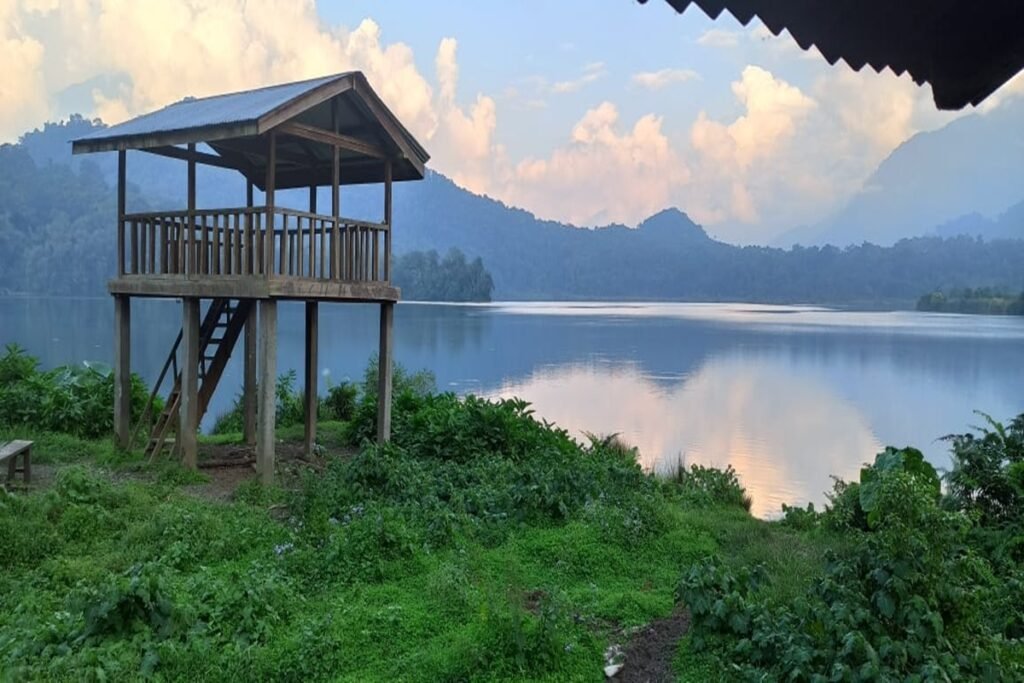
Glaw Lake is situated in the Kamlang Tiger Reserve area of Arunachal Pradesh and is known for its scenic surroundings and ecological significance.
According to the Arunachal Pradesh Forest Department, the lake is located at an elevation of approximately 1,168 metres and covers an area of around 82 hectares. It serves as an important aquatic ecosystem within the reserve landscape.
The lake is surrounded by rich forests and supports a variety of plant and animal species. Its location within a protected landscape makes it significant not only as a water body but also as part of a larger biodiversity network.
The surrounding Kamlang region is home to several important species, including endangered and vulnerable wildlife such as the Hoolock gibbon, slow loris, leopard cat and Himalayan palm civet.
The recognition of Glaw Lake as a Ramsar Site will help strengthen efforts to preserve this fragile ecosystem.
Importance for Wildlife and Biodiversity Conservation
Wetlands like Glaw Lake play a vital role in maintaining ecological balance.
They provide habitats for aquatic organisms, birds and other wildlife species. The lake’s ecosystem supports food chains and contributes to the overall health of the surrounding forest environment.
Wetlands are also considered natural climate regulators. They store carbon, maintain groundwater levels and help reduce environmental stress caused by climate change.
With increasing concerns over habitat loss and ecological degradation, international recognition through the Ramsar framework provides additional support for protecting such ecosystems.
Boost to Arunachal Pradesh’s Environmental Profile
The Ramsar designation is expected to enhance Arunachal Pradesh’s position as an important destination for nature conservation and eco-tourism.
The state is already known for its mountains, forests, wildlife reserves and indigenous cultures. The recognition of Glaw Lake adds another important environmental attraction to the region.
Authorities believe that responsible tourism around such locations can create economic opportunities for local communities while promoting awareness about conservation.
However, experts emphasise that tourism development must be carefully managed to ensure that increased human activity does not negatively affect the fragile ecosystem.
Connection With Kamlang Tiger Reserve
Glaw Lake’s location within the Kamlang Tiger Reserve landscape makes its conservation importance even greater.
Protected areas like tiger reserves often contain interconnected ecosystems where forests, rivers and wetlands support diverse forms of life.
The lake contributes to the ecological value of the reserve by providing an important water source and habitat area.
Conservation experts believe that protecting wetlands within wildlife landscapes can strengthen overall biodiversity management.
India’s Expanding Ramsar Network
With Glaw Lake becoming India’s 101st Ramsar Site, the country continues to expand its efforts towards wetland conservation.
India has several internationally recognised wetlands spread across different geographical regions, including lakes, mangroves, bird habitats and floodplain ecosystems.
The increasing number of Ramsar Sites reflects greater awareness about the importance of wetlands in maintaining ecological security.
Environmental experts have repeatedly highlighted that wetlands face multiple challenges, including pollution, climate change, habitat destruction and unsustainable development.
Recognition under the Ramsar Convention helps bring scientific attention and conservation strategies to these important ecosystems.
Sustainable Tourism and Future Opportunities
The Ramsar status could open new possibilities for scientific research, environmental education and responsible tourism around Glaw Lake.
Nature enthusiasts, researchers and wildlife photographers may show increased interest in the region due to its unique biodiversity and scenic landscape.
However, sustainable development will remain essential.
Authorities will need to focus on:
- Protecting natural habitats
- Controlling pollution
- Maintaining ecological balance
- Supporting local communities
- Promoting responsible tourism practices
A well-planned conservation approach can ensure that Glaw Lake remains protected for future generations.
Challenges in Wetland Conservation
Despite international recognition, maintaining wetland ecosystems requires continuous efforts.
Climate change, changing rainfall patterns, human activities and environmental pressure can impact wetlands over time.
Arunachal Pradesh, like many Himalayan states, also faces ecological challenges linked to changing climate conditions and natural hazards.
The state has been working on strengthening environmental monitoring and preparedness measures, including assessments of vulnerable high-altitude lakes.
Experts believe that scientific monitoring and community participation will be essential for protecting wetlands in the long term.
A New Chapter in Arunachal Pradesh’s Conservation Journey
The recognition of Glaw Lake as India’s 101st Ramsar Site represents more than an environmental achievement. It highlights the importance of preserving natural ecosystems that support wildlife, communities and ecological stability.
For Arunachal Pradesh, the milestone marks the beginning of a new chapter in wetland conservation. The Ramsar status provides global recognition while also placing greater responsibility on authorities and communities to protect the lake’s natural heritage.
As India continues expanding its wetland conservation efforts, Glaw Lake stands as a symbol of the country’s commitment towards protecting biodiversity and promoting sustainable environmental practices.
The inclusion of Glaw Lake in Arunachal Pradesh as India’s 101st Ramsar Site is a landmark achievement for the state and the country’s conservation efforts.
The recognition highlights the ecological importance of the lake, strengthens biodiversity protection and creates opportunities for sustainable tourism and research.
As environmental challenges continue to grow globally, protecting wetlands like Glaw Lake will remain crucial for maintaining ecological balance and ensuring a sustainable future.