Food Storage Mistakes, Refrigerators have become an essential part of modern households, helping preserve food, reduce waste, and keep perishable items fresh for longer. From dairy products and cooked meals to fresh fruits and vegetables, proper refrigeration plays a crucial role in food safety by slowing the growth of harmful bacteria.
However, one common misconception is that every food item belongs in the refrigerator. While refrigeration is beneficial for many foods, storing certain items in the fridge can actually reduce their quality, alter their taste and texture, and even affect their nutritional value. In some cases, improper refrigeration may encourage moisture buildup, promote mold growth, or change the chemical composition of food.
Food experts recommend understanding which foods should and should not be refrigerated to maximize freshness, maintain flavor, and ensure safe consumption. Simple storage habits can make a significant difference in preserving the quality of everyday ingredients while minimizing food waste.
Table of Contents
Here are five common foods that should generally be kept out of the refrigerator, along with guidance on which items truly need refrigeration and the best practices for storing food safely.
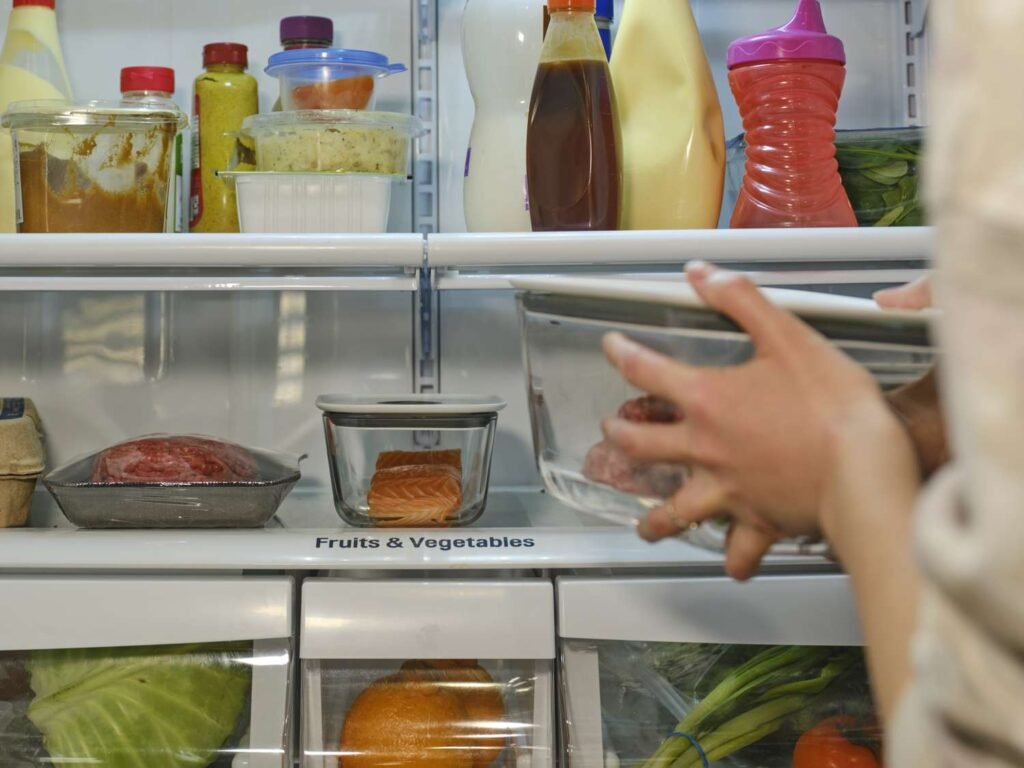
Why Food Storage Mistakes Matter for Your Health
Food storage is more than just keeping ingredients fresh—it is an important aspect of food safety and nutrition. Every food item has an ideal storage environment based on its moisture content, ripeness, and natural composition.
Low temperatures help preserve many perishable foods, but some fruits and vegetables react differently to cold environments. Refrigeration may interrupt their natural ripening process, change their texture, or reduce their flavor.
Improper storage can also lead to unnecessary food waste, increased grocery expenses, and reduced nutritional quality. Learning the correct storage method for common kitchen staples helps households enjoy fresher, healthier meals.
Potato: Refrigeration Can Change Taste and Texture
One of the most common Food Storage Mistakes is refrigerating potatoes.
When potatoes are kept inside a refrigerator, the cold temperature causes the starch inside them to convert into sugar much faster than normal. As a result, the potatoes may develop an unusually sweet taste and a grainy texture.
Another concern arises during cooking. Potatoes with increased sugar content may produce higher levels of certain undesirable compounds when fried or roasted at very high temperatures.
Best Way to Store Potatoes
- Keep potatoes in a cool, dry, and dark place.
- Avoid direct sunlight.
- Store them in a breathable basket or paper bag.
- Never keep them inside sealed plastic bags for long periods.
Proper storage allows potatoes to maintain their natural flavor and freshness for several weeks.
Onion: Moisture Can Lead to Spoilage
Another frequent Food Storage Mistake is storing whole onions in the refrigerator.
The humid environment inside most refrigerators can cause onions to soften, sprout, or develop mold more quickly. Excess moisture reduces their shelf life instead of extending it.
Good airflow is essential for onions to remain fresh.
Best Way to Store Onions
- Store whole onions in a dry, cool, and well-ventilated area.
- Keep them away from potatoes, as both release gases and moisture that may accelerate spoilage.
- Use mesh bags or baskets for better airflow.
Exception
If an onion has already been cut, it should be placed in an airtight container and refrigerated. Chopped onions should be consumed within a short period to maintain quality and food safety.
Garlic: Refrigeration May Encourage Sprouting
Keeping garlic in the fridge is another Food Storage Mistake that can reduce its quality.
The moisture inside refrigerators can trigger sprouting and mold formation, affecting both flavor and texture. Refrigerated garlic may also become rubbery or lose its characteristic aroma.
Best Way to Store Garlic
- Keep whole garlic bulbs in a cool, dry location.
- Store them in containers that allow air circulation.
- Avoid excessive humidity.
Properly stored garlic can remain fresh for several weeks while retaining its rich flavor.
Bananas: Cold Temperatures Interrupt Natural Ripening
Refrigerating bananas before they ripen is another common Food Storage Mistake.
Keeping unripe bananas inside the refrigerator slows or interrupts this natural ripening process. While the fruit inside may remain edible, the peel often turns dark much earlier due to exposure to cold temperatures.
This change in appearance frequently leads people to believe the fruit has spoiled, even when it is still safe to eat.
Best Way to Store Bananas
- Keep bananas at room temperature until they ripen naturally.
- Store them away from direct sunlight.
- Separate bananas if you want to slow the ripening process.
When Refrigeration Is Acceptable
Once bananas are fully ripe, refrigeration can help slow further ripening for a short period. Although the peel may darken, the fruit inside usually remains fresh.
Bread: Refrigeration Can Make It Dry
Storing bread in the refrigerator is one of the most overlooked Food Storage Mistakes.
In reality, refrigeration often causes bread to lose moisture more quickly, making it dry, hard, and less flavorful.
The cold environment speeds up the process that causes bread to become stale.
Best Way to Store Bread
- Keep bread in its original sealed package.
- Store it at room temperature if it will be consumed within two to three days.
- Place it in a bread box or airtight container.
Long-Term Storage
If bread needs to be stored for an extended period, freezing is generally more effective than refrigeration. Frozen bread retains more of its texture and freshness when thawed properly.
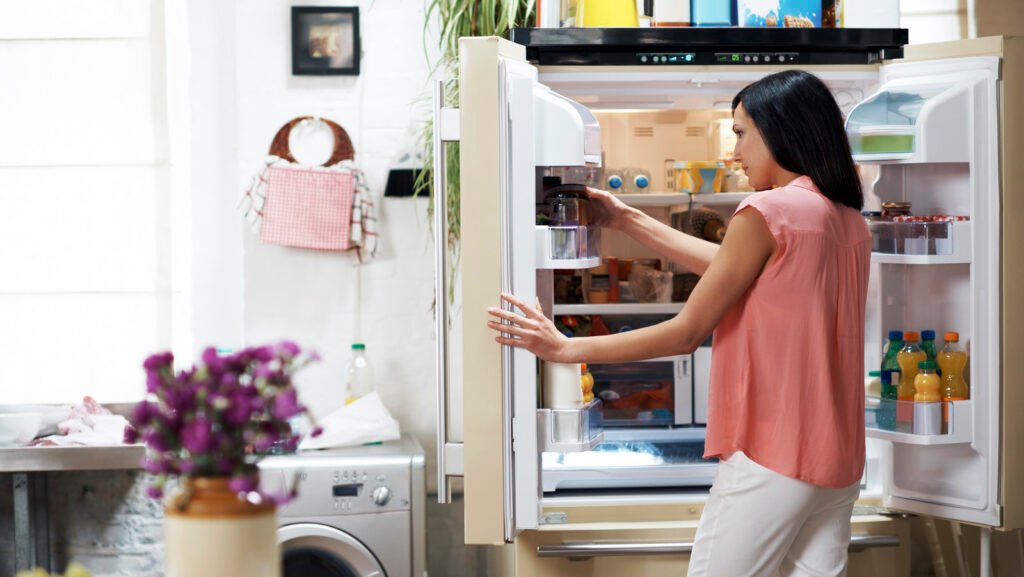
Foods That Should Always Be Refrigerated
Understanding Food Storage Mistakes also means knowing which foods actually need refrigeration to remain safe for consumption.
These include:
- Milk
- Yogurt
- Cheese
- Butter
- Eggs (depending on local food safety recommendations and storage practices)
- Cooked meals
- Leftover food
- Chopped fruits
- Chopped vegetables
- Meat
- Fish
- Poultry
- Seafood
- Ready-to-eat perishable foods
Keeping these foods at appropriate temperatures helps slow bacterial growth and reduces the risk of foodborne illness.
Why Refrigeration Is Important for Perishable Foods
Perishable foods contain moisture and nutrients that create ideal conditions for bacteria to multiply.
Without proper refrigeration, harmful microorganisms can grow rapidly, increasing the risk of food poisoning.
Maintaining recommended refrigerator temperatures helps preserve:
- Food quality
- Nutritional value
- Freshness
- Texture
- Safety
It also extends the shelf life of many commonly consumed products.
Safe Practices for Storing Leftover Food
Leftover meals should never remain at room temperature for extended periods.
Food safety experts recommend allowing hot food to cool slightly before transferring it to the refrigerator. However, leftovers should not be left out for several hours.
Tips for Safe Storage
- Store leftovers in airtight containers.
- Label containers with preparation dates if possible.
- Consume leftovers within the recommended time.
- Reheat thoroughly before serving again.
Proper storage helps minimize bacterial growth and food waste.
Common Food Storage Mistakes Inside Your Refrigerator
Many households unknowingly make storage mistakes that reduce food quality.
Some common errors include:
Overloading the Refrigerator
An overcrowded refrigerator blocks cold air circulation, preventing even cooling.
Mixing Raw and Cooked Foods
Raw meat, seafood, and poultry should always be stored separately from ready-to-eat foods to reduce the risk of cross-contamination.
Ignoring Expiry Dates
Expired products should be removed promptly to avoid contamination and unpleasant odors.
Poor Cleaning Habits
Regular cleaning helps prevent mold, bacteria, and unpleasant smells from developing inside the refrigerator.
How to Organize Your Refrigerator Properly
Avoiding Food Storage Mistakes starts with proper refrigerator organization.
Experts recommend:
- Keeping dairy products on interior shelves.
- Storing raw meat on the bottom shelf in sealed containers.
- Placing fruits and vegetables in designated crisper drawers.
- Using airtight containers for leftovers.
- Avoiding frequent opening of the refrigerator door.
Maintaining an organized refrigerator also makes it easier to monitor food freshness.
The Importance of Maintaining the Correct Refrigerator Temperature
Maintaining the correct refrigerator temperature helps prevent Food Storage Mistakes that affect food quality.
If the temperature is too warm, bacteria multiply quickly.
If the temperature becomes excessively cold, some foods may freeze unintentionally or lose their desired texture.
Regularly checking refrigerator settings helps ensure optimal food preservation.
Reducing Food Waste Through Better Storage Habits
Avoiding Food Storage Mistakes benefits both households and the environment.
By understanding where each food item should be stored, families can:
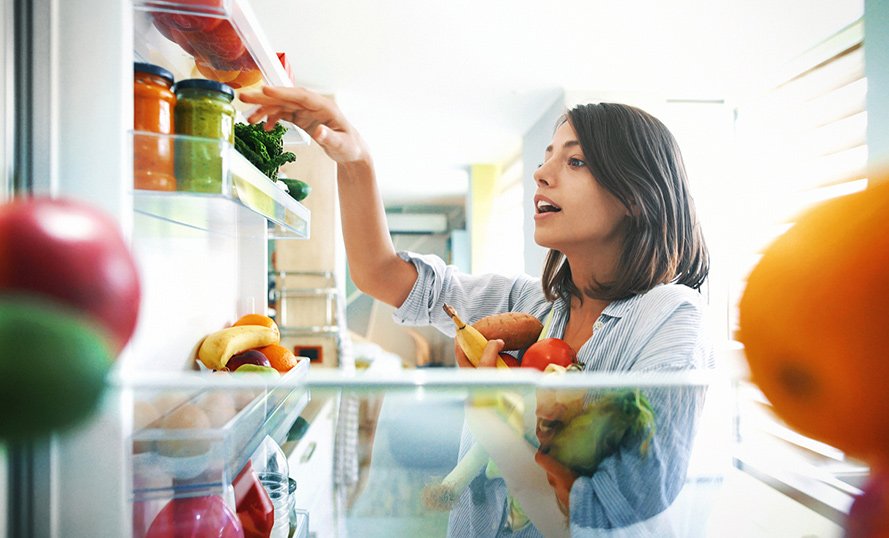
- Reduce unnecessary spoilage.
- Save money on groceries.
- Preserve nutritional quality.
- Improve meal planning.
- Minimize household food waste.
Small changes in storage habits often result in significant long-term benefits.
Avoiding Food Storage Mistakes is one of the easiest ways to protect your health, preserve food quality, and reduce waste. While refrigerators remain one of the most valuable appliances for preserving food, not every food item should automatically be stored inside them. Potatoes, onions, garlic, bananas, and bread generally maintain better quality when stored under the right room-temperature conditions rather than in cold, humid refrigerator environments.
At the same time, highly perishable foods—including dairy products, cooked meals, meat, seafood, and chopped produce—should always be refrigerated promptly to help reduce bacterial growth and maintain food safety.
Developing proper food storage habits not only protects health but also helps preserve taste, texture, and nutritional value. By understanding the specific storage needs of everyday ingredients, households can enjoy fresher food, reduce waste, and create a safer kitchen environment for the entire family.