
Understanding the Critical Phase of Dengue Can Help Prevent Life-Threatening Complications
As monsoon rains continue to create ideal breeding conditions for mosquitoes across India, health authorities are witnessing a seasonal rise in dengue cases. While many people associate dengue primarily with high fever and a falling platelet count, medical experts emphasize that the disease is far more complex than simply monitoring blood platelets. In fact, one of the biggest misconceptions surrounding dengue is that platelet count alone determines the severity of the illness.
According to health experts, the most dangerous period of dengue often begins when the fever starts to come down, usually between the third and seventh day of illness. During this stage, platelets may begin to decline, but doctors stress that warning signs such as severe abdominal pain, persistent vomiting, bleeding, and difficulty breathing are equally—if not more—important indicators of severe dengue.
Table of Contents
Early diagnosis, proper hydration, and timely medical supervision remain the most effective ways to prevent complications and reduce the risk of severe disease.
What Is Dengue?
Dengue is a viral infection caused by the dengue virus (DENV) and transmitted through the bite of infected Aedes aegypti and Aedes albopictus mosquitoes. These mosquitoes typically bite during the daytime, especially in the early morning and late afternoon.
The disease is common in tropical and subtropical countries, including India, and outbreaks generally increase during the monsoon and post-monsoon seasons due to stagnant water that allows mosquitoes to breed.
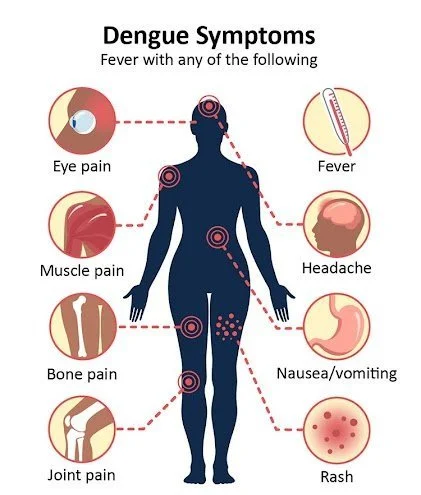
Common Symptoms of Dengue
Dengue often begins suddenly after an incubation period of about 4 to 10 days following an infected mosquito bite.
Common symptoms include:
- High fever (up to 40°C)
- Severe headache
- Pain behind the eyes
- Muscle and joint pain
- Fatigue and weakness
- Nausea and vomiting
- Skin rash
- Loss of appetite
Because these symptoms resemble other viral illnesses, laboratory tests such as the NS1 antigen test (early phase) and IgM/IgG antibody tests (later phase) are used to confirm the diagnosis.
When Do Platelets Start Falling in Dengue?
One of the most frequently asked questions is when platelet counts begin to drop.
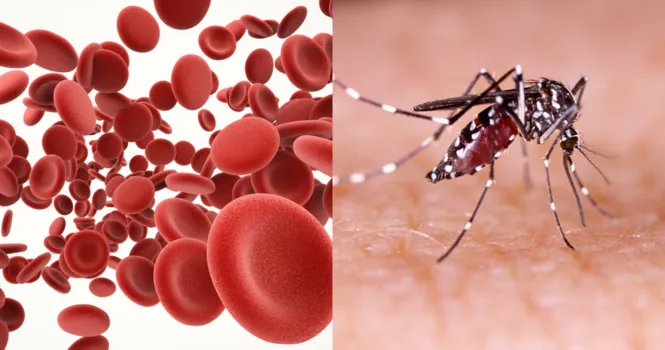
Doctors explain that platelet levels generally begin declining around the third to fifth day of illness, often as the fever starts to subside. The lowest platelet count is commonly seen during the critical phase, which usually occurs between days 4 and 7.
However, experts caution that:
- Not every patient experiences a dangerous drop.
- A falling platelet count alone does not automatically indicate severe dengue.
- Some patients recover without significant thrombocytopenia.
- Clinical symptoms and the patient’s overall condition are more important than a single platelet number.
Why Does Platelet Count Fall?
Researchers believe platelet levels decrease because the dengue virus temporarily suppresses bone marrow function and increases platelet destruction by the immune system. At the same time, the infection can make blood vessels more permeable, allowing plasma to leak into surrounding tissues.
This plasma leakage, rather than low platelets alone, is a key feature of severe dengue and can lead to shock if not treated promptly.
The Three Phases of Dengue
Doctors divide dengue into three clinical phases.
1. Febrile Phase (Days 1–3)
During this stage, patients usually experience:
- High fever
- Severe body pain
- Headache
- Eye pain
- Nausea
- Weakness
Most people assume recovery begins once the fever improves, but this is not always the case.
2. Critical Phase (Days 3–7)
This is the most dangerous period.
Ironically, many patients begin feeling that the fever is reducing. However, this is exactly when severe complications may develop.
Platelets often fall rapidly during this period, and plasma leakage can occur.
3. Recovery Phase
If the patient passes through the critical phase safely:
- Platelet counts begin rising.
- White blood cell counts recover.
- Appetite improves.
- Energy gradually returns.
Most patients recover completely with proper medical care.
Warning Signs That Require Immediate Medical Attention
The World Health Organization and the U.S. CDC advise seeking urgent medical care if any of the following warning signs appear, especially when the fever is settling:
- Severe abdominal pain or tenderness
- Persistent vomiting
- Bleeding from gums or nose
- Blood in vomit or stools
- Difficulty breathing
- Extreme weakness or lethargy
- Restlessness or confusion
- Cold, clammy skin
- Reduced urine output
- Sudden dizziness or fainting
These symptoms may indicate progression to severe dengue, which requires hospital management.
Does Every Patient Need Platelet Transfusion?
No.
One of the biggest myths surrounding dengue is that every patient with low platelets needs a platelet transfusion.
Doctors generally recommend platelet transfusions only in specific situations, such as significant bleeding or very low platelet counts combined with clinical evidence that transfusion is necessary.
Routine transfusions based solely on platelet numbers are not recommended. Treatment decisions depend on the patient’s overall clinical condition.
How Is Dengue Diagnosed?
Doctors may recommend:
- NS1 Antigen Test (early infection)
- Dengue IgM antibody test
- Dengue IgG antibody test
- Complete Blood Count (CBC)
- Liver function tests (if needed)
Regular blood monitoring helps track platelet counts, white blood cells, and hematocrit levels during the illness.
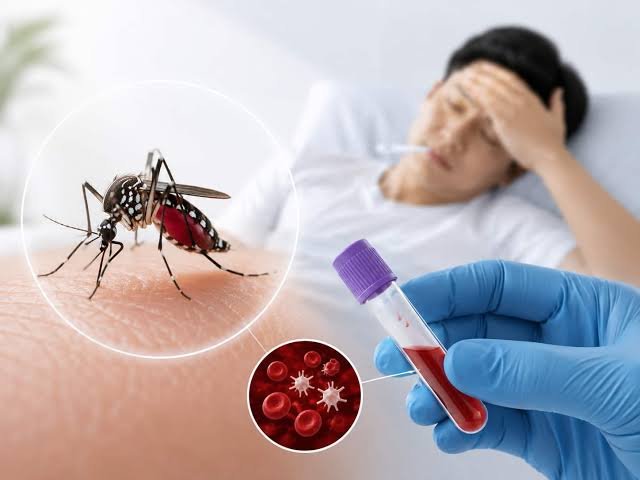
Treatment: There Is No Specific Antiviral Drug
There is currently no specific antiviral medicine for dengue.
Treatment focuses on supportive care, including:
- Adequate hydration
- Oral rehydration solution (ORS)
- Paracetamol for fever (avoid aspirin and ibuprofen unless advised by a doctor because they may increase bleeding risk)
- Rest
- Regular medical monitoring
- Hospital care for patients with warning signs or severe the mosquito-borne illness
Can Diet Increase Platelets Quickly?
Many foods and traditional remedies are promoted as “platelet boosters.”
Doctors say:
- A balanced, nutritious diet supports recovery.
- Staying hydrated is essential.
- Fruits, vegetables, soups, coconut water, and protein-rich foods may help overall health.
However, there is no strong scientific evidence that any single food or herbal remedy rapidly increases platelet counts in the mosquito-borne illness. Patients should not rely on home remedies instead of medical care.
How Can Dengue Be Prevented?
Since there is no universal cure, prevention remains the best strategy.
Experts recommend:
- Eliminate stagnant water around homes.
- Cover water storage containers.
- Use mosquito repellents.
- Wear full-sleeved clothing.
- Install window screens.
- Sleep under mosquito nets where appropriate.
- Keep surroundings clean.
- Participate in local mosquito-control drives.
Because Aedes mosquitoes bite during the day, protective measures should be followed throughout daylight hours.
Who Is at Greater Risk?
Some individuals are more likely to develop severe mosquito, including:
- Infants and young children
- Older adults
- Pregnant women
- People with chronic illnesses
- Individuals with a previous the mosquito-borne illness infection (infection with a different the mosquito-borne illness virus type can increase the risk of severe disease)
When Should You Visit a Hospital?
Medical experts advise seeking prompt evaluation if:
- Fever lasts more than two days during mosquito season.
- Symptoms worsen as the fever decreases.
- Bleeding develops.
- Persistent vomiting occurs.
- The patient cannot drink enough fluids.
- Breathing becomes difficult.
- There is severe weakness or confusion.
Timely hospitalization for patients with warning signs can dramatically improve outcomes.
Common Myths About the mosquito-borne illness
Myth: Low platelets always mean severe dengue.
Fact: Doctors assess the whole clinical picture, not platelet count alone.
Myth: Fever going away means recovery.
Fact: The most dangerous phase often begins as fever subsides.
Myth: Every dengue patient needs platelet transfusion.
Fact: Transfusions are reserved for selected cases based on medical evaluation.
Myth: Herbal remedies alone can cure dengue.
Fact: There is no proven cure; supportive medical care remains the standard treatment.
This mosquito-borne viral disease continues to be a significant public health concern, particularly during the monsoon season, but early recognition and appropriate medical care can prevent most serious complications. While platelet counts typically begin to fall between the third and fifth day of illness, experts emphasize that patients and caregivers should pay equal attention to warning signs such as severe abdominal pain, persistent vomiting, bleeding, breathing difficulty, or unusual drowsiness.
Rather than focusing only on platelet numbers, healthcare professionals recommend monitoring the patient’s overall condition, staying well hydrated, following medical advice, and seeking immediate care if warning signs appear. With timely diagnosis, careful observation during the critical phase, and appropriate supportive treatment, the vast majority of people with the mosquito-borne illness recover fully and safely.